Redstone Arsenal in Huntsville, Alabama will serve as the headquarters for U.S. Space Command, the Air Force announced Wednesday, after a hard-fought lobbying campaign.
The big picture: The U.S. military relies on space assets for all types of warfighting, and Space Command — which was established in 2019 as a unified combatant command — is designed to help protect those assets, treating space as a theater of war in much the same way air and sea are.
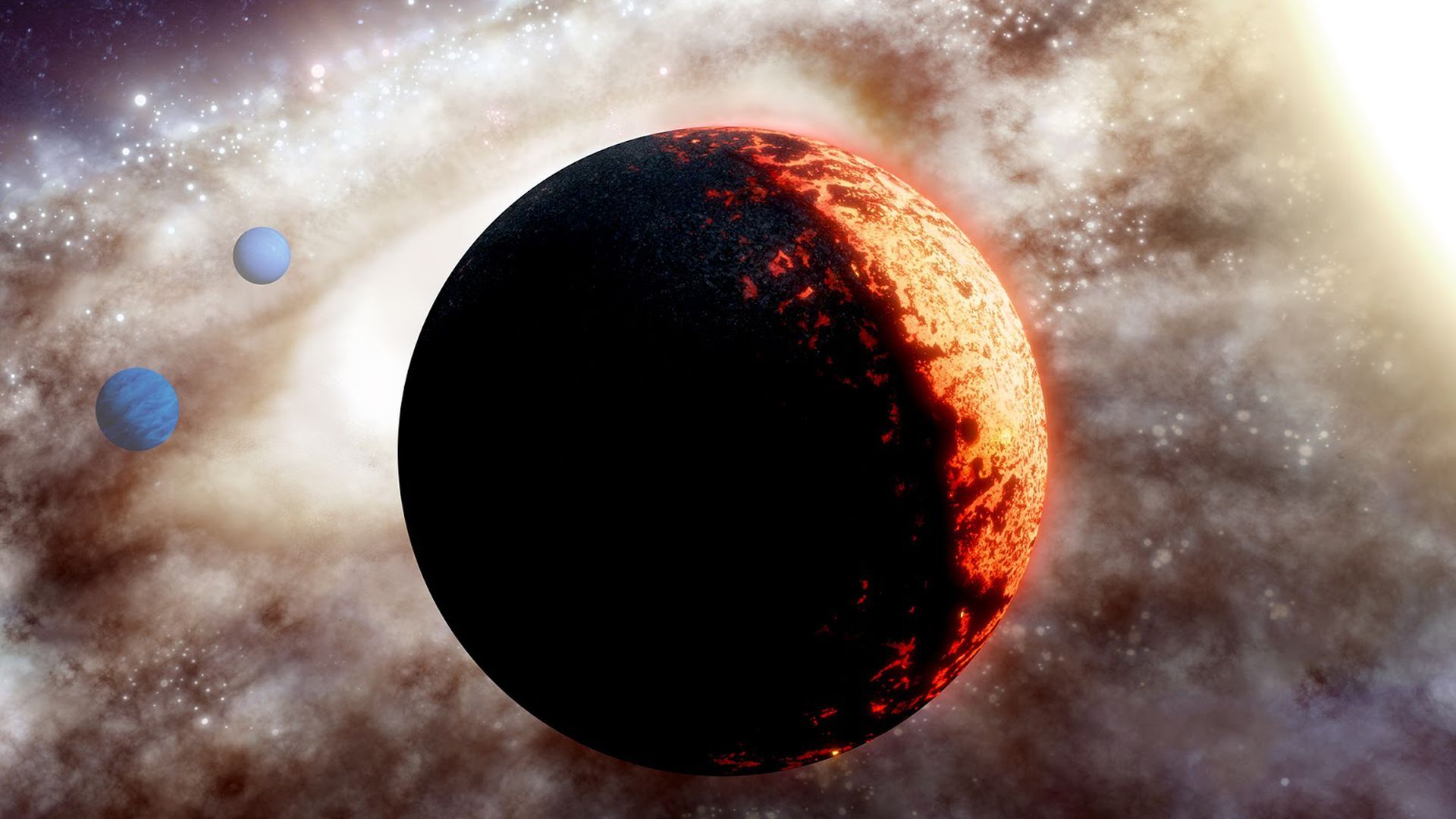
Scientists have discovered a rocky “super-Earth” planet in an ancient star system that likely formed 10 billion years ago, only a few billion years after our Milky Way galaxy came to be.
Why it matters: The newfound planet likely can't support life, but in general, researchers think older planetary systems have better odds of possibly harboring life because they're long-lived.
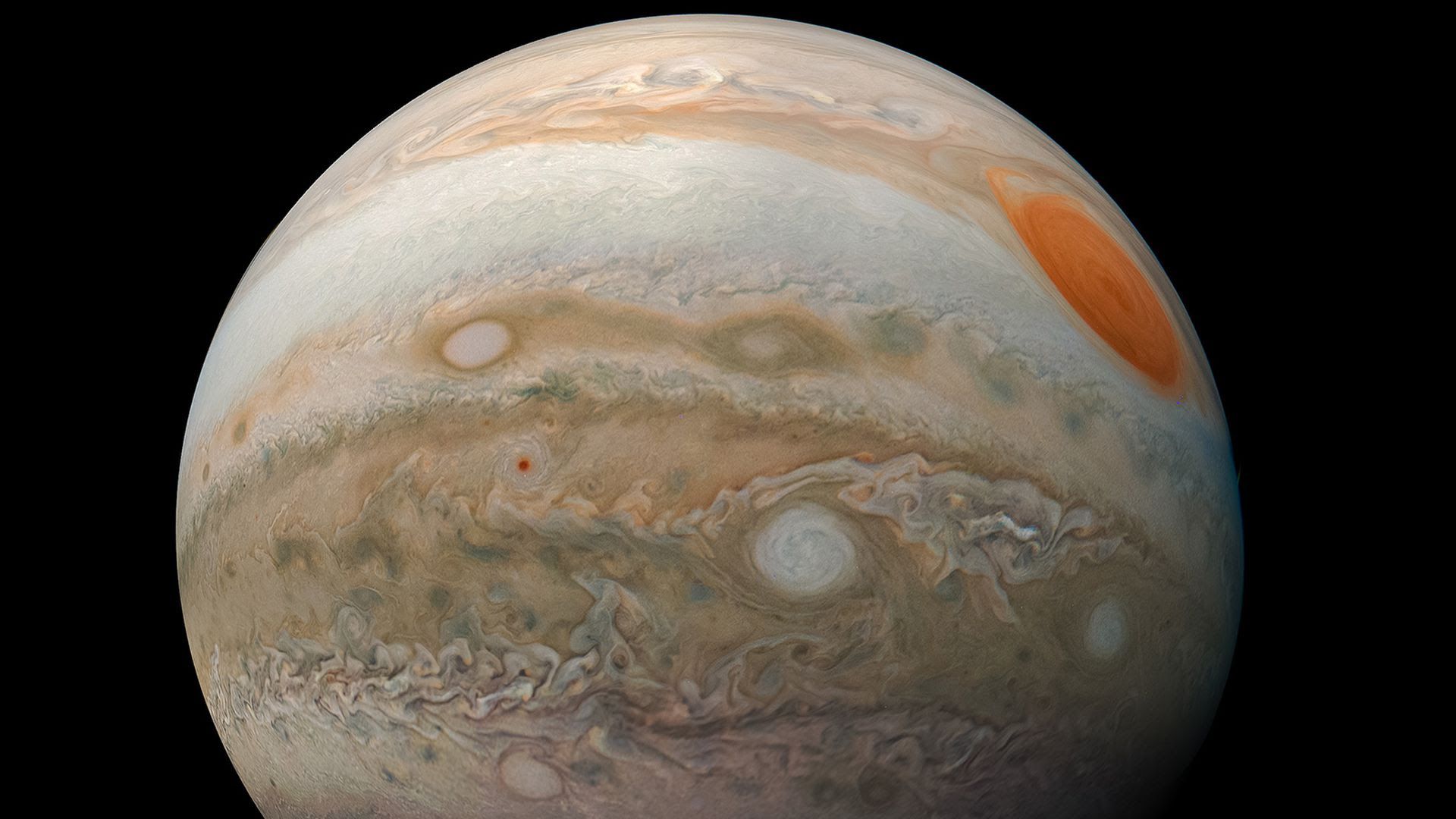
NASA's InSight lander on Mars and the Juno orbiter at Jupiter have new leases on life.
Why it matters: The spacecraft are expected to continue gathering data about their respective planetary targets during their newly extended missions, allowing scientists to learn more about seismic activity on Mars and turn their attention to the moons of Jupiter.
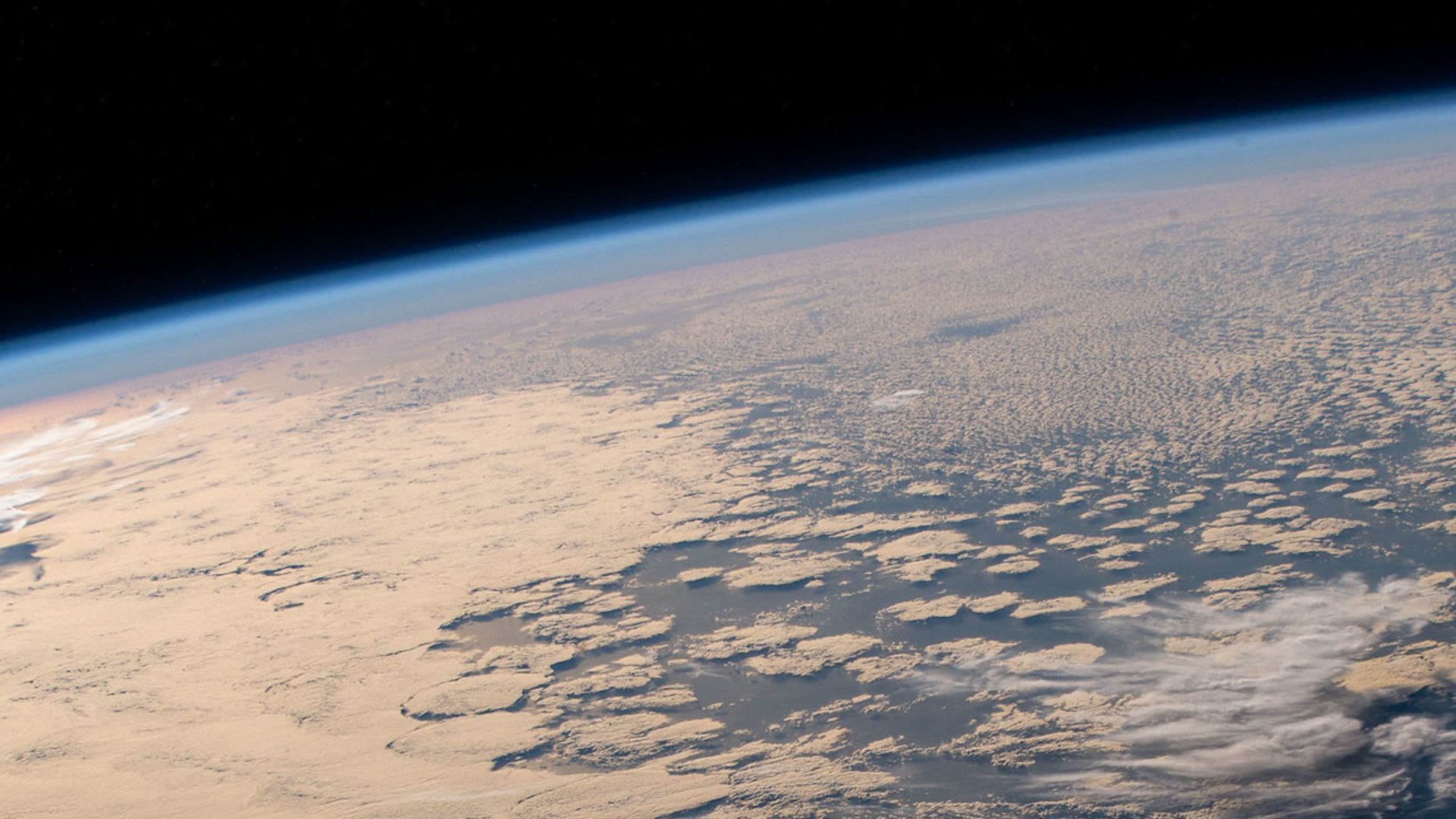
Twelve bottles of red wineare making their way back to Earth after spending more than a year aboard the International Space Station.
Why it matters: The wine is more than just a frivolous novelty. The researchers behind the wine experiments — which also involved sending grape vines to the station — are hoping to learn more about how plants respond to stress, with an eye toward how they might behave on a warmer Earth in the future.
It’s a make-or-break moment for NASA’s next mega-rocket: the Space Launch System.
Why it matters: The rocket — about 10 years in development and billions of dollars over budget — is expected to launch for the first time this year. Its success iskey for NASA’s plans to bring people and payloads to deep space destinations like the Moon.


/2021/01/13/1610573326717.gif?w=3840)