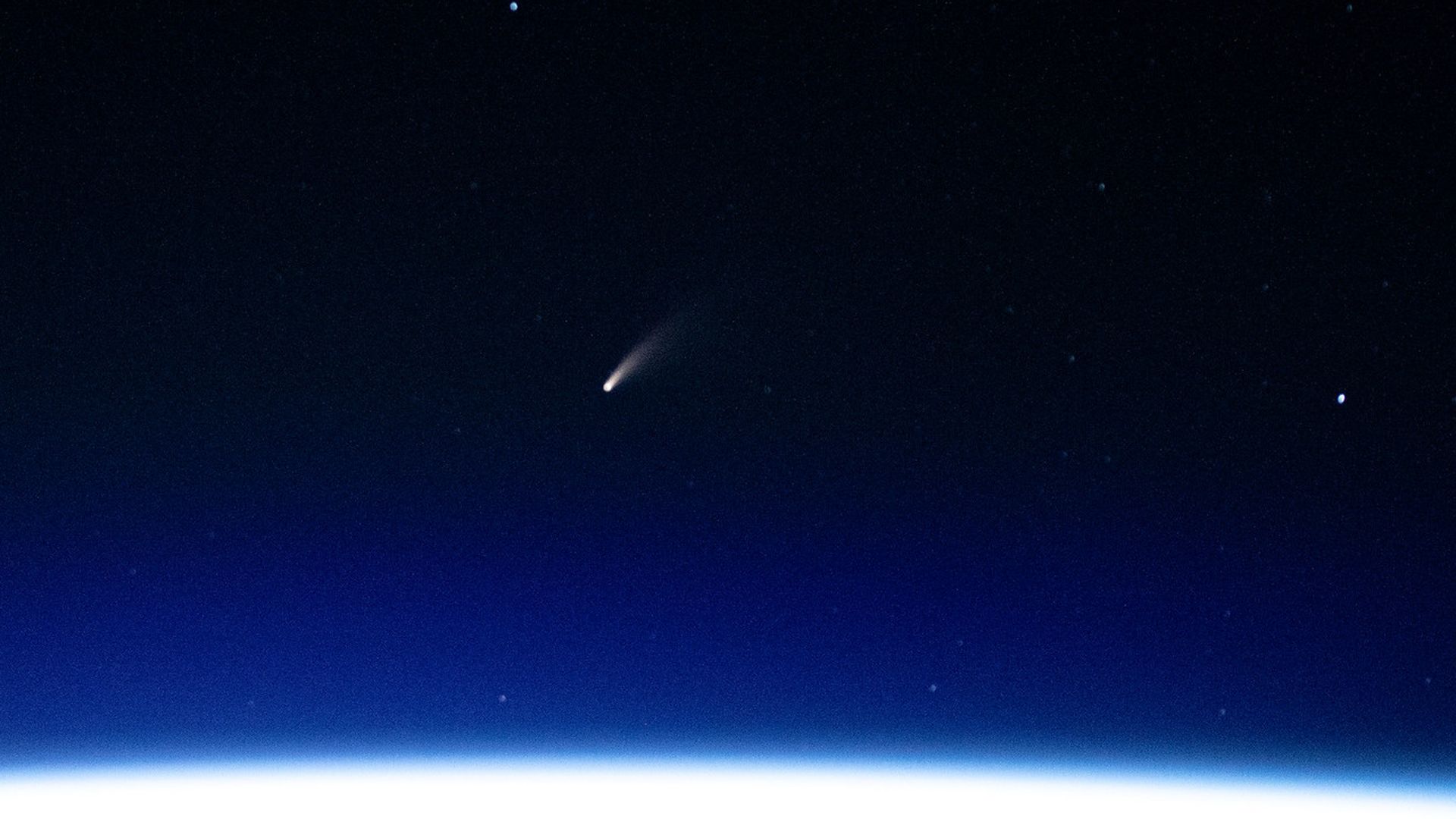
A bright comet is gracing skies around the world this month, and from dark areas in the Northern Hemisphere, it's visible with the naked eye.
The big picture: This comet — named NEOWISE after the spacecraft that discovered it — likely won't be quite as spectacular as Comet Hale-Bopp was in 1997, but it will still make for good viewing for those who can see it.
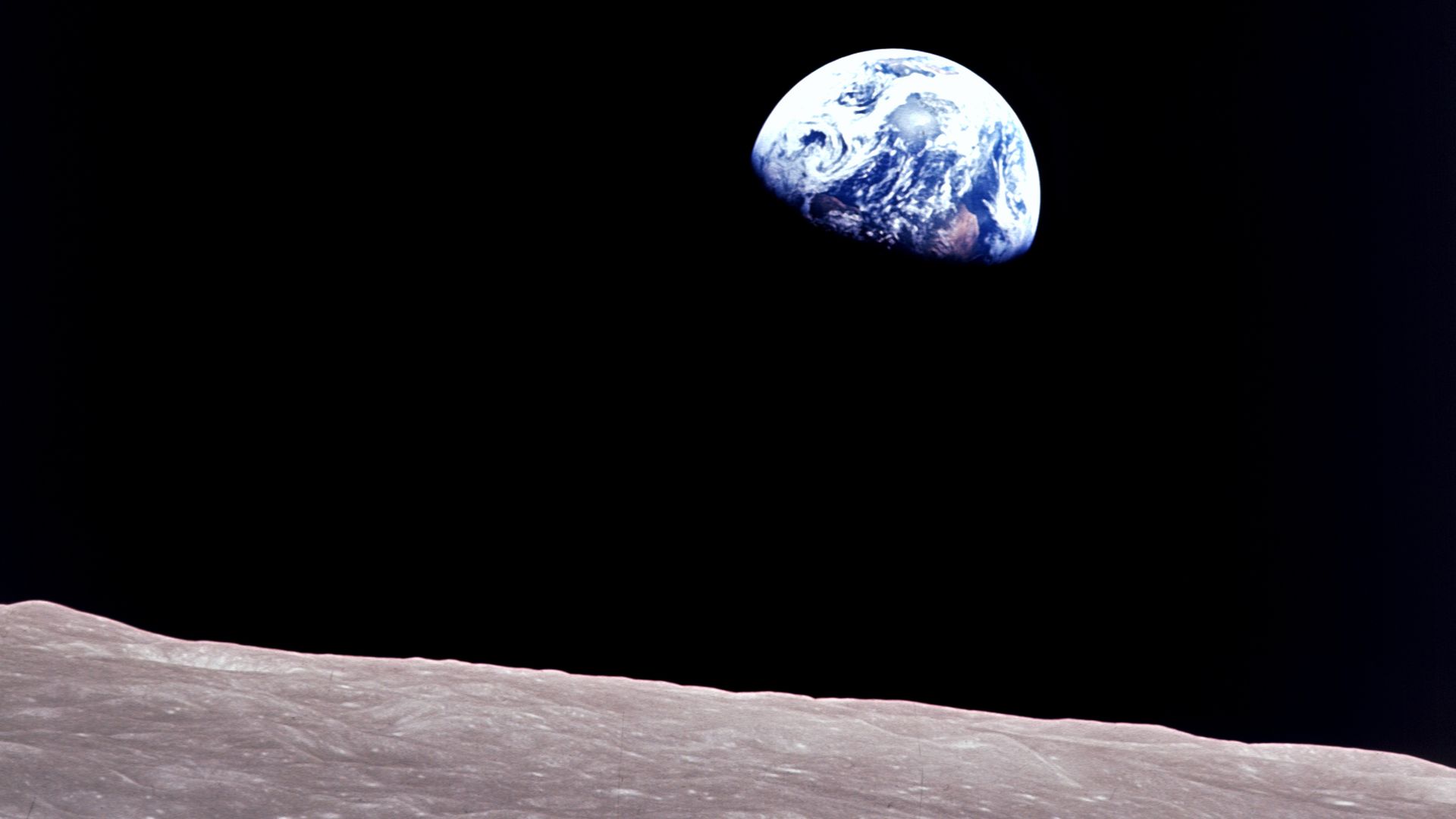
NASA is loosening some of its guidelines around how to best protect the Moon and Mars from contamination by Earthly microbes that could be introduced by robotic and human missions.
Why it matters: Planetary protection measures are designed to help make sure that, if scientists ever do find life on another world, it isn't just our own microbes that got a toehold elsewhere after hitching a ride to distant space.
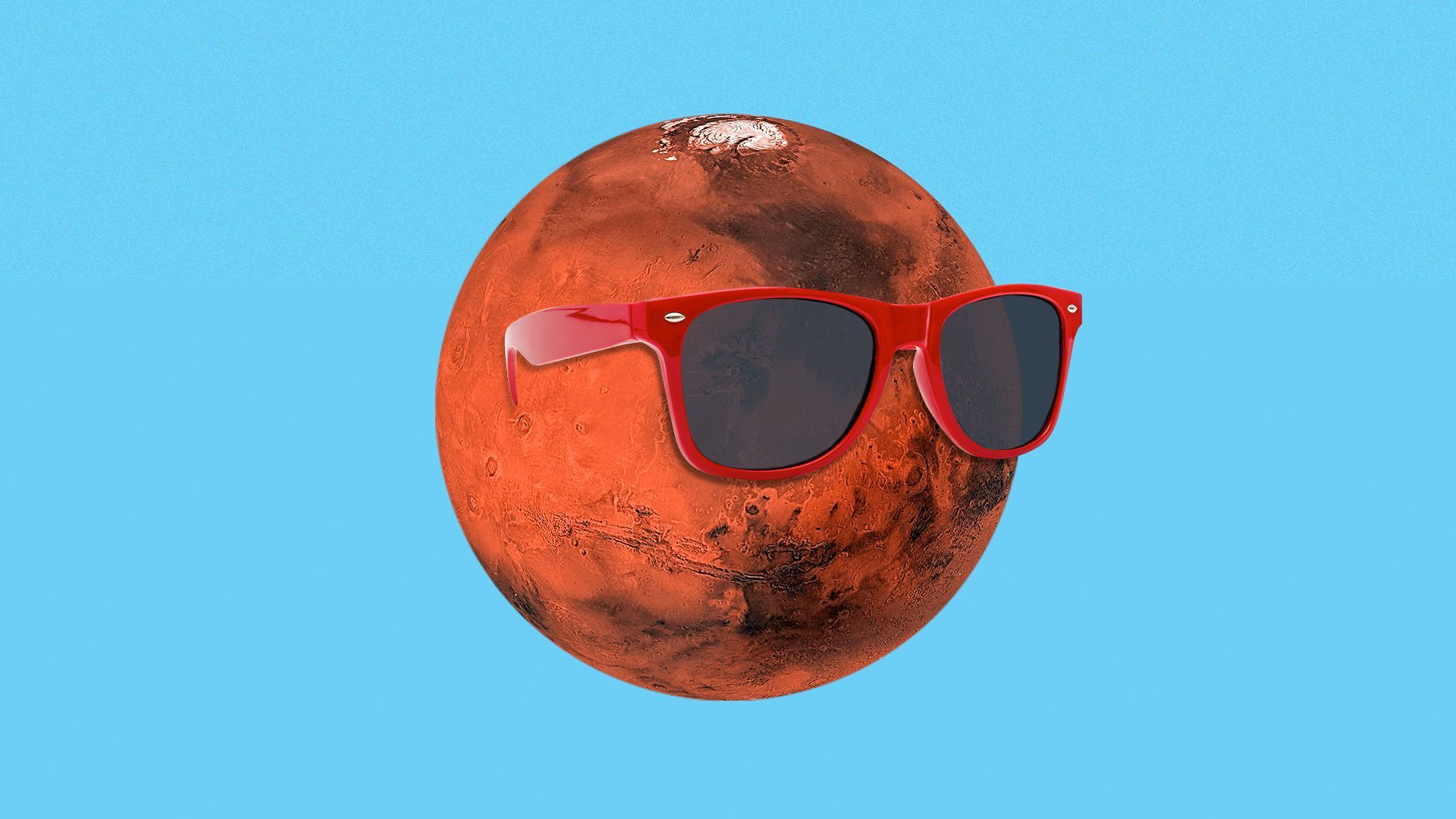
Three missions from three different nations are heading to Mars in the next month — including one from the United Arab Emirates, a newer player in planetary exploration that is expected to launch its first spacecraft to the Red Planet Thursday.
Why it matters: More nations are now going to space as the costs of launch and development are driven down. Mars is a step farther that is reserved for those with the most ability and resources — missions to the planet are a mark of scientific and technical prowess on the global stage.