A planned network of satellites — called the Chameleon Constellation — represents a new, flexible way of building and using fleets of satellites.
Why it matters: At the moment, it takes years, if not decades, to build and deploy satellite constellations in part because of the software and hardware development that needs to happen on the ground ahead of launch.
A series of photos of young stars with disks of planet-forming debris around them shows the rich diversity of how distant worlds form in our galaxy.
Why it matters: Researchers have been piecing together how our solar system came to be for decades, but being able to look out at other stars with their own new systems of planets can help turn back the clock to understand the evolution of our solar system and others like never before.
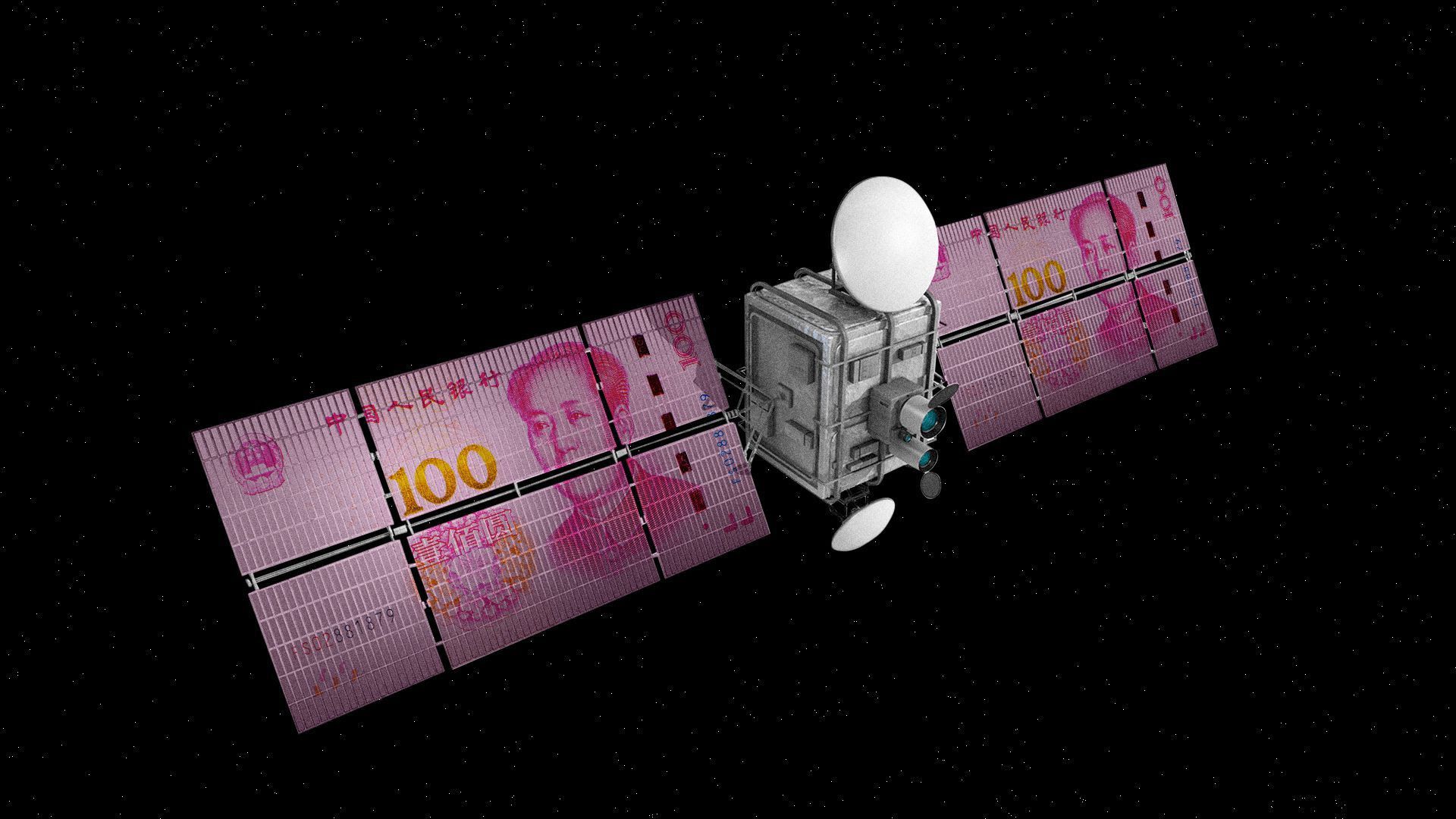
China’s commercial space ambitions stretch far beyond the industry’s current domestic focus, with plans to use private space capabilities to help bring Chinese influence to the world.
Why it matters: Space is a cornerstone of the global race for tech supremacy, and China wants to dominate from both a governmental and commercial standpoint.
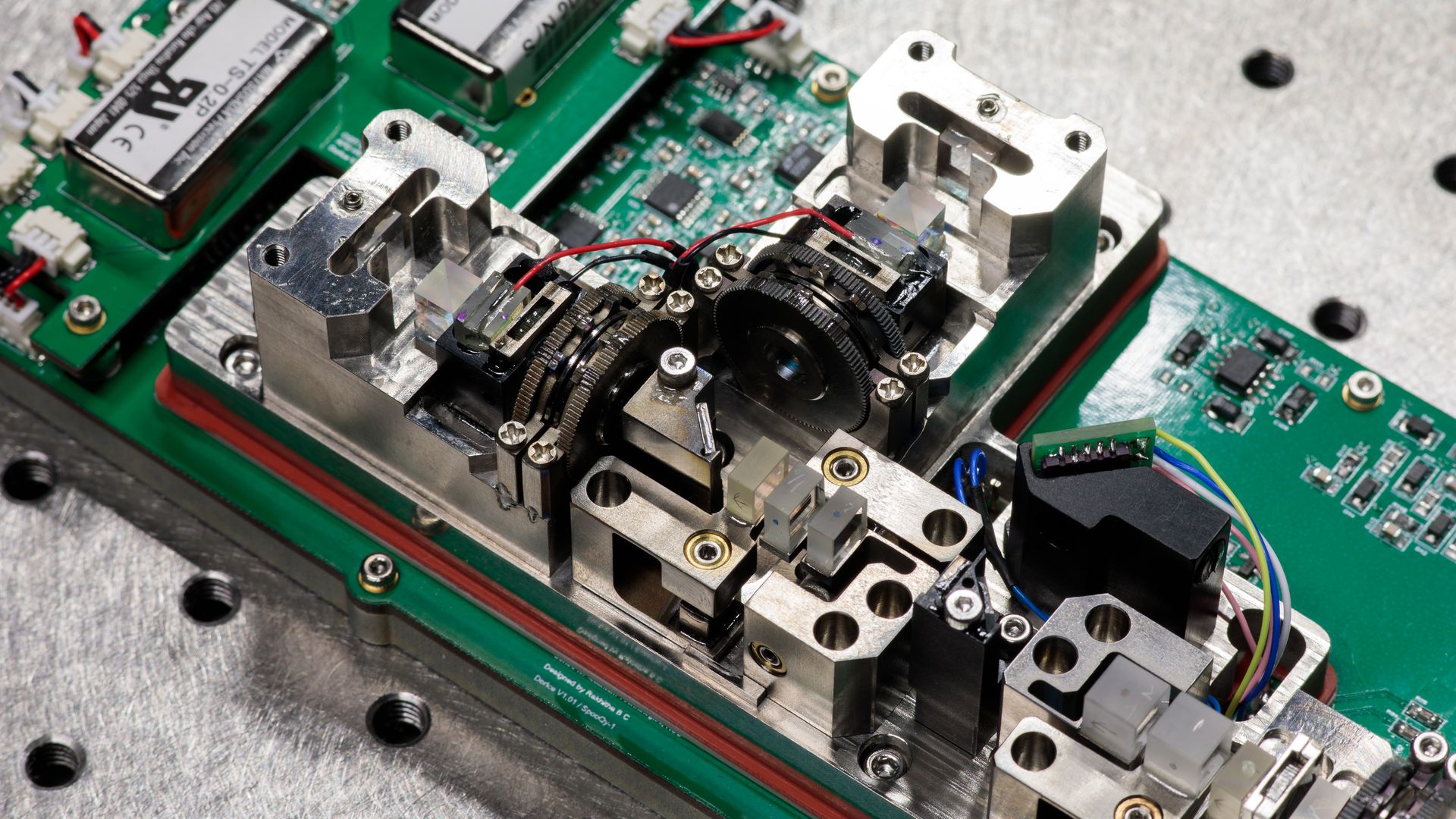
A nanosatellite can be used to produce a detectable quantum signal in space, researchers report.
Why it matters: Researchers envision creating global quantum communications networks, but quantum signals can't currently be transmitted long distances. Constellations of small, relatively less-expensive satellites that beam the signals from space to receivers on Earth have been proposed as a way to circumvent the problem.