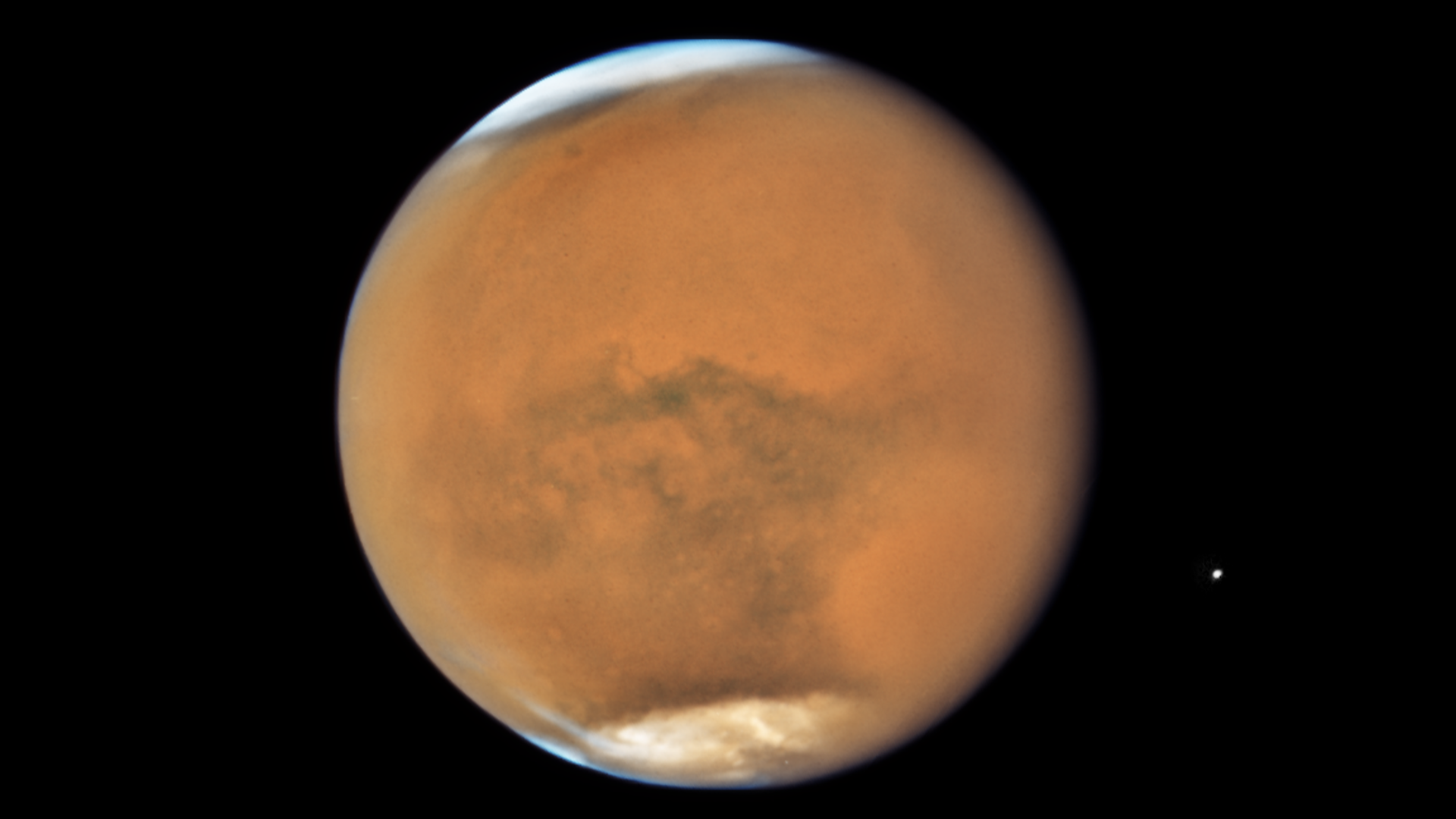
Seasonal flows of extremely salty water on Mars could be longer-lasting and more frequent than initially thought, though they likely aren't suitable to life as we know it, according to a study in the journal Nature Astronomy this week.
Why it matters: If these brines on the Red Planet are not habitable for microbes as we understand them, then scientists may not need to worry about potentially contaminating these regions during future missions, opening up new avenues of exploration on Mars.
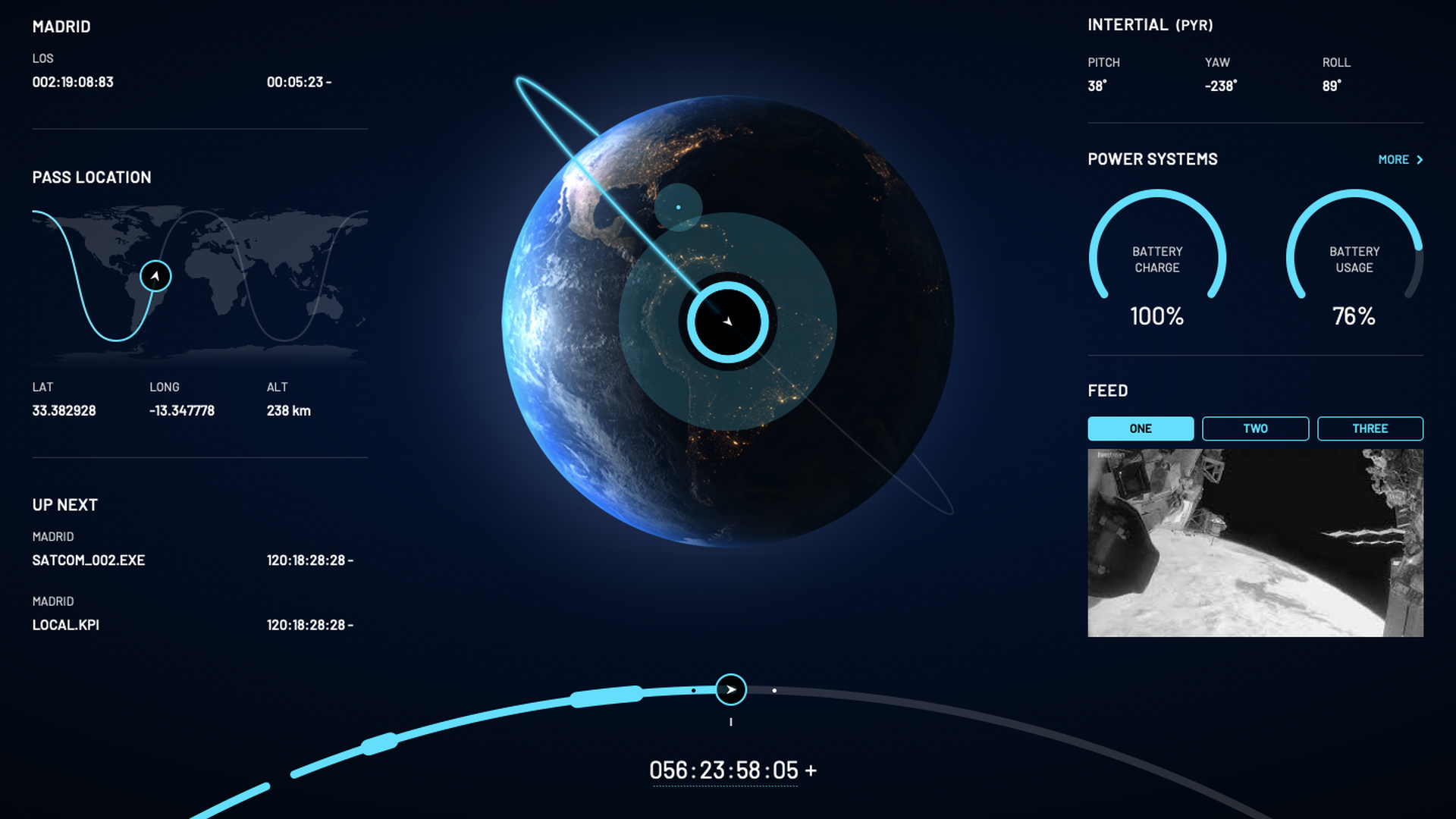
A new tool for satellite operators could allow one ground controller to keep an eye on dozens of spacecraft at once.
Why it matters: Today, satellite operators are only able to control three to five satellites at a time. With potential mega-constellations of hundreds or thousands of satellites coming online, companies and governments will likely need to find ways to scale up their operations rapidly.
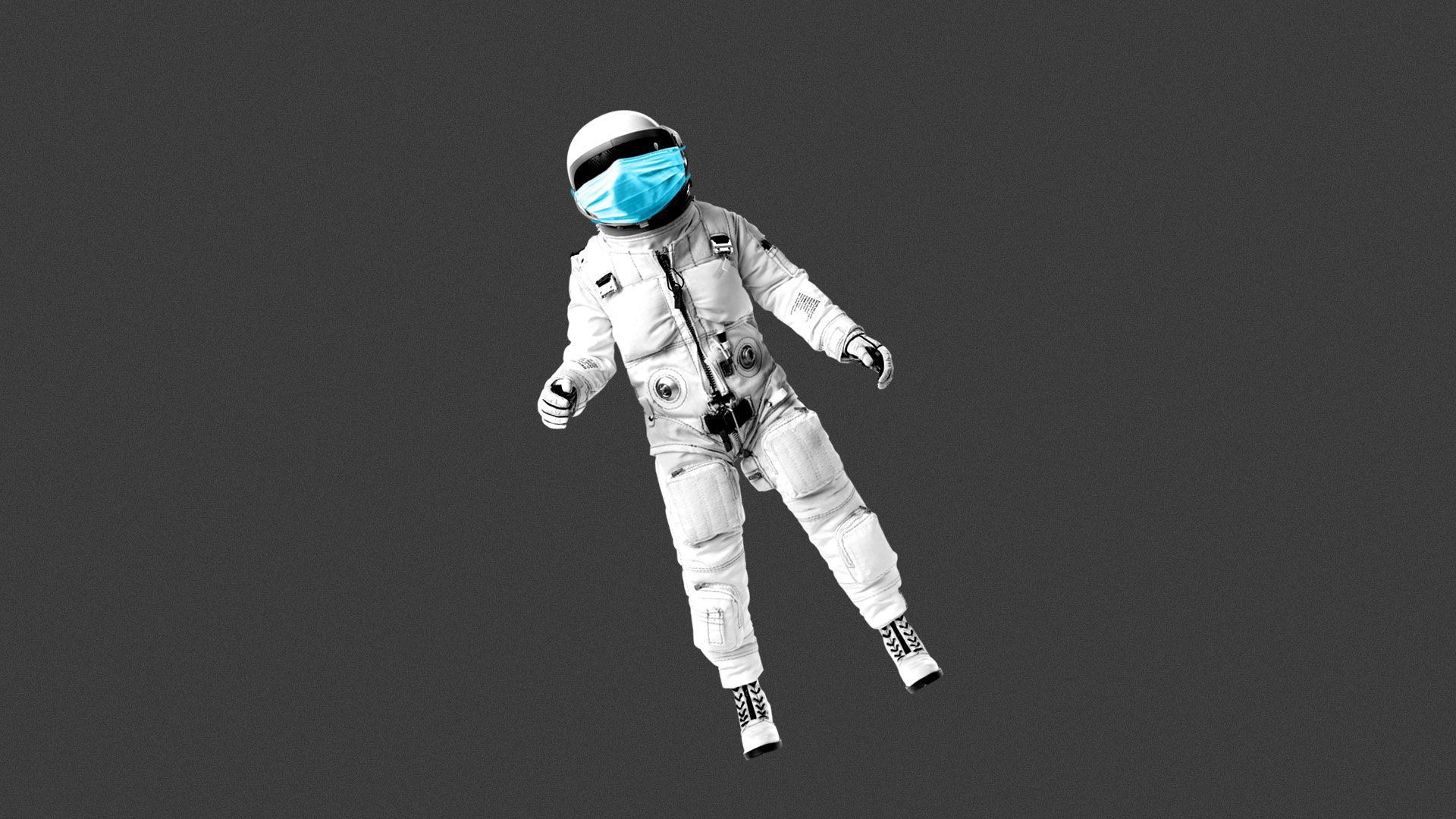
The coronavirus pandemic is pushing back major astronomy projects and threatening to unravel some of the gains made toward increasing diversity among researchers in the field.
Why it matters: Depending on how long the crisis lasts, it could affect our understanding of the cosmos for years to come by delaying scientific efforts that will help find new asteroids and gather data about distant stars and galaxies.
Weather forecasts draw on data collected by commercial aircraft, and the sudden drop in passenger flights may be impacting meteorology as we head into hurricane season. Dan digs in with the Washington Post's Andrew Freedman.