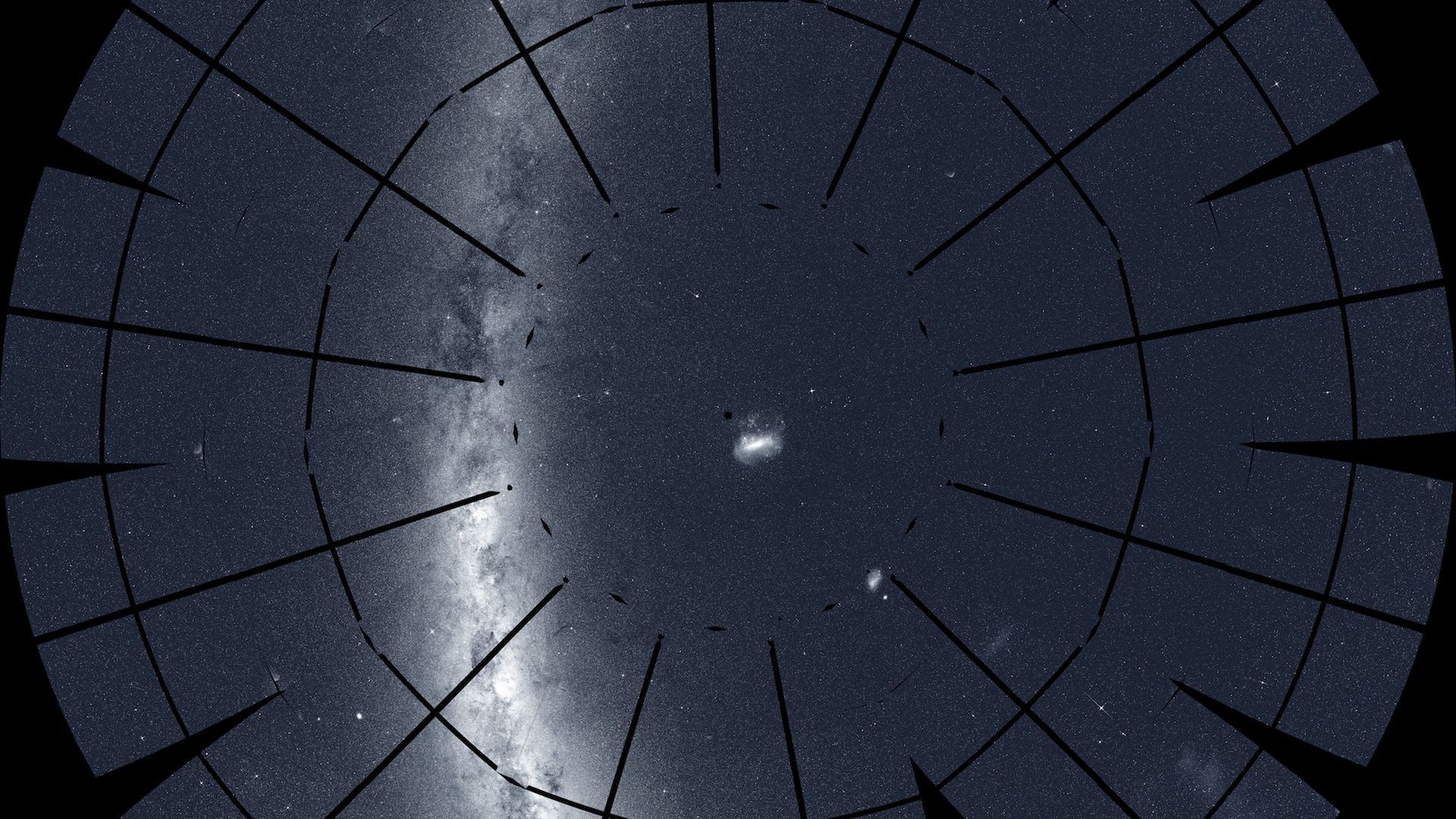
The Milky Way shines in a photo taken by a space telescope designed to hunt for planets circling stars far from our own solar system.
Details: The image by NASA's TESS was released on Nov. 5 and was created by piecing together 208 photos taken by the telescope during its first year gathering science from orbit.
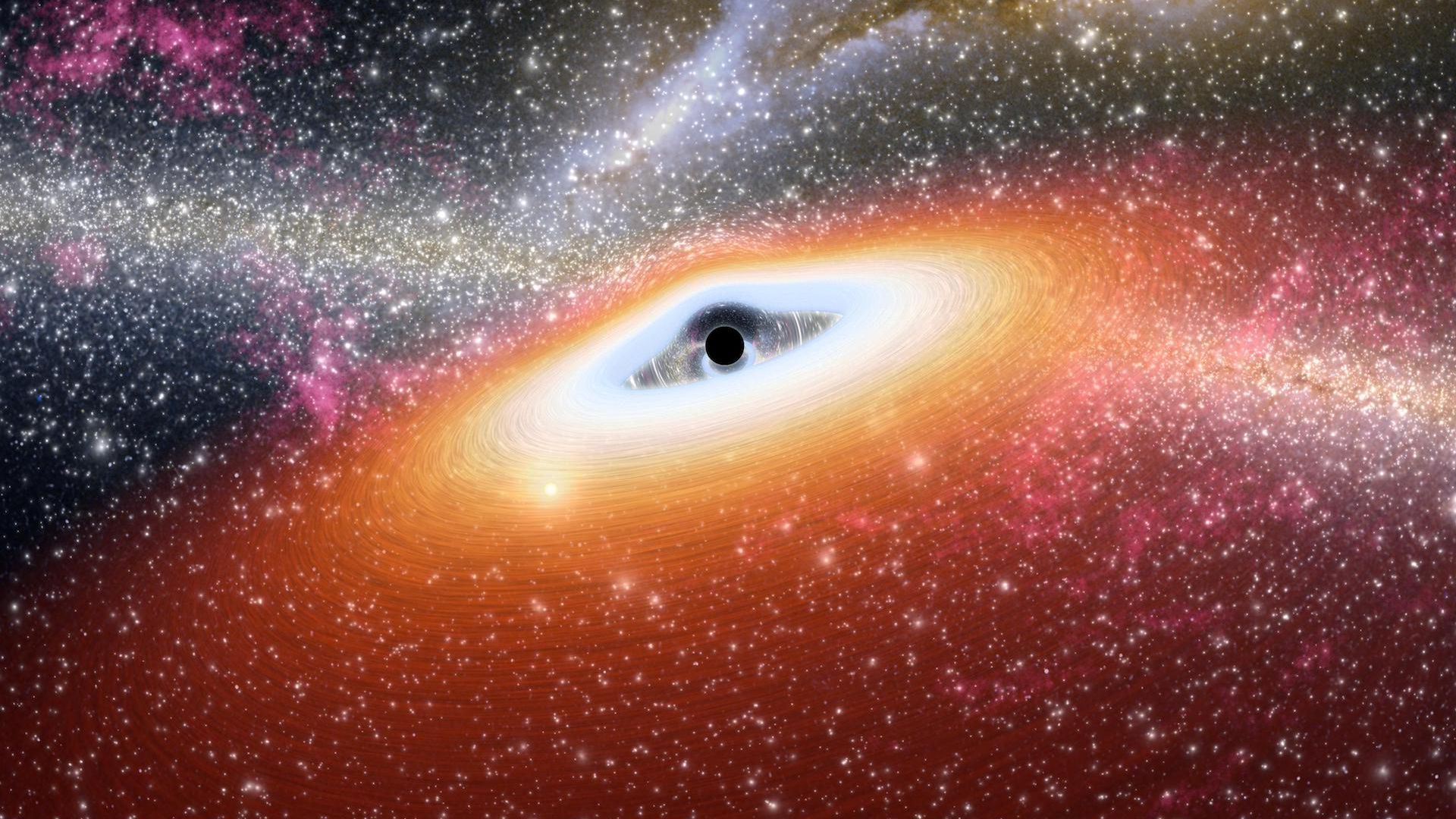
Scientists may need to cast a wide net, searching across a range of frequencies in order to find never-before-observed intermediate-mass black holes if they crash together in deep space, according to a study in Nature Astronomy this week.
Why it matters:Intermediate-mass black holes — those that are 100–100,000 times the mass of the Sun — represent a gap in humanity's understanding of the universe and could be key to figuring out just how our cosmos evolved over time.
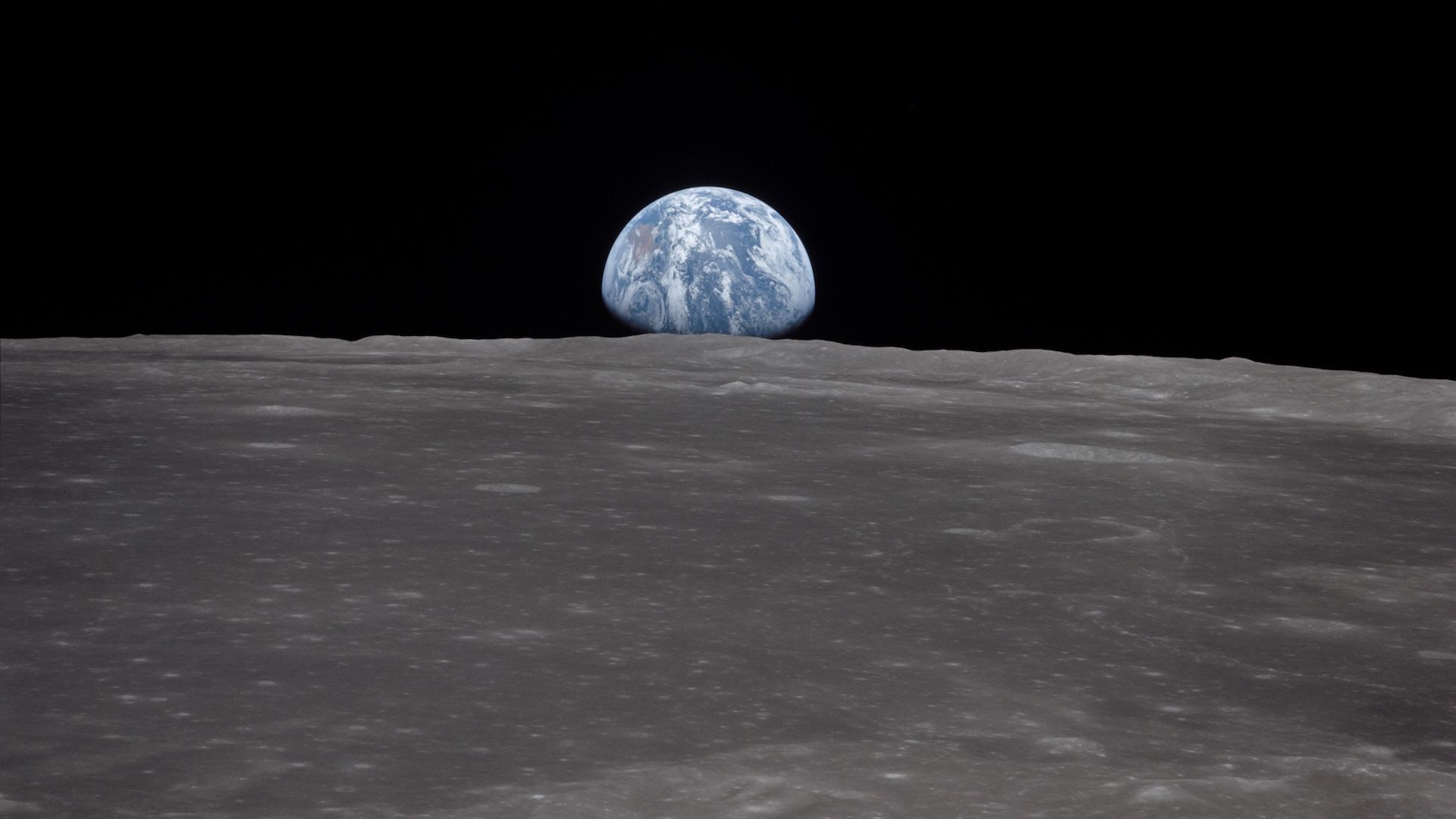
A new report paints a stark picture of NASA's progress toward accomplishing its Artemis mission to the Moon in 2024.
Why it matters: The report from NASA's inspector general — and others like it — reveals some of what lurks below the positive face the space agency puts forward announcing its accomplishments and hyping its future endeavors.
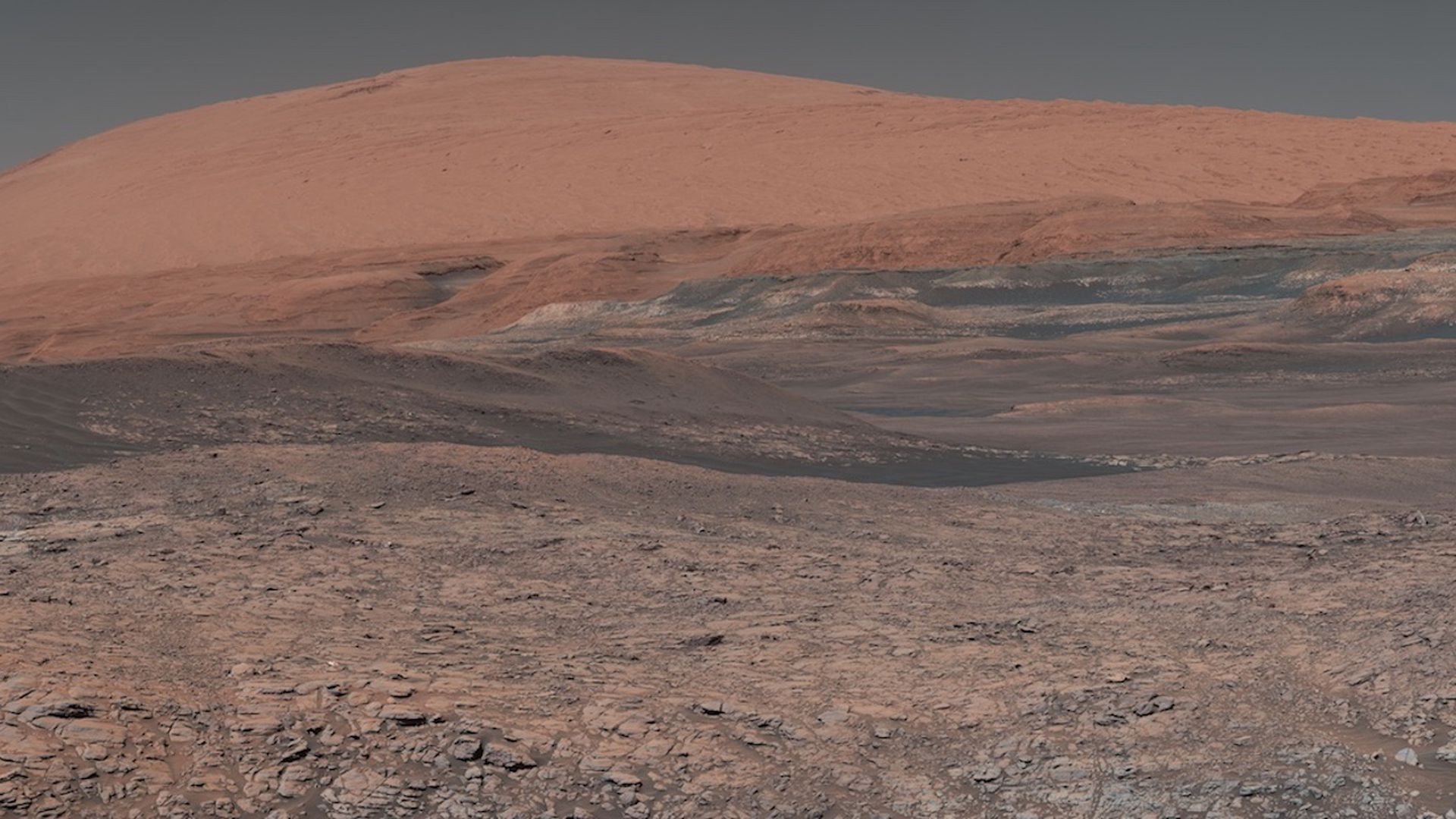
After decades of sending missions to Mars, NASA is now zeroing in on regions of the red planet that they think have the best chance of determining whether the world has hosted — or hosts — life.
The big picture: Scientists are now able to point to parts of Mars that were once likely wet and warm, with geological signatures similar to the rivers, deltas and lakes on Earth — upping the odds that those parts of Mars could have once been friendly to life.