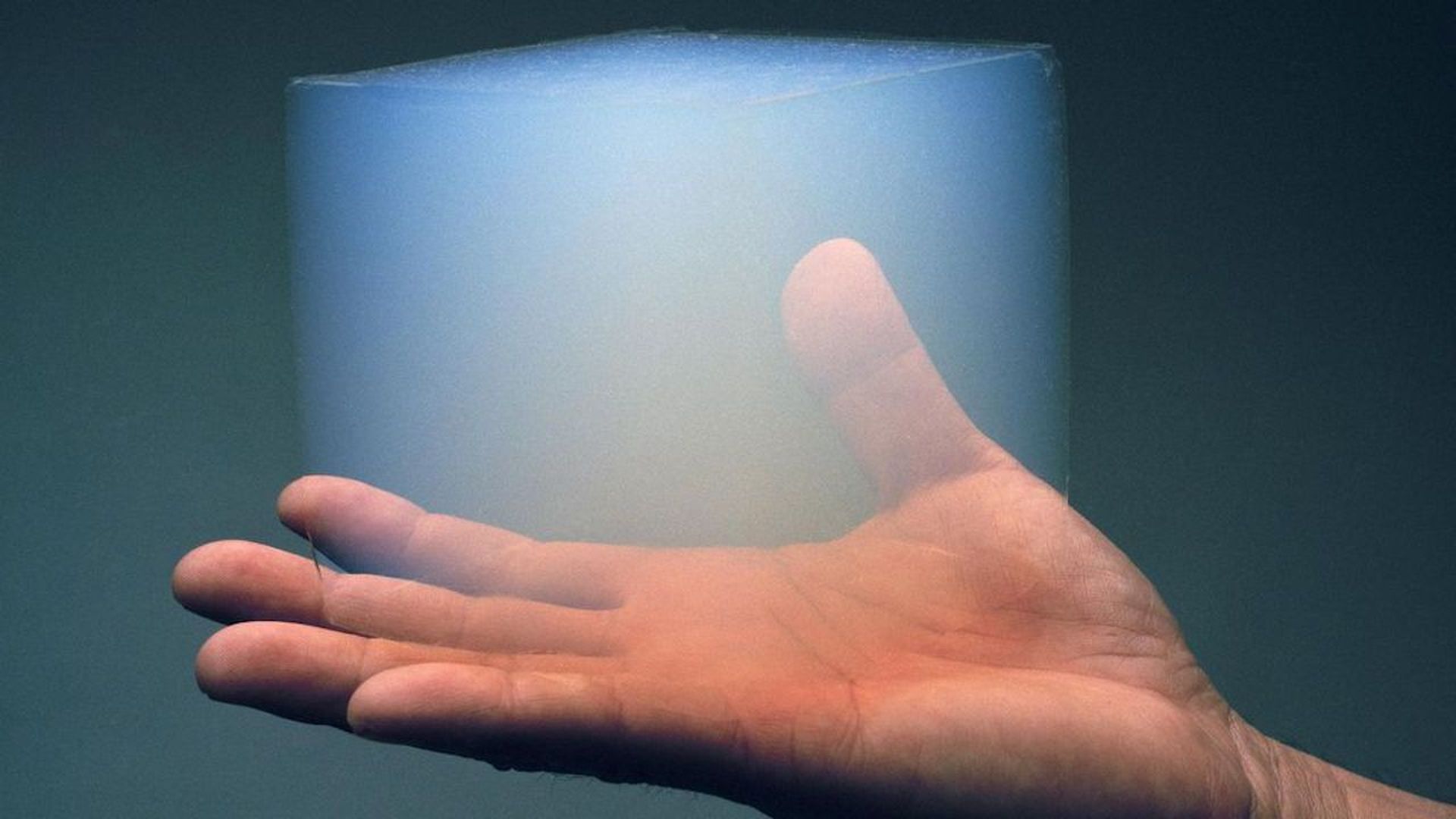
Future space explorers might be able to use a silica aerogel — a porous, extremely light solid material — to insulate greenhouses and other structures on Mars, a study in the journal Nature Astronomy this week shows.
Why it matters: Most schemes to allow people to live on Mars include some kind of extreme attempt to make the planet itself livable though terraforming, but the new aerogel could prove a simple and low-tech solution for habitability.
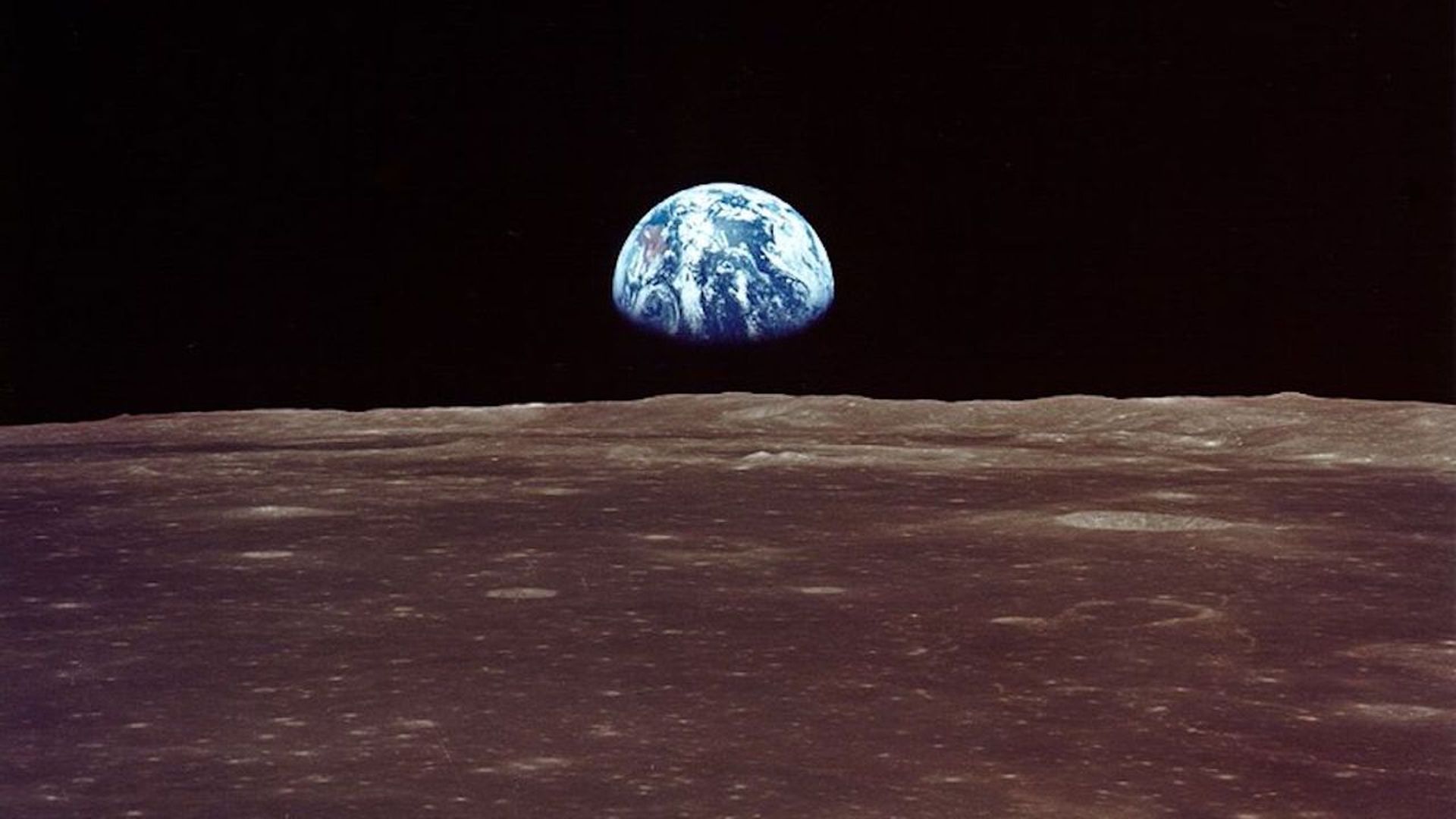
Fifty years after NASA first landed people on the Moon with its Apollo program, it's now aiming to do it again, but the storied space agency has a long way to go before it can get there.
Driving the news: Last week, NASA administrator Jim Bridenstine reassigned Bill Gerstenmaier, a beloved figure at the agency, from his role as the head of human exploration and operations.
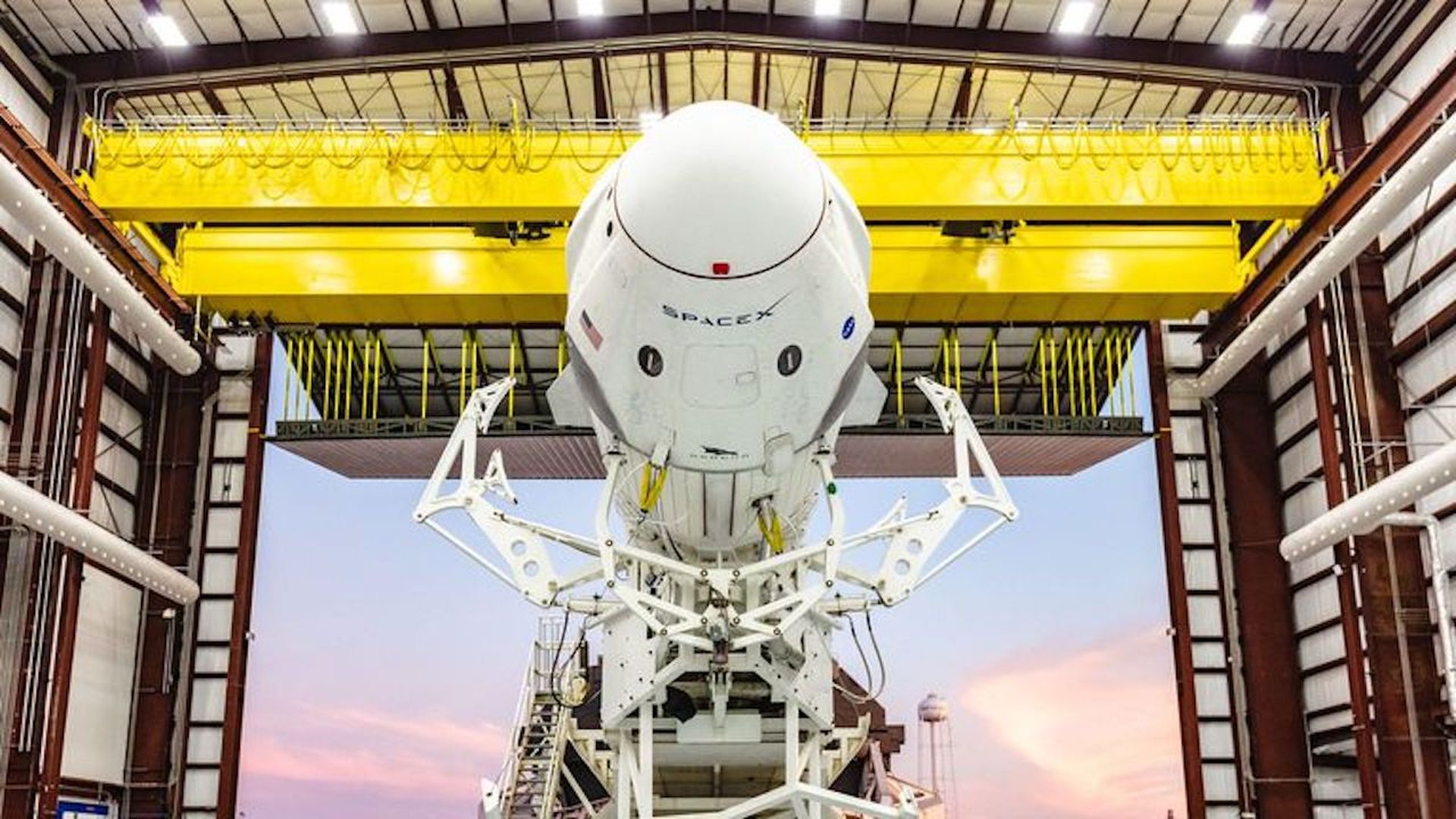
SpaceX has pinned down the cause of an explosion that destroyed one of its Crew Dragon capsules on a test stand on April 20.
Why it matters: The stakes are high for SpaceX. NASA has a contract with the company to use its Crew Dragon capsule to fly astronauts to and from the International Space Station.
UbiquitiLink has raised $5.2 million from Revolution's "Rise of the Rest" Seed Fund and Blazar Ventures, Axios has learned, bringing the commercial space startup's total funding to $12 million.
Why it matters: Falls Church, Va.-based UbiquitiLink is testing the first "cell towers in space" to provide satellite-powered internet service — directly to consumers' cellphones — in rural and unserved areas. According to FCC data, 31% of rural residents don't have fixed broadband service.