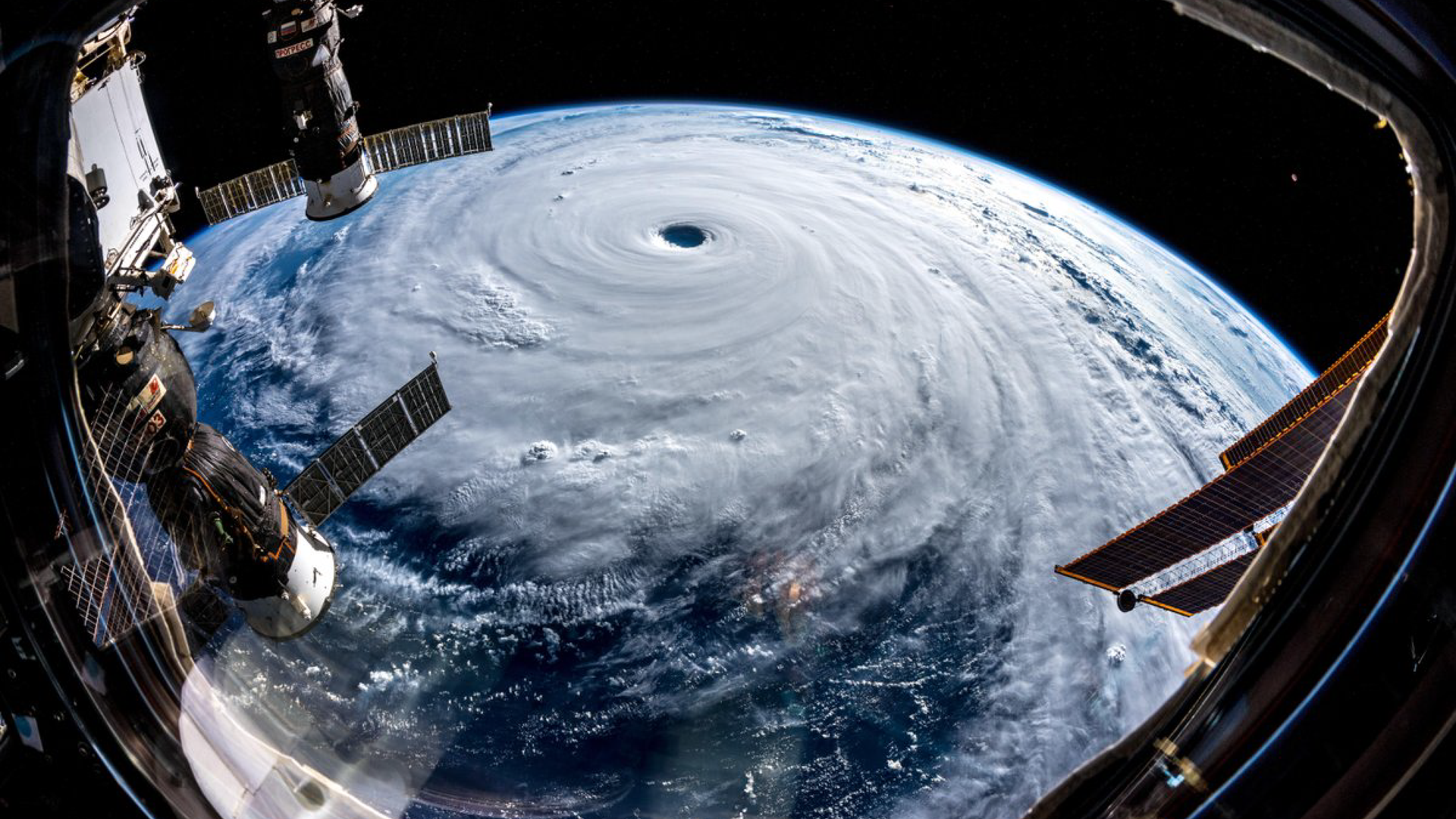
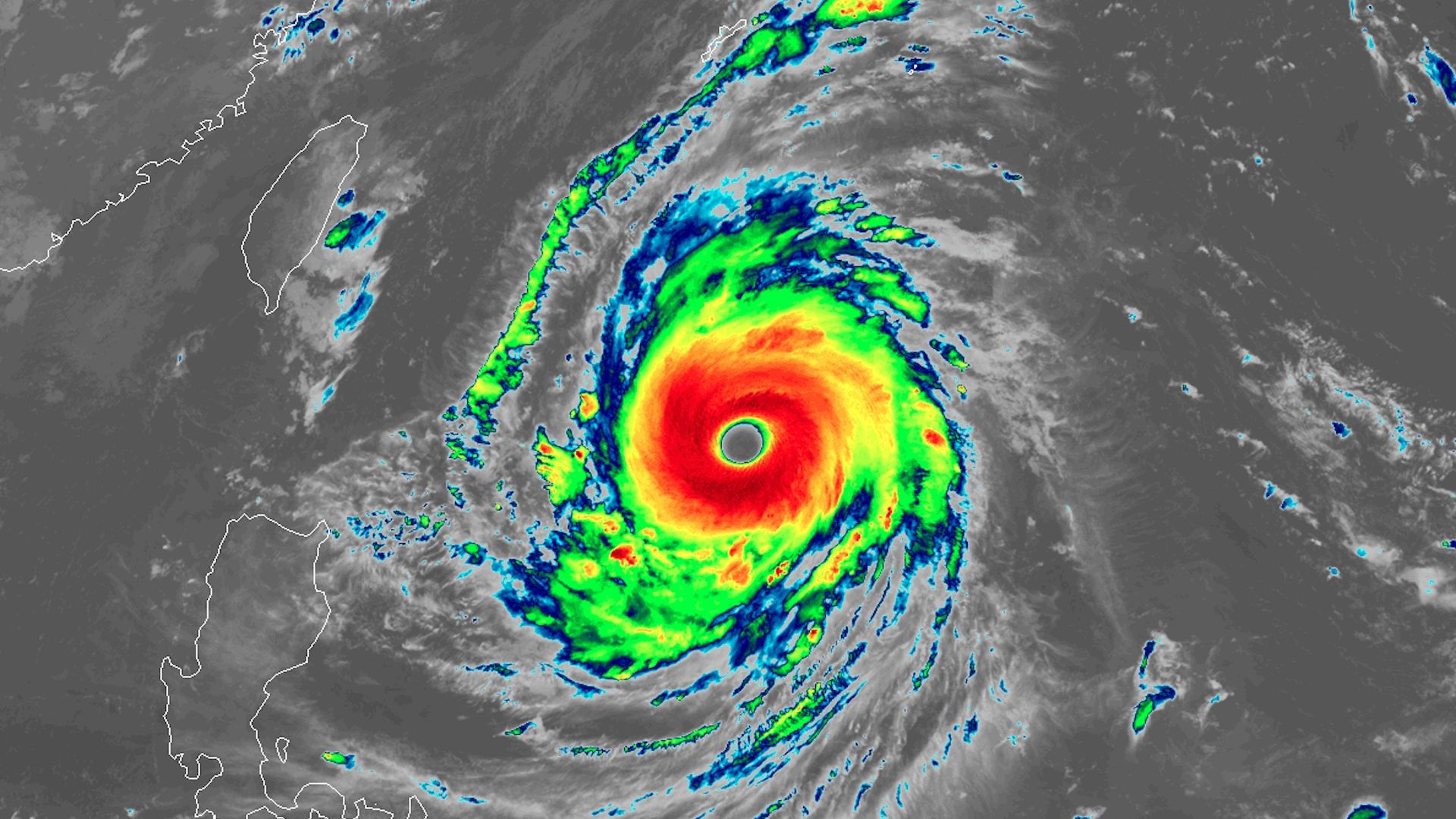
Super Typhoon Trami, which as of Tuesday afternoon was the equivalent of a Category 4 hurricane, is projected to hit Japan this weekend. The storm is likely to be weaker by then, but it will follow on the heels of severely damaging Super Typhoon Jebi, which brought a record high storm surge to Osaka Bay, flooding Osaka Kansai Airport.
The big picture: Super Typhoon Trami is one of the more powerful — and photogenic — storms to form in the northern hemisphere so far this year. Yet again it appears Japan will feel its worst effects, beginning in the Ryukyu Islands on September 28 or 29. It's also possible the storm will curve out to sea without hitting the most populous Japanese islands.
A sea level research and communications group's rapid analysis of the storm surge from Hurricane Florence has found that 1-in-5 of the homes impacted along the Carolina coast wouldn't have fared so badly had sea levels not risen significantly since 1970.
Why it matters: Sea level rise is one of the most significant effects of climate change that is already impacting society, and its footprint is only projected to grow. For example, the report also projects far more flooding from a similar, Florence-type storm in 2050.
Super Typhoon Trami exploded in intensity from a tropical storm on Saturday to the verge of Category 5 intensity on Monday. The storm is slowly moving northwestward, spinning closer to Taiwan and southwestern Japan.
The big picture: Super Typhoon Trami is expected to reach the equivalent of Category 5 intensity as it moves slowly over some of the warmest waters in the Northern Hemisphere. By Sept. 29, it will be nearing Japan's Ryukyu Islands and northern Taiwan. Given the track uncertainty this far in advance, the storm is considered a landfall threat to Taiwan.
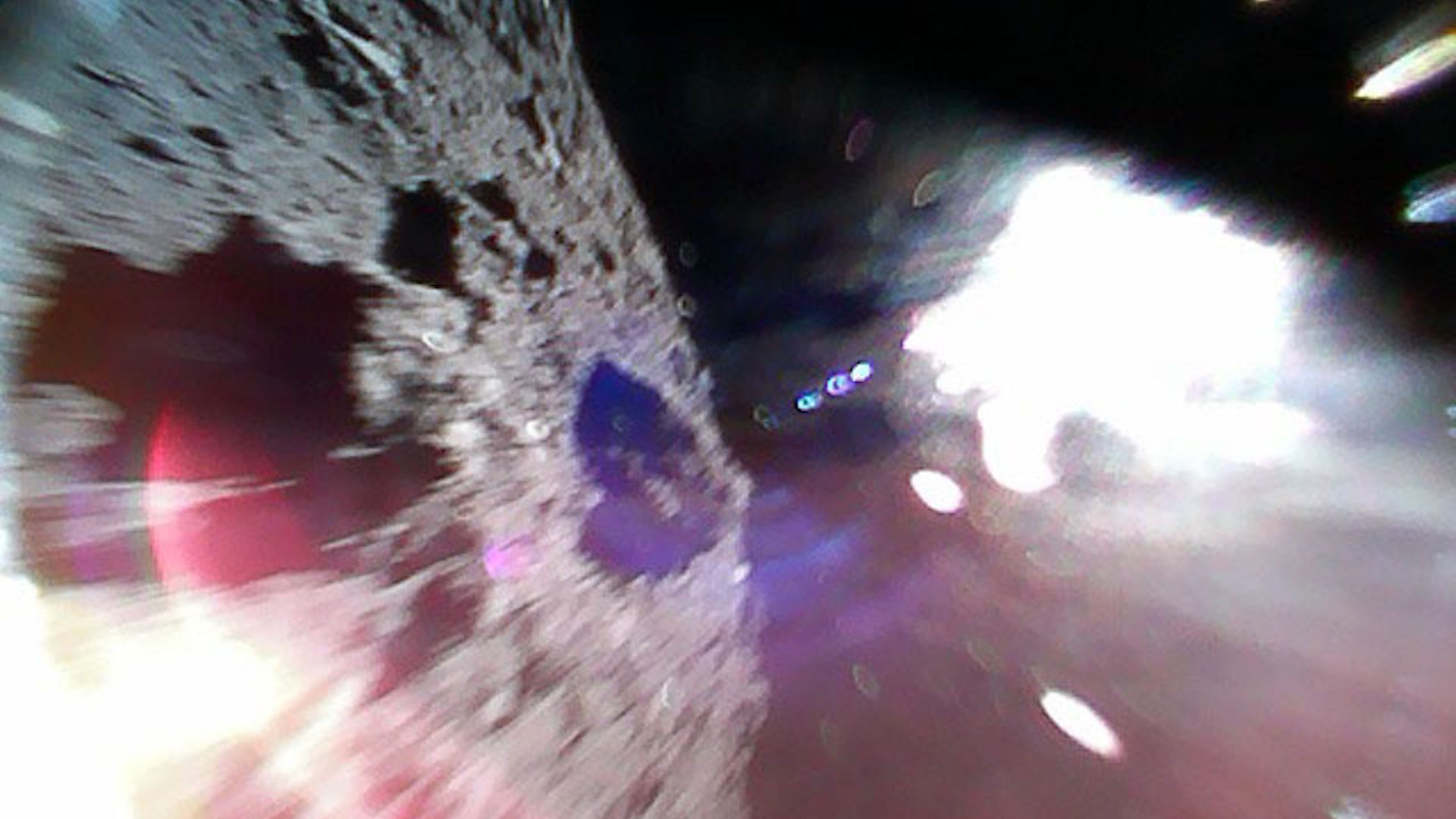
Japan's space agency (JAXA) successfully landed two robotic rovers on the asteroid 162173 Ryugu on Sept. 21, marking the first human-made robots to land, move autonomously on an asteroid surface and capture pictures.
Why it matters: The two MINERVA-II1 rovers are part of Japan's ambitious project to learn more about asteroids by deploying various robotic crafts, known as the Hayabusa2 Project.