Thursday's science stories

What the SpaceX launch might mean for exploration
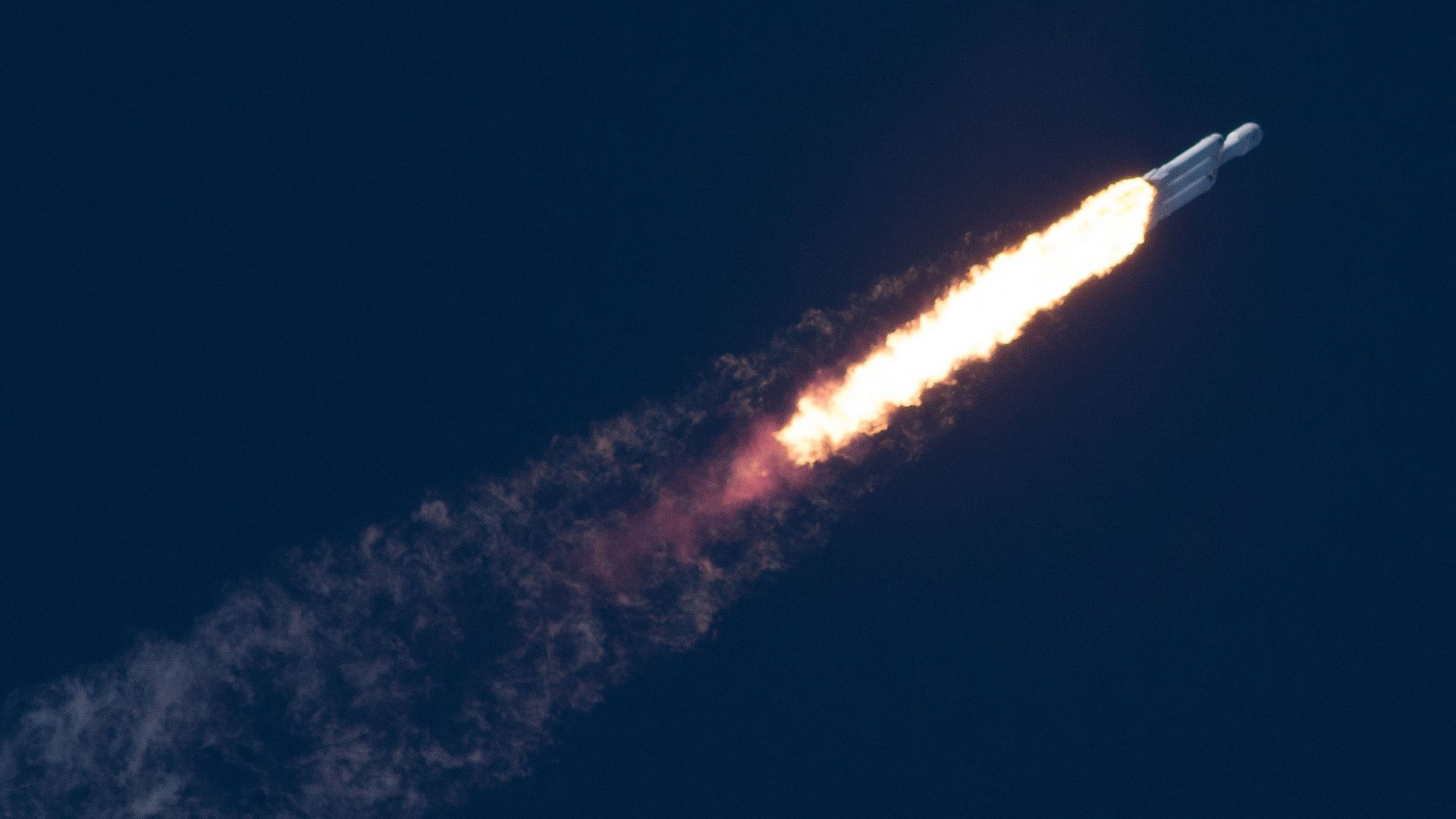
In the afterglow of SpaceX's successful Falcon Heavy launch on Tuesday, Elon Musk told reporters the reusable rocket could "launch things direct to Pluto and beyond; no stop needed. You don't even need a gravity assist."
Why that matters: Interplanetary spacecraft often rely on the gravitational forces of planets to reach their targets — because that method takes less fuel and a smaller rocket. Cassini was boosted to Saturn by Venus, Earth and Jupiter, for example. If the Falcon Heavy and any successors can provide a direct route to the outer solar system, it would save time (and money) and could therefore mean more missions.

SpaceX launch a success
The FalconHeavy launch was a success. Both boosters landed (perfectly in sync). The core appeared to run out of igniter on 2/3 engines, and hit the water at 300mph (stay tuned for possible video of the crash). Shrapnel from the crash seems to have damaged the droneship.
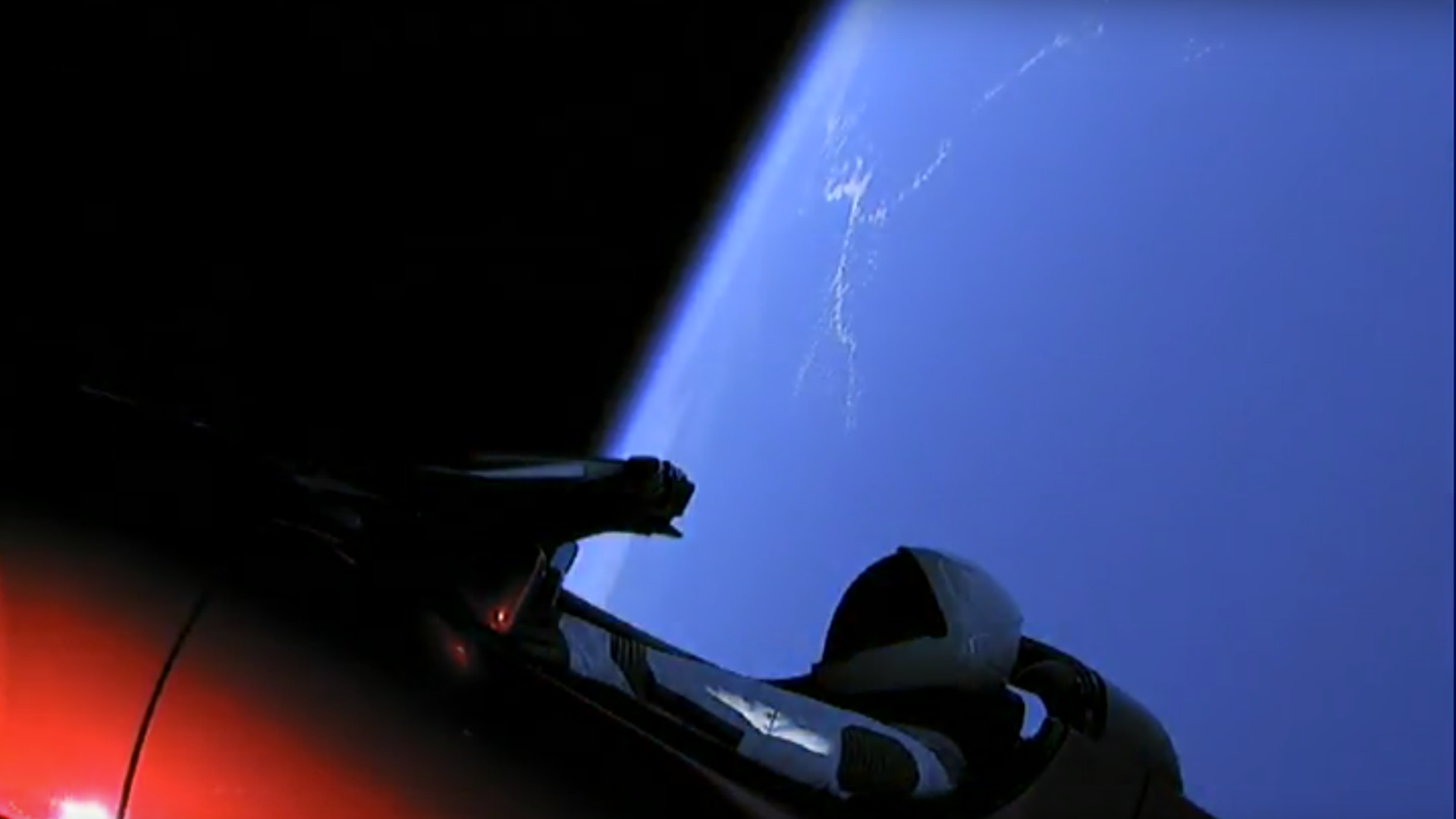
- What's next: The final payload will deploy Musk's cherry-red Tesla roadster into a highly elliptical orbit around the sun. As of 7:00 PM, it was making its way through the Van Allen radiation belts, and in just a few hours will begin the final burn towards Mars.
- Why it matters: It's a big step towards affordable, airplane-style space commerce. The FalconHeavy is less expensive than comparable rockets and can carry twice the weight of other rockets.
Note: This story has been updated with additional information about the core booster. More will be added as the payload is deployed into orbit.