Friday's science stories

Third set of gravitational waves detected, Einstein's theory holds
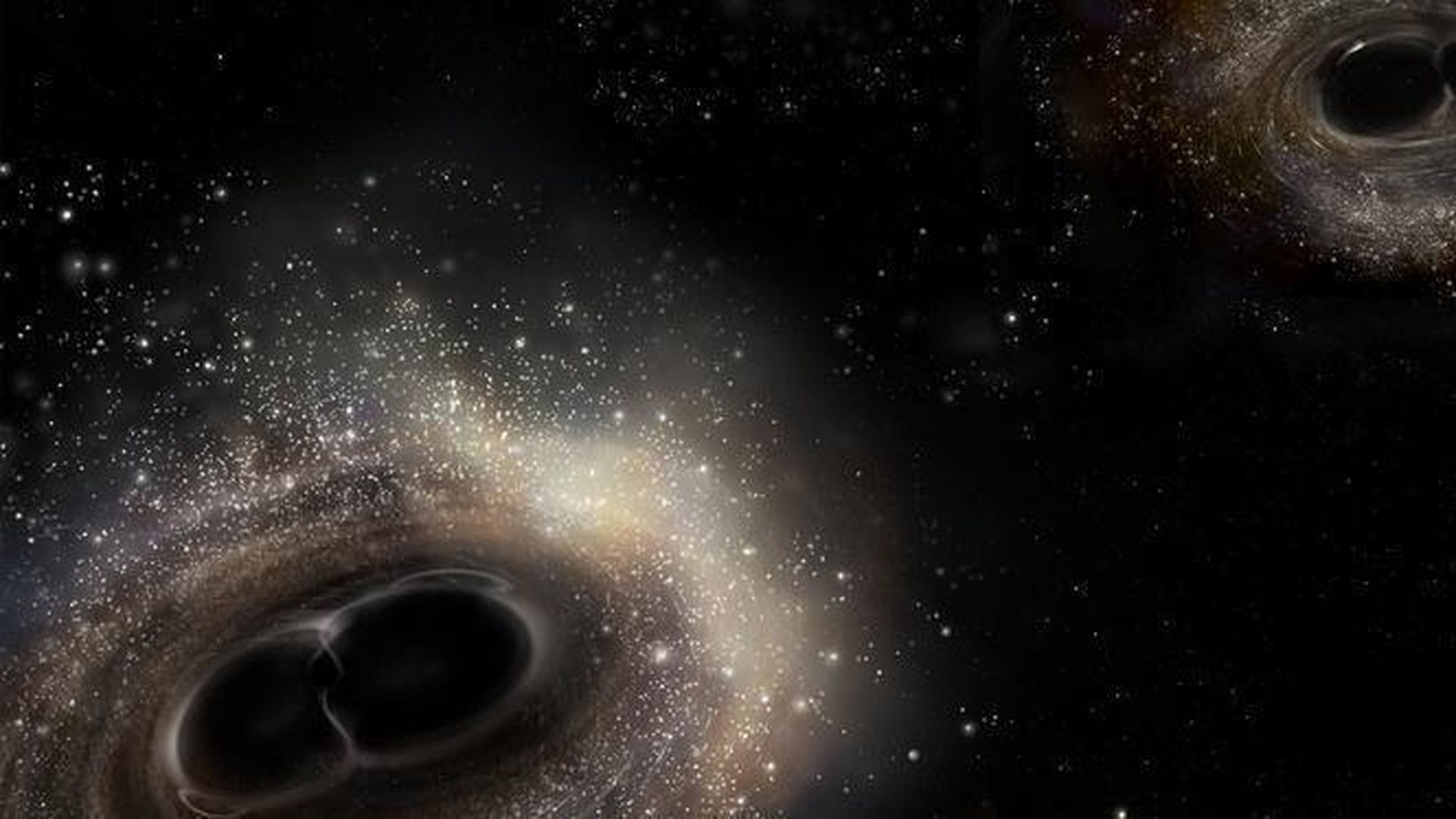
The Laser Interferometer Gravitational-wave Observatory (LIGO) has detected gravitational waves, ripples in space and time, from a third pair of black holes that collided. The merger took place 3 billion light-years away, which is the farthest distance yet, and was observed during LIGO's current run, which started November 30 of last year.
- The previous two observations occurred in September and December of 2015, and respectively are 1.3 billion and 1.4 billion light-years away.
What we know now:
- How black holes join in pairs. As black hole pairs spiral around each other they rotate about their own axes, sometimes in the same direction as the orbital motion — but this is the first time at least one of the black holes may not have been aligned with that motion. That implies this black hole pairing could have formed later in their lives. The other theory purports that black holes join in pairs as they are born together, which happens when each star in a pair explodes, thus leaving the black holes spinning in alignment since the original star pair spun in alignment.
- The scientists tested Albert Einstein's general theory of relativity, and it held. The theory says that as black holes orbit around each other they lose energy through gravitational waves, or more simply, that massive objects cause distortions in space-time, which results in what we experience as gravity.
What's next: The project will likely expand its network of detectors by this summer to better pinpoint the signals, according to a spokesperson from Virgo, one of the collaborators on the program. The LIGO's next run is in 2018 and National Science Foundation director France Córdova predicts the LIGO will one day deliver observations daily.
Why the mid-Atlantic sky might look red or green this morning
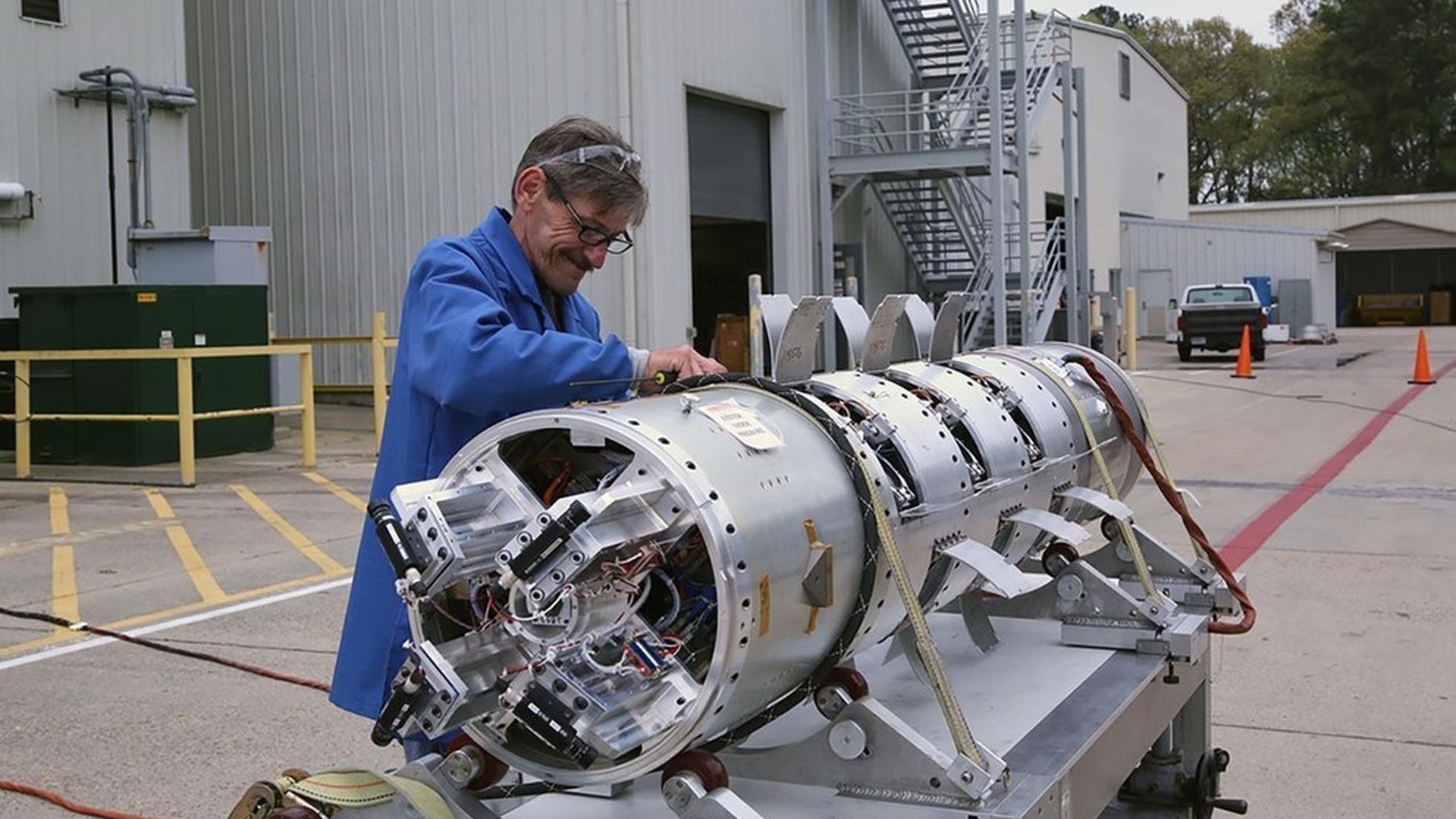
For all you early risers on the Mid-Atlantic coast (New York to North Carolina and westward through Charlottesville, Virginia), the sky is likely to light up red or green between 4:27am and 4:42am Thursday. But don't freak: NASA is launching a two-stage Terrier-Improved Malemute sounding rocket to enhance scientists' ability to study the ionosphere and aurora, and that's going to cause the color change.
What a sounding rocket is: A canister-filled rocket — there's 10 canisters to be exact, each about the size of a soft drink can. Each will be deployed about four to five minutes after launch, giving a view of vapor tracers that are formed when barium, strontium, and cupric oxide interact at 96 to 124 miles high.
Watch: If you're up but not outside, watch it here.