October 17, 2024


Hello, Thursday. We've got a field guide to the leading PBM bills that could help offset new spending in a year-end health deal.
🚨 Situational awareness: The FCC is rolling out a revamped map showing where internet access can improve maternal health care, our Pro Tech colleague Maria Curi scoops.
1 big thing: The PBM bills in play for a lame duck

If there's one health issue that's consistently been on the minds of lawmakers on both sides of the Capitol, it's been PBM reform, Peter and Victoria report.
Why it matters: A desire to address PBMs' role in drug pricing has translated to a lot of bills — a handful of which remain in play for inclusion in a year-end funding package.
The projected savings from any of these could provide valuable offsets to other health programs. The most likely outcome, if a health package does come together, is combining pieces from some of the following:
Senate
Senate Finance package (includes Modernizing and Ensuring PBM Accountability Act)
- What's inside: Measures including delinking PBM compensation from the price of a drug in Medicare Part D, preventing the use of spread pricing in Medicaid, and lowering patient costs for certain drugs in Part D by basing cost-sharing off the net price rather than the list price.
- Savings: Roughly $1 billion in net savings from the Finance PBM provisions. A source familiar said the expectation is that savings will be even higher based on unspecified additional work on the policies over the past year.
- Outlook: The Finance package is among the likeliest prospects to make it into law, considering the 26-0 vote it got in committee, and the fact that it is limited to Medicare and Medicaid and wouldn't extend to the commercial market.
Senate HELP bill (Pharmacy Benefit Manager Reform Act)
- What's inside: New transparency reporting requirements for PBMs, a ban on spread pricing, and a requirement to pass on all rebates to the plan sponsor.
- Savings: CBO hasn't released a score.
- Outlook: The bill advanced out of committee with just three GOP "no" votes. But the policy changes would apply to the commercial market, which has been a source of friction with some House Republicans.
Senate Commerce bill (Pharmacy Benefit Manager Transparency Act)
- What's inside: It, too, would ban spread pricing, but exempt PBMs that meet requirements like passing through 100% of rebates to the plan sponsor and complying with transparency measures.
- Savings: Saves $740 million over 10 years, per a preliminary CBO estimate.
- Outlook: The measure advanced out of committee on a 18-9 vote — a sign of bipartisanship, but not as strong as other panels. Some Republicans, like Ranking Member Ted Cruz, are concerned that it would give expanded power to the Federal Trade Commission and its chair Lina Khan.
House
Lower Costs, More Transparency Act
- What's inside: Transparency requirements for PBMs to provide employer plans with detailed data on drug prices and spending, and also a ban on spread pricing in Medicaid.
- Savings: CBO estimates the transparency provision would save $23 million and increase revenue by almost $2.2 billion over 10 years. The spread pricing provision would save about $1.1 billion over a decade.
- Outlook: The House passed the bill last December in a bipartisan vote, and departing Energy and Commerce Chair Cathy McMorris Rodgers is pressing the Senate to take it up, viewing PBM reform as a legacy health care item.
Telehealth Modernization Act of 2024/The Preserving Telehealth, Hospital, and Ambulance Access Act
- What's inside: Both Energy and Commerce and Ways and Means committees' telehealth bills include a delinking measure where PBMs would only receive a flat fee instead of being compensated based on the price of the drug in Medicare.
- There were also some transparency measures on drug coverage and cost.
- Cost/savings: The CBO hasn't released a score on the total telehealth package yet, but there are reports that a two-year extension could cost several billion dollars.
- Outlook: Both telehealth bills were approved unanimously by the panels this summer (the final package still likely needs to be negotiated between the two committees).
DRUG Act
- What's inside: This bill would implement delinking requirements in the commercial insurance market, prohibit steering patients to pharmacies owned by PBMs and ban spread pricing.
- Cost/savings: Rep. Mariannette Miller-Meeks' office said the commercial delinking section of the bill saves $654 million.
- Outlook: A narrower version of the bill applying only to the Federal Employee Health Benefits program was approved by House Oversight with some bipartisan support in February, but hasn't advanced further.
Pharmacists Fight Back Act
- What's inside: Branded the "most comprehensive PBM reform" bill, this measure would ban spread pricing in Medicaid and patient steering, implement a delinking policy, require rebate sharing with patients, and put in place a transparent pharmacy reimbursement model.
- Cost/savings: No CBO score.
- Outlook: The bill was just introduced this summer by a bipartisan group of lawmakers and hasn't been considered by any committee.
2. First look: Disaster aid for IV shortages

A group of Democratic lawmakers is asking congressional leaders to allocate emergency funding for the FDA to address the IV fluid shortages stemming from Hurricane Helene, Victoria reports, in a letter first shared with Axios.
Why it matters: It represents one of the first congressional requests for federal funding specifically to assist with health care-associated costs from the storm, which swamped a key manufacturing plant in North Carolina that supplies IV solutions to most U.S. hospitals.
- The request is led by Massachusetts Rep. Lori Trahan and co-signed by 45 other Democratic members of Congress.
Catch up quick: A Baxter International manufacturing plant in Marion, North Carolina, had to be temporarily closed due to damage from the hurricane.
- Baxter is now using workarounds and only able to supply products at a limited capacity.
- This situation has led some hospitals to ration IV fluids and postpone elective surgeries and other procedures.
What they're saying: "By ensuring adequate funding for the FDA, we can enhance the agency's capacity to manage the current IV liquid shortage and safeguard the health of our most vulnerable populations," the lawmakers wrote.
- Another potential solution outlined in the letter includes the FDA rapidly approving foreign supplies of IV liquids, which was done when Hurricane Maria struck manufacturing plants in Puerto Rico in 2017.
Yes, but: The lawmakers didn't specify the amount of money they're asking for the FDA.
- Because it's unlikely Congress will be called back into session before the election, any real supplemental funding effort probably won't happen until the lame duck.
3. Senate report hits Medicare Advantage plans
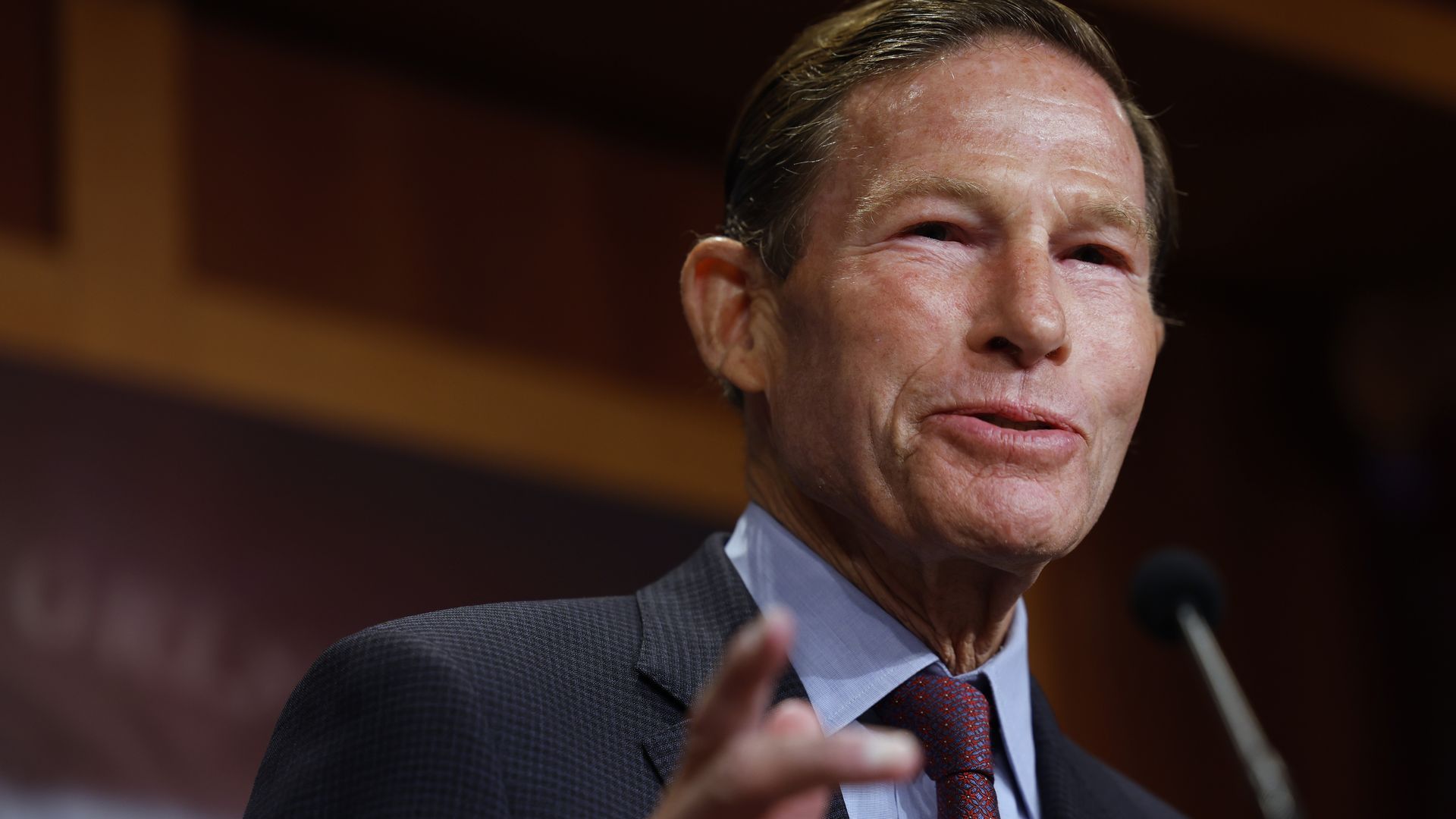
The Senate Permanent Subcommittee on Investigations released a report today that majority staff says shows how Medicare Advantage insurers purposely deny prior authorization requests for post-acute care, Victoria reports.
Why it matters: The report continues a pattern in which Democratic lawmakers are scrutinizing the Medicare Advantage program and insurers' prior authorization methods, including how they use artificial intelligence.
What's inside: Documents were requested from three top Medicare Advantage insurers: UnitedHealthcare, Humana and CVS.
- The committee said that according to documents it obtained, UnitedHealthcare's prior authorization denial rates increased annually as the insurer was implementing automated processes.
- CVS was also alleged to have used AI to reduce the amount spent on skilled nursing facilities.
- And the committee said Humana had given presentations that had information on how requests from providers for long-term acute care hospitals should be evaluated, including how to explain denials.
What they're saying: "Despite alarm and criticism in recent years about abuses and excesses, insurers have continued to deny care to vulnerable seniors — simply to make more money," said Investigations Chair Richard Blumenthal, in a statement.
- CVS Health said the report significantly misrepresents its use of prior authorization and that many of the documents cited are outdated, while others are drafts or were used for internal deliberations.
4. Catch me up: Food labeling, abortion access

- Food labeling: Senate HELP Chair Bernie Sanders plans a Dec. 5 hearing on whether the FDA should put warning labels on ultra-processed and unhealthy foods. See his letter to the FDA here.
- Abortion access: About half of both Hispanic Protestants and Hispanic Catholics support Congress passing a law guaranteeing access to legal abortions nationwide, per an AP-NORC poll.
- Change cyberattack: The Change Healthcare cyberattack has cost parent UnitedHealth $2.46 billion through the first three quarters of 2024, well above the full-year impact it predicted last spring.
✅ Thank you for reading Axios Pro Policy, and thanks to editors Adriel Bettelheim and David Nather and copy editor Amy Stern. Do you know someone who needs this newsletter? Have them sign up here.
View archive