Axios What's Next

August 06, 2024
Meal delivery services are replacing company cafeterias, Joann reports today.
Today's newsletter is 1,060 words ... a 4-minute read.
1 big thing: Work lunch, reinvented
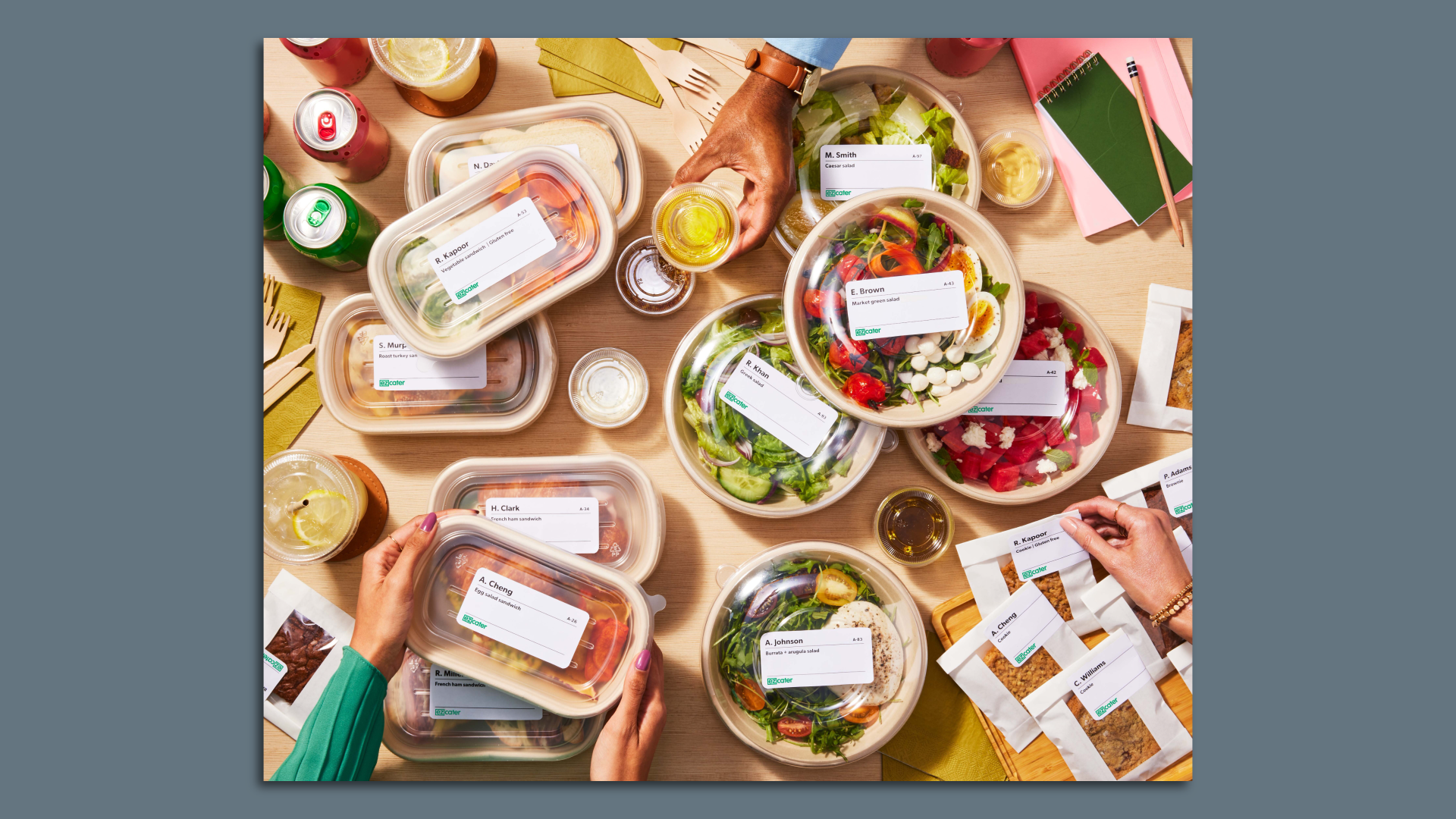
The pandemic killed the corporate cafeteria, but many workplaces are moving to more flexible options to keep employees fed — and happy.
Why it matters: Free food is a popular corporate perk, but in today's hybrid work environments, fluctuating attendance can lead to waste.
- Recurring meal delivery services like ezCater's Relish can be scaled up or down based on who's actually in the office, while providing employees with personalized choices — and potentially even trimming the boss' food bill.
How it works: Employees get a daily meal stipend for use on the Relish app, where they select what they want from a rotating list of local restaurants.
- Meals are individually packaged and delivered at a prescribed time to the workplace.
- Choices range from popular restaurant chains to mom-and-pop eateries, and typically include vegetarian or gluten-free options.
- People whose order exceeds the daily stipend can pay the balance with a pre-loaded credit card.
Zoom out: Relish was born of necessity during the COVID-19 pandemic, ezCater CEO Ashwin Raj tells Axios.
- The Boston-based food tech platform started in 2007 as an online marketplace to help businesses arrange food for large meetings and events.
- But when COVID-19 hit in March 2020, business dropped 85% overnight, Raj says.
- Even at workplaces like hospitals and factories where employees were still on site, shared food lines brought safety concerns.
- That prompted the company to start offering individually packaged meal services.
Zoom in: NorthPoint Development Group, a Kansas City-based commercial real estate company, uses Relish to simplify its longstanding practice of offering free lunch to its more than 300 employees.
- That became an especially big headache during the COVID-19 pandemic, when attendance was unpredictable.
- And when the company moved to a larger building in May 2022, it decided to repurpose the suddenly obsolete cafeteria into a community space with a kitchen.
- "People can cook if they want, or just hang out for lunch," Natasha Rickel, director of marketing and communications at NorthPoint, tells Axios.
- Meanwhile, NorthPoint's monthly food expenses fell by about 35%.
Between the lines: Free lunch is also helping some companies lure workers back to the office.
- At event ticketing firm SeatGeek, for example, working in its New York City office remains fully optional, but the company is using Relish's personalized lunches as an incentive for showing up.
- "We've seen five times the amount of people in the office, which has been great for us," says Gerard Visser, director of workplace services for SeatGeek.
The big picture: Other companies also offer employee meal delivery services.
- Uber for Business, for example, launched meal delivery in November 2018, letting companies set monthly, weekly or daily meal stipends for employees to order from Uber Eats.
- Employers can set time-of-day and location restrictions to ensure the stipends are properly used for work.
What they're saying: ezCater's Relish service is different because the platform was purpose-built for businesses, says Raj.
- "Food at work is complex and high stakes," he tells Axios. "You don't just drop off the food and walk away."
- Relish curates menus, ensures promised delivery times and oversees food setup while also automating back-office functions like invoicing and expense management.
The bottom line: Nobody wants to dine "al desko." Giving people the chance to have lunch with colleagues and order what they want — for free — just seems like good business.
2. Aurora raises $483M for driverless truck launch
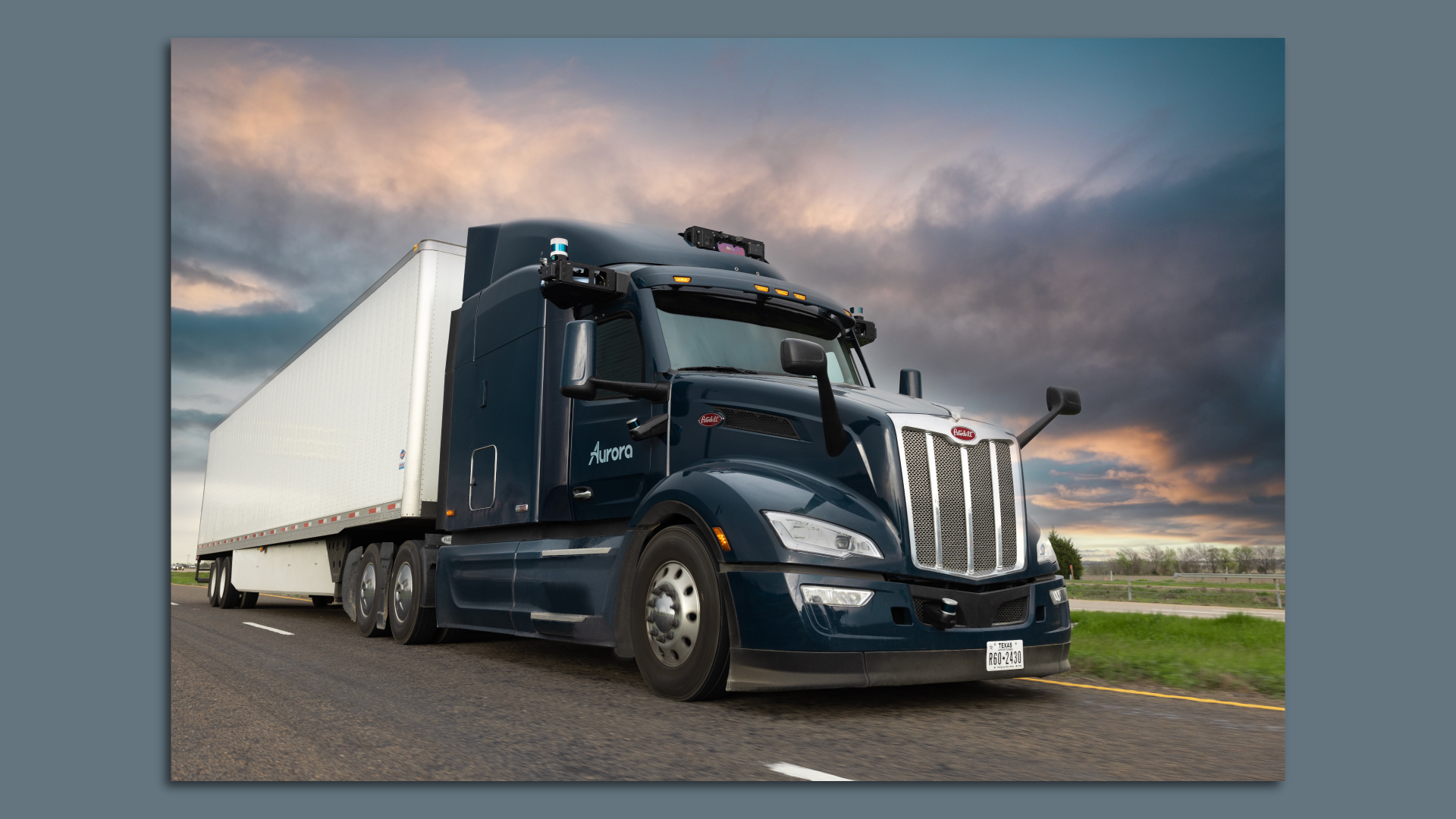
Aurora Innovation raised $483 million last week — more than expected — by selling additional shares in the publicly traded self-driving truck company.
Why it matters: The fresh capital provides added momentum for Aurora, which is one of the few companies still able to attract investors after a shakeout in the autonomous vehicle industry.
Driving the news: The proceeds will help fund the initial phase of Aurora's driverless trucking service starting in Texas by the end of this year.
- The money adds to the $1 billion of liquidity Aurora reported as of the end of June, giving the company "runway well into 2026," CEO Chris Urmson wrote in a blog post.
- The transaction follows a stock sale that raised $820 million last year.
Between the lines: Urmson says Wall Street's largest institutional investors continue to back Aurora because they trust its leadership to deploy the technology responsibly, and because it has strong industry partners, including Paccar, Volvo and Uber Freight.
What's next: Self-driving trucks promise to make freight transportation safer and more efficient, but the technology is still in its infancy.
3. Uninsured America, mapped

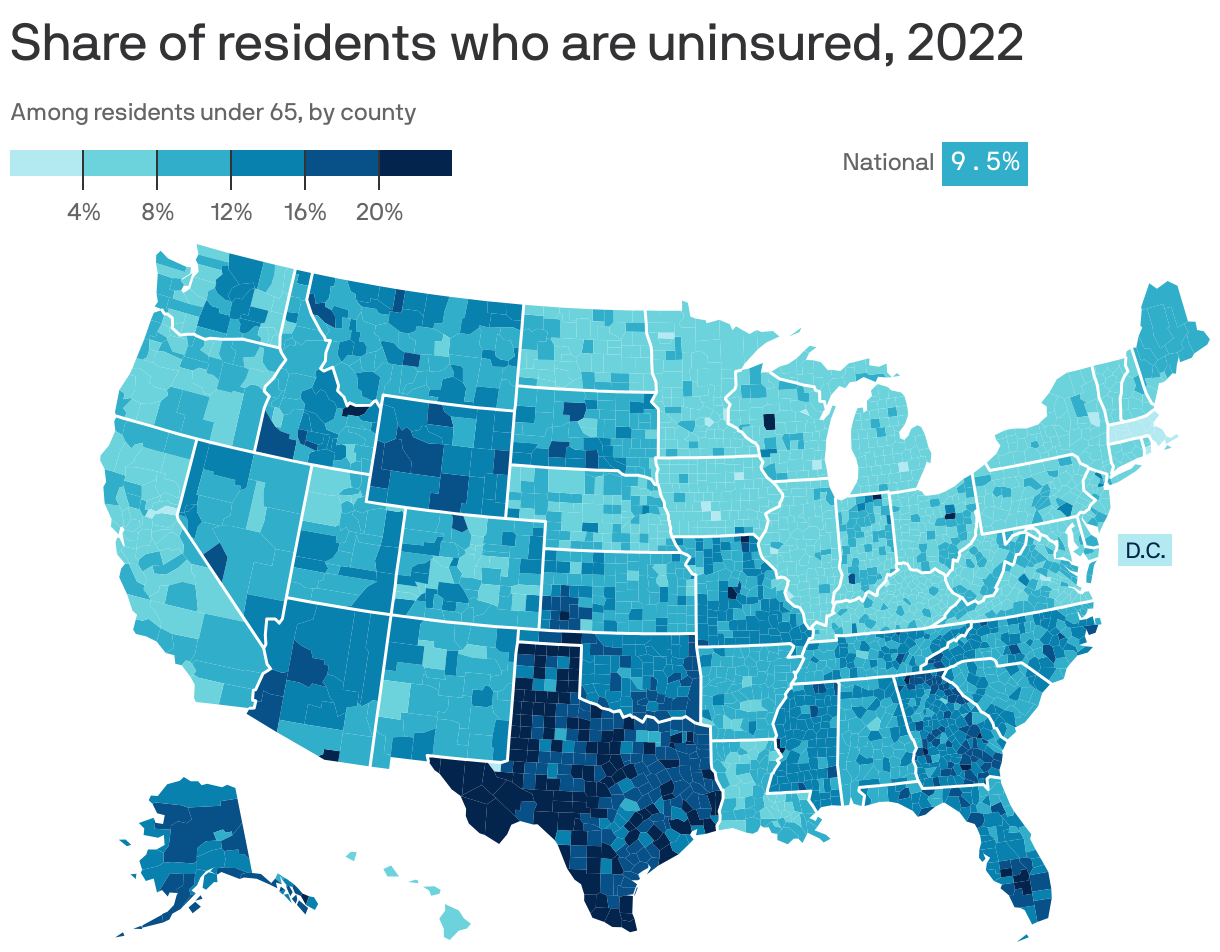
Texas is home to the country's largest share of Americans under 65 without health insurance, according to new Census Bureau data, with 18.8% of residents uninsured as of 2022.
Why it matters: That's a big improvement over 2006, when 27.6% of Texans were uninsured — but still nearly double the national uninsured rate of 9.5%.
By the numbers: After Texas, Oklahoma (14.3%), Wyoming (14.1%) and Florida (13.9%) have the highest share of uninsured residents among U.S. states and Washington, D.C.
- Massachusetts (2.9%), Washington, D.C. (3.1%) and Hawai'i (4.3%) have the lowest.
The big picture: The uninsured rate fell in 627 U.S. counties and increased in only 23 between 2021 and 2022 — meaning Americans are trending toward being covered rather than not.
- Coverage expansions under the Affordable Care Act and social safety net policies enacted during the height of the COVID-19 pandemic are helping reduce the uninsured rate, per KFF.
4. 🥇 Gold medal tech

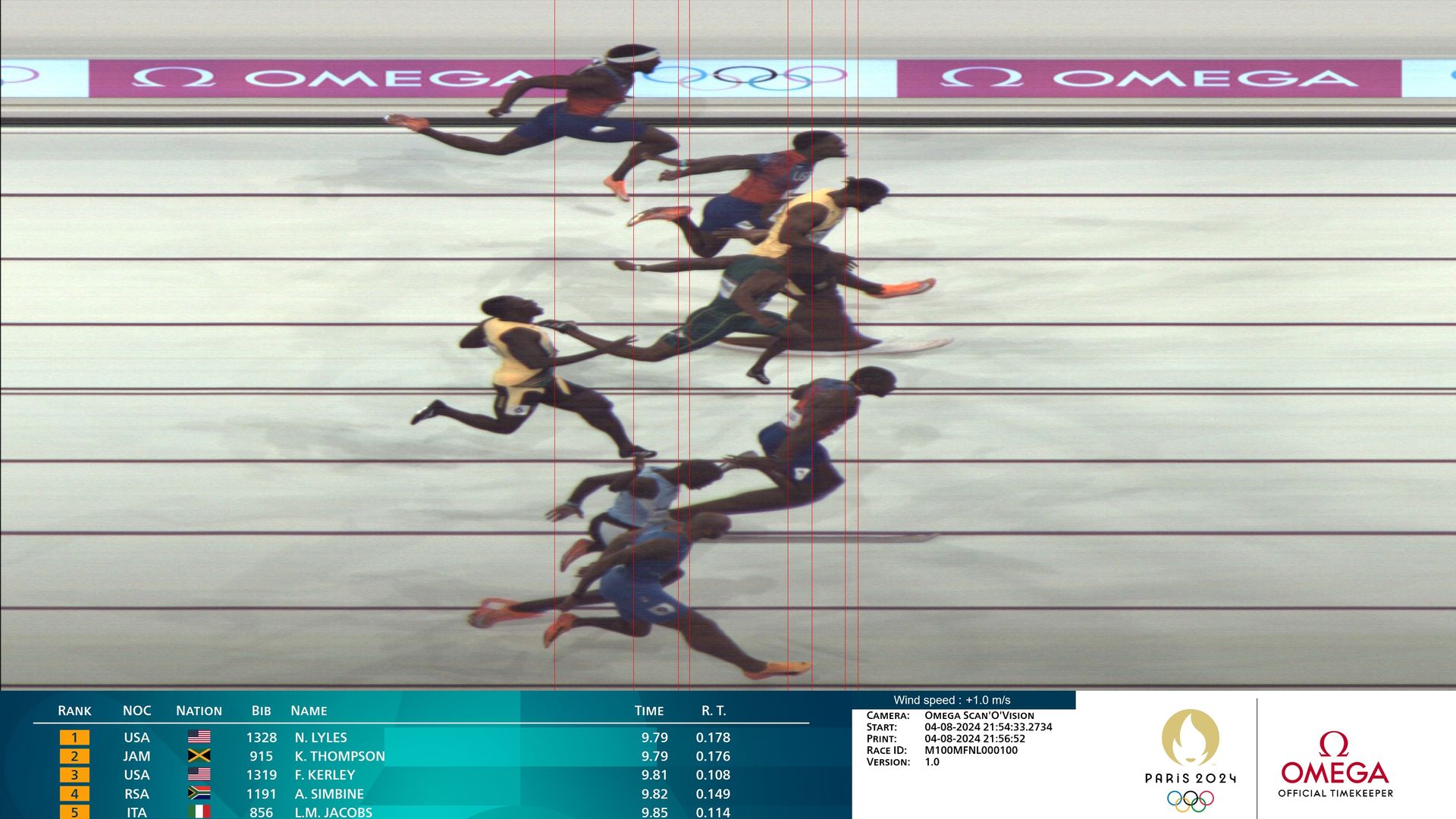
When the Olympic judges needed to determine who won Sunday's impossibly close 100-meter race, they drew on some fancy new technology: a camera from Omega that shoots 40,000 frames per second, aimed right at the race's last few millimeters.
- I saw Omega's cameras and sensors in place firsthand at Stade de France, just hours before American Noah Lyles ran his ultimately victorious race, edging out Jamaica's Kishane Thompson in a historically close photo finish.
Zoom in: For the Paris games, Omega has added new tech in a range of sports, including the faster photo finish camera used for track and other races.
- The new cameras take four times as many pictures per second as previous versions, and in higher resolution — perfect for tough calls like this one.
How it works: In track, the cameras are only focused on the 5mm near the finish line.
- However, in recording so many images, the system can recreate a full picture of just whose body crossed first.
Big thanks to What's Next copy editor Amy Stern.
Was this email forwarded to you? Get your daily dose of What's Next by signing up here for our free newsletter.
Sign up for Axios What's Next