Axios What's Next

July 19, 2022

1 big thing: How cities are spending all that COVID cash
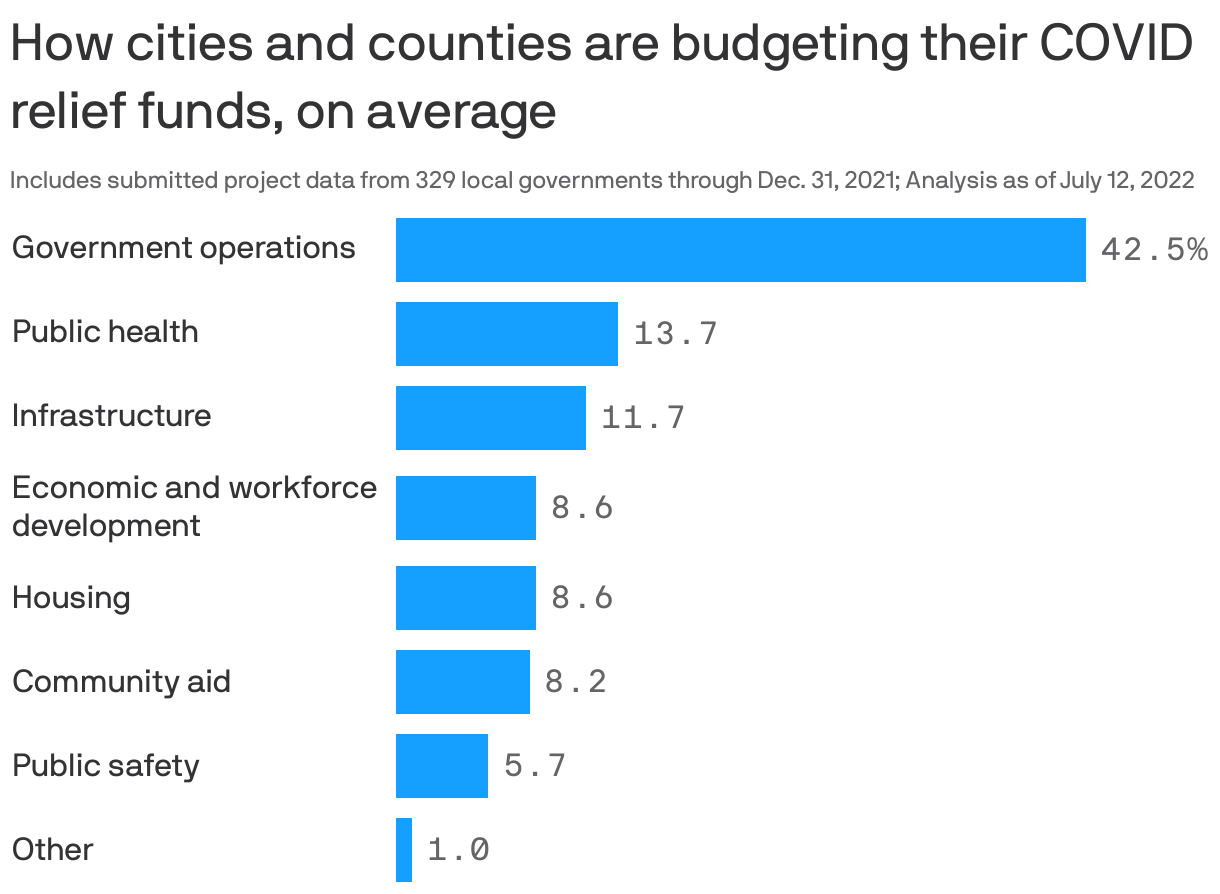
Despite lawsuits and political name-calling about how cities, counties and states are spending their COVID-19 relief funds, much of the money is going to the mundane purposes it was meant for, Jennifer A. Kingson reports — like paying government workers and replacing tax revenue lost during the pandemic, U.S. Treasury Department data shows.
Why it matters: Many local lawmakers are busy deciding how to spend their share of the $350 billion in emergency funding from the American Rescue Plan Act (ARPA), and the flame-throwing going on overhead can singe the process.
- Republicans have lambasted what they call "boondoggles" like building pickleball courts, hiring social media managers and trying to lure World Cup soccer to New Jersey.
- Democrats point to the broad mandate behind the funds, which can be used for everything from public health and economic recovery to infrastructure and administrative costs.
- There's a clock ticking: Communities have through 2024 to budget their money and 2026 to spend it — or they lose it.
Driving the news: Republicans are challenging how the ARPA funds can — or should — be used. Yet at the same time, new analyses show such funds are largely being pledged to unsexy-but-vital projects, like general revenue replenishment, broadband initiatives, wastewater systems and unemployment insurance.
Democrats counter that ARPA funds are being spent on "transformative" investments in everything from job creation and housing inequity to long-deferred capital projects.
- "There’s an acute need for these funds," said Vince Williams, the president of the National League of Cities and mayor of Union City, Georgia. "This funding is going to help us make a huge dent in some of the quality of life issues we have been ignoring for a number of years."
- Williams — who was attacked for dedicating some of his city's money to an urban greenway — said the $8 million that Union City received will also go to paying front-line workers and reducing food insecurity for seniors.
- "I don’t know of anyone that's using these funds for frivolous or foolish things," he told Axios.
By the numbers: One new analysis shows that cities and counties had budgeted 41% of their ARPA funds by the end of 2021 — the latest numbers available from Treasury.
- The money is primarily going "to address many of the long-standing challenges and disparities that exposed communities to disproportionate impacts of the pandemic," said Alan Berube of Brookings Metro, an author of the report.
Between the lines: Partisan squabbling is adding a layer of headache to the already-challenging process of budgeting and spending COVID relief money — which has sent many governments scrambling to hire vendors and pay them on time.
- "This is unprecedented," said Ernesto Freire, chief of staff at Bloomberg Associates, which is advising Chicago and Newark on their ARPA spending. "Nobody has seen this much money come in at one time — plus, the political pressure tied to it."
Motor City kudos: Among the cities earning plaudits for how they're using ARPA funds: Detroit, which plans to spend $250 million on city services and infrastructure, $105 million on jobs, $95 million on blight remediation and $45 million on the digital divide.
The bottom line: The ARPA funds are giving local governments an unprecedented opportunity to make creative, meaningful and lasting investments — if they can skirt the political obstacles.
2. The U.K.'s melting runways are a climate warning

Sheltering from the sun on opening day of the Farnborough International Airshow on July 18. Photo: Jason Alden/Bloomberg via Getty Images
3. What really counts as "broadband"?
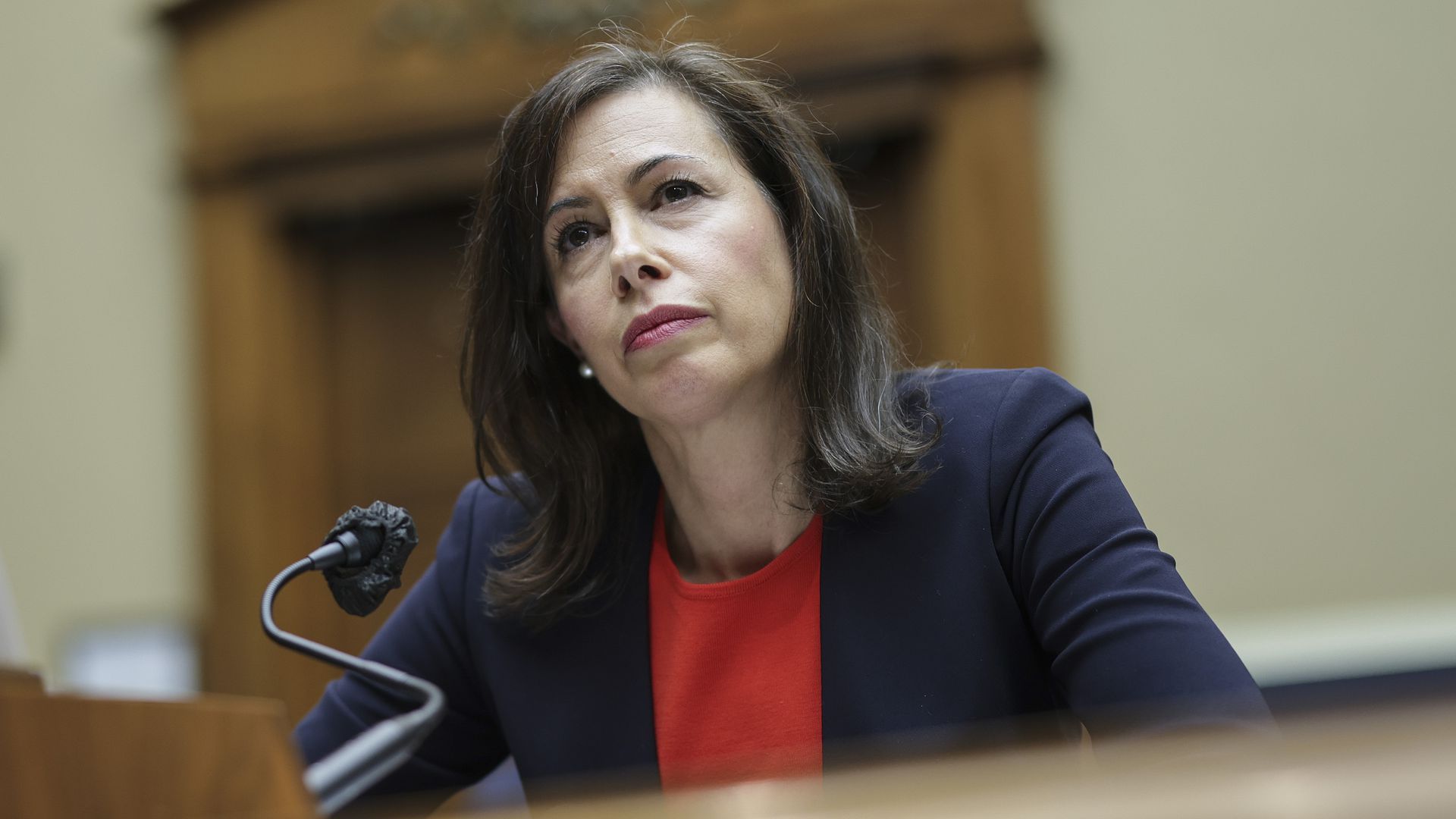
FCC Chair Jessica Rosenworcel. Photo: Kevin Dietsch/Getty Images
4. Surfing the web with brain waves

Illustration: Eniola Odetunde/Axios
5. 🎮 We're putting the controllers down

Elden Ring. Screenshot courtesy FromSoftware
Axios What's Next

The next decade of big, sweeping changes will unfold in cities and communities where new technologies like 5G, AI and drones are transforming how we work, live and play together. What’s Next will guide you through the revolution.