Axios Vitals

February 26, 2024

Happy Monday, Vitals crew. Today's newsletter is 992 words or a 3.5-minute read.
Situational awareness: An old asthma drug significantly reduced allergic reactions in people with multiple severe food allergies, researchers reported on a late-stage trial yesterday.
1 big thing: The doctor will fee you now
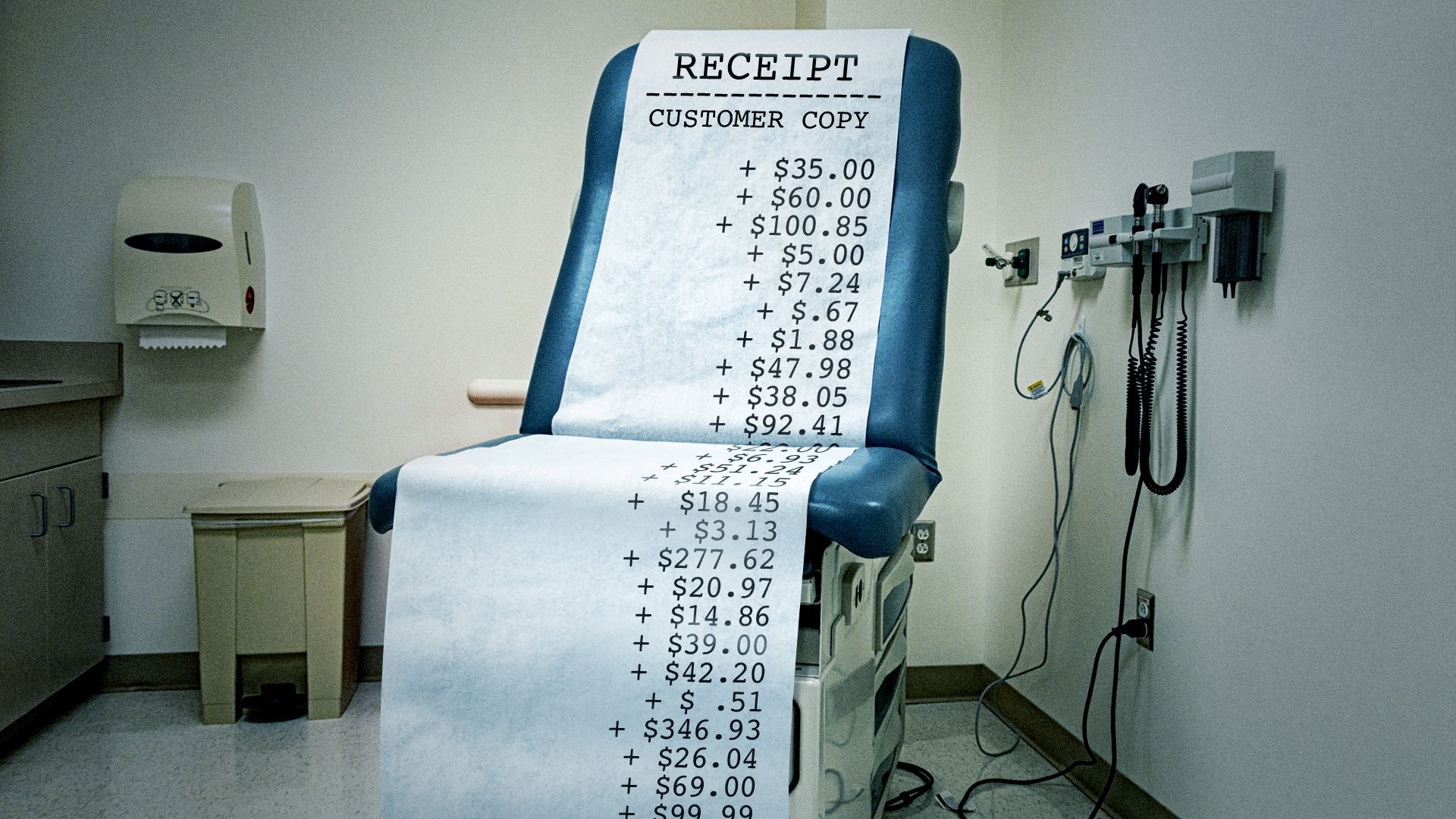
Illustration: Shoshana Gordon/Axios
Need a sick note from the doctor? Or have them OK a refill? It might cost you, Tina writes.
Why it matters: From signing patient documents to emailing responses to patient questions, doctors are increasingly charging fees for administrative tasks.
- It's a byproduct of the post-pandemic world, in which virtual visits and follow-up emails and texts have become routine.
- But while charging a few bucks to a few hundred dollars may be a natural response to growing demands on physicians' time and shrinking reimbursement, it risks annoying patients unaccustomed to paying for a note or attestation.
"Basically physicians are saying, 'The things that I used to do for free, I can't afford to do it now,'" Robert Pearl, a Stanford University professor and former CEO of The Permanente Medical Group, told Axios. "It's actually much more than just the money. It's really my time."
- Responding to a flood of emails from patients and fielding requests for documents can add hours to a doctor's day for work that would otherwise go unpaid.
- "I know a lot of people who have not had [a fee] now thinking about putting it in because they're overwhelmed," Pearl said.
The big picture: Making it easier to access your doctor online is generally seen as a good thing — until it becomes a bit too much.
- Patients aren't always good at differentiating between what they should be emailing their doctor about and what can wait, said A. Jay Holmgren, a health informatics expert at UCSF.
The bottom line: The hope is that fees for emails and other medical documentation can help weed out non-urgent requests while ensuring doctors can respond to those with more pressing matters.
2. New front in reproductive health wars

Photo illustration: Annelise Capossela/Axios. Photo: Nathan Posner/Anadolu Agency via Getty Images
Republicans are trying to distance themselves from the Alabama IVF ruling, but Democrats are going on the offensive as access to the fertility treatments remain limited in the state.
Why it matters: Republicans have struggled on reproductive health issues since the overturning of Roe vs. Wade, and the Alabama Supreme Court ruling that frozen IVF embryos are children under state law has given Democrats an opening to highlight the impacts of red state policies on reproductive health.
What's happening: The Senate Republican campaign arm is urging candidates to strongly back IVF, former President Trump has voiced his support for it, and Alabama state lawmakers are working on legislation to ensure IVF access.
- The IVF process typically involves the creation of multiple embryos that aren't implanted and could be discarded later. GOP statements of support for IVF have been silent about how to handle surplus embryos.
Democrats are calling out Republicans who've supported legislation that would grant "personhood" protection to embryos, which legal and health experts say could disrupt or limit IVF treatments.
- House Democrats' main super PAC is pouring money into attacking Republicans over the ruling, Axios' Andrew Solender scooped.
- Sen. Tammy Duckworth (D-Ill.) yesterday said she hasn't heard from Republicans about her legislation to protect IVF treatment nationwide.
- "Not a single Republican has reached out to me on the bill. I've introduced a bill, multiple times, now multiple Congresses — but frankly, let's see if they vote for it when we bring it to the floor," Duckworth said on ABC's "This Week."
3. Measles cases growing in Florida
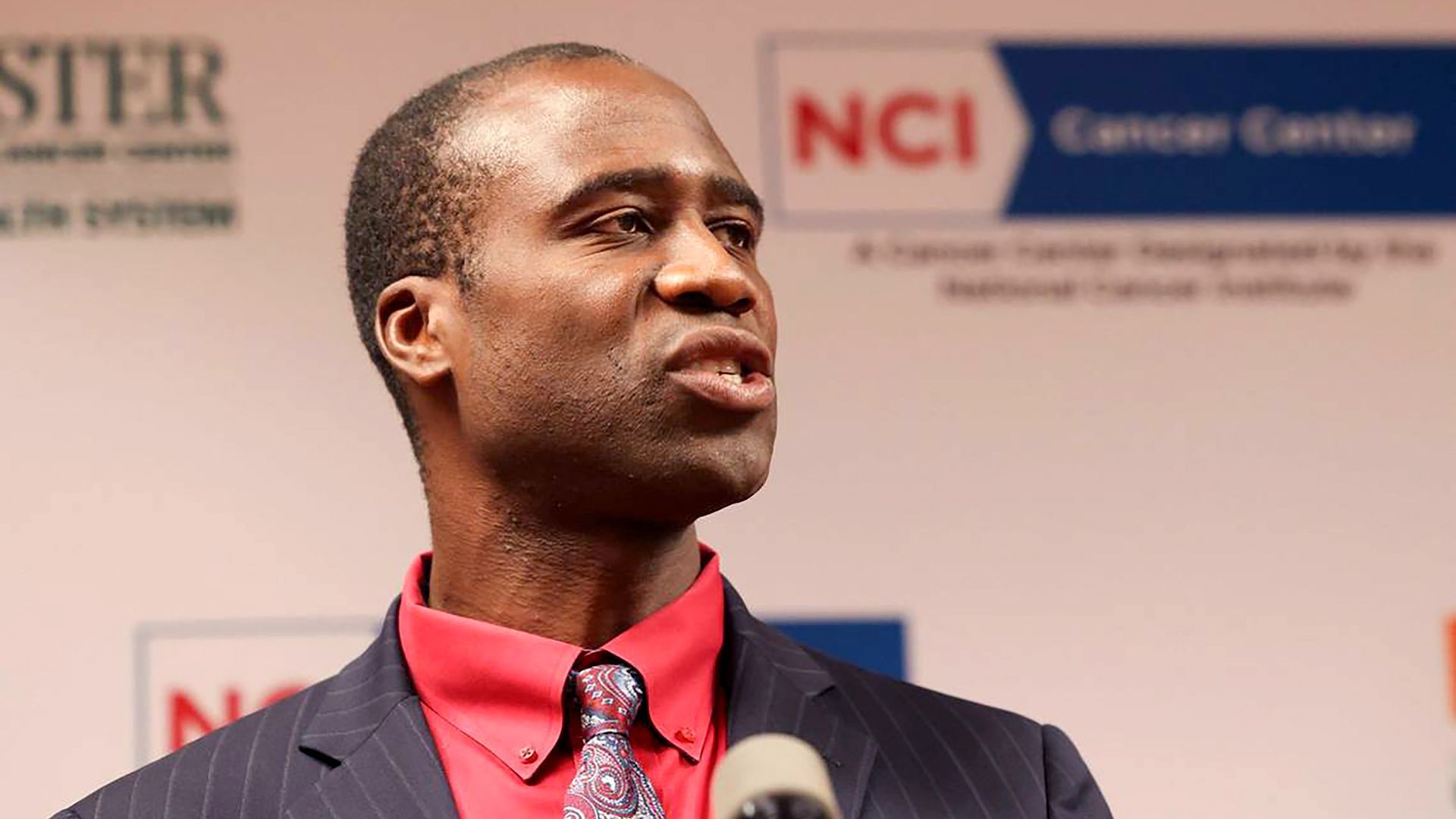
Florida Surgeon General Joseph Ladapo during a 2022 press conference. Photo: Alie Skowronski/Miami Herald/Tribune News Service via Getty Images
More children have come down with measles in Florida after the state's surgeon general defied federal guidelines by not urging parents to vaccinate their children against the highly contagious virus or to keep unvaccinated students at home.
Why it matters: Florida Surgeon General Joseph Ladapo's stand is an escalation of how conservative officials are flouting public health norms as measles cases surge worldwide and 15 states report cases so far, write Axios' Adriel Bettelheim and Jacob Knutson.
Driving the news: Two newly reported infections in Broward County, of a child younger than 5 and another between ages 5 and 9, brought the reported number of cases to eight, per USA Today.
- After at least six cases were confirmed at Manatee Bay Elementary School in Weston, Ladapo told parents in a letter that the state's health department was deferring to them for "decisions about school attendance" for unvaccinated children, contradicting federal and medical professional guidance for containing spread of the disease.
- Around 200 students didn't show up for class on Tuesday or Wednesday, a sign that parents may have decided to keep them home for online classes, according to CBS News.
4. A first for drug affordability boards

Illustration: Aïda Amer/Axios
Colorado's prescription drug affordability board on Friday agreed to set a payment limit on Amgen's arthritis and psoriasis drug Enbrel.
Why it matters: It's the first time any of the drug affordability boards set up by several states in recent years has moved to cap a medicine's price.
- The Colorado board previously found the blockbuster drug cost about $46,000 per patient, with commercially insured patients paying around $2,300 out of their pocket, per the Denver Post.
- Enbrel is also among the drugs subject to the first round of Medicare price negotiations now underway.
What's next: The Colorado board's action sets up a months-long process to figure out what a maximum payment limit could be for public and commercial health plans.
- However, the board could still decide to abandon the process, and it's likely to get strong pushback from Amgen.
- An Amgen spokesperson told Stat the company had concerns about the legal basis for the board's decision.
Flashback: The Colorado board late last year decided against price limits on cystic fibrosis drug Trikafta, which has a list price of over $300,000 before rebates or discounts, after determining it was not unaffordable to patients.
5. While you were weekending

Illustration: Annelise Capossela/Axios
🧑⚕️ Medicaid unwinding is threatening the financial stability of safety-net clinics. (New York Times)
🚨 Severe complications for pregnant veterans nearly doubled in a decade, with the highest rates among Black vets. (ProPublica)
🥊 A dispute between an ADHD drugmaker and the FDA is exacerbating a shortage of the drugs. (New York Magazine)
📈 Launch prices of new drugs in the U.S. were up 35% in 2023 compared with the year prior. (Reuters)
Thanks for reading Axios Vitals, and to health care editor Jason Millman and copy editor Kathie Bozanich. Please ask your friends and colleagues to sign up.
Sign up for Axios Vitals

Healthcare policy and business analysis from Tina Reed, Maya Goldman, and Caitlin Owens.