Axios Seattle

April 15, 2026

๐งพ It's Wednesday, and taxes are due. Hope you're getting a refund.
๐ง๏ธ Today's weather: Showers and thunderstorms, with a high of 49 and a low of 37.
๐ Happy birthday to our Axios Seattle member Apollo Kabukuru!
Today's newsletter is 915 words, a 3.5-minute read.
1 big thing: โก๏ธ How our power costs compare

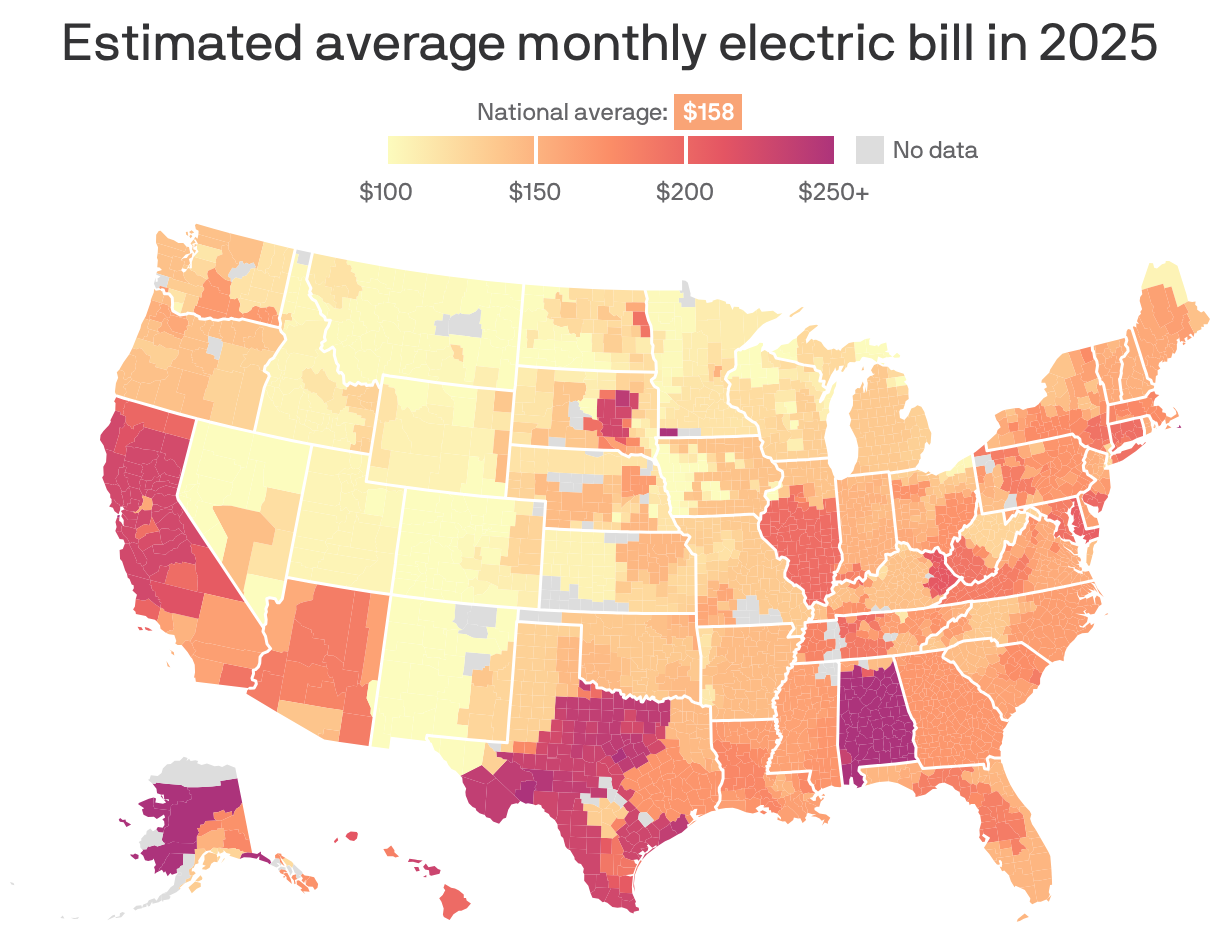
Seattle-area households paid about $125 a month for electricity last year โ slightly below the national average of $158 a month โ but rising rates are eroding that advantage.
Why it matters: Even slightly lower power bills offer some relief in a high-cost region.
- Washington remains among the most expensive states in the U.S., with housing, utilities and other essentials eating up a growing share of household budgets and reshaping everyday spending decisions.
State of play: Monthly energy averages in Western Washington ranged from $116 in Snohomish County to $125 in King and $141 in Kitsap last year, per a new Axios analysis of data from climate newsroom Heatmap News.
Yes, but: Electricity rates across Washington have been climbing, with major utilities raising prices steadily since 2023 and more increases already locked in through this year.
- Puget Sound Energy is proposing a rate increase of nearly 30% for electricity and nearly 20% for gas over three years starting in 2027.
- That's on top of electricity rate increases of 11.5% last year and 12% this year.
- Seattle City Light is planning annual rate increases through 2030, including a 5.4% hike this year, followed by anticipated annual rate increases of 7% to 10% next year and beyond, the utility says.
Between the lines: Utilities have previously cited several drivers behind rising rates, including severe weather, clean energy investments, and higher wholesale power costs, as well as the state's push to reduce emissions by 45% by 2030.
The big picture: Tensions over rising energy bills and power-hungry AI data centers are emerging as a key political issue and could be a potent force in this year's midterms.
- Americans are also paying more for other forms of energy, like gasoline, since the Iran war started.
Zoom in: Nantucket County, Massachusetts ($296); San Francisco County, California ($282); and Nobles County, Minnesota ($273) had the highest estimated average monthly electric bills in the continental U.S. across 2025.
The bottom line: Washington's historically moderate electricity bills are losing their edge as steady rate hikes โ and broader cost pressures โ squeeze household budgets.
2. Morning Buzz: ๐ Diesel hits $7
โฝ Diesel prices in Seattle and across Washington have surged to record highs, topping $7 a gallon amid global supply disruptions tied to the Iran war. (Seattle Times)
๐ Seattle crews and volunteers removed 5.3 million pounds of trash, including over 660,000 needles, as the city expands cleanup efforts ahead of the 2026 World Cup. (MyNorthwest)
๐ฒ The U.S. Forest Service is planning to close two research labs in Seattle and Wenatchee as part of a broader restructuring that will shutter 57 of its 77 labs nationwide. (KNKX)
๐ฌ Tokyo-based Astellas Pharma will close its Seattle Universal Cells research facility, laying off about 50 employees as it consolidates research in other states. (KIRO 7)
3. ๐ฆ Night flight danger
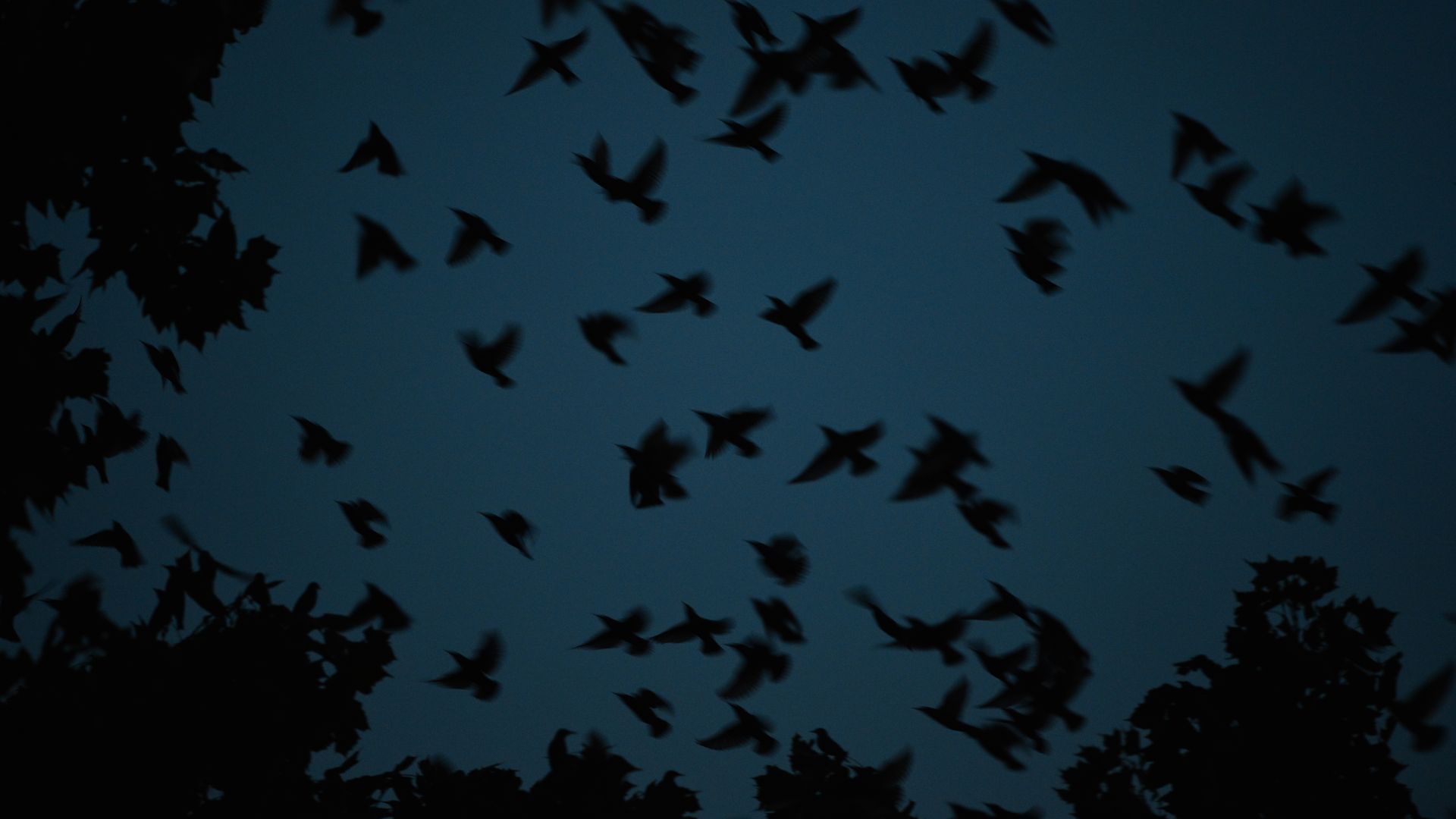
Millions of migratory birds are flying at night over Washington as they make their annual trip along the Pacific Flyway to return to their breeding grounds.
- Spring migration is just getting started and usually peaks in mid-May, according to Cornell Lab's BirdCast.
- And there are things we can do to help ensure they have a safe journey.
Zoom in: More than 70% of migratory birds, including most songbirds and shorebirds, travel by night to avoid predators.
- That nighttime journey comes with risks. Bright city lights can disorient birds and increase the chances of deadly window collisions.
Light pollution is the greatest threat to nocturnally migrating birds around the world, experts say.
How to help: Lights out, Washington advises turning off outdoor lights, keeping lighting dim and warm-colored and using it only when needed.
By the numbers: In just one day this week, about 156,000 birds crossed the state, while about 500,000 were in transit, per the site.
- Not all birds fully cross a region in one night, resulting in a greater number of birds in flight.
- During peak migration, more than 1 billion birds can be moving across the U.S. in a single night.
The bottom line: A simple flip of a switch can help protect birds passing overhead.
4. โ๏ธ So you found a baby bird
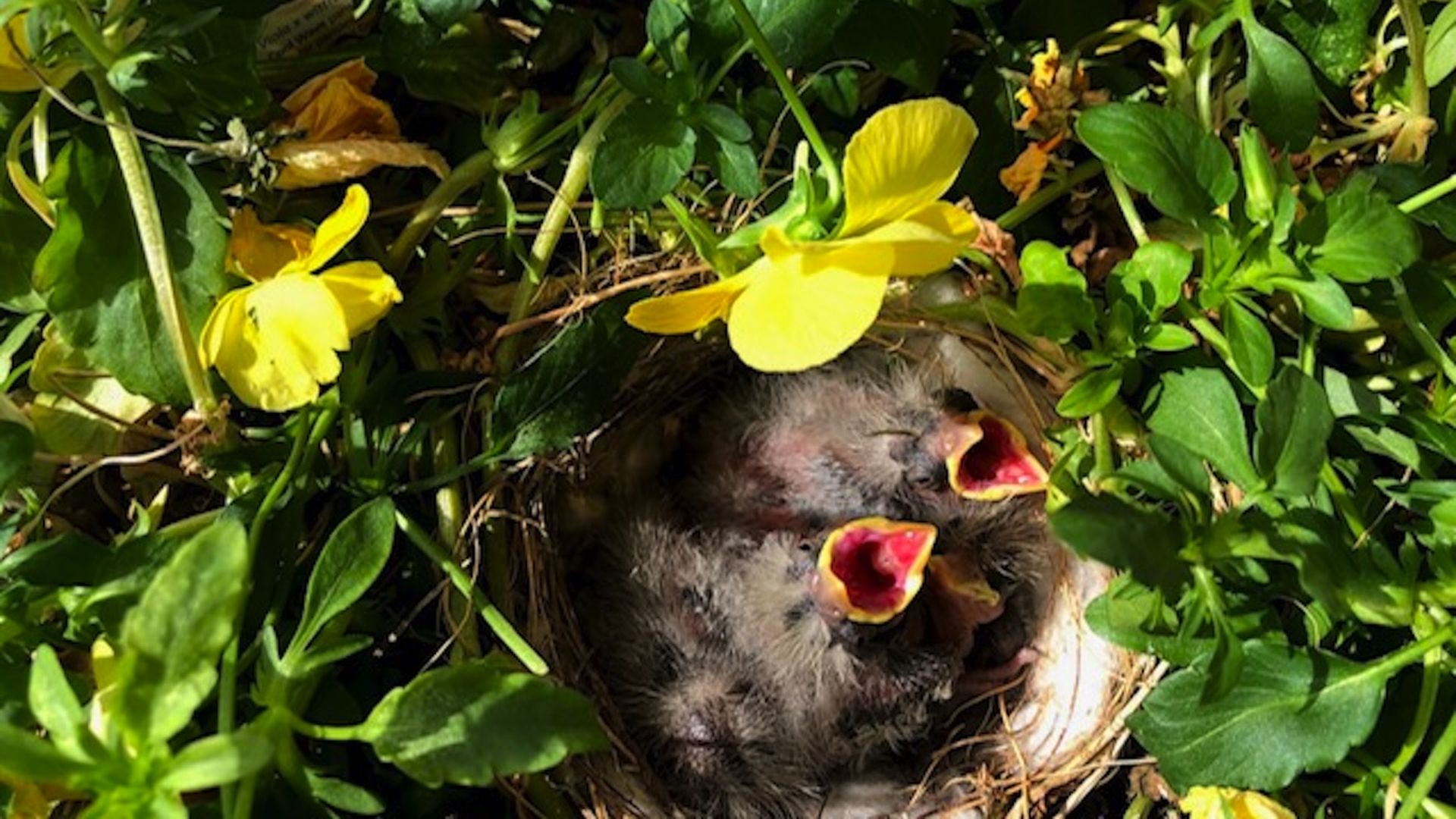
Speaking of our feathered friends, spring is also the time when baby birds sometimes make their way out of the nest before they're ready โ either from a moment of overconfidence or wind from a storm.
- Here's what wildlife experts say we should do when a fallen baby bird tugs at your heartstrings.
Check for feathers: If the baby's still bald, you can pick it up and place it in its nest โ or, if you can't find the nest, on a branch that's high enough to escape the interest of cats and dogs.
- Most birds can't smell very well, so don't worry about stinking them up with your hands.
If it has feathers: Leave it alone unless it's in immediate danger from, say, another animal.
- In that case, move it somewhere safer โ but only if it's not too agile a hopper for you to catch.
Avoid: Taking wild birds home or moving nests that have birds or eggs in them.
- Don't feed a baby bird. The wrong grub could kill it.
โ๏ธ Melissa is figuring out whether she needs tire chains to get to Hurricane Ridge.
๐ Clarridge is planting clover and pulling out shotweed and "Stinky Bob."
This newsletter was edited by Geoff Ziezulewicz.
Sign up for Axios Seattle