Axios Seattle

May 21, 2026


1 big thing: AI hits resistance


If AI were a candidate for political office, it would be losing in a landslide.
Why it matters: The AI hype cycle would have you believe the technology is inevitable. But AI backlash is growing, as people worry it will steal their jobs, jack up electricity rates and further enrich the wealthy, all while hurting the environment.
Case in point: Seattle officials are considering a one-year ban on new data centers — key infrastructure needed for the AI boom — amid concerns about how much power the centers could consume.
- The debate comes as local companies such as Amazon and Microsoft are increasingly investing in AI.
Zoom out: In Florida, a commencement address went viral this month after the speaker said "artificial intelligence is the next Industrial Revolution," sparking a chorus of boos from the crowd.
- Only 18% of young people ages 14 to 29 say they feel hopeful about AI, according to a recent Gallup survey.
The disdain spans generations and political parties. An Economist/YouGov poll released this week showed over 70% of Americans think AI is advancing too quickly, with 68% of Republicans and 77% of Democrats saying it's moving too fast.
- Other YouGov polling shows negative views of AI rising from 34% three years ago to just over 50% now.
- "I'm a resistor, " wrote Axios Seattle reader Julia R. in response to a question we posed last month about AI sentiments. "Is hater a category? That is me."


Between the lines: AI executives aren't doing much to quell the backlash, which is already showing signs of slowing the industry. Some of them appear unfazed — or unaware.
What they're saying: While the tech is here to stay, what's "not inevitable is that these technologies will be embedded in every aspect of our lives, become indispensable, or replace humans," Avriel Epps of the University of California, Riverside, told Axios.
- "Nothing in the future is inevitable and no single person, company, or group gets to decide what will happen in the future."
Threat level: Negative AI sentiment could become a financial liability for AI labs if it continues to curb access to their most valuable resource: compute power.
- A record number of data centers were canceled in the first quarter of 2026 amid resistance from communities, per Heatmap Pro data.
- "Public pushback is emerging as a binding constraint," Morgan Stanley analysts wrote.
2. 🏆 Help us find Seattle's best bánh mì

3. Morning Buzz: 📈 Housing gap soars

4. 🏞️ Our parks are tops — again

5. GIF to go: 🌊 Icelandic geyser memories
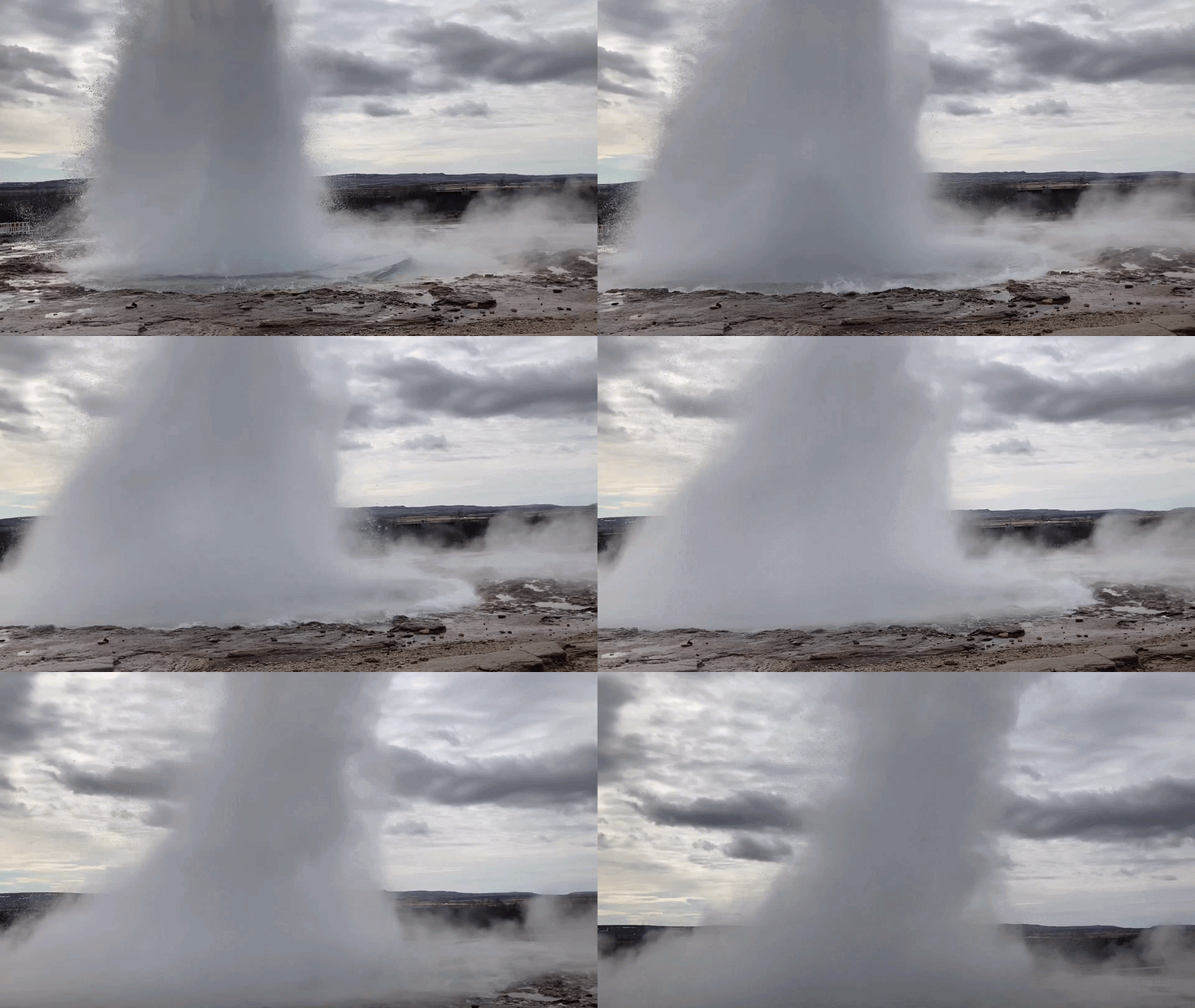
One of the most memorable moments from my family's recent holiday to Iceland was watching the Strokkur Geyser erupt.
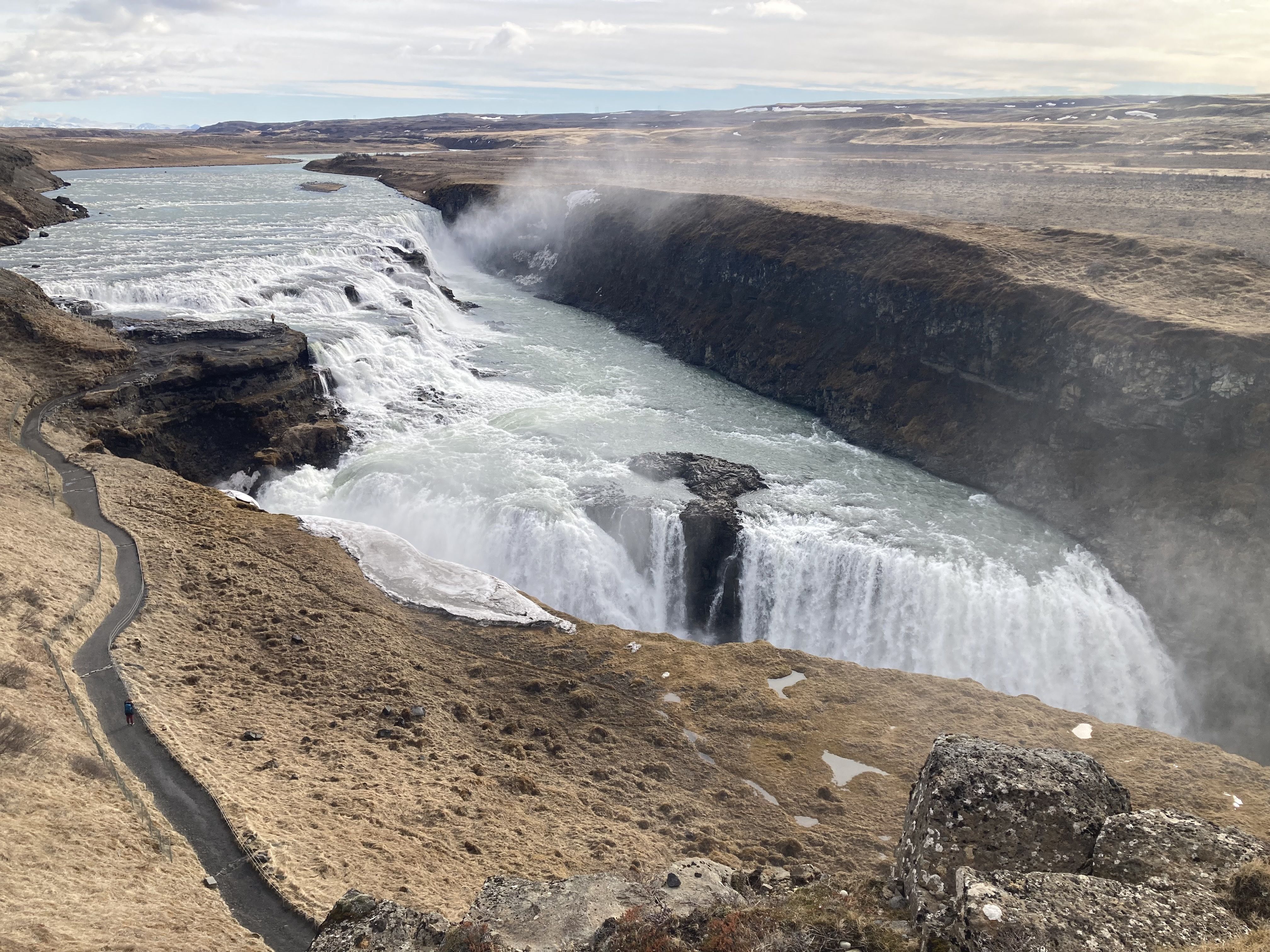
- It's one of three main attractions on the Golden Circle, alongside the Gullfoss Waterfall and Thingvellir National Park — where visitors can stand at the boundary between the North American and Eurasian tectonic plates.
We also traveled to England, where my mother and I reunited with my sister who's lived there for 10 years.
- We all choked up when mom suggested it might be the last time we'd all be together.

Axios Seattle
