Axios Science

August 08, 2024

Thanks for reading Axios Science. This week's newsletter is 1,522 words, about a 6-minute read.
- Send your feedback and ideas to me at [email protected].
1 big thing: Self-driving labs are the new AI asset
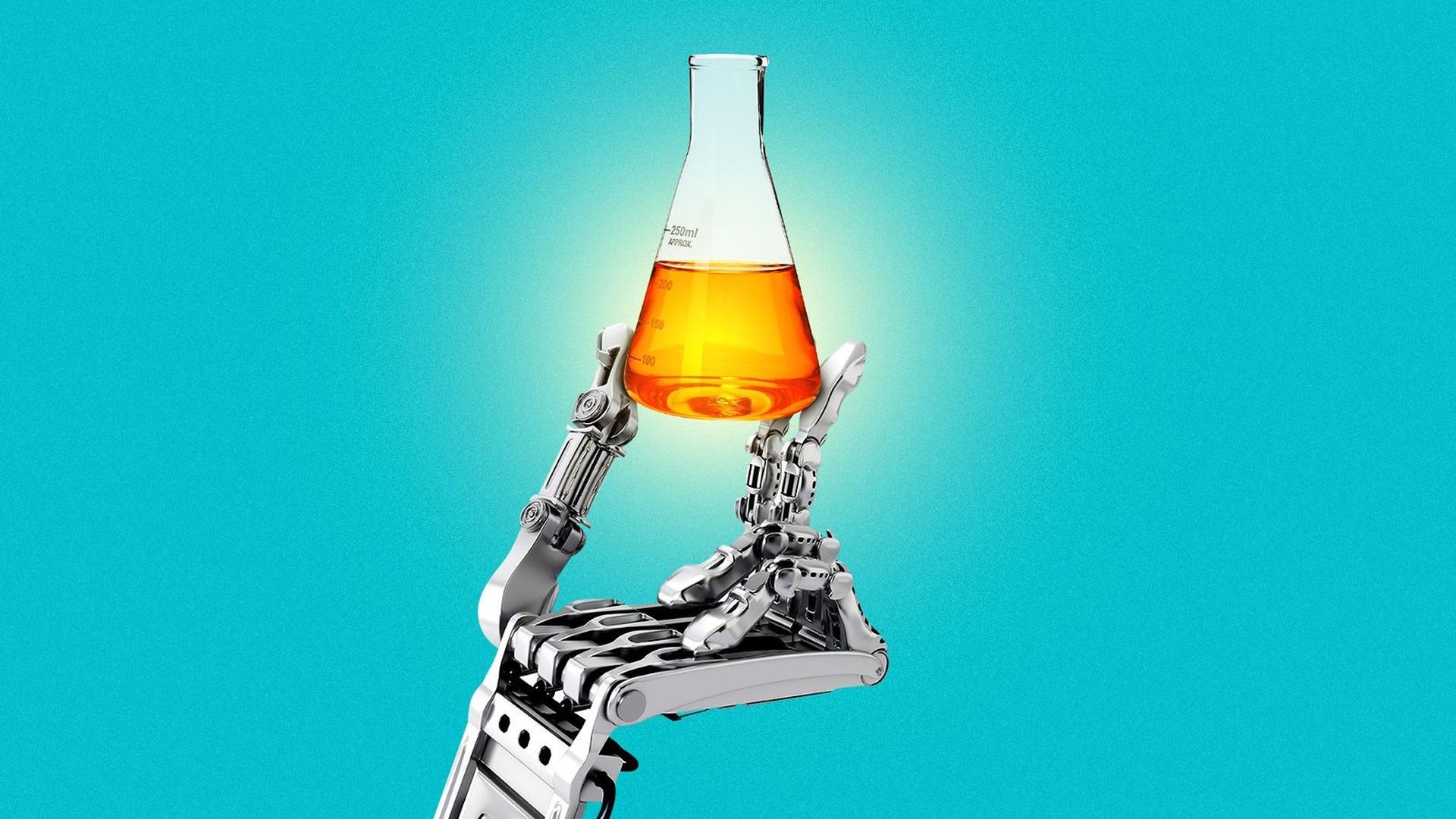
Self-driving labs are the next AI asset countries are pursuing in hopes of gaining an economic and security edge.
Why it matters: Labs that autonomously run experiments promise to speed up the discovery of new materials, but they're still not sufficiently reliable, reproducible or widely available.
State of play: It currently takes 20 years and $100 million on average to go from the discovery of a new material to high-volume advanced manufacturing of it.
- "If you're trying to decarbonize the economy by 2050, that is just too long," says Tom Kalil, CEO of Renaissance Philanthropy, which connects scientists with philanthropists and foundations that might fund them.
- Self-driving labs could accelerate the process 100 to 1,000 times, potentially bringing a 10-plus-year operation down to less than a few months and cutting the cost from $100 million to less than $1 million, says Milad Abolhasani, an associate professor at North Carolina State University who works on the technology.
How it works: Self-driving labs combine robotics, AI and advanced computing to design, make, test and analyze potential new materials in a loop guided by AI that learns from the experiments it has run and makes decisions about what to do next.
- Today they're bespoke setups that mostly carry out relatively easy to automate experiments as proof-of-concept demonstrations.
- They've been used to optimize catalytic reactions, gleaning more information in five days than researchers typically can in six months, Abolhasani and his colleagues reported in February.
- Last year, Google DeepMind and the self-driving "A-Lab" at Lawrence Berkeley National Laboratory reported discovering and producing more than 40 new materials in an autonomous lab. (A team of researchers called that result into question.)
- An international team of scientists recently described how they combined AI-guided experiments happening in five labs located around the world to find 21 new candidate materials for organic solid-state lasers.
Yes, but: Self-driving labs still face engineering and hardware hurdles: how to make a wider variety of materials and molecules, operate under harsh chemical and physical conditions, and carry out reactions with multiple steps — what Abolhasani calls "real chemistry."
- There also isn't standardized hardware and software, and there is nowhere near the amount of AI-training data that is available for chatbots.
- But once up and running, the labs can generate more data of their own and improve the models, says Charles Yang, AI policy adviser at the Office of Critical and Emerging Technologies at the Department of Energy, which has identified self-driving labs as a priority in its AI roadmap called FASST.
- There also aren't supply chains set up to support self-driving labs, and there is a lack of workforce skills in the U.S., which a recent workshop held by the DOE, NSF, NIST and other agencies identified as a critical gap.
The big picture: Sujai Shivakumar, a senior fellow at the Center for Strategic and International Studies, says the list of countries with the trifecta of AI, robotics and advanced computing capabilities is small, adding that "the U.S. needs to step up and capture the benefits of our research."
- The Canadian government is investing $200 million — its largest research grant ever — in self-driving lab development led by the University of Toronto.
- The U.K. government is funding the Materials Innovation Factory, an autonomous lab collaboration between the University of Liverpool and Unilever.
- The interagency working group and others are calling for the U.S. to form a consortium similar to the one in Canada to pool autonomous lab funding, researchers and know-how to scale up the technology.
2. Warmest ocean in 400 years threatens Great Barrier Reef
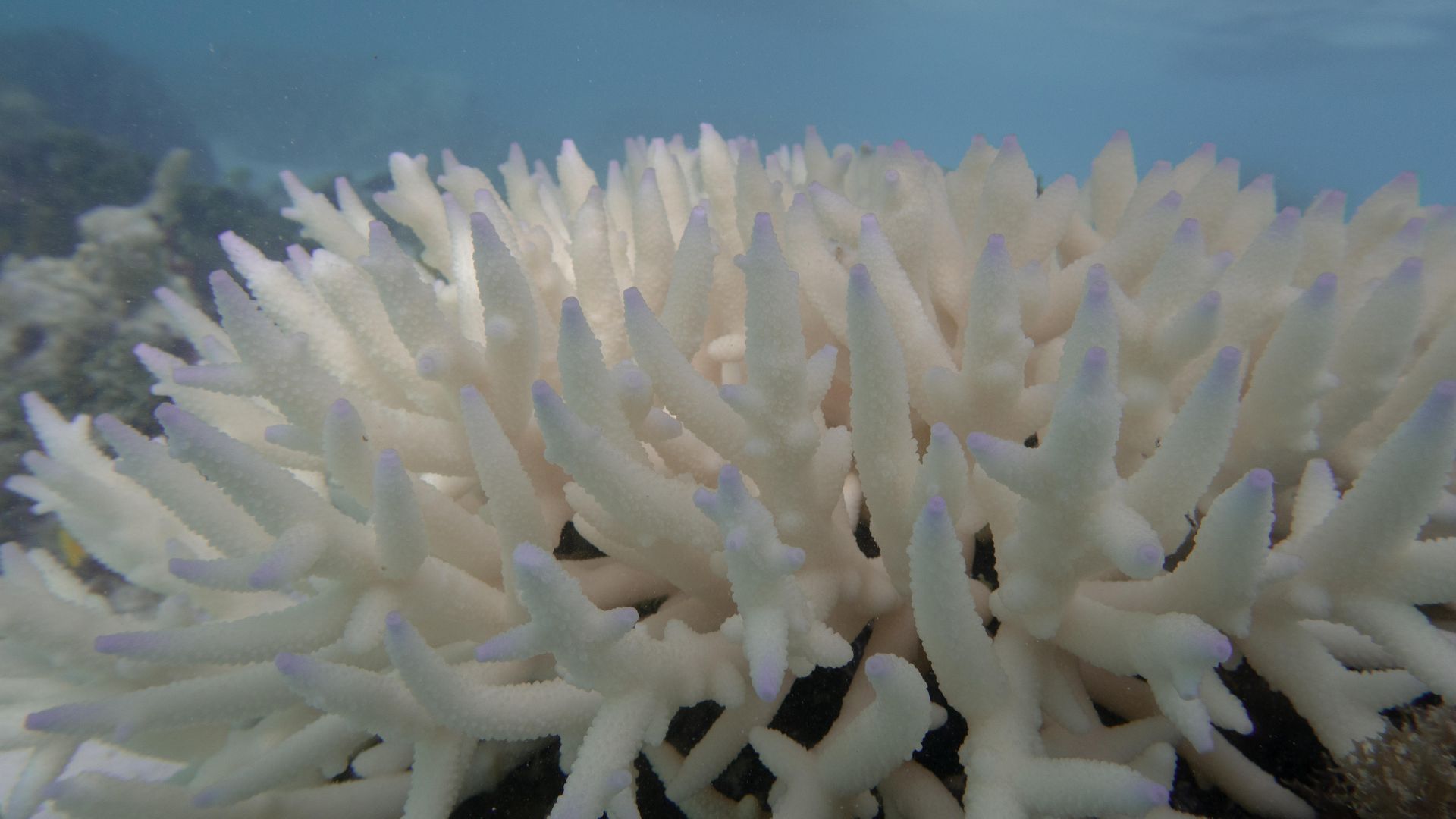
Extreme ocean temperatures in the Coral Sea surrounding Australia's Great Barrier Reef hit their highest levels in at least four centuries this year and are raising fears that the reef could be gone within a generation, scientists reported yesterday.
Why it matters: Extreme ocean heat can trigger mass coral bleaching events, making coral more vulnerable to heat and other stress.
- Corals can recover but if there are back-to-back events that don't allow them enough time to do so, they can die, with potentially devastating consequences for other marine life and people who depend on it for their livelihood.
- The team of researchers said their models show greenhouse gas emissions and changes in land-use as well as ozone changes are responsible for the warming trend.
- "The heat extremes are occurring too often for those corals to effectively adapt and evolve," study co-author Benjamin Henley, a paleoclimatologist at the University of Melbourne, said in a press briefing about the new research published yesterday in the journal Nature.
What they did: As corals grow over centuries, chemical signatures of their environment are recorded in their skeleton, leaving time-stamped markers of the sea surface temperature (SST) and other conditions.
- In the current study, researchers analyzed the ratio of strontium to calcium and the ratio of oxygen isotopes in coral skeletons to reconstruct SSTs between 1618 and 1995.
- They then combined that data with direct measurements spanning 1900 and 2024.
What they found: Before 1900, sea surface temperatures in the Coral Sea and the Great Barrier Reef were relatively stable but there has been a strong warming trend since then, they report.
- Mass coral bleaching occurred on the reef in the southern hemisphere summers of 2016, 2017, 2020, 2022 and 2024 — years when the sea surface temperatures were up to 1 degree Celsius above the estimated average. January to March of "2024 is the most extreme in that full 400-year record," said Henley, who conducted the study when he was a researcher at Wollongong University.
- "The recent events are extreme in nature, in terms of the last four centuries," he said, describing them as "unprecedented events."
3. U.S. responds to deadly new mpox strain
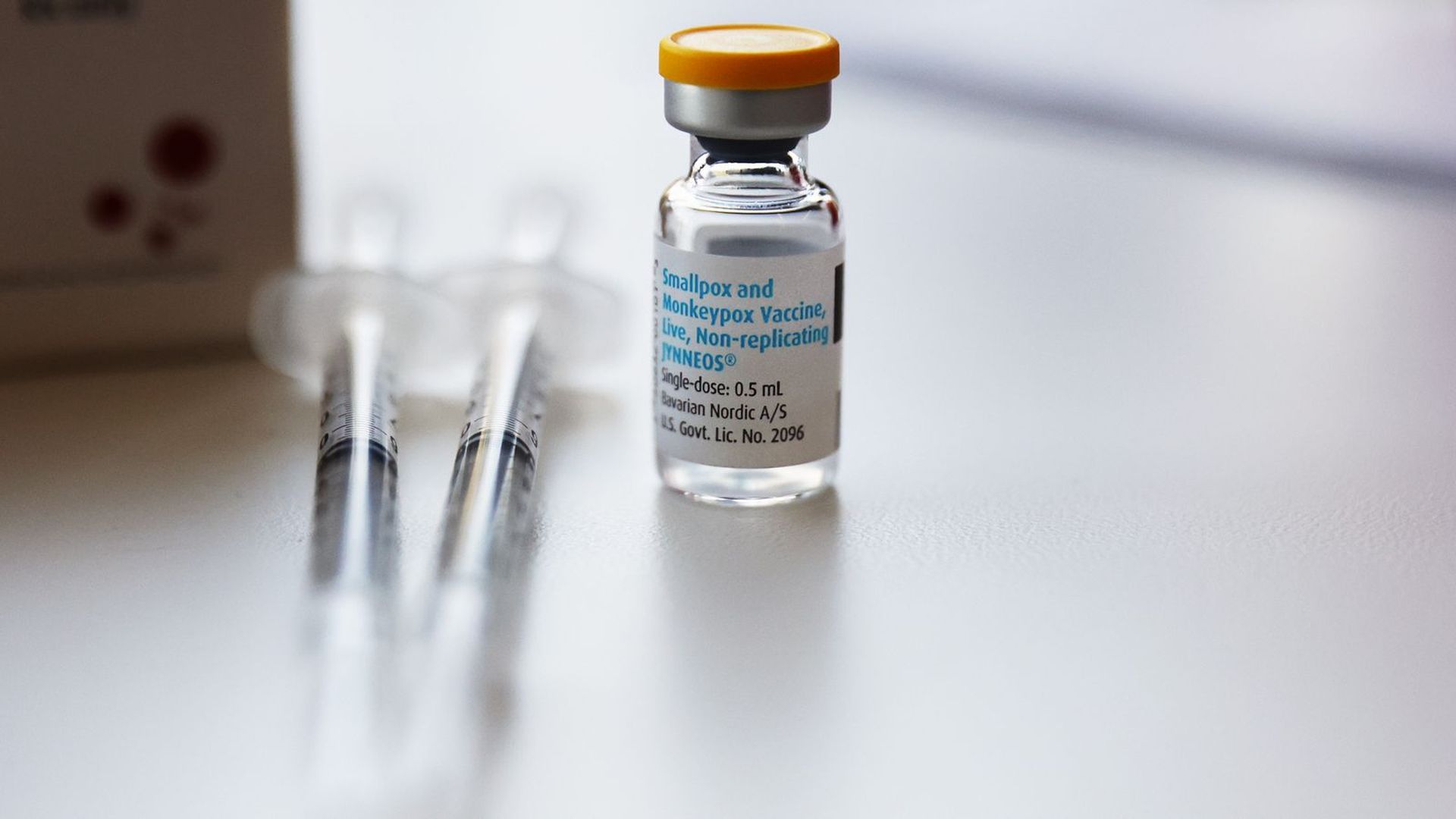
The Centers for Disease Control yesterday alerted doctors to be on the lookout for a deadly new strain of mpox spreading through parts of Africa while U.S. officials committed $424 million to the Democratic Republic of the Congo, which is the epicenter of the outbreak, Axios' Adriel Bettelheim writes.
Why it matters: The so-called clade I virus is more virulent and deadly than the clade II variety that caused a global outbreak in 2022.
- The CDC alert came soon after World Health Organization director-general Tedros Adhanom Ghebreyesus said he would convene an emergency committee to determine if the outbreak amounts to a public health emergency of international concern.
Threat level: Clade I hasn't been found outside of central and eastern Africa to date, but the CDC said clinicians should be on heightened alert for patients who have recently been in the DRC or to any country sharing a border with it.
- Mpox — previously known as monkeypox — has risen by 160% in Africa this year compared with 2023, according to the Africa Centers for Disease Control and Prevention. While most cases are in the Democratic Republic of the Congo, outbreaks have been reported in 15 countries.
- Mpox causes fever, chills, swollen lymph nodes, fatigue and muscle aches and can be deadly to young children and cause complications in pregnant people and adults with weak immune systems.
- Due to the limited number of travelers and lack of direct commercial flights from the DRC, the risk of clade I importation to the U.S. remains very low, CDC said.
4. Worthy of your time
How the stressed-out brain can weaken the immune system (Sara Reardon — Nature)
Climate change is shifting the planet's most basic properties (Marina Koren — The Atlantic)
Why some meteors may leave trails lasting up to an hour (Lisa Grossman — Science News)
5. Something wondrous
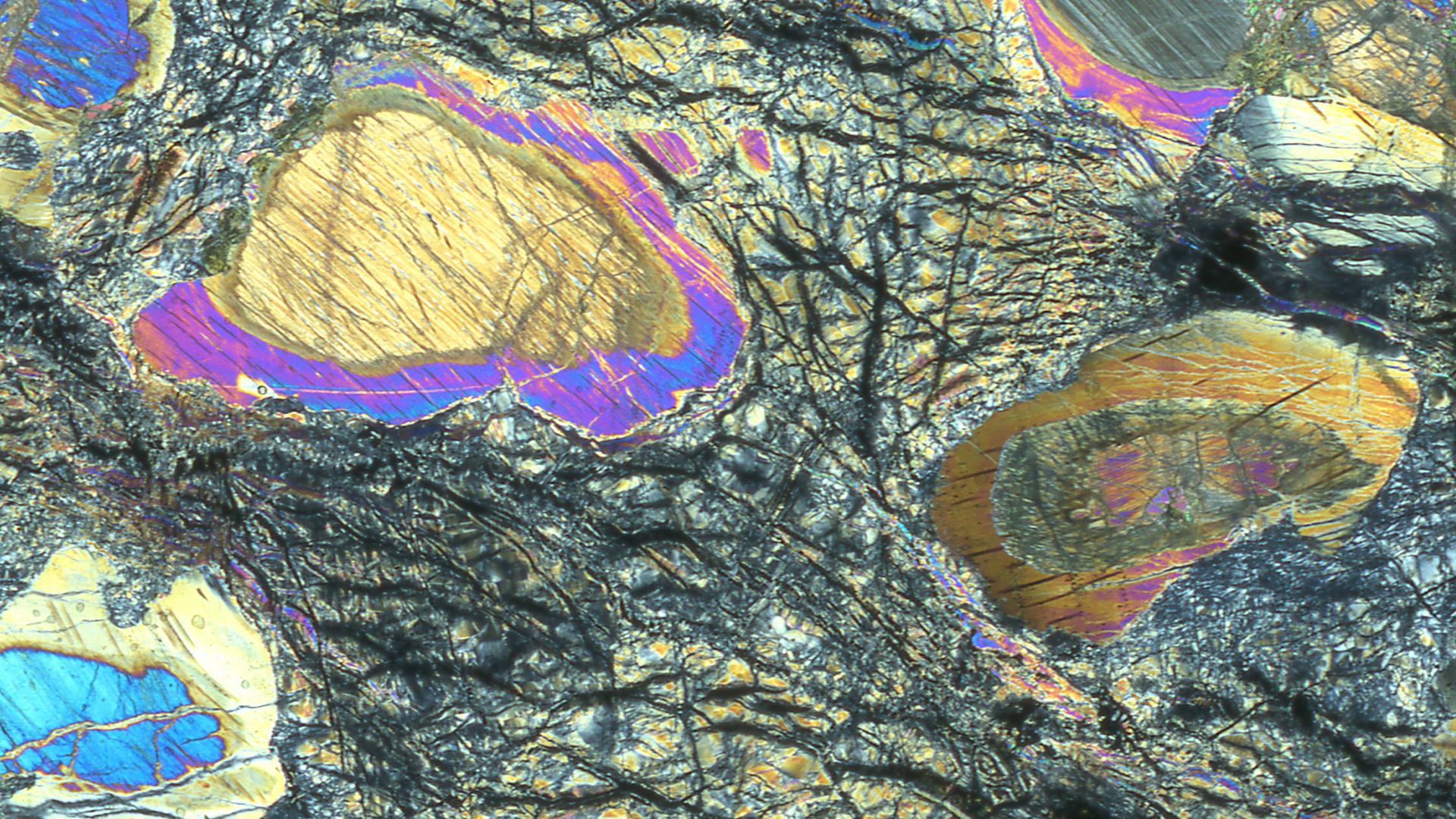
Rock from the deepest hole ever drilled into Earth's mantle is revealing new details about the planet's largest layer and potentially the origin of life, scientists report today.
The big picture: Just below Earth's crust, the upper mantle plays an important role in plate tectonics, the cycling of carbon and water on the planet and the landscape we live in by moving material and transferring heat from the planet's core.
- Much of what scientists know about the mantle comes from studies of rocks collected from the ocean floor, which are often weathered or altered by other processes.
What they did: The record-setting mantle rock was recovered from a 4,160-foot hole drilled into the Atlantis Massif, an underwater mountain in the North Atlantic where the mantle has been pushed closer to the surface by tectonic activity.
- On top of the 10,000-foot-high mountain, there is a field of hydrothermal vents dubbed Lost City.
- Mantle rocks are primarily made of abyssal peridotite that, when exposed to seawater, release hydrogen that can fuel the production of methane and organic molecules — a process some scientists have suggested could be tied to the origin of life.
What they found: The mantle rock had a low amount of the mineral pyroxene compared to other samples of abyssal peridotite collected elsewhere on Earth, the team reported in the journal Science.
- That suggests this part of the mantle underwent a high degree of melting — a process scientists are still trying to understand.
The intrigue: They also found evidence that the rock had interacted with hydrothermal fluid with signs of weathering from oxidation nearly 650 feet down — clues about the conditions that may have led to the emergence of life.
Big thanks to technology editor Meg Morrone and copy editor Carolyn DiPaolo.
Sign up for Axios Science