Axios Portland

March 02, 2026

😊 Welcome back, Monday. We're trying to be optimistic about it and it's working!
🌤️ Today's weather: Mostly sunny, with a high of 59 and a low of 40.
Situational awareness: Follow Axios' ongoing coverage of the U.S. and Israel-led attacks on Iran here.
Today's newsletter is 1,044 words — a 4-minute read.
1 big thing: ⚡️ Underwater power push
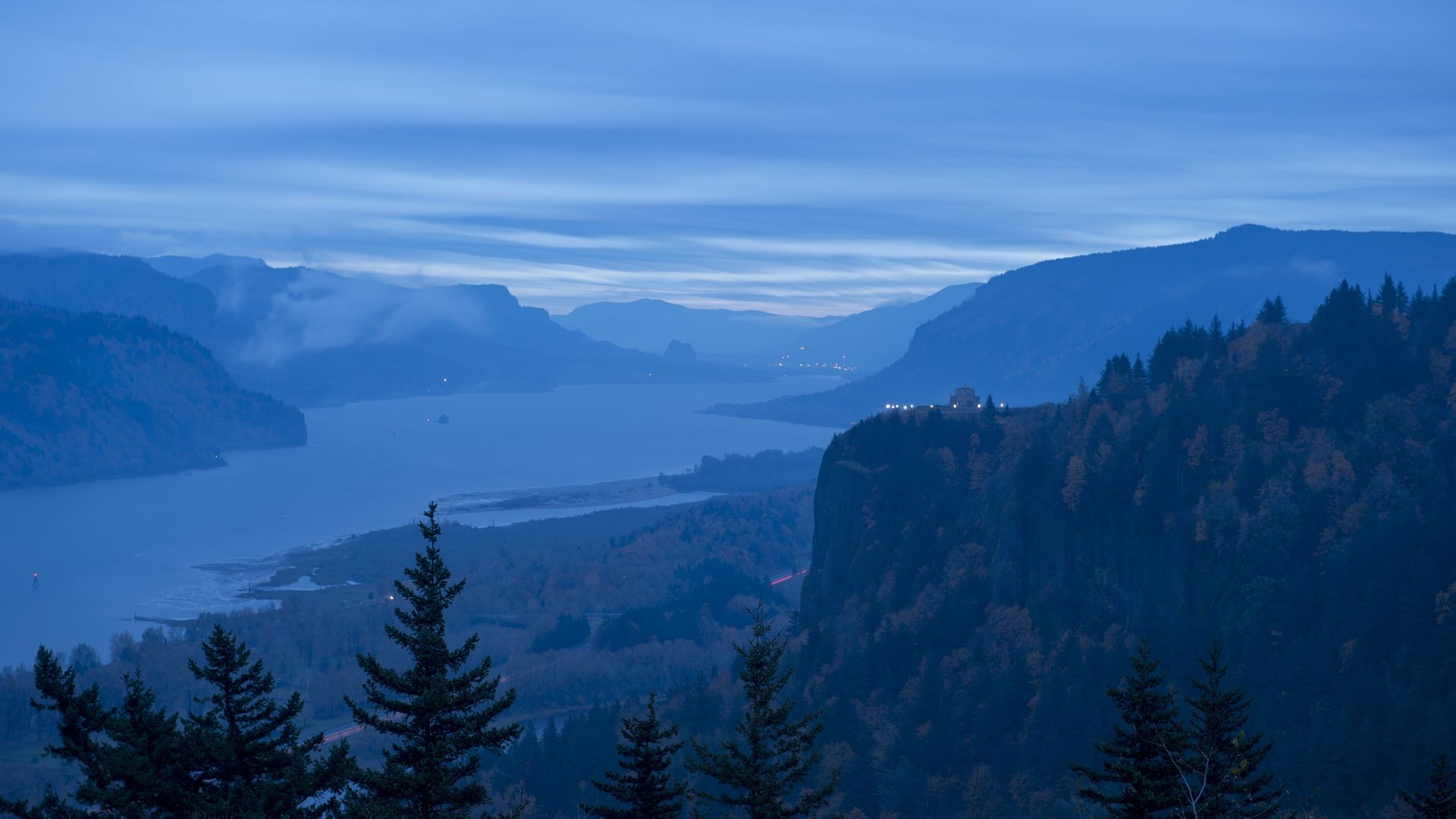
Environmental advocates and tribes are raising concerns over a proposal to bury an electric transmission line under the Columbia River from the east end of the Gorge to Portland.
Why it matters: The project would be the first transmission line buried beneath the Columbia River and could expand the region's ability to move renewable power west if approved.
How it works: The nearly $2 billion Cascade Renewable Transmission System would move 1,100 megawatts of power — enough to power up to a million homes — from The Dalles to a substation in the Northwest Portland neighborhood of Harborton.
- To do so, PowerBridge, the Connecticut-based company behind the project, has proposed using a device called a hydroplow to dig a 2-foot-wide trench using water jets along roughly 80 miles of riverbed.
- A 12-inch cable bundle would then be buried 10 to 15 feet below the river, capable of delivering electricity from large-scale renewable energy projects in eastern Oregon to power-hungry population centers like Portland.
The big picture: Oregon and Washington are trying to add transmission capacity as demand grows and states move to eliminate carbon emissions from power generation.
Yes, but: A group of environmental advocates — including Columbia Riverkeeper, Friends of the Columbia River Gorge and the Columbia River Inter-Tribal Fish Commission — said last week that the project poses serious risks to water quality, endangered fish, tribal treaty rights and cultural resources.
- They worry that sediment stirred up by the digging could contain harmful toxins, that heat from the line could affect an already-warming river and what would happen when the line reaches the end of its estimated 40-year lifespan.
The other side: Chris Hocker, permitting lead for PowerBridge on the project, told Axios the company has "conducted and will continue to conduct extensive scientific studies to demonstrate that the impacts will be largely temporary and minimal."
- And he pointed to two similar projects in New York and New Jersey, which have operated for 17 years with no reported adverse environmental impacts.
What they're saying: The unknowns are still too great to move forward, said Teryn Yazdani, a staff attorney for Columbia Riverkeeper, who called the project "a novel experiment."
Celebrating 5 years of Axios Local
🎈1 big thing: For five years, Axios has delivered smart, trustworthy local news to communities like yours — and we're just getting started.
Why it matters: Memberships sustain the journalism you rely on and help us keep delivering strong, independent reporting focused on what matters most.
Your newsletter helps you stay informed and connected. Help us power the next five years of Axios Portland by becoming a member today.
2. 📉 Number du jour: 4,800
Oregon issued only 4,800 new multifamily housing unit permits in 2024 — the lowest total in more than a decade, according to a new Oregon Journalism Project report using federal data.
Why it matters: The state needs tens of thousands of new homes to address its ongoing crisis, and multifamily housing — which includes duplexes, townhomes and large apartments complexes — is widely seen as an effective way to add supply fast, even with economic and land-use constraints.
By the numbers: Gov. Tina Kotek set an ambitious goal of building 36,000 housing units a year from when she took office in 2023 — a number the state has continually failed to meet.
- Permitting for multifamily housing over the last decade hit a high in 2019, when 10,500 permits were issued.
- Preliminary numbers for 2025 show equally dismal totals as the year before, with approximately 4,400 permits issued as of October 2025.
The bottom line: The state's housing crisis will become more acute if it doesn't build up to 500,000 more homes over the next 20 years, per a December report from the Department of Administrative Services.
- Former state economist Mark McMullen told OJP that cautious lending from banks and higher interest rates are contributing to the squeeze.
- Plus: Out-of-state financiers often look at a city's economic and census growth data before making a decision to lend — two factors Oregon has working against it.
3. Rose City Rundown
🏟️ State lawmakers took the first step toward approving roughly $365 million to renovate the Moda Center, a move some say is necessary to guarantee the Blazers new owner doesn't look to move the team. (OPB)
🚗 In other lawmaker news, legislators again delayed a vote on a bill that would put new gas taxes and other road fees on the ballot in May instead of November.
- The bill is scheduled for a vote today after lawmakers blew through a deadline last week. (Oregon Capital Chronicle)
👀 Soundscape Northwest — A SXSW-style music festival slated to take place in Portland's inner Eastside in less than two months — has yet to secure the venues and permits needed to put on the large outdoor party it has planned. (The Oregonian)
📚 The Lloyd Center's Barnes & Noble is embarking on its last chapter after the bookseller announced plans to close up shop this summer ahead of the mall's demolition. (Portland Business Journal)
4. 🍵 SW's new matcha shop
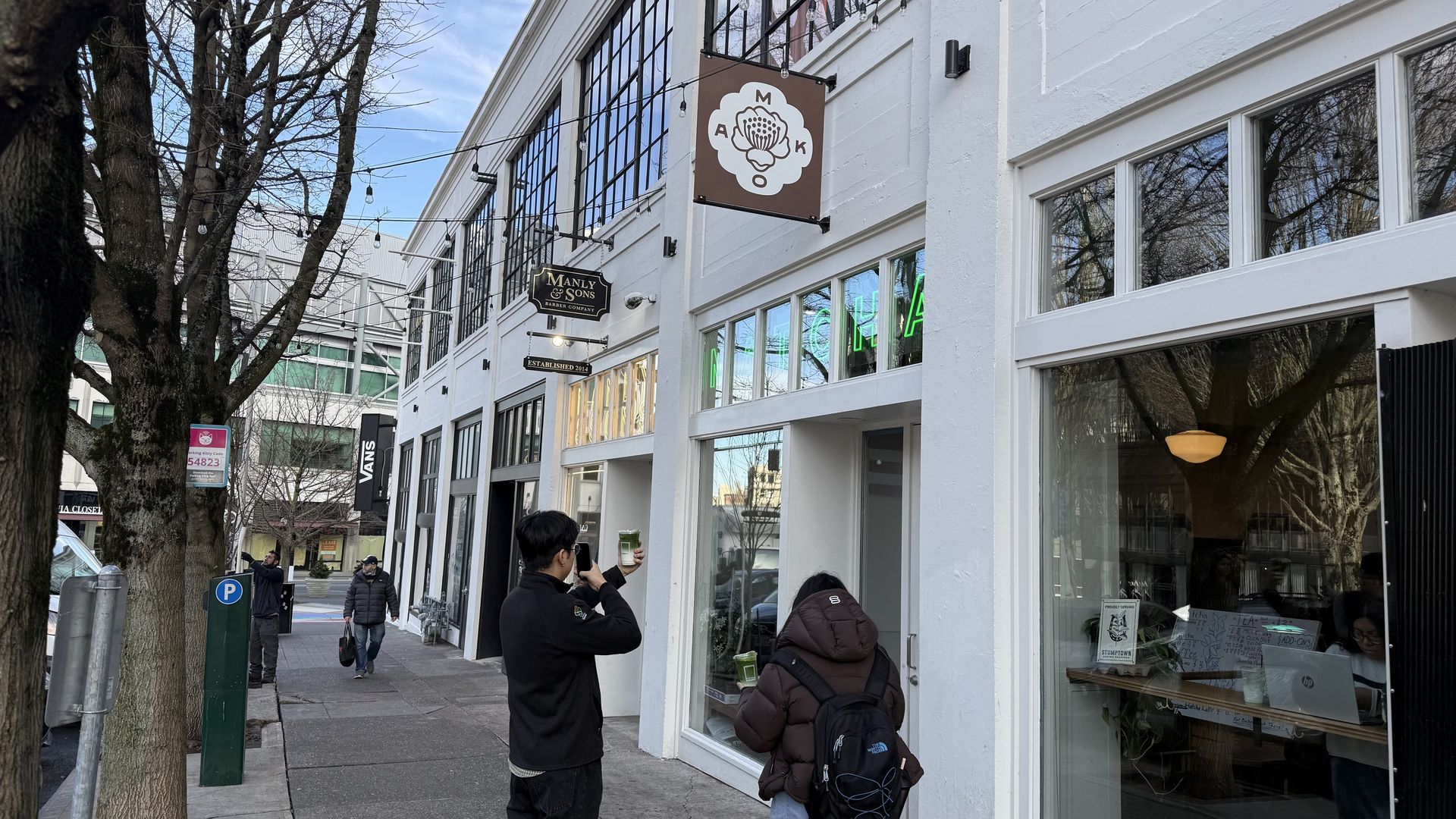
A new matcha cafe is now open in Southwest Portland's West End neighborhood, grinding its own dried, shade-grown tea leaves on site.
The big picture: Mako Matcha Mill is receiving the same amount of buzz — including hour-plus waits — as Project Matcha, which opened in Central Eastside last spring, luring in hordes of customers with Instagram-friendly drinks and high-quality tea.
Zoom in: The sleek interior space, once occupied by Cacao, features the countertop matcha mill where tea leaves sourced from Japan are milled to a fine, dust-like texture leaving the room smelling sweet and earthy.
- Co-owners Edison Zeng and Emily Dewey told Bridgetown Bites they're currently growing matcha in Salem, in collaboration with Minto Island Tea Co., and hope to offer it soon.
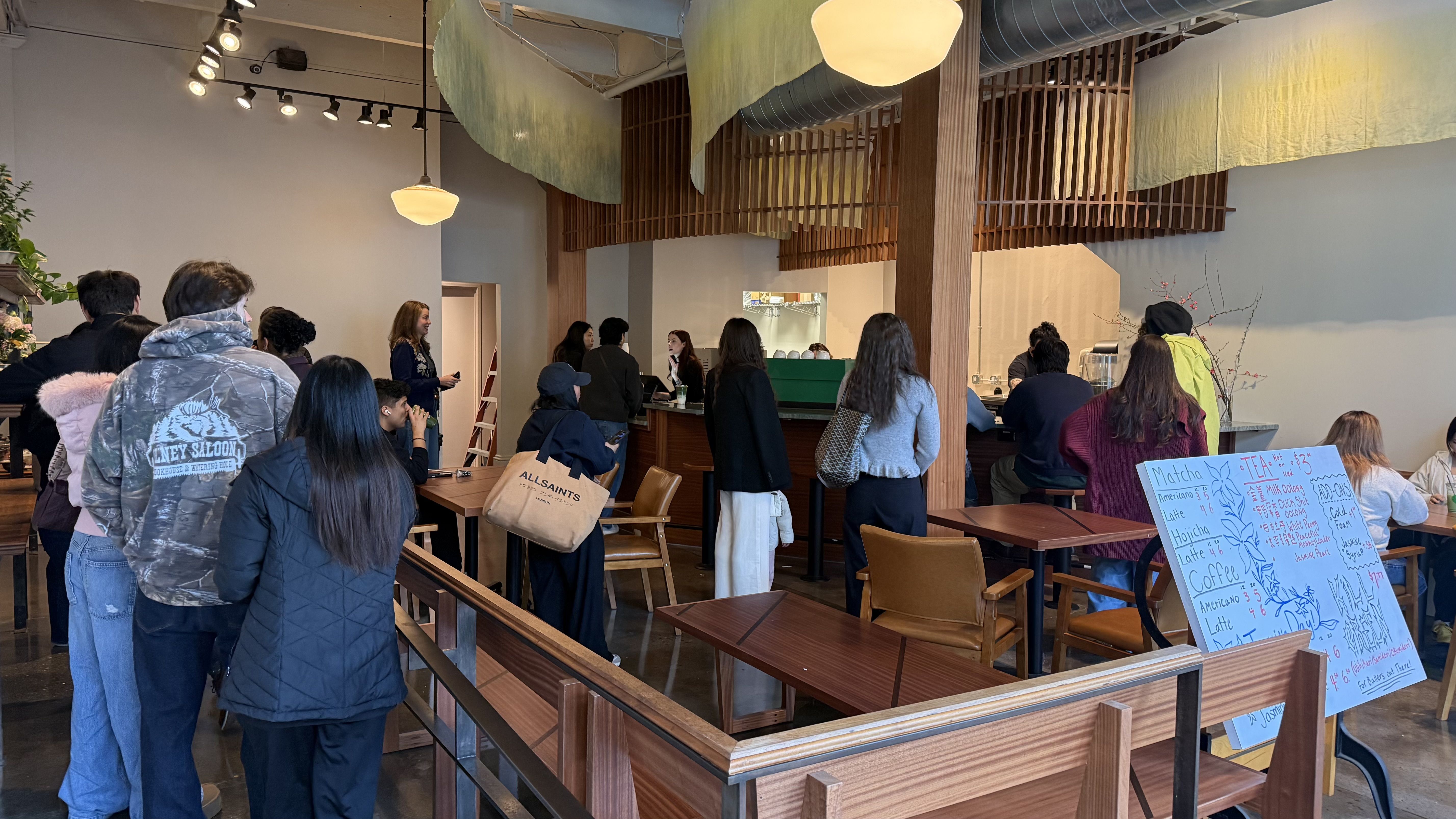
The intrigue: What sets Mako apart from other local matcha shops is not only their dedication to the production element of matcha itself, but its prices.
- Matcha lattes start at $4 for 12 ounces, a rarity these days in part due to a global shortage.
5. 🌸 1 gif to go
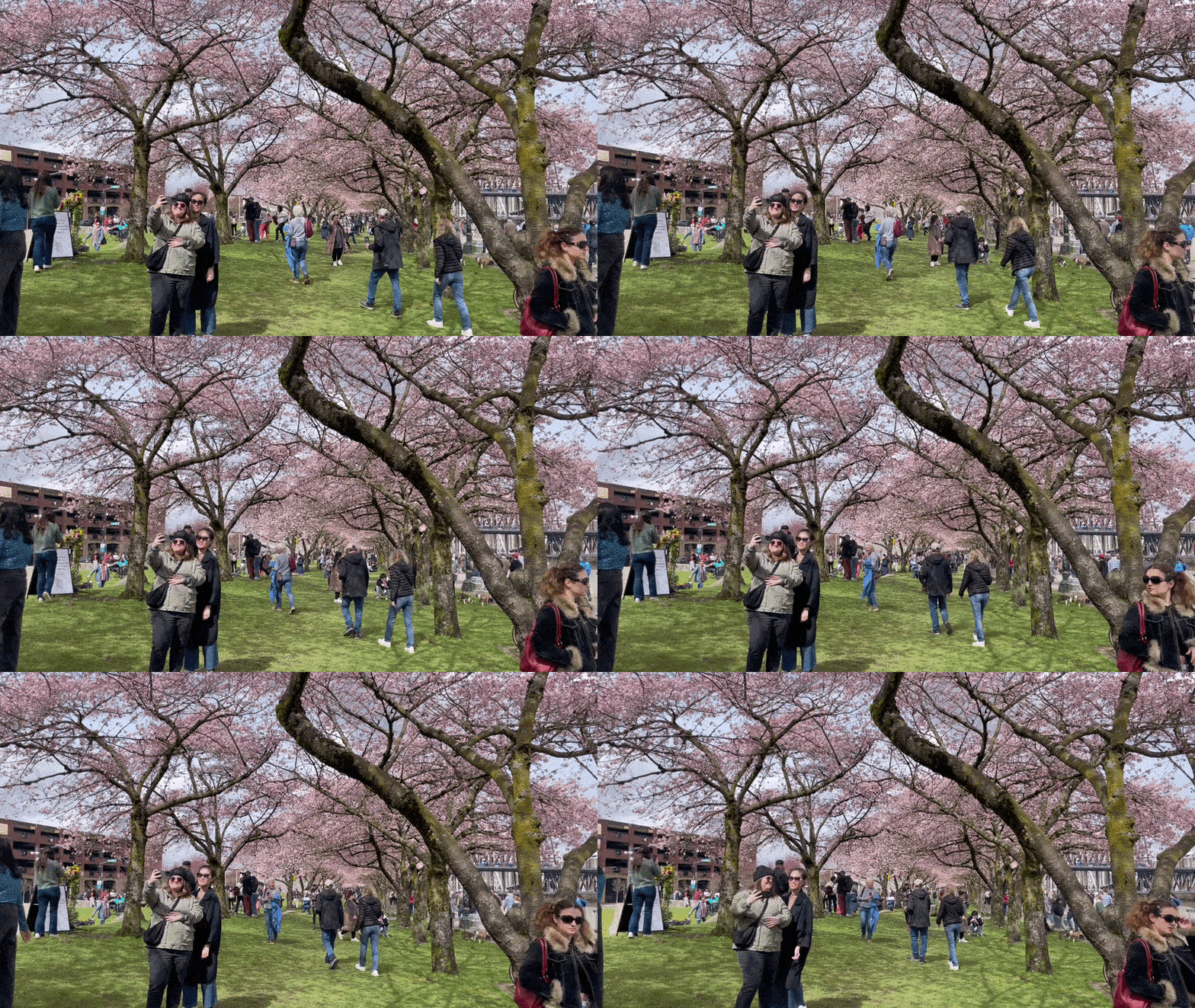
Start the cherry blossom countdown!
Believe it or not, we're only a few weeks away from peak bloom, which usually takes place from mid-March to early-April (weather depending).
- Sunshine over the weekend led many trees at the Portland Japanese Garden to start budding.
- Once flowers start peeking out, trees usually bloom for seven days.
Spring will be here sooner than we know it.
🌊 Kale is at the coast.
💵 Meira is paying her arts tax.
This newsletter was edited by Geoff Ziezulewicz.
Sign up for Axios Portland