Axios Portland

May 14, 2026


Hey there, Thursday. If your dreams don't scare you, they aren't big enough.
🗓️ On this day: In 1808, Asa Lovejoy — one of the founders of Portland — was born.
- He wanted to name the city Boston after his hometown, but lost the coin flip to Francis Pettygrove.
⛅ Today's weather: Partly sunny, high 69, low 48.
🎸 Sounds like: "Shadow" by Wild Nothing, who play Revolution Hall tonight.
Today's newsletter is 966 words — a 3.5-minute read.
1 big thing: 🌱 Farmers' water worries
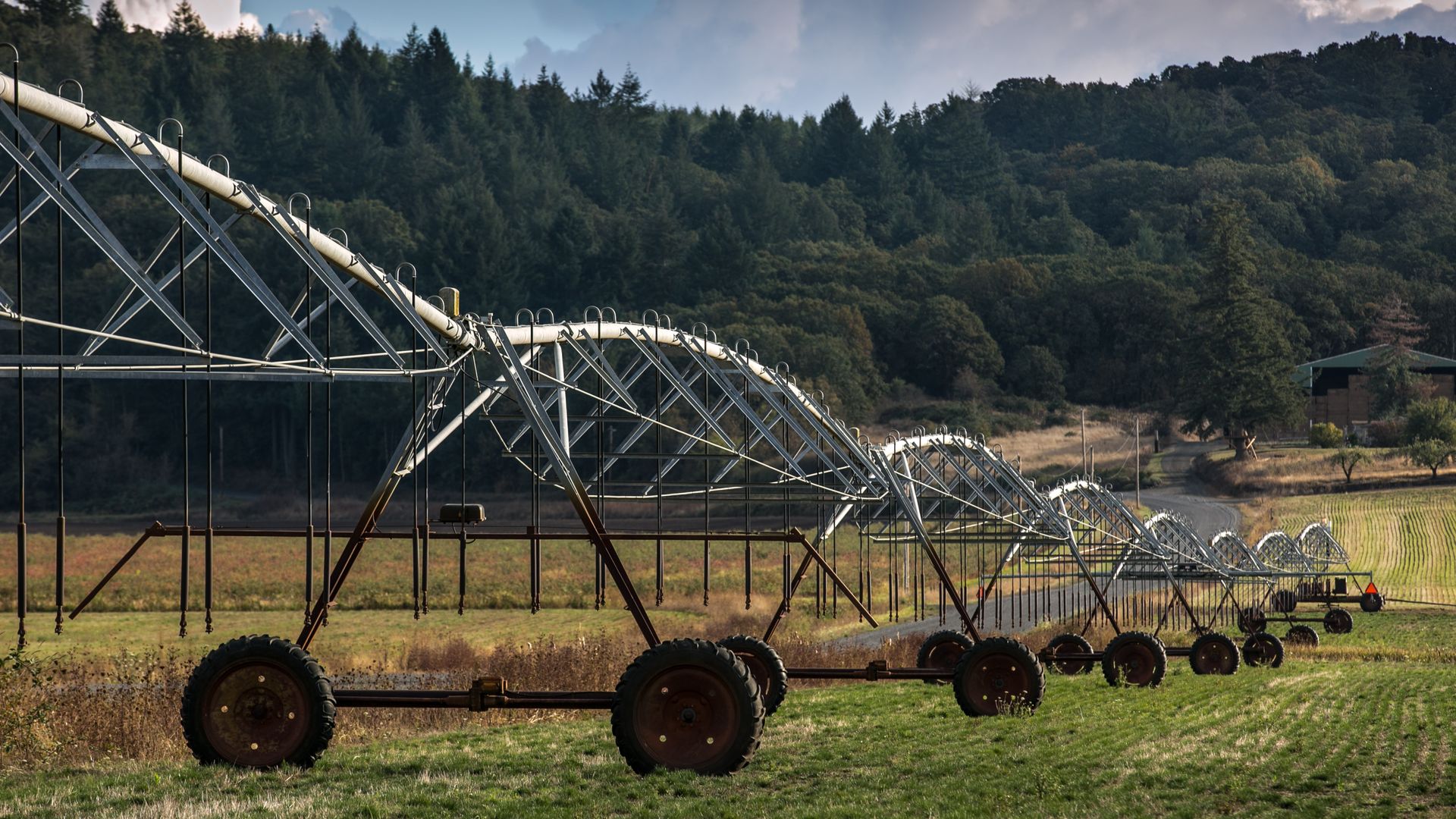
Oregon's near-record low snowpack is raising fears of severe irrigation shortages ahead of farms' summer growing season.
Why it matters: Agriculture makes up roughly 13% of the Oregon's gross product — with around $5 billion in annual production — so water shortages will have ripple effects across the state's economy.
By the numbers: Snowpack in Oregon was just 10% of normal as of early May.
- Mountain snow acts as an important water source for farmers, melting into streams, rivers and reservoirs, which then feed into irrigation systems.
- Around 70% of the state was already in moderate to severe drought as of Wednesday, per the U.S. Drought Monitor.
Threat level: "People are anxious and exploring strategies for trying to get through what is obviously going to be a really, really tough year in the state," Greg Addington, executive director of the Oregon Farm Bureau, told Axios.
- "I don't think anybody is expecting to get a full supply of water this year."
Zoom in: Farmers in the Klamath Basin, in southeast Oregon, are likely to see about half the water they usually see, Addington said.
- The Ochoco Irrigation District, near Prineville, is expected to get about two-thirds of its usual water supply, according to Addington.
- To compensate, farmers in the Klamath Basin are looking at leaving roughly a quarter of their 200,000 acres unplanted, Addington said.
- Others are looking at planting fewer water-intensive crops or tapping groundwater reserves.
Friction point: But there's frustration among some farmers that agriculture often becomes the "default water supply" taken for other competing needs, including fish protections and municipal use, during dry spells, Addington said.
- "Fish need more water. Cities need more water. Well, where does it come from? And we know where it's coming from now," he said.
Yes, but: Farms, cities and ecosystems "are going to face challenges this season," Jason Cox, a spokesperson for the Oregon Water Resources Department, told Axios, noting that agriculture represents about 78% of the state's water use.
- But Oregon's water rights system works on a complex and regional "first in time, first in right" principle.
- The people who claimed rights to use water earliest — senior rights holders — generally get priority over more junior users, so the state has limited flexibility to help those facing shortages.
2. ⛽ Summer travel squeeze
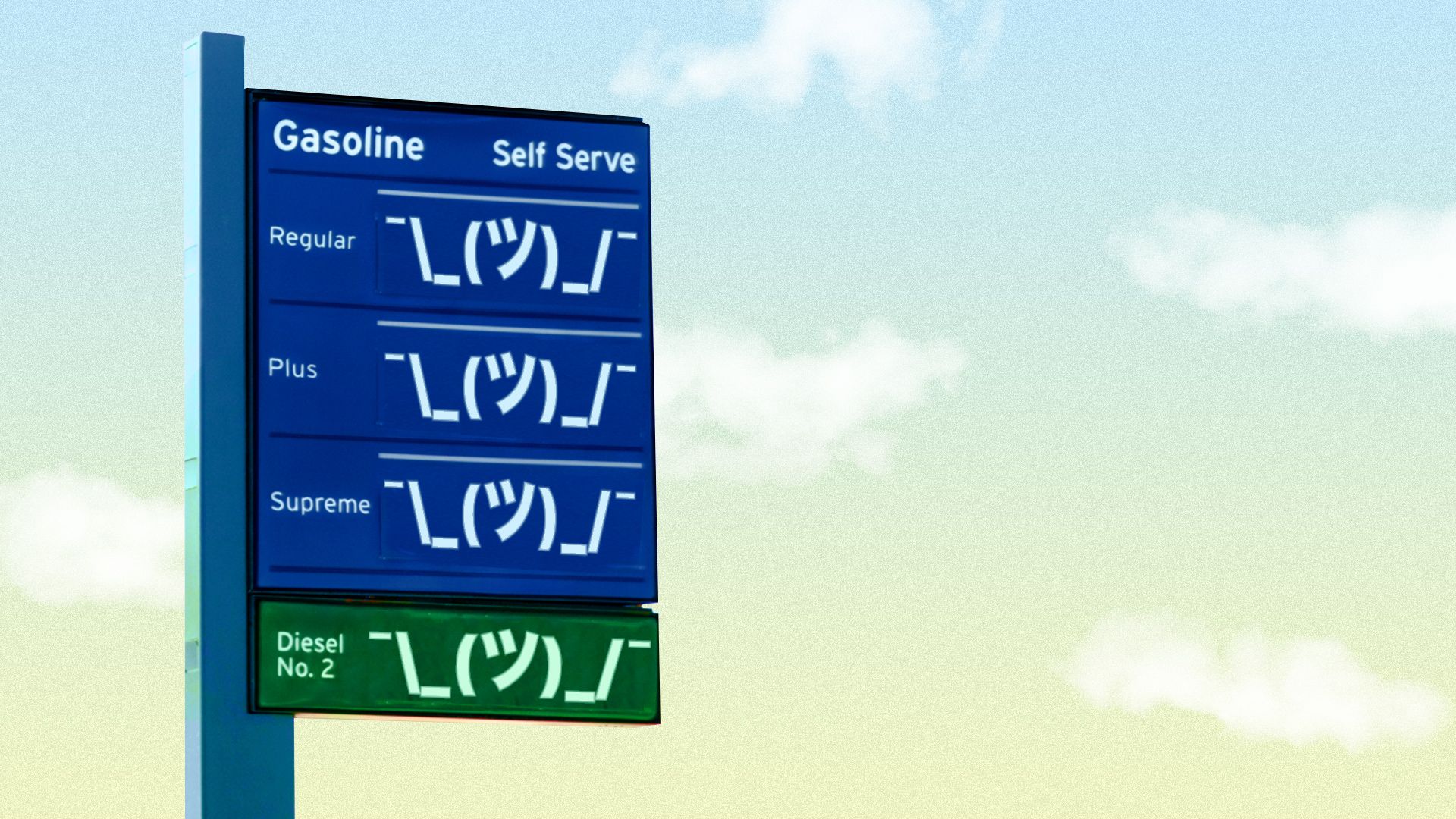
Some Portland-area residents are scaling back vacations, skipping flights and sticking closer to home as rising gas prices and airfare make summer travel harder to justify.
The latest: Consumer prices climbed 3.8% last month compared to a year earlier — the highest increase since 2023 — with energy and travel costs driving much of the rise, according to new federal data.
- Airfare jumped 2.8% in April and a gallon gas cost $5.47 on average this week in Multmomah County, per AAA.
What you're saying: Readers told us higher prices are forcing difficult tradeoffs.
- "I was supposed to be in Mexico right now," Kathy M. told Axios, adding that she didn't feel safe going while the U.S. is at war with Iran. A last-minute Southwest roadtrip was also abandoned due to gas prices. "I could've been by my favorite pool."
- Two plane tickets totaling nearly $6,000 made Jesse R. rethink a vacation in the U.K. next month. Instead, he and his wife will spend a few days in New York.
Meanwhile, Sonia M. said the cost of flights to Hawaii or Mexico — "almost twice what they usually would be" — pushed her to swap a warm-weather getaway for a quieter — albeit colder — trip to the coast instead.
- "At least my tourism money that would be spent elsewhere will stay in-state," she said.
3. Rose City Rundown

🚚 A recent survey found more than 40% of respondents were considering moving out of Portland, with 55% citing high taxes as one of the primary reasons for looking elsewhere. (The Oregonian)
The rate of abuse in Oregon's foster care system reached an all-time high in 2025, even after a lawsuit was settled the previous year with aims to reduce harm to children in the system. (OPB)
👀 News outlets owned by Advance Local, including the Oregonian, have been quietly publishing thousands of articles promoting gambling sites and prediction markets. (Popular Information)
🥒 A former post office building in Multnomah Village will get new life as a pickle ball destination with multiple courts, a bar and and an outdoor patio with food carts. (Portland Business Journal)
4. 🍜 Your next snack stop
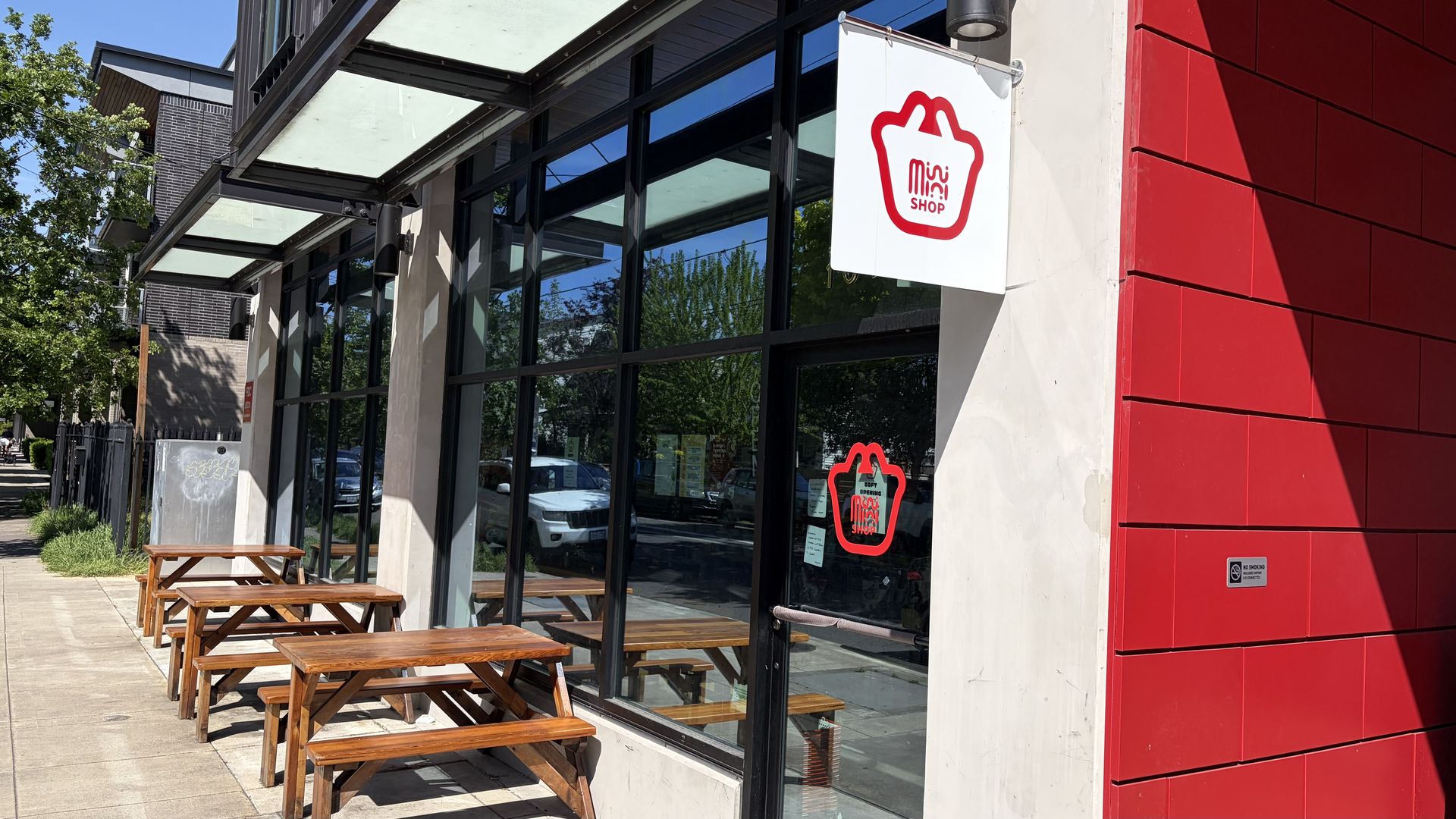
If you're looking for a Japanese ramen bar, boba cafe and convenience store all wrapped into one, might I suggest Mini Mini Shop.
- Here you'll find shelves packed with imported snacks, sodas, sweets and even stationery, pens, plushies and other cute accessories.
The DIY ramen bar is the biggest draw. There's cult-favorite brands like Shin Ramyun, Buldak and Sapporo Ichiban in a wide range of flavors and noodle types.
- Creamy miso tonkotsu udon, spicy seafood-black garlic vermicelli as well as curry ramen and cheese are just a few of the harder-to-find varieties rarely stocked in American grocery stores.
- Not only does it make for a pretty inexpensive lunch — most packs start at $2.50 while additional toppings like pork chashu, spam and hard-boiled egg are $1.25 extra — it feels like stumbling into a tiny Tokyo corner store in the middle of Portland.
If you go: Mini Mini Shop (3912 North Vancouver Avenue) is open daily at noon.
🧘♂️ Kale is trying to breathe through it.
🍿 Meira is on a kettle corn kick.
This newsletter was edited by Geoff Ziezulewicz.
Sign up for Axios Portland
