Axios Markets

December 03, 2024


🌅 Good Tuesday morning! Back with you today to explain what happens when you love two currencies equally, but have to pick one.
- We're also looking at the "threaten tariffs first, ask questions later" model of economic planning. All in 888 words, 3 minutes.
🗓️ If you're in NYC: Join Axios' Felix Salmon and Kate Marino tonight at 6:00pm ET for our annual Giving Tuesday event, featuring conversations with GoFundMe CEO Tim Cadogan and Case Foundation CEO Jean Case about the future of philanthropy. RSVP here.
1 big thing: Trump's currency cakeism
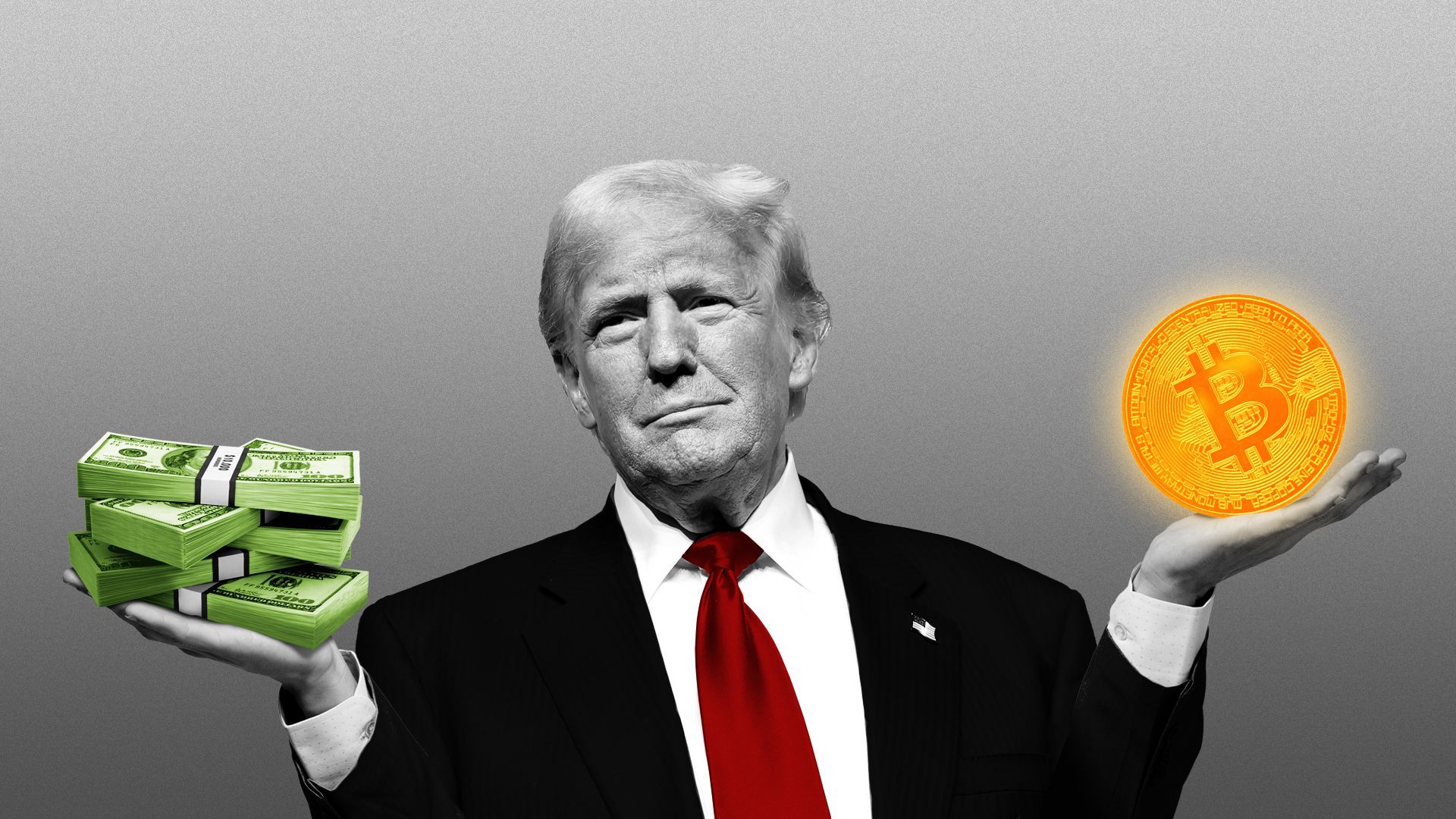
Should the U.S. government be worried about a potential threat to the dollar's status as the dominant global reserve currency? President-elect Donald Trump thinks so — but then again, he also thinks it shouldn't.
Why it matters: Trump feels so threatened by the risk posed by a rival to the dollar that he's willing to impose 100% tariffs on countries considering such a move.
- On the other hand, he has warmly embraced bitcoin, which was...created to be a rival to the dollar.
- It's another thorny internal contradiction of Trumponomics, as our colleague Neil Irwin has written, which will have to be sorted out sooner than later.
What he's saying: "Those who say that bitcoin is a threat to the dollar have the story exactly backwards," Trump said in a speech to a bitcoin conference in Nashville in July.
- "Bitcoin is not threatening the dollar," he explained. "The behavior of the current U.S. government is really threatening the dollar."
Between the lines: It's an article of faith among bitcoiners that fiat currencies in general, and the U.S. dollar in particular, make for terrible reserve currencies because of the way that governments can print them at will.
- The argument goes that because there will never be more than 21 million bitcoins, the digital token is a stronger and more useful currency, which should and will supplant the dollar.
- Trump's counterargument, as limned in his Nashville speech, is that the determination whether the dollar retains its global reserve status lies entirely in the hands of the U.S. government itself. So long as the U.S. remains fiscally prudent, the dollar will remain dominant.
Where it stands: The BRICS — Brazil, Russia, India, China, and South Africa — have joined with Saudi Arabia, Iran, Ethiopia, Egypt, and the United Arab Emirates to declare their opposition to a unipolar world where the U.S. can wield economic power far beyond its own shores.
- The dollar will remain the dominant global reserve currency for the foreseeable future, though, whatever the BRICS decide to do.
- That said, one of the most effective ways to reduce dollar dominance would be for the U.S. to impose punitive tariffs on the world's most populous countries, thereby forcing them to trade more with each other and less with the global hegemon.
The bottom line: If the BRICS want to unite behind a dollar rival that Trump has endorsed but can't control, perhaps they should start thinking about bitcoin.
2. Tariff first, ask questions later
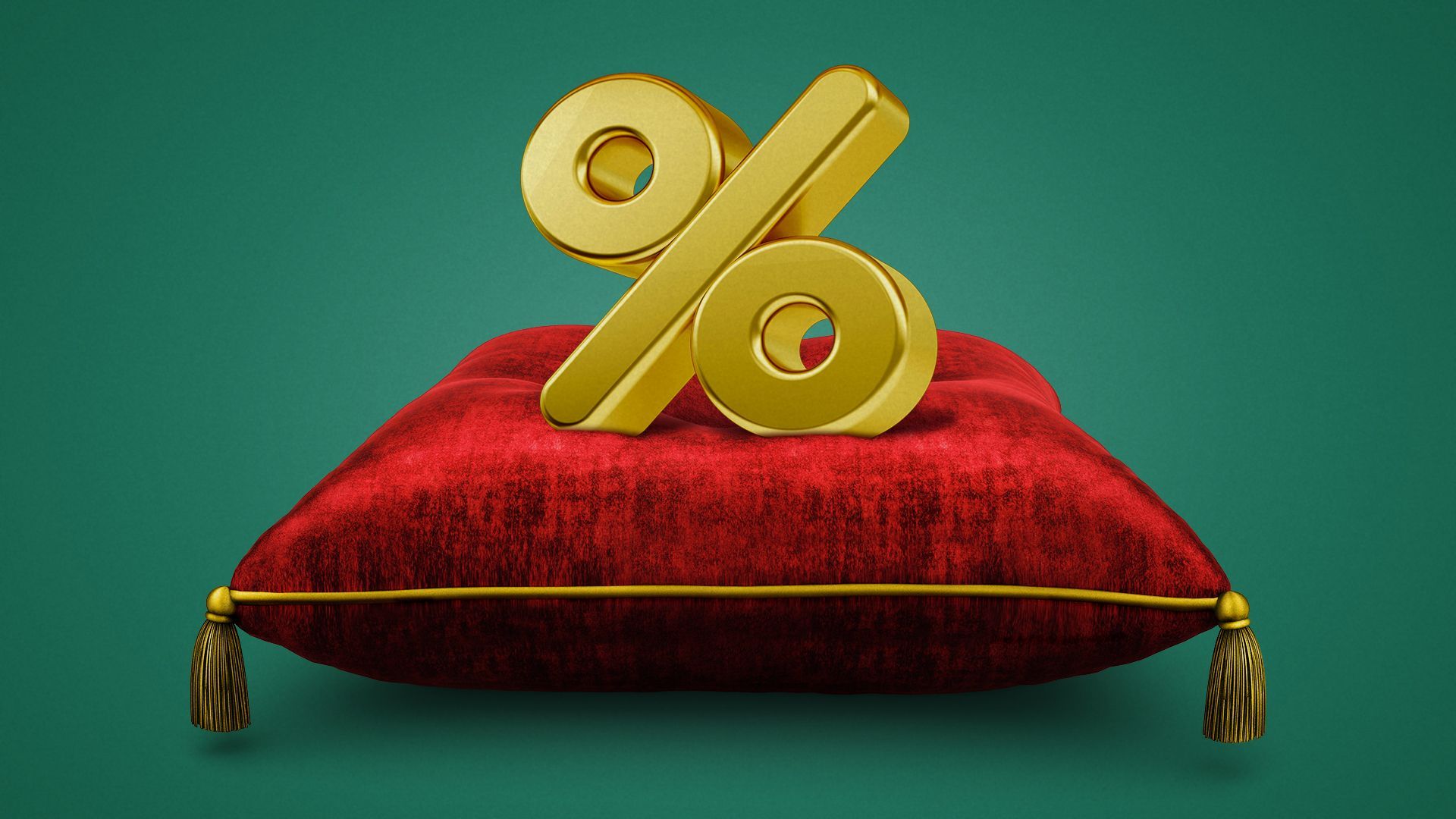
Trump's tariff threats, first on Mexico and Canada and now on the BRICS nations, are a natural extension of one of the dominant themes of his presidential campaign — that tariffs are the solution to almost any problem.
Why it matters: Trump's natural inclination is clearly to impose huge tariffs on as many countries as possible, or at least to say as much.
Between the lines: The stated rationale for the imposition of tariffs — whether it's fentanyl crossing the border or vague gestures at counteracting dollar dominance — is not being taken particularly seriously by the market, which sees such rhetoric as just the way Trump likes to conduct trade negotiations.
Yes, but: That said, Trump would clearly like higher tariffs, mainly because he thinks they will bring in enough revenue to be able to cut taxes and bring the budget deficit down to a reasonable 3% of GDP.
The bottom line: The threat of new tariffs is going to be a constant drumbeat over the next four years, regardless of whether and when such tariffs actually get imposed.
3. Gen Z's $600,000 angst

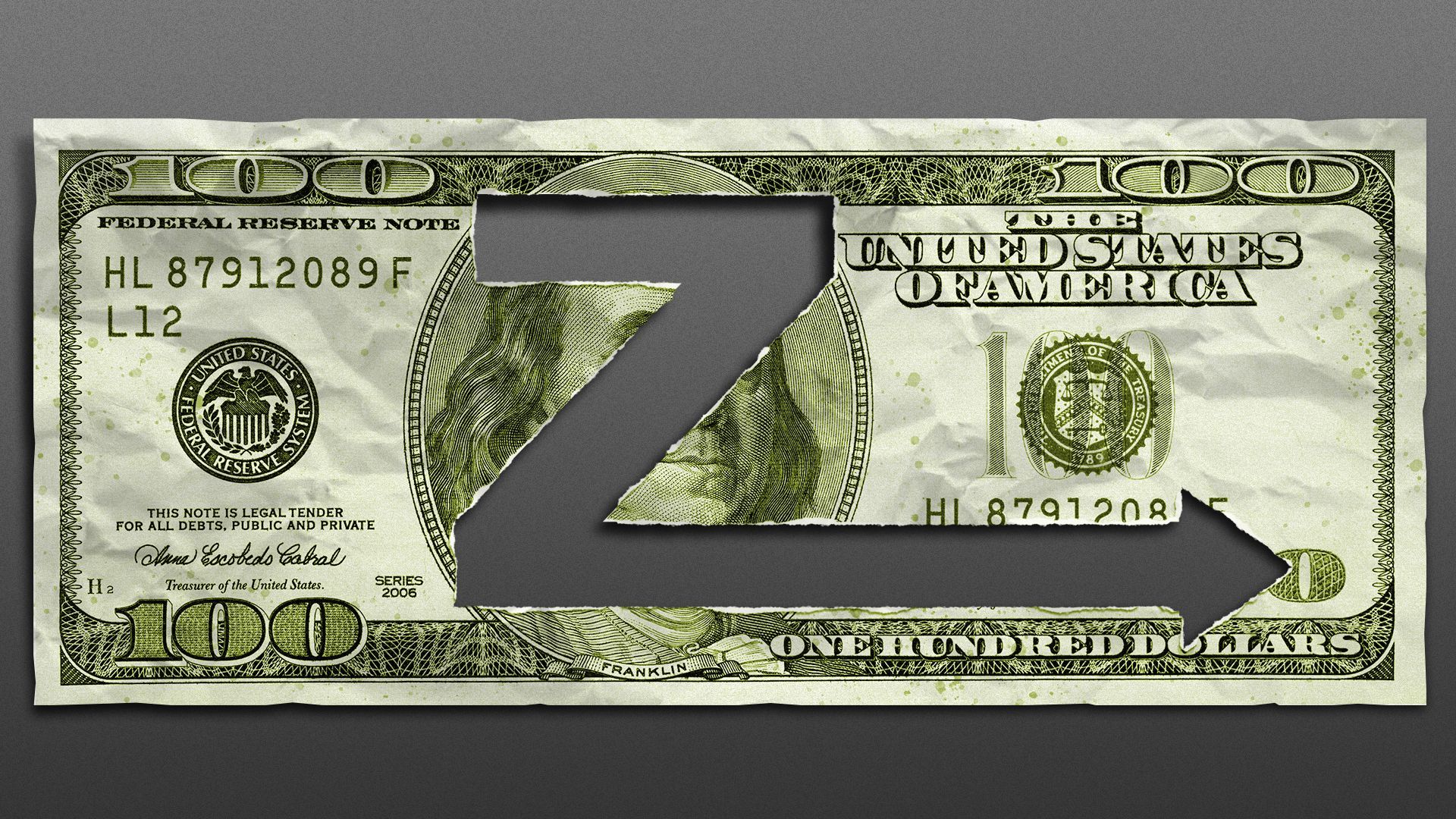
Gen Z's lofty salary goal of nearly $600,000 a year underlies a generational shift to the political right, driven by a lifetime of economic turbulence.
Why it matters: Young voters were already moving away from a liberal worldview, but if these attitudes hold, the implications for the next few election cycles are profound.
Catch up quick: Financial services company Empower surveyed more than 2,200 Americans in September, and the Gen Z respondents — born between 1997 and 2012 — said they would need to make more than $587,000 a year to be "financially successful."
- That's roughly three times to six times what any other age group said they would need.
Zoom out: There are a number of factors at play that have a cumulative effect on Gen Z's financial attitudes.
- Doom loop: "We're dealing with a generation that has truly never seen in their memory a time of economic stability," MaryLeigh Bliss, chief content officer at youth market researcher YPulse, tells Axios.
- Angst: "Many people feel they're coming up short — with half believing they're less financially successful compared to others around them," says Rebecca Rickert, head of communications at Empower.
- Persistently high costs: "'Feeling successful' when you have to have a roommate to afford rent undermines all capacity for consumption," David Bahnsen, whose California-based Bahnsen Group manages $6.5 billion in assets, tells Axios.
- The influence of influencers: "Influencers portray false versions of reality that suggest wealth building being easy and hard work being outdated," says David Laut, CIO of Abound Financial in California.
Yes, but: While Gen Z has outsized standards for success, they were also the group in the Empower survey most likely to say they expect to achieve that success in their lifetimes.
- That tracks with longstanding findings that the generation is pessimistic about the right now but upbeat about the future.
Thanks to Ben Berkowitz for editing and Anjelica Tan for copy editing. Until tomorrow!
Sign up for Axios Markets