Axios Login

March 11, 2022

Thanks to everyone who wrote in to say which After you Login option they liked best. I got the most email in favor of Fibonacci, but all three had their fans, so glad I included them all.
Situational awareness: Russian officials have called for Instagram to be banned in the country and for Meta to be labeled an "extremist organization," The Verge reports.
Today's newsletter is 1,179 words, a 4-minute read.
1 big thing: The ethical minefield of wartime social media
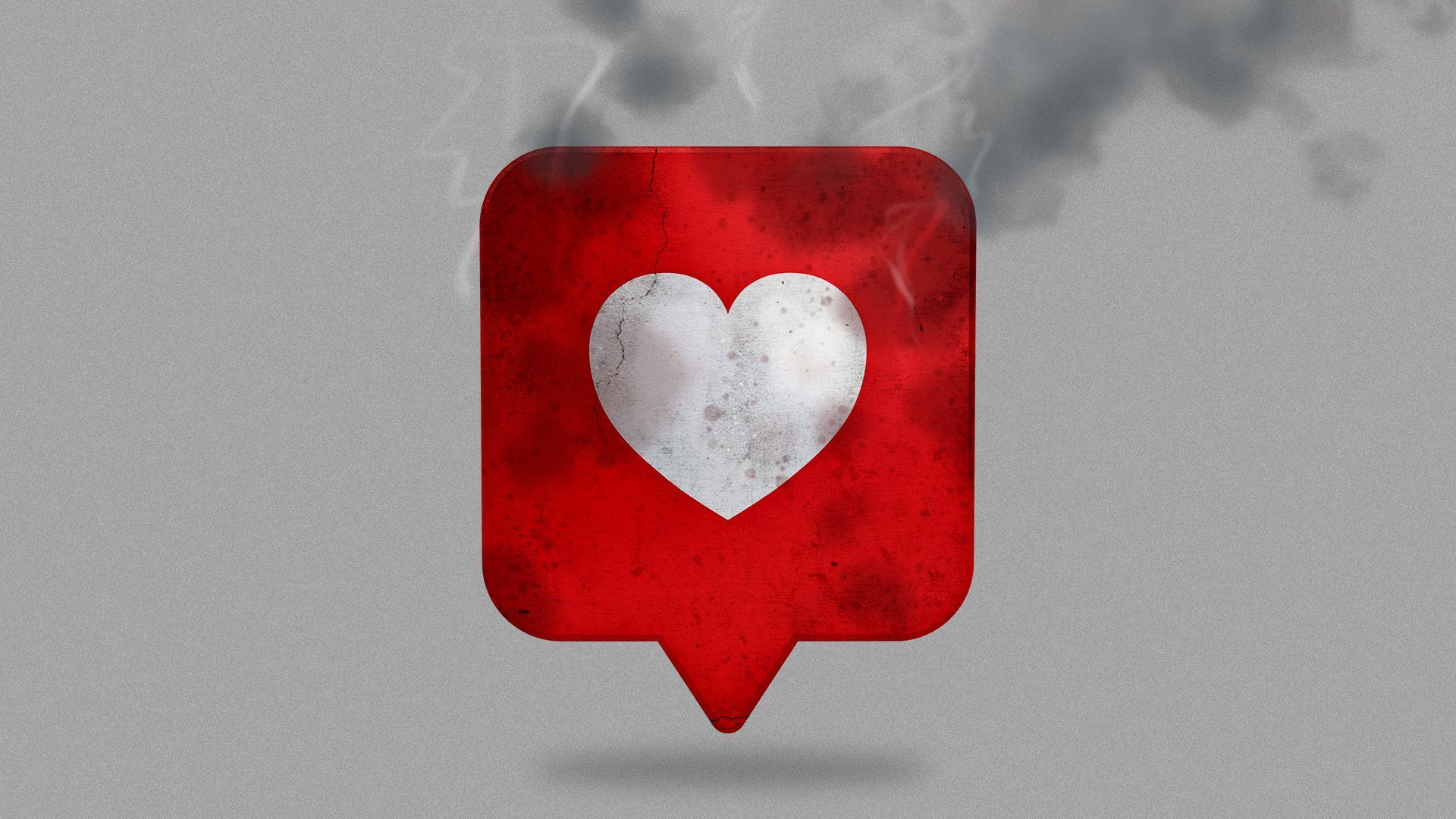
Illustration: Sarah Grillo/Axios
Russia's invasion of Ukraine is forcing new dilemmas on social media's rulemakers, not just in their efforts to limit the spread of misinformation but also as they struggle to handle graphic images of violence.
Why it matters: Platform moderators face complex ethical and legal calls over photos of dead soldiers, images of teens taking up arms, and videos of prisoners of war criticizing the conflict. Everyday users are confronting them, too.
Driving the news: Facebook and Instagram Thursday temporarily relaxed their rules around violent speech amid the Ukraine war.
- A company statement said Facebook would allow posts like "death to the Russian invaders," but "we still won't allow credible calls for violence against Russian civilians."
The big picture: War intensifies the human impulse to share powerful images, but leaves users with uncomfortable choices and pitfalls in the social media wilderness.
- With Russia both spreading misinformation and choking off external news sources, Ukraine has been relying heavily on social media to show Russians, and the world, what is happening in the country.
- That effort has been effective in helping galvanize a global response. But it can easily cross the line into propaganda, too.
When a video of a Russian soldier captured in Ukraine denouncing the invasion went viral, it wasn't long before observers pointed out that such footage, if produced by a government, might well violate the Geneva Conventions.
- Detainees "must be treated with dignity, and not exposed to public curiosity — like circulating images on social media," the ICRC said as part of a Twitter thread explaining those rules.
Some Ukraine supporters abroad cheered images showing Ukrainian teens suiting up for war in their skateboarding gear.
- Others raised questions about how such photos would be received had they come from other parts of the world.
Graphic photos of dead soldiers lying next to blasted tanks, and of wounded and dead civilians, have popped up around the world in countless Facebook feeds and Twitter streams.
- They are a reality of war and an important part of standing witness to its horrors. But many users aren't prepared or able to verify or analyze them, and outrage frequently overwhelms caution.
How it works: Online speech during wartime is governed on multiple levels.
- Rules of war, like the Geneva Conventions, cover some of this ground, even though they predate the pre-social media era.
- Platforms like Twitter, Facebook and TikTok have their own rules, along with the challenges of enforcing them amid the fog of war.
- Governments weigh in, too. A new Russian law imposes severe consequences on journalists within its borders whose reports counter the official government position.
Context: A decade of conflicts in the social media era, from the Arab Spring to Afghanistan and Syria, have given the platform companies some experience in navigating this terrain.
- Meta, for example, believes its existing rules have covered much of what it has seen to date.
Between the lines: Platforms run into trouble when their policies intended to protect users from harm end up shaping "an inaccurate picture of what is happening on the ground," according to a new study of TikTok as a source of wartime information.
2. Tech firms criticize Texas' trans youth order
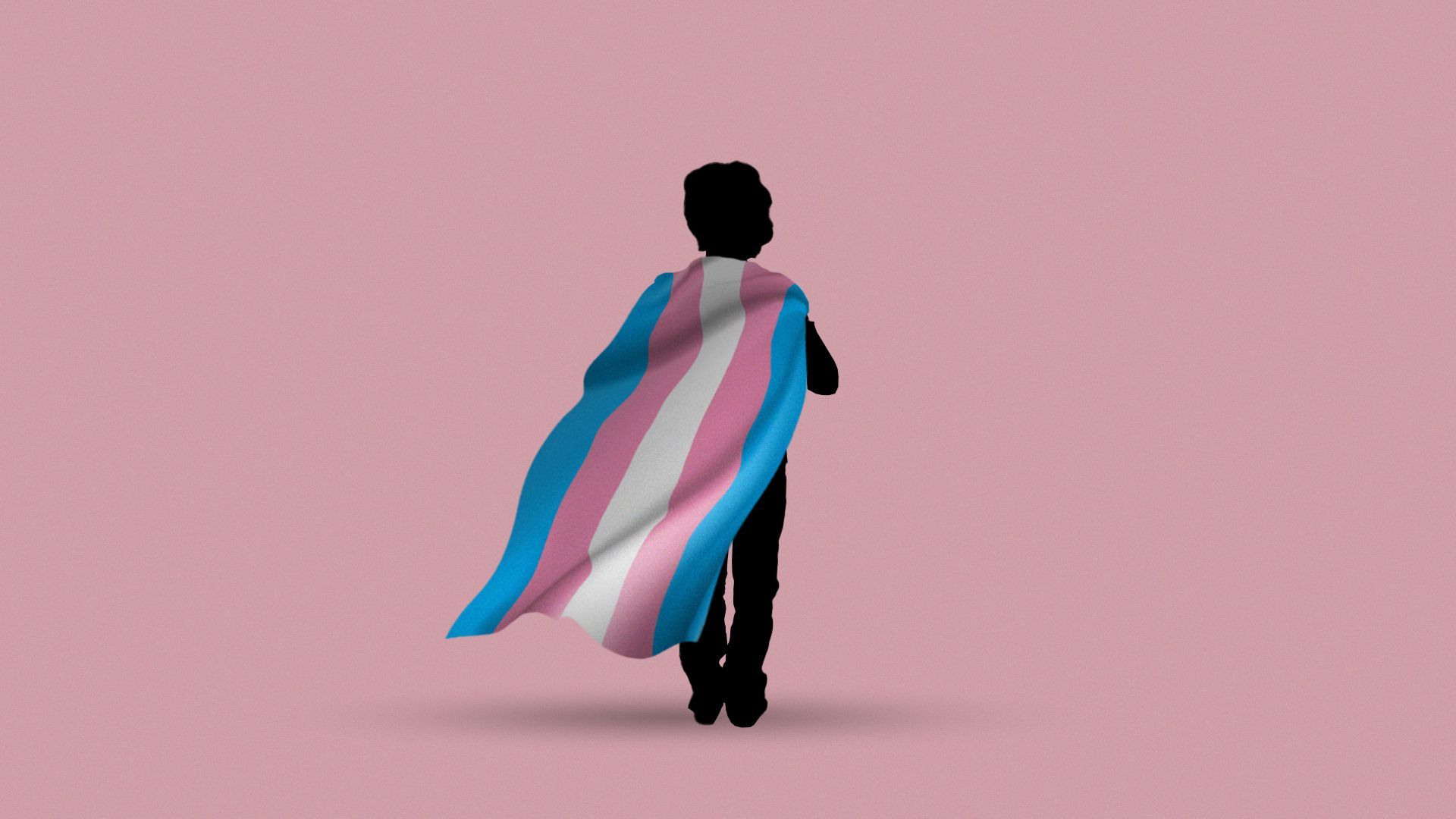
Illustration: Annelise Capossela/Axios
More than 60 companies, including some of the largest firms in tech and finance, are calling on Texas Gov. Greg Abbott to abandon an executive order that equates gender-affirming healthcare for transgender children with child abuse, Axios' Stephen Totilo and I report.
Driving the news: Apple, Google, IBM, Meta, Microsoft, PayPal and a number of other firms signed an open letter criticizing Abbott's move. The letter is also being run as an ad in today's Dallas Morning News.
"The recent attempt to criminalize a parent for helping their transgender child access medically necessary, age-appropriate healthcare in the state of Texas goes against the values of our companies," the ad states, according to a copy of it seen by Axios.
- "We call on public leaders — in Texas and across the country — to abandon efforts to write discrimination into law and policy."
- "It's not just wrong, it has an impact on our employees, our customers, their families, and our work."
Between the lines: Corporate pushback comes in reaction to the late-February order that has emboldened the state's conservative leadership while alarming activists and parents of trans children.
- The order authorized the state to investigate parents who seek gender-affirming care for their trans children.
- It charged doctors, nurses, teachers and other citizens who come in contact with a child receiving that care to report the parents or face "criminal penalties."
- The investigations have been blocked by court rulings so far. A new hearing on the order is scheduled for Friday.
Yes, but: Employers have been less willing to speak out individually and forcefully about specific state laws than they were in past years.
- Many of the companies who signed the letter initially declined comment or pointed to past statements on LGBTQ issues when contacted by Axios last month after Abbott announced his plans.
Our thought bubble: Corporations may have found it easier to threaten to pull their business when just one or two states were pushing a particular piece of anti-gay or anti-trans legislation.
- Now, however, battles are occurring in states all over the country ranging from whether trans kids can play on school sports teams to access to health care to what can be taught about gender and sexuality in schools.
Go deeper: Understanding Abbott's order on trans kids in Texas
3. NFT sales exceeded $17B in 2021
A new NFT report detailing the 2021 market could lend evidence to arguments that the digital assets have become a bubble, Axios' Peter Allen Clark reports.
Why it matters: The NFT hype train brought in millions in investments last year and also inspired a number of industries, like gaming, to pivot toward exploring blockchain technologies.
Driving the news: A new study by NonFungible.com and L'Atelier BNP Paribas, released Thursday, details the size and scope of the NFT market in 2021.
By the numbers: NFT sales reached $17.7 billion in 2021, up from $82.5 million in 2020 — a jump of more than 200 times.
- Total NFT profits when reselling or buying also skyrocketed from $12 million in 2020 to $5.4 billion in 2021.
- The report notes that most NFT transactions — 78% of the entire market — have used the Ethereum blockchain.
Go deeper: Read more details from the report.
4. Take note
On Tap
- SXSW is kicking off in Austin and runs through March 20.
Trading Places
- Meta's VP of youth, Pavni Diwanji, is leaving the company as part of a restructuring, according to WSJ.
ICYMI
- Pokemon Go creator Niantic is buying augmented reality firm 8th Wall in what it says is its biggest acquisition to date. (The Verge)
- Colorado's Red Rocks amphitheater is canceling its plan to use Amazon's palm-scanning authentication system, following an outcry from artists and activists. (Rolling Stone)
5. After you Login

Image: ina Fried/Axios
It was five years ago — March 13, 2017 — that we launched Login. Here is one of several teaser images I made to promote the launch. Thanks to all of you for reading, whether you started reading back then or just signed up last week.