Axios Latino

February 01, 2022
¡Muy buen día!
- Thoughts to the family of Esteban Torres, a former California congressman and Congressional Hispanic Caucus chair. He died last week.
- Welcome to Black History Month. Axios Latino is celebrating by bringing you stories about Afro-Latinos and their often untold contributions to Latino communities. Any suggestions? Just reply to this email.
- Remember you can read the Spanish version here.
This newsletter, edited by Astrid Galván, is 1,191 words, about a 4.5-minute read.
1 big thing: A shrinking source of Black immigration
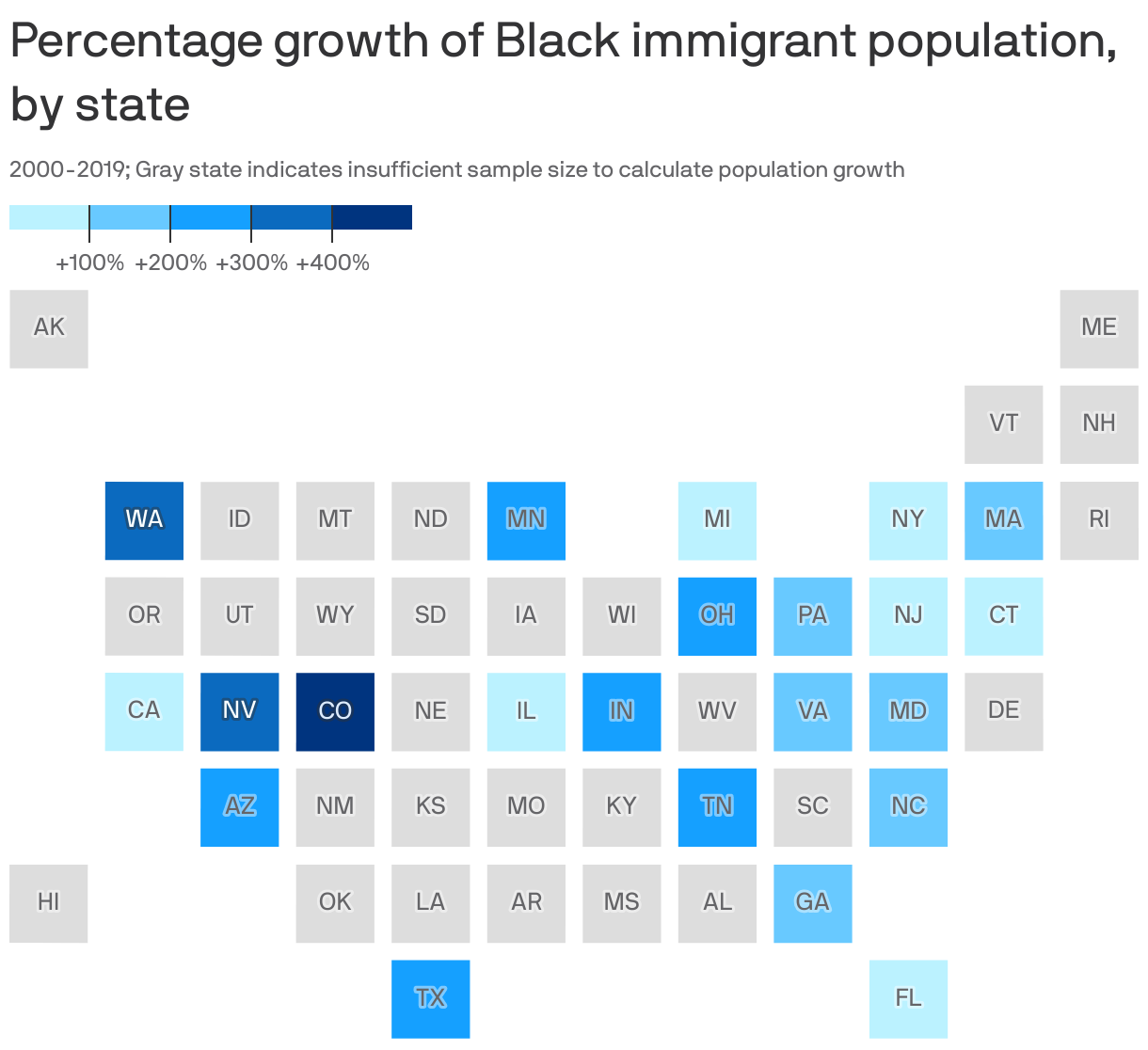
The percentage of Latin Americans accounting for the Black immigrant population in the U.S. has dropped dramatically in the past decade, while the proportion of Africans has boomed, according to a new Pew Research Center report, Russ writes.
The big picture: The report used census data over the last four decades to show the growing diversity among immigrants and the nation's Black population.
By the numbers: The number of Black immigrants living in the U.S. reached 4.6 million in 2019, up from about 800,000 in 1980, the study found.
- By 2060, around a third of the U.S. Black population will be foreign-born, if current trends continue.
The intrigue: The number of Black immigrants from Africa grew by 246% between 2000 and 2019, a huge increase from 2000, when Africans made up 23% of Black immigrants in the U.S.
- Caribbean-born immigrants are still the biggest faction, at 46% of Black immigrants
- Before 2000, Black immigrants from Central America and Mexico accounted for 59% of recent arrivals. Between 2010 and 2019, they were 18%.
- Just 8% of all Black immigrants in the U.S. were born in South America, Central America or Mexico.
Don't forget: The number of U.S. Latinos identifying as multiracial skyrocketed during the last decade, while those identifying as solely white dropped significantly, according to the latest census.
- Afro-Latinos are also demanding more recognition for their contributions in the U.S.
2. Tropical winter Olympians

Mexican figure skater Donovan Carrillo at a 2021 exhibition. Photo: Natalia Fedosenko/TASS via Getty Images
Brazil and Ecuador may not be known for their winter sports, but athletes from these and other Latin American nations will compete in the Beijing Winter Olympics, Marina writes.
Why it matters: Despite coming from countries with few winter sports and having limited access to training facilities, these athletes join other Latin Americans who broke barriers in the last summer Olympics.
- Brazilian gymnast Rebeca Andrade, Puerto Rican hurdler Jasmine Camacho-Quinn and the Dominican and Ecuadorian weightlifters Crismery Santana and Neisi Dajomes are among those who won medals.
Details: Contenders this year include skater Donovan Carrillo, the first Mexican to achieve the triple axel in a competition.
- The 22-year-old has mostly trained in ice skating rinks in malls, maneuvering around amateurs and kids learning to skate.
- The Brazilian bobsled team, which usually trains on a dry track, previously won titles at the bobsleigh and skeleton North American Cup.
- Ecuador has its first female winter Olympian this year: Slalom skier Sarah Escobar.
- Also look for Colombian speed skater Laura Gómez; Argentinean luger Verónica Ravenna; Chilean freestyle skier Dominique Ohaco, and cross-country skiers Jonathan Soto of Mexico and Jaqueline Mourão of Brazil.
Background: No Latin Americans participated in the first Winter Olympics, in 1924, but some countries have had sporadic showings ever since.
- Argentina, a skiing destination, has had the most consistent presence, although they’ve never won a medal.
3. Cesar Chavez gets illustrated
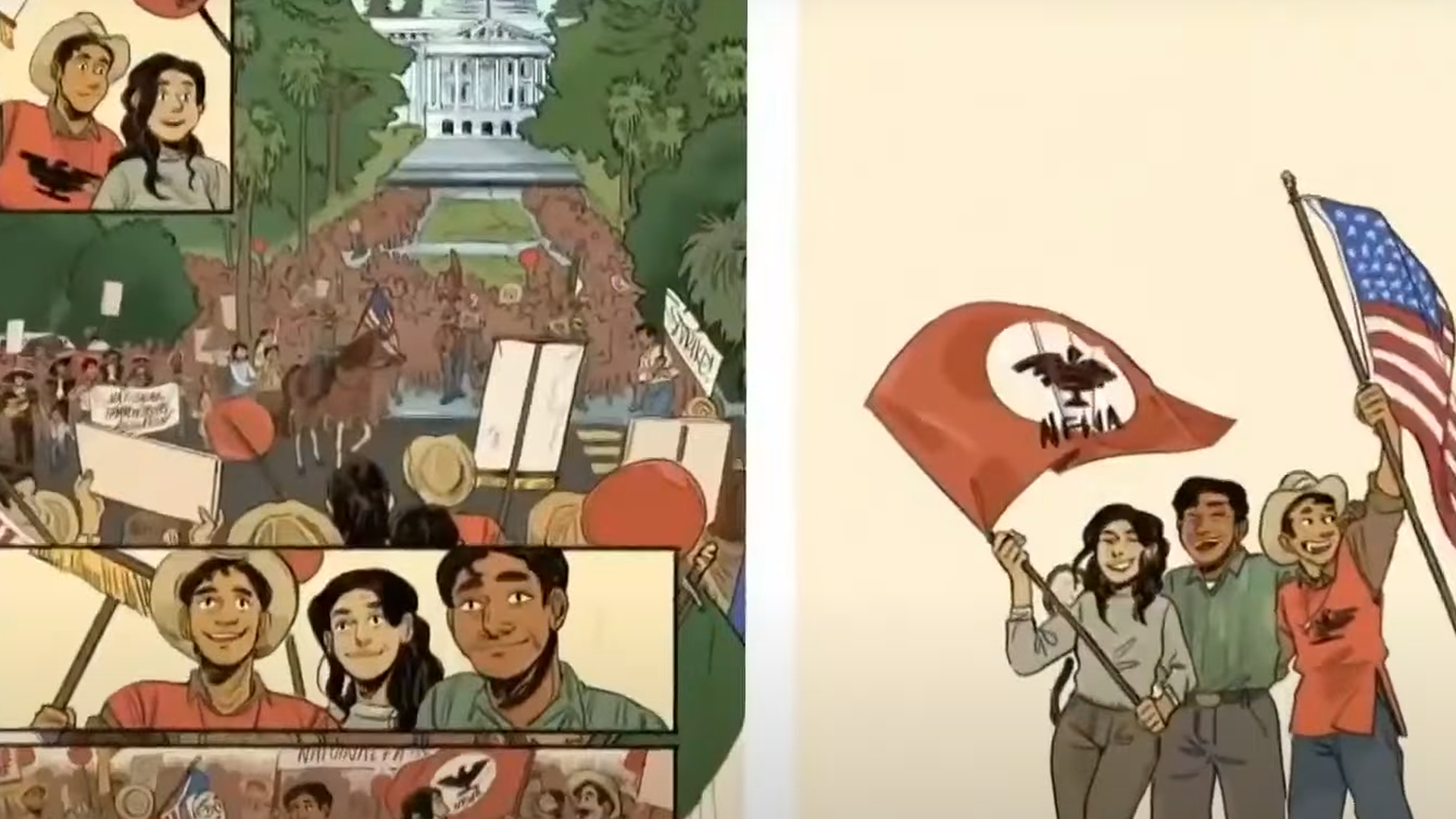
A peek at the Cesar Chavez graphic novel. Photo courtesy of Mar Julia via Noticias Telemundo
The life of civil rights leader Cesar Chavez is now available as a graphic novel for young learners, Marina writes.
Why it matters: His story — and that of many Latinos civil rights leaders — is often excluded from school curricula.
“Who Was the Voice of the People? Cesar Chavez” centers on the strike that grape pickers launched in California in 1965 to protest working conditions, and the accompanying 300-mile march organized by Chavez’s National Farm Workers Association.
- It was written by Chicano comic book writer Terry Blas and illustrated by Dominican cartoonist Mar Julia.
What to know: The graphic novel is part of “Who HQ,” a series of illustrated history books from Penguin Random House.
- The Cesar Chavez book is one of four inaugural graphic novels, along with ones on Rosa Parks, Neil Armstrong and Joan of Arc. All were published last month.
What they’re saying: “The message I wanted to put across is that, very often, if you want something to happen, you need to make it happen. And that having that attitude can inspire others to follow in your footsteps,” Blas told Noticias Telemundo.
Go deeper: How Latinos shaped Critical Race Theory
4. Poet Martín Espada on barriers and bans
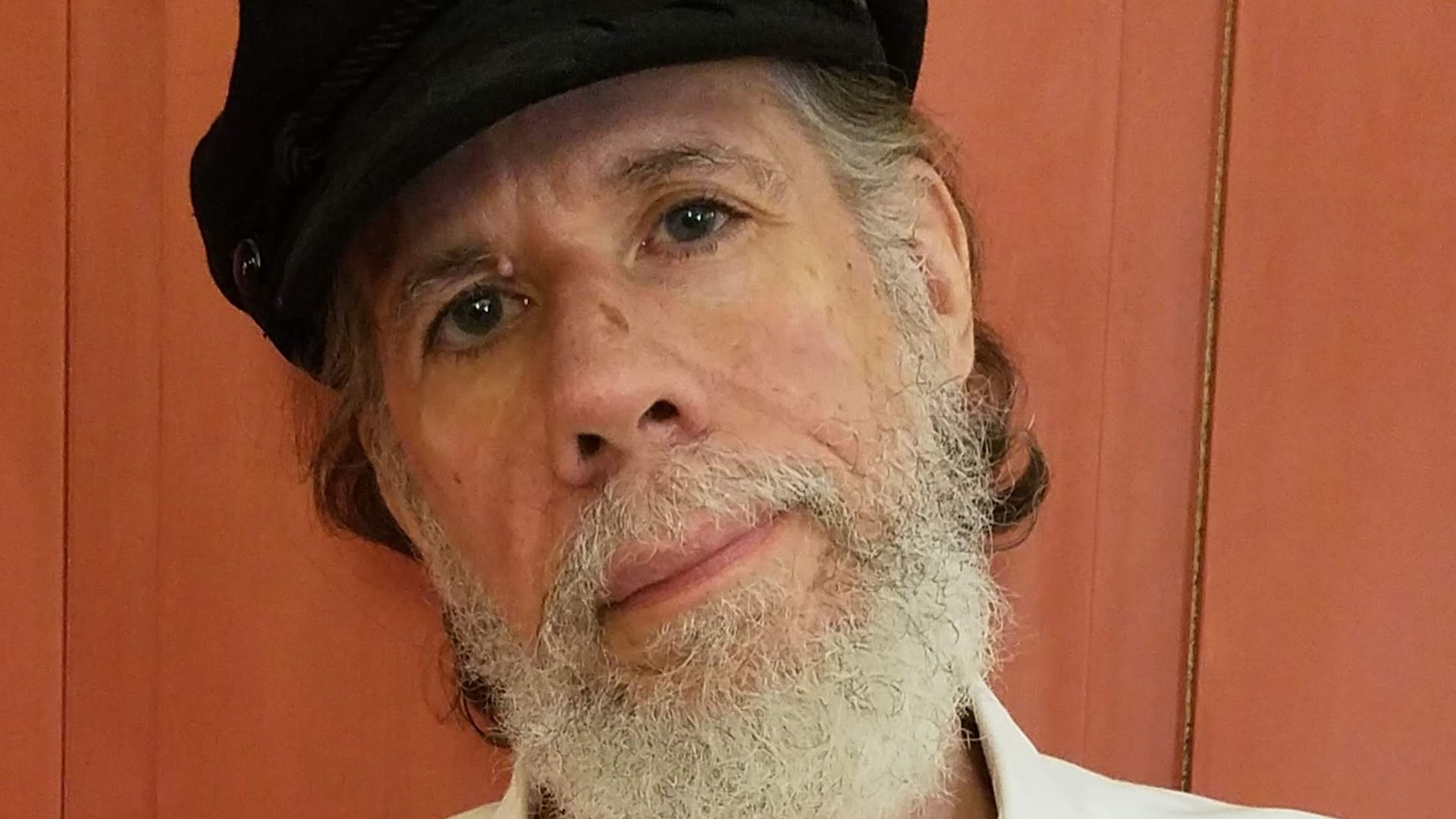
Martín Espada. Photo courtesy of Espada
Martín Espada, the recipient of the 2021 National Book Award for poetry, is urging authors of recently banned bo0ks to forge ahead, Russ writes.
The big picture: The Brooklyn-born poet is one of only a handful of Latinos to have won the award.
Details: Espada tackles the everyday lives of people battling with poverty, migration, climate change and loneliness in his latest collection, "Floaters: Poems."
- His title poem, "Floaters," is based on the infamous photograph of migrants Óscar Alberto Martínez Ramírez, and his daughter, Valeria, who were found dead in the Rio Grande.
- "Floaters" is a derogatory term used by some in the Border Patrol to describe drowned migrants.
What they're saying: "The same insidious forms of racism that motivated me to speak as a poet 30 plus years ago ... is still there," Espada told Axios Latino.
- "It's important for us not to let the oppressors expropriate language and take it away from the rest of us ... The word floaters is obviously a case in point."
Though he's encouraged by racial progress and more Latino writers getting published, Espada says barriers such as book bans remain.
- The American Library Association said it tracked 330 book challenges just from September through November 2021, showing a massive rise in attempts to ban books, including some works by Latinos.
- Espada's 1998 collection of essays, "Zapata’s Disciple," was the target of book bans — and even a bomb threat — in Texas and Arizona.
5. Stories we’re watching
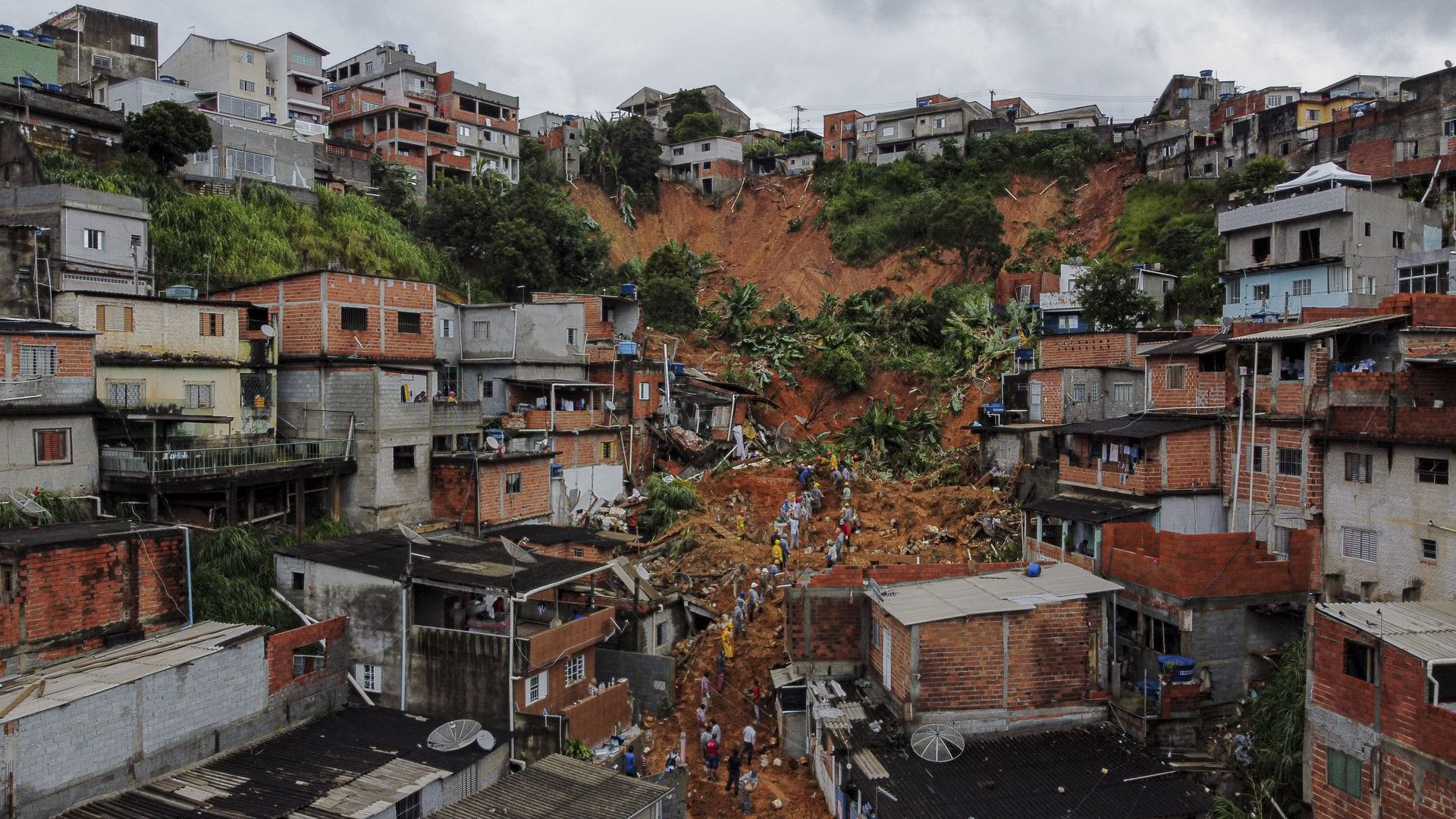
Residents and firefighters look for victims of a landslide in Franco da Rocha, São Paulo state, on Monday. Photo: Filipe Araujo/AFP via Getty Image
1. At least 24 people died this weekend in major landslides in Brazil caused by heavy rains.
- Four children are among the dead, authorities said.
- Over 500,000 people were displaced from their homes in São Paulo state.
2. A major oil spill near Indigenous lands on the Ecuadorian part of the Amazon has left thousands without running water and in danger, activists say.
- The oil spill started on Friday, polluting the water the Indigenous communities use for drinking, fishing, bathing and rituals.
- Neighboring Peru is also dealing with a major oil spill in the sea near Lima.
6. 👩🦽1 smile to go: Self-sufficiency school

A group of Salvadoran women with limited mobility is pushing for greater political and social participation with the help of a beauty pageant, Marina writes.
Details: Janeth Chávez and Carolina Aguilar founded the Escuela de Empoderamiento at the beginning of the pandemic to promote entrepreneurship among women who are otherwise shut out of the job market.
- They give training in self-sufficiency and promote the women's ventures, which include a floral shop and a line of plus-size clothing tailored to people in wheelchairs.
- The group organized the inaugural Miss Wheelchair El Salvador last year to raise women’s self-esteem and create awareness about the lack of accessibility.
Thanks for reading. We’ll be back Thursday.
Sign up for Axios Latino

Keep tabs on the stories that most affect the U.S. Latino community on both sides of the border, a collaboration with Noticias Telemundo.