Axios Indianapolis

March 20, 2025


1 big thing: How COVID-19 changed Indy

Five years ago, the COVID-19 pandemic disrupted nearly every aspect of daily life, forcing shifts in public health policy, remote work and education — changing the course of our city.
Why it matters: Reflection can help us evaluate and prepare for possible future pandemics.
Flashback: President Trump declared COVID a nationwide emergency on March 13, 2020, issuing travel bans due to public health concerns.
- Five years ago this week, Indiana reported its first COVID death.
- By the next week, Gov. Eric Holcomb would effectively shut down the state, ordering Indiana residents to stay home unless they were conducting "essential business."
Threat level: Nearly 29,000 Hoosiers have died from COVID-19 since 2020, according to the CDC.
Zoom in: The pandemic affected all parts of our lives, but we're taking a look at how it impacted five areas in particular: public safety, tourism, education, social life and real estate.
🚔 Public safety
The pandemic collided with nationwide police brutality protests that peaked in Indianapolis with the fatal police shooting of Dreasjon Reed in May.
- By summer, IMPD implemented a new use of force policy that emphasized de-escalation and banned chokeholds.
By the numbers: The rise in violence that coincided with the pandemic hit young people especially hard — 44 kids ages 19 and under were shot and killed in 2023, more than in any previous year.
The latest: IMPD leaders have their sights set on officer recruitment to address an officer shortage following five years of staffing losses fueled in part by COVID.
✏️ Education
There were few aspects of life the pandemic disrupted more than K-12 education.
Flashback: Schools closed statewide in March 2020 and didn't reopen until the fall.
- Even then, some waited months longer before reopening for in-person instruction, and many continued to offer in-person instruction on a part-time basis for much of the following year.
Between the lines: The sudden shift to online learning exposed just how great the digital divide was for some. Whereas IPS was sending home paper packets, other districts were already one-to-one with devices.
The latest: Though the pace of learning has just finally returned to pre-pandemic norms for most students, it's not enough to reach pre-pandemic proficiency levels.
2. Shows and movies that got us through lockdown

3. Why food prices are still high after COVID


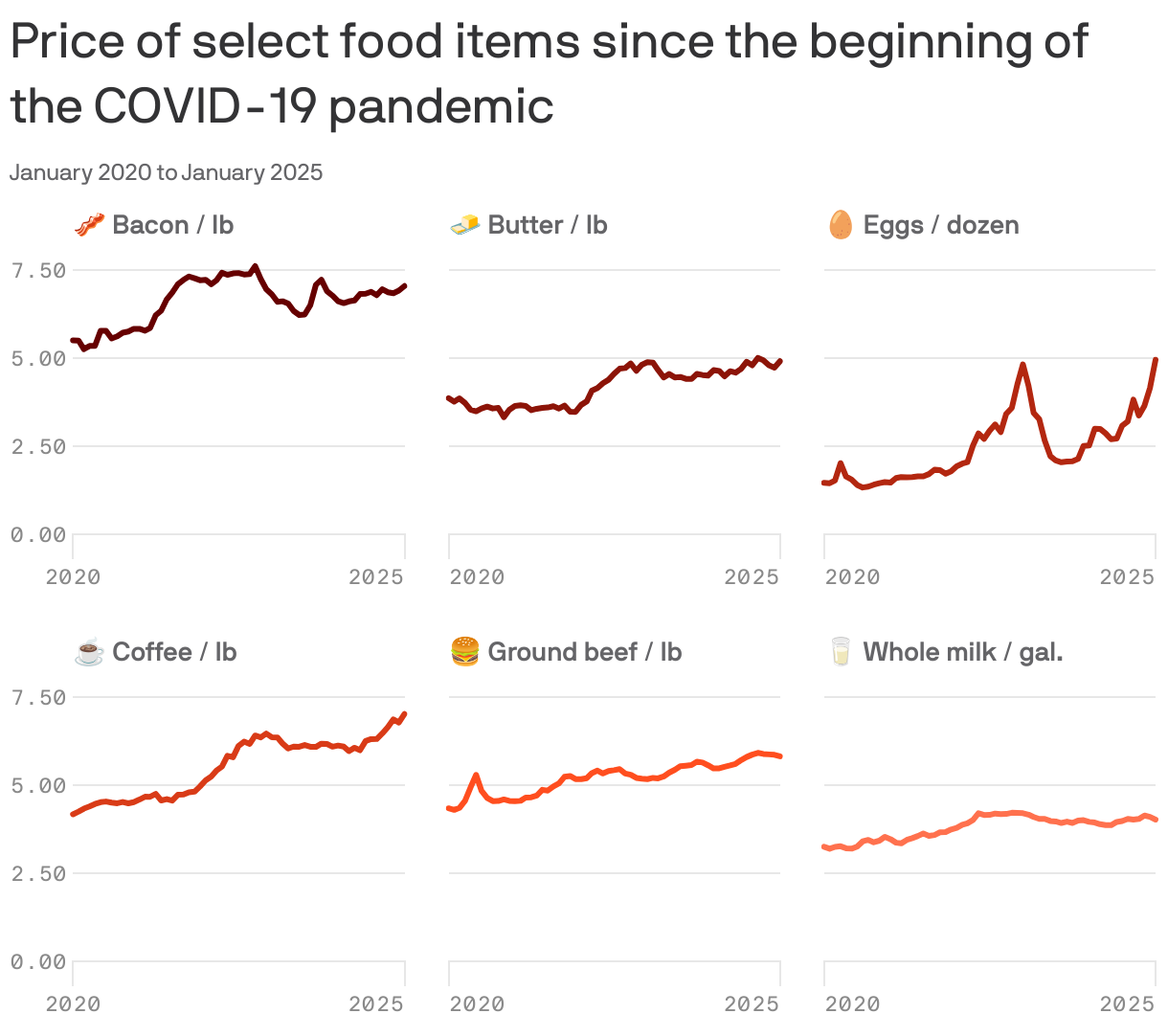
Sticker shock at the grocery store became a fact of life during the pandemic as food prices skyrocketed.
Why it matters: Higher prices have been unavoidable ever since — but five years since the start of COVID, new tariffs and retaliatory action could cause food prices to rise again.
The big picture: Food prices increased by 23.6% from 2020 to 2024, outpacing overall inflation of 21.2% during that period, according to the U.S. Economic Research Service.
- It was a story of supply chain disruption and demand eruption, and their complex interplay.
- Supply chains broke, costs rose for raw materials, energy and labor — and shoppers paid in the end.
Friction point: Consumer advocates accused grocers and food companies of raising prices to bolster the bottom line, but there's little "concrete evidence" of excessive prices, CFRA Research analyst Arun Sundaram tells Axios.
- "Profit margins for retailers as well as packaged food companies have remained relatively stable over the years," he said. "They're not increasing prices past the amount costs have gone up."
4. Pit stop: Beckwith seeking bank
5. Meet the Maker: Indy Arts Council's new leader

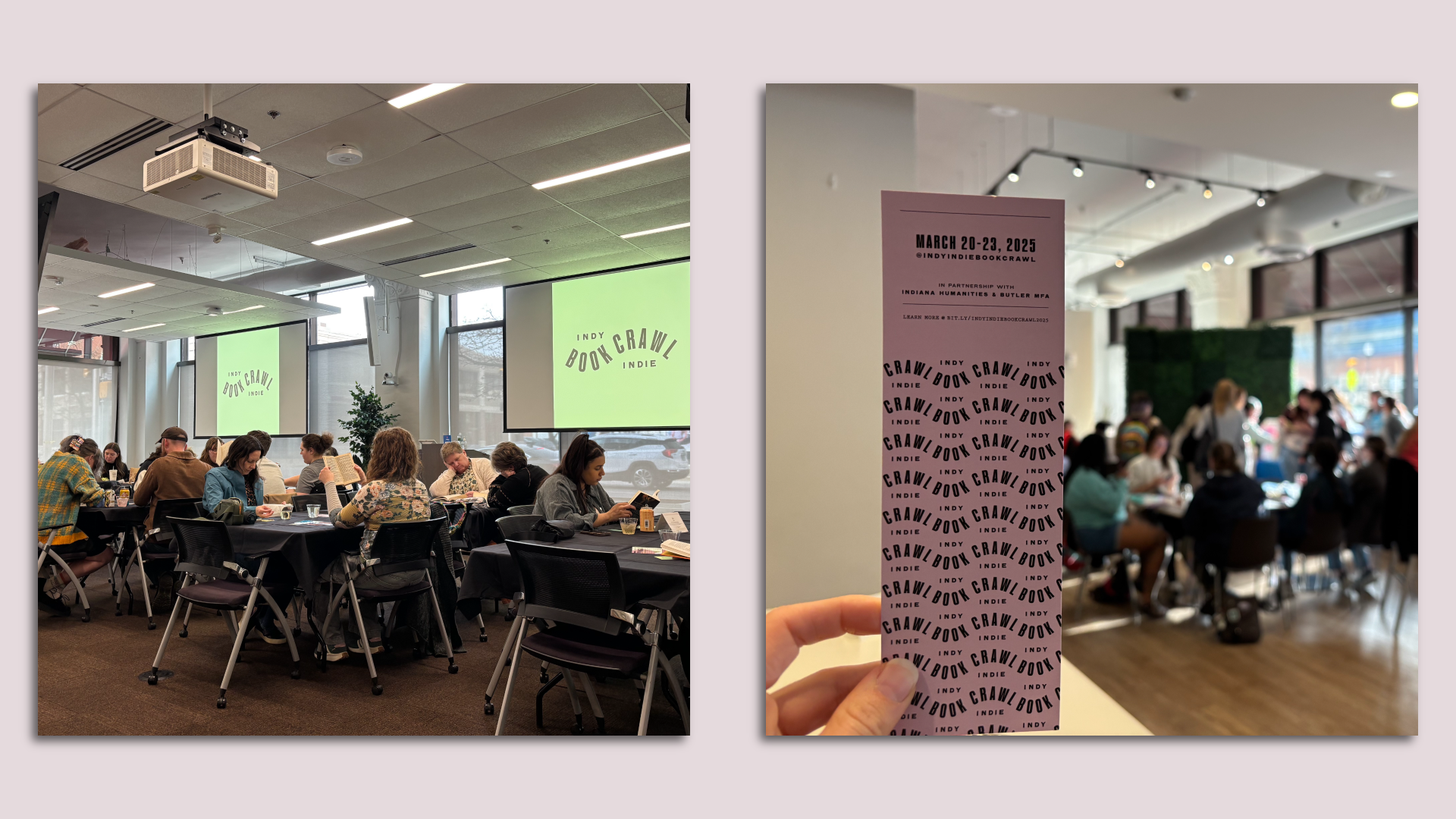
6. 📚 Ready, set, crawl!
Axios Indianapolis
