Axios Generate

November 15, 2024

🕺Friday. We rev up today's newsletter with the latest outlook for EVs, then analyze news at home and abroad, all in just 1,350 words, 5 minutes.
🎸 This week in 1986, blues great Robert Cray released his breakthrough album "Strong Persuader," which provides today's intro tune...
1 big thing: Why EVs could get a Trump bump — for now
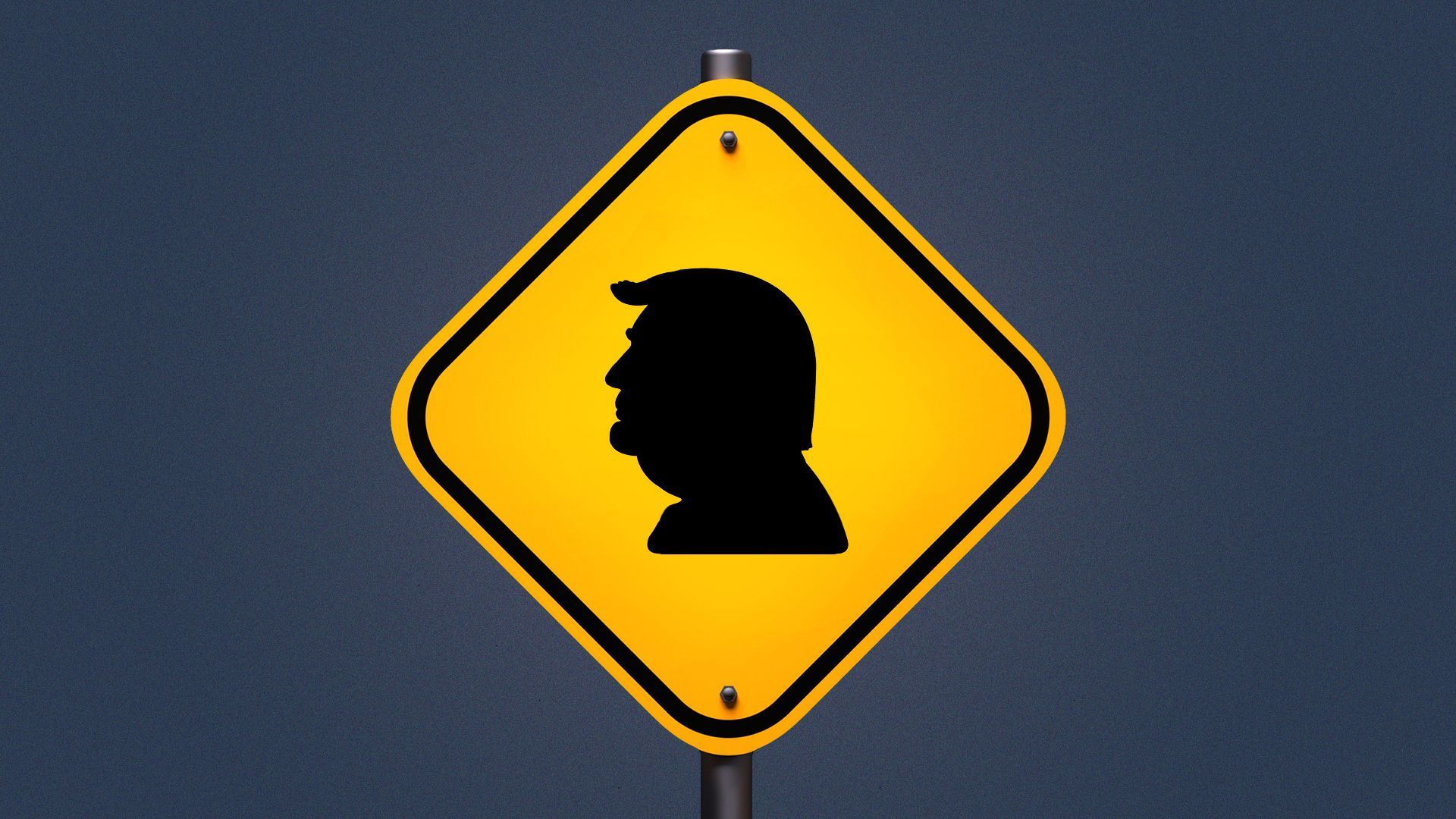
Donald Trump's looming move back into the White House could boost EV sales to buyers worried he'll end subsidies after taking office.
🖼️ The big picture: "EV interest will likely increase over the next few months," Edmunds analyst Jessica Caldwell said via email.
- "President Trump has been vocal about potentially eliminating EV tax credits, so his victory could kick fence-sitters into action, particularly lessees," she said.
⚔️ Friction point: Trump bashed federal EV support on the stump and his victory could blunt the tech's long-term U.S. growth.
- He'll likely work with Capitol Hill Republicans to try to nix the credits in next year's debate over expiring tax cuts from his first term.
- But some GOP lawmakers with EV manufacturing in their districts could resist, my Axios Pro colleagues report.
- Even without Congress, Trump's Treasury Department could change implementing rules to make tapping the credits harder.
🏈 State of play: EVs are eligible for up to $7,500 in credits if they meet battery sourcing and domestic assembly rules in the 2022 climate law.
- Leased EVs don't face the same restrictions, which broadens the pool of models available. Buyer income limits don't apply, either.
- Used EVs get credits up to $4,000.
What they're saying: "If there's concern the incentives will go away under Trump, I could see electric vehicle shoppers moving their purchase forward," iSeeCars.com executive analyst Karl Brauer said via email.
- Recent history offers a lesson, he said. Before the IRA, the $7,500 credits were capped at 200,000 vehicles per automaker before losing value.
- Brauer notes Tesla sales got a bump around six years ago when the company was about to hit the cap.
👀What we're watching: Future sales and leasing data.
- Fully electric models reached 9% of U.S. car sales in September, a new high, per Cox Automotive.
- Edmunds is investigating whether there's been increased EV shopping on its site since the election, Caldwell said.
Yes, but: With adoption rising already, it will be tough to parse how many sales are rooted in fear of vanishing incentives.
- "We would need to survey buyers on motivating factors. It could be the fact that EV discounts right now are through the roof," Cox spokesman Mark Schirmer said in an email.
The intrigue: The jeopardy hasn't stopped the bromance between Trump and Tesla CEO Elon Musk, whose firm is the U.S. market leader.
- Tesla would be better positioned than other automakers if subsidies die, analysts say. Musk has made the same point.
The bottom line: "If there's increased electric vehicle buying activity ahead of a real, or perceived, loss of the incentive, sales will likely fall disproportionately in the following weeks or months," Brauer notes.
- "This pattern will be more pronounced if the incentives really do go away."
2. 🛢️MAGA's conventional wisdom at Interior
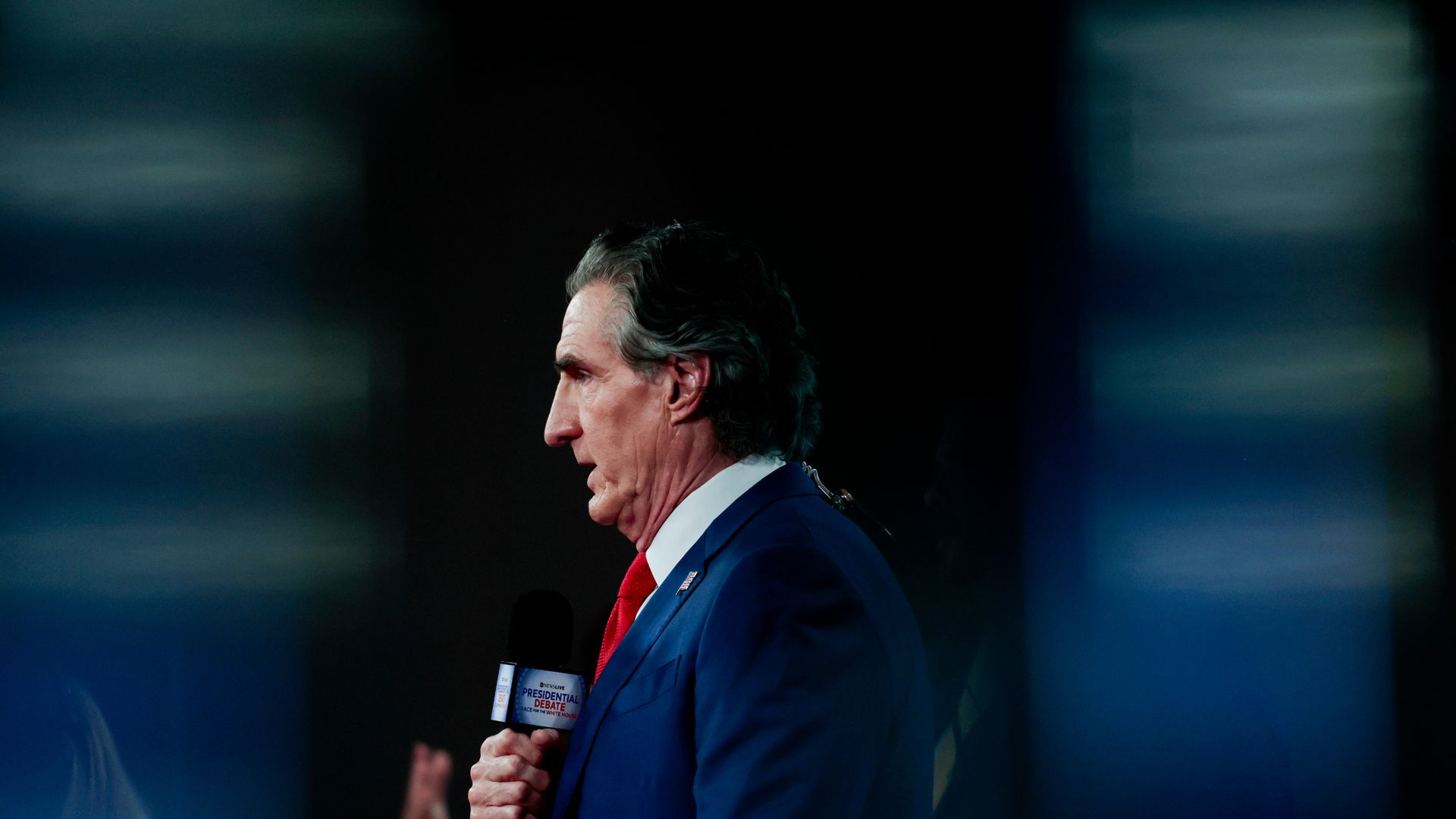
North Dakota Gov. Doug Burgum is a pretty conventional choice to run Trump 2.0's Interior Department after the president-elect's picks for AG and some other slots stunned his own party.
Why it matters: For all the norm-shattering in MAGA-world, there's harmony between Trump's orbit and old school, K Street Republicans on domestic oil and gas production.
🏃♀️Catch up quick: Trump announced the pick during a gala at Mar-a-Lago last night and said a formal announcement arrives today.
The big picture: Burgum, if confirmed, will play a big role in Trump's efforts to further boost U.S. oil and gas output.
- The department oversees vast swaths of federal lands and waters. Trump will likely look to expand leasing in the Gulf of Mexico and Western states.
- The governor has ties to the oil and gas industry, which forms a key part of North Dakota's economy.
- Burgum could also help Trump's goal of stymieing offshore wind development in federal waters.
The intrigue: He set a goal for North Dakota to become carbon-neutral by 2030 with an "all-of-the-above energy policy."
- The Washington Post notes Burgum's climate views don't align "neatly" with Trump's.
- He has "supported some of the clean-energy subsidies Trump is seeking to jettison," they report.
- Expect Senate Democrats to prod him on climate during his confirmation process.
📡 What's next: Barring unexpected revelations, the GOP-controlled Senate will very likely approve him.
3. COP veterans: This isn't working
A group of high-level climate diplomats, including Christiana Figueres, who led the UN climate talks in Paris in 2015, released an open letter today in the midst of COP29 calling for urgent reform of the climate summit process.
Why it matters: It is rare to have so many luminaries and COP veterans, including former UN secretary-general Ban Ki-moon and former Irish president and climate advocate Mary Robinson, to call for rethinking COPs while in the middle of negotiations.
Zoom in: The letter, endorsed by prominent climate scientists, calls for COPs to shrink in size and focus on implementation and accountability.
- "Its current structure simply cannot deliver the change at exponential speed and scale, which is essential to ensure a safe climate landing for humanity," it states.
Between the lines: Azerbaijan, where COP29 is taking place, is the second petrostate in a row to host the talks.
- The letter calls for eligibility criteria that might prevent such nations from hosting the talks if they do not "support the phase out/transition away from fossil energy."
The bottom line: The COP veterans are not lobbing a grenade into the middle of COP29 but see an urgent need to transform the process given the severity of climate impacts and slow pace of action.
4. At COP29, even small players emphasize climate action
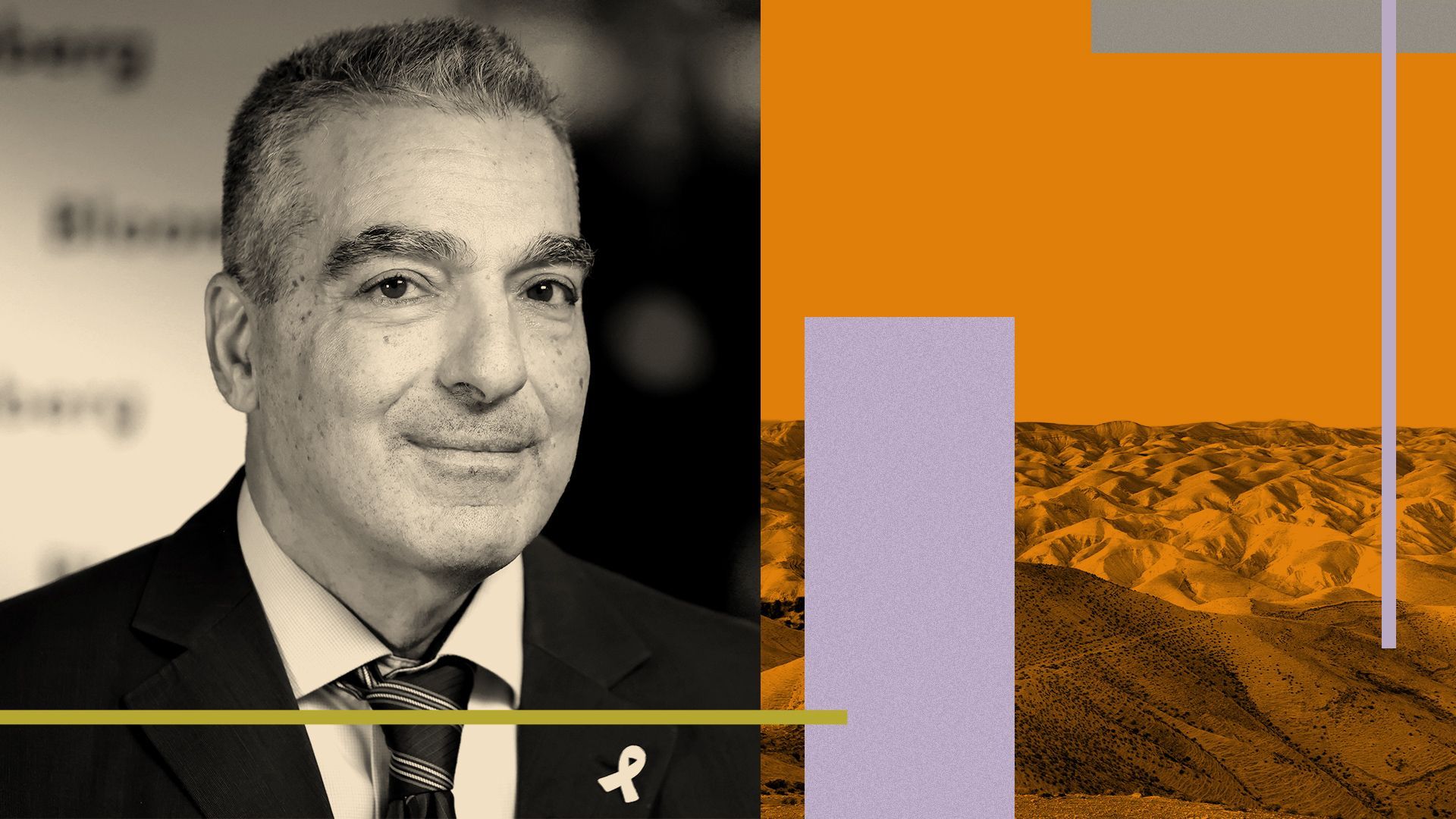
As UN global climate negotiations close out a rocky first week in Baku, Azerbaijan, even small climate players are showcasing their contributions to cutting emissions and raising more money.
Why it matters: The COP29 summit aims for a new target for financial flows from mainly developed countries to the developing world.
The intrigue: According to Gideon Behar, Israel's special envoy for climate change and sustainability, his country brought representatives from 20 startups working on clean technologies to COP.
- Behar told Axios he's excited about Israel's innovations, noting they are out of proportion to the country's size and emissions.
- Though Israel has relatively high per capita emissions, nationally it represented just 0.16% of global carbon dioxide emissions in 2023.
What they're saying: "Israel's biggest contribution to the challenge of the climate crisis comes in terms of innovations, solutions, technologies, ideas," Behar told Axios.
- Behar said the conflicts in the Middle East, namely the war in Gaza and the fight against Hezbollah in Lebanon, aren't impeding it from having discussions on climate change with other nations.
Studies have shown that parts of the Middle East, primarily in and around the Persian Gulf, could become virtually uninhabitable for part of the year within the next few decades.
Friction point: Behar told Bloomberg yesterday that Israel wants to expand its engagement with the U.S. on energy and climate.
- This may get more difficult when President-elect Trump takes office and very likely withdraws from the Paris Agreement for a second time.
5. 📊 Charted: America's science divide


Americans are divided by party about what role scientists should play in crafting public policies, a new Pew Research Center survey finds.
Why it matters: Partisan differences in trust of scientists could influence who helps devise policies in the new Trump administration — and beyond — as the world faces climate change, new pathogens, AI and other complex challenges.
The big picture: Americans' trust in scientists ticked up slightly from last year but remains lower than it did before the pandemic, Pew found.
- Some scientists erred at times in their pandemic-era messaging about masking and vaccines, and policies were also politicized and warped by misinformation and disinformation.
- All of this left a lasting impact on Americans' trust in science.
By the numbers: In the survey of 10,000 U.S. adults in October, 76% said they have a "fair amount" or "great deal" of confidence that scientists act in the public's best interest.
- It's less than at the start of the pandemic: 87% of people surveyed in April 2020 reported a similar degree of confidence.
6. 💬 Quoted
"Anything that's driving demand is going to make it harder to retire existing fossil units. That's just sort of basic physics."— Dominion Energy CEO Bob Blue, speaking to Bloomberg about AI and data centers
📨 Did a friend, colleague or even a frenemy send you this newsletter? Welcome, please sign up.
🙏 Thanks to Chris Speckhard and Chuck McCutcheon for edits to today's edition, along with the brilliant Axios Visuals team.
Sign up for Axios Generate