Axios Future of Mobility

May 20, 2026

🇺🇸 It's almost Memorial Day, and the sailboat is finally going in the water. ⛵️
- ⛽️ All 50 states have average gas prices above $4 a gallon, AAA said today, with seven now topping $5 a gallon.
Today, we're looking at side gigs: Car sales are flat, and competition's getting worse, which is why automakers and suppliers are looking for growth in other industries.
- 🚑 Plus, AV companies have new advocates in the emergency room.
1,858 words, a 7-minute read.
1 big thing: Auto industry searches for growth
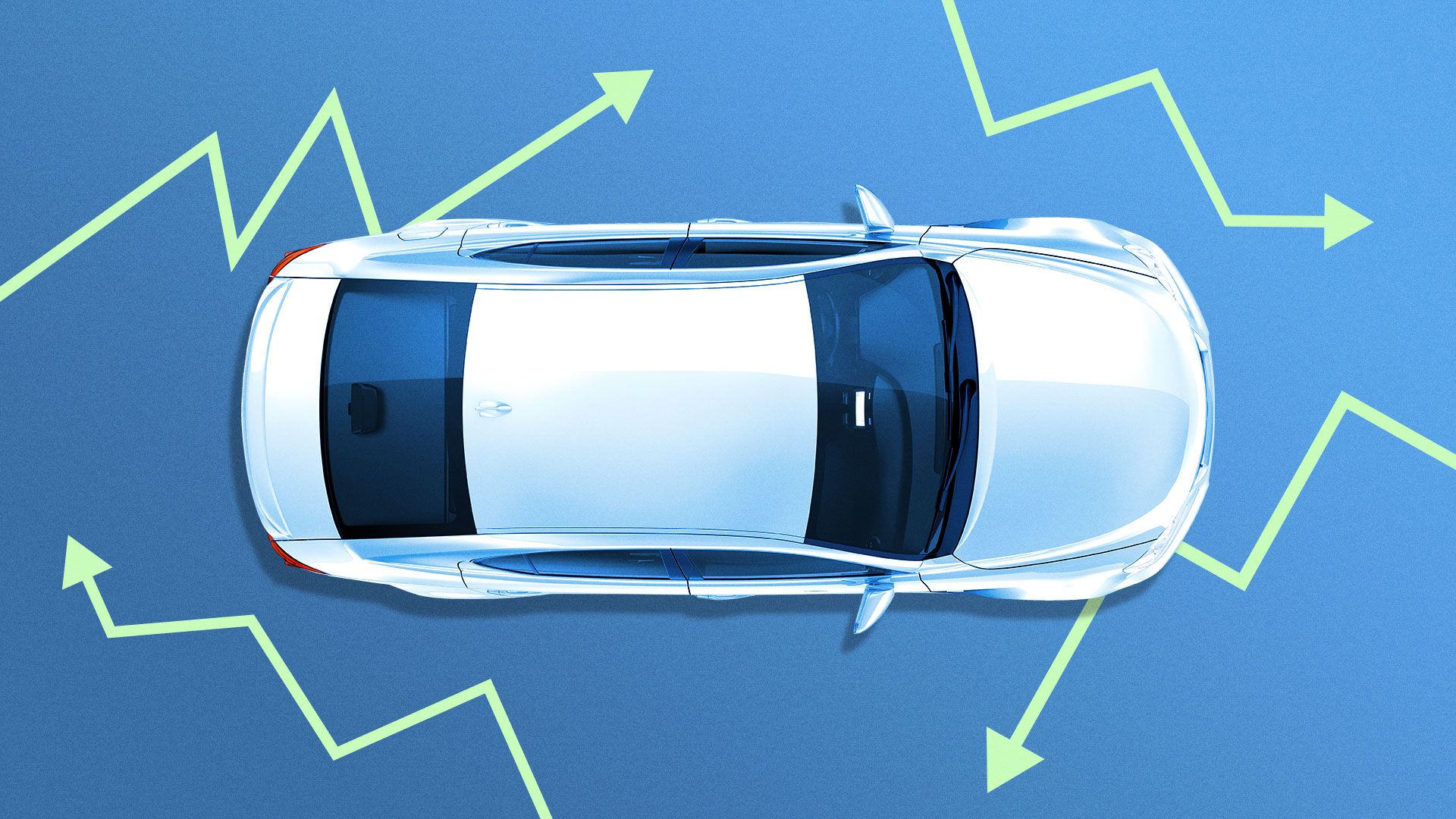
Automakers and suppliers in search of a lucrative side hustle are dabbling in AI, energy and defense as a way to offset stagnant growth in vehicle sales.
Why it matters: Carmakers have tried the diversification game before — but today's economic and technological shifts may give those efforts more staying power.
The big picture: "What's different this time is that the industry is undergoing structural change," says Lenny LaRocca, U.S. automotive industry leader for KPMG, referring to the industry's forays in the 1960s, '70s and '80s into aerospace, defense and electronics.
- Wall Street then had pushed GM, Ford and Chrysler for growth beyond cars, but investors eventually soured on the sprawling conglomerates, leading to their eventual retreat.
- Today is different, LaRocca tells Axios. "Volatility is not just the storm — it's the climate," he says.
- The industry has reached "Peak Auto," and competition is brutal, so automakers and suppliers have to look for growth through diversification.
State of play: Automakers are hoping for billions of dollars in new revenue and profits from software subscriptions and services like automated driving.
- Beyond that, though, they're also eyeing higher-growth industries with better margins like defense or robotics.
- And battery factories and other EV-related technologies are being redirected toward grid-scale storage or AI data centers.
Driving the news: Ford, through a new energy subsidiary, is repurposing an EV battery plant in Glendale, Kentucky, for energy storage and just signed its first customer, renewable power developer EDF.
- The automaker is investing $2 billion to scale the energy business, which will supply at least 20 GWh annually by late 2027.
- It's one of at least 11 battery plants (including eight in the U.S.) being retooled for energy storage, according to BloombergNEF.
- General Motors is retooling a Tennessee battery plant co-owned with LG Energy Solution and working with battery recycler Redwood Materials to build batteries for energy storage.
Defense is another industry that's offering opportunities for automakers.
- The Wall Street Journal reports that the Pentagon has approached both Ford and GM about making weapons and other military supplies.
- Mercedes-Benz is considering expanding its role in European defense, while Volkswagen — founded in Nazi Germany in 1937 — is in talks with Israeli companies about producing components for that country's Iron Dome artillery defense system.
- GM, meanwhile, already produces the popular Infantry Squad Vehicle (ISV), a lightweight, diesel-powered truck for moving soldiers across rugged terrain, and is bidding on other military contracts in the U.S. and the U.K.
- Ford says it's also talking with officials in the U.S. and Europe about deploying models like the Ranger pickup for defense purposes.
Traditional auto suppliers also recognize the shifting landscape and are looking for growth elsewhere.
- Borg Warner, which makes turbochargers for gasoline engines, is now also supplying turbine-generator systems for data centers.
- Schaeffler, which makes bearings and other automotive components, is diversifying into humanoid robots, electric vertical-takeoff aircraft and defense, with a goal to generate 10% of revenue from new sectors by 2035.
What we're watching: Automakers have not yet tested the limits of consumers' willingness to buy software subscriptions for their cars.
The bottom line: In a stagnant vehicle market, they've got to focus on where the growth is — and for the moment, that's AI, energy and defense.
2. Doctors push robotaxis
Two high-profile doctors are urging policymakers to support autonomous vehicle deployment as a public health imperative.
Why it matters: Their campaign adds a public health voice to a broader policy push by the AV industry as state legislation stalls and debate over long-delayed federal regulations heats up in Congress.
Driving the news: Doctors Jonathan Slotkin and Eric Topol, both champions of AI-enabled health tech, organized an open letter from doctors and nurses urging government leaders to clear a regulatory path for AVs.
- They cite a 2025 peer-reviewed study by Waymo, which examined 56.7 million fully driverless miles on public roads, and found an 85% reduction in serious-injury-or-worse crashes compared with human drivers on the same streets.
Their letter calls for standardized, enhanced federal data-reporting requirements for AV companies and urges state and local governments to replace "unwarranted regulatory barriers" with evidence-based deployment decisions.
- They specifically cite efforts in New York, Massachusetts, Washington, Minnesota and Washington, D.C., to block robotaxis in their states.
Between the lines: Slotkin is co-founder at Scrub Capital, an early-stage health care-focused venture firm.
- Over the past year, he has emerged as an outspoken advocate for AVs from a public-health perspective, including a recent guest essay in The New York Times that some criticized as being pro-Waymo.
What they're saying: Slotkin says neither he nor Topol — a cardiologist, author and health tech commentator — has a financial interest in any AV company.
- His motivation: "I'm a neurosurgeon that practices and frequently have blood on my hands from car crashes, including of children."
3. Nissan's recovery plan: more hybrids, lower tariffs
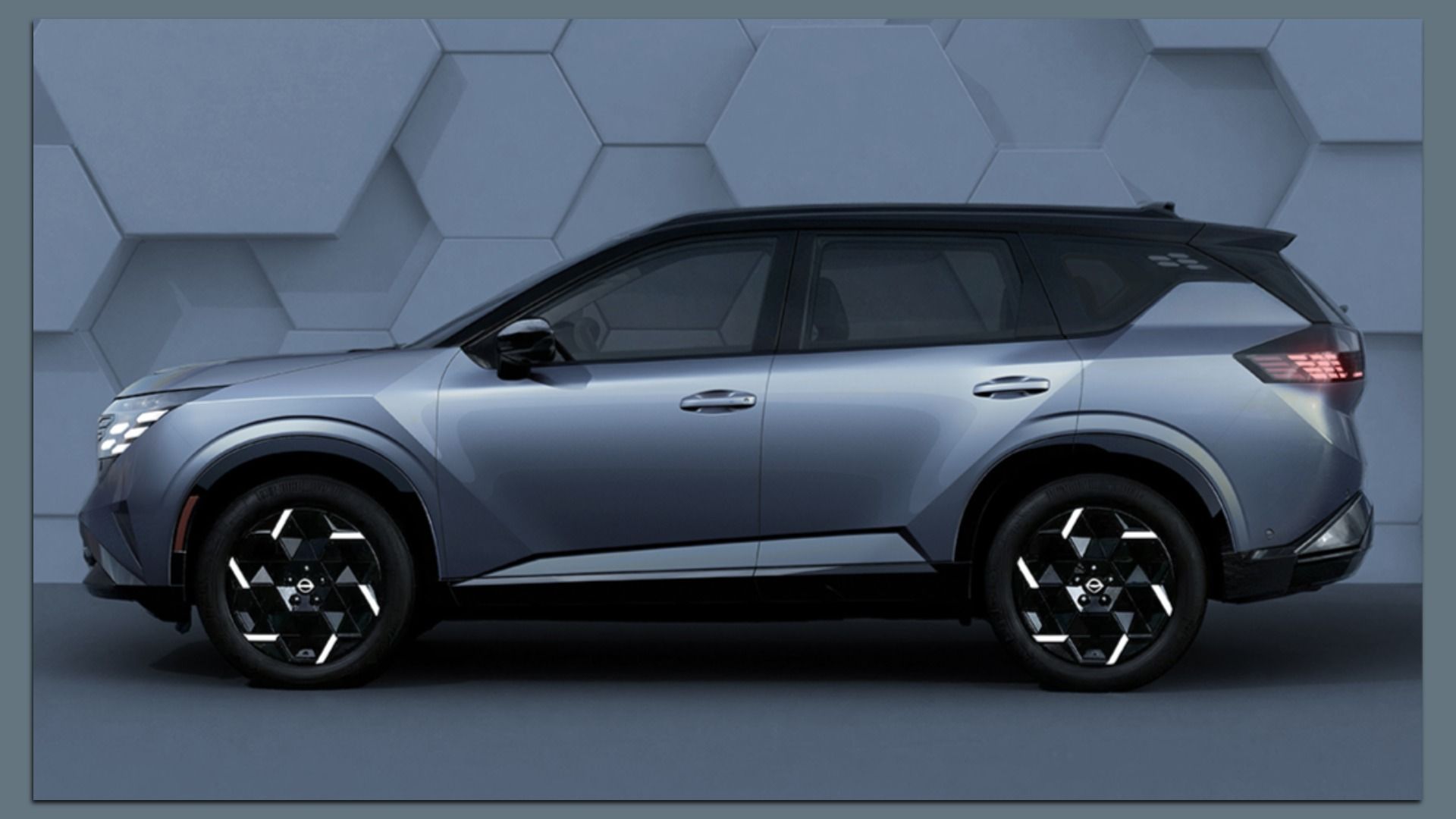
Nissan, the company that pioneered mass-market electric vehicles with the original Leaf in 2010, is betting on hybrids to help propel its turnaround effort.
Why it matters: U.S. consumers are hungry for hybrids, but Nissan has largely sat out the segment in its biggest market.
- That'll change this summer, with the launch of the redesigned 2027 Rogue SUV featuring Nissan's next-generation e-Power hybrid system.
How it works: Unlike most hybrids, in which the engine and one or more electric motors work together to power the vehicle, Nissan's e-Power is a series hybrid.
- That means the wheels are powered only by an electric motor. The engine merely acts as a generator to recharge the battery feeding the motor.
- The new all-wheel-drive Rogue will feature two motors, but the setup is the same.
Nissan has sold nearly 2 million e-Power hybrids in Europe and Japan over the past decade, but this is the first time it will be available in the U.S.
- "That's going to be a big game changer for Nissan and an accelerator of growth for us," Christian Meunier, chairman of Nissan Americas, tells Axios in an interview.
- The e-Power will also be available in an upcoming Infiniti SUV, and potentially other small cars like the Kicks.
- But for larger models like the Pathfinder, Frontier and soon-to-be revived Xterra, traditional hybrids make more sense, he says.
Nissan's not giving up on EVs, Meunier says. "We think EVs are still going to be a key component of the future, so we're still focused on EV technology," he tells me. "But we believe it's one of a few technologies that need to happen for us to compete."
The big picture: After a yearslong decline, Nissan is on the rebound under new CEO Ivan Espinosa, who took over a year ago.
- The company slashed costs and turned its focus to selling more vehicles through its dealers, rather than through lower-margin fleet channels.
- U.S. tariffs also helped, Meunier says, by nudging Nissan to increase production of higher-margin vehicles such as the Pathfinder and Frontier in Tennessee and Mississippi.
- The share of U.S.-made Nissans sold in the U.S. has jumped from 44% to 65% in a year, he says, with a goal of 80%.
Yes, but: Affordability remains an issue, Meunier says, which is why Nissan continues to import cheaper, sub-$30,000 cars like the Sentra and Kicks from Mexico, even though it loses money on every sale because of the current 27.5% percent tariff imposed by the Trump administration.
- "That's not sustainable," says Meunier, who is urging the U.S. and Mexico to reach a deal on lower tariffs to protect Americans' access to affordable cars.
- "It's not good for the U.S. economy, and it's not good for the Mexican economy," he says.
4. New York's ride-sharing battle

🚖 Ride-sharing wars are heating up in New York, where an upstart service called Empower is undercutting Uber and Lyft prices by an average of nearly 30%, according to Obi, a real-time pricing aggregator.
- Its popularity in NYC is soaring, rising from 21% of weekly ride requests in January to 40% by the end of March, says Obi, which analyzed 95,000 ride searches and nearly 20,000 ride receipts during Q1 2026.
What they're saying: "New York riders are clearly searching for alternatives as rideshare prices continue climbing," says Obi CEO Ashwini Anburajan.
- "The data shows Empower has tapped into two frustrations simultaneously: riders feel they're paying too much, and drivers feel they're earning too little."
Friction point: Empower, which uses a driver subscription model instead of a commission structure, is currently operating without a Taxi & Limousine Commission (TLC) license in New York City and faces mounting regulatory scrutiny.
- NYC officials have alleged the company is operating illegally and is avoiding fees and surcharges required of licensed operators.
The intrigue: Obi's analysis suggests that's one reason for Empower's pricing advantage.
- "Whether Empower survives its legal challenges or not, the underlying consumer behavior is clear," said Anburajan. "Riders are demonstrating strong demand for lower-cost rideshare options, especially in a high-cost urban market like New York."
5. Drive-thru

⚡️ Electric vehicle startup Slate Auto is spending $10.4 million to expand its suburban Detroit headquarters and add 400 jobs, about half of which will be paid with a grant from the state of Michigan. (The Detroit News)
- The company has raised at least $650 million to date and plans to begin deliveries of its $25,000 electric pickups later this year.
🚙 Used-car giant Carvana is expanding into new-car sales by acquiring Stellantis dealerships and selling vehicles online, outraging retail dealers. (The Wall Street Journal)
🏛️ House lawmakers want to impose a new annual fee of $130 on EVs to pay for road repairs. (Reuters)
- Their five-year highway funding bill would also direct the U.S. Transportation Department to create the first safety standards for autonomous buses, trucks and other commercial vehicles.
6. 🚘 What I'm driving
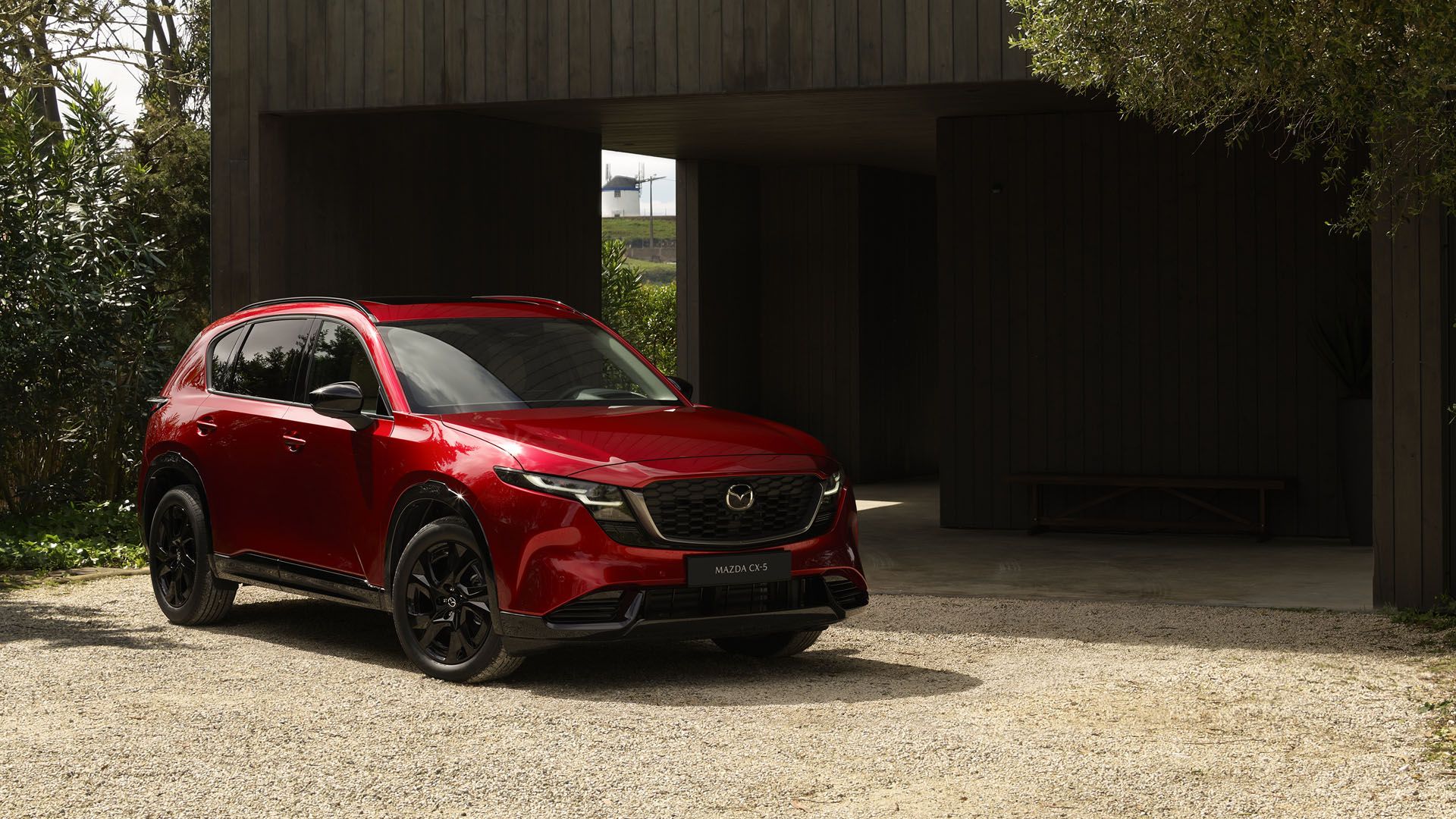
2026 Mazda CX-5
- MSRP: $29,990 starting price; As tested: $41,080 for 2.5 S Premium Plus trim, including destination charge.
- Under the hood: 187-hp, 2.5-liter engine with all-wheel drive; average 26 mpg.
What's new: More chiseled styling, a bigger touchscreen and lots of assisted-driving features, including a cruising and traffic support feature that helped me relax with only a light touch on the wheel.
What I loved: Greatly improved rear legroom and cargo space made for an excellent choice for a weekend family road trip.
- Superb handling and — finally! — the end of Mazda's remote rotary controller for the infotainment system. I wish the new 15.6-inch touchscreen included a few knobs or buttons, but I quickly mastered the controls on the steering wheel.
What I didn't love: For all its dynamic flair, the CX-5's standard engine felt a little underpowered. A hybrid arriving in 2027 could have more oomph.
I test-drive vehicles in my role as a juror for the North American Car and Truck of the Year awards. Opinions are my own.
Thanks to editors Pete Gannon and Bill Kole. If you're a fan of this newsletter, please ask your friends to sign up, too.
Sign up for Axios Future of Mobility