Axios Future of Mobility

July 23, 2025

1 big thing: My summer road trip in an electric Rivian
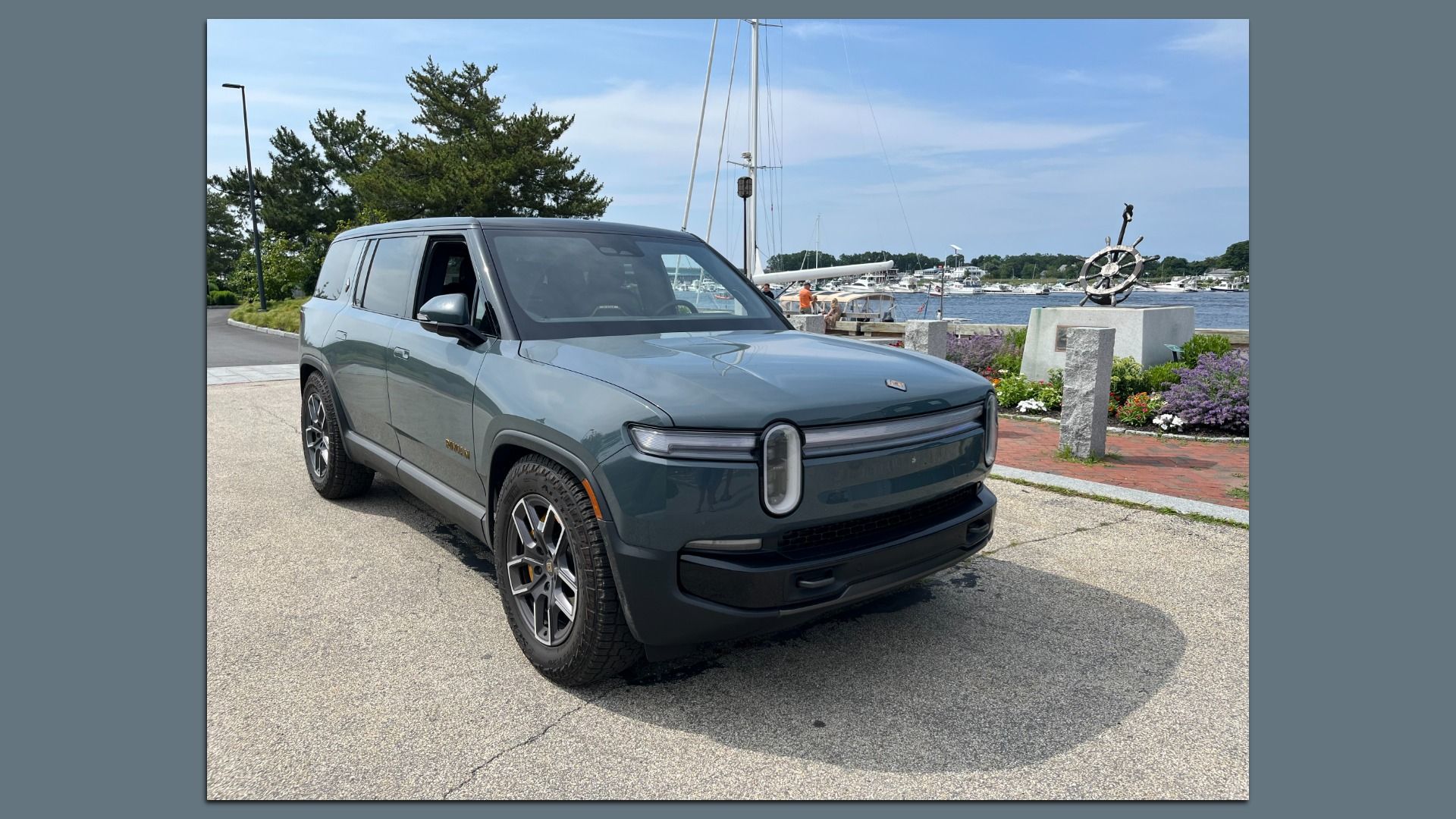
Every road trip is an adventure, but this summer I learned that a cross-country trek in an electric vehicle is a lot less daring than it seemed just a couple years ago.
- Many EVs now have a driving range of 300 miles or more — about the same as a gasoline car — and high-speed charging is a lot easier to find, too, now that Tesla Superchargers are open to other brands.
Why it matters: Solving range anxiety is an important hurdle for potential EV buyers. But sticker prices remain high, and with EV tax incentives going away, affordability will continue to be an issue.
Flashback: In February 2023, my husband and I drove 2,500 miles from Michigan to Florida and back in a Kia EV6 to see if America was ready for the era of electric transportation.
- We encountered some challenges along the way and learned some valuable lessons — most notably, that cold weather will destroy your car's driving range.
Fast forward: I wanted to see how things have changed since then, especially in terms of charging availability.
- So this summer we planned a 2,200-mile trip from Michigan to Maine and back in a Rivian R1S loaned from the automaker's press fleet.
First, the car: The R1S, a 7-passenger electric SUV, is Rivian's most popular model.
- We drove the Tri Max version — three electric motors and a huge 140 kWh battery pack — good for a head-snapping 850 horsepower and an EPA-estimated 371 miles of driving range.
- The Tri Max's base price is $105,900, but with the all-terrain upgrade, a special "Storm Blue" paint job, a removable camp speaker and the usual destination fee, the total sticker price came to $114,850.
Reality check: Our test vehicle came with 20-inch all-terrain wheels, which cut our driving range to 326 miles, even in "Conserve" mode.
Hands-free technology is a giant bonus on a long road trip, and Rivian's enhanced highway assist system was a welcome relief along major interstates.
- The system allows you to take your hands off the wheel on divided highways as long as you keep your eyes on the road.
- It'll change lanes to pass, too — just flick the turn signal and the car does the rest.
- The system was easy enough to engage — just pull a wand on the steering column toward you twice.
- But we found it frequently asked us to put our hands on the wheel in areas where it lacked confidence or wasn't available, like near a construction zone or highway rest area.
Between the lines: Driving a Rivian requires a steep learning curve.
- There aren't any switches on the car's dash. Instead everything is controlled on a giant touchscreen (like Tesla) and with unlabeled thumbwheels on the steering wheel.
- If you want to adjust the seats, mirrors or steering column, for example, it's a two-step process.
- First, you have to jab at the menus to select a function; then, you have to fiddle with the thumbwheels to get the right position.
- And controlling the climate system is absolutely maddening. If you want to redirect the air vents, you have to navigate to a screen displaying a virtual dashboard, and then drag your finger in the direction you want the air to flow.
💭 Thought bubble: Trying to operate a computer screen at 70 miles per hour is not easy; every bump in the road causes your finger to miss its target.
- The Rivian's driver-monitoring system periodically scolded me to keep my eyes on the road. I wanted to scream back: "Then don't put all the controls in hard-to-reach places!"
- At least the Rivian is equipped with Amazon's Alexa voice assistant to help handle some commands.
One other gripe: A road trip requires a good map, but the Mapbox-based navigation system in the Rivian R1S was awful (a common complaint among Rivian owners).
- It literally had us driving in circles sometimes, and randomly sent us in the opposite direction of the route we had selected.
- Frustrated, we came to rely on Apple Maps on our phones at times (Rivian doesn't support Apple Carplay or Android Auto).
- The good news: Rivian just announced that it's switching to Google Maps, while keeping some of the good stuff like EV range estimates and charging stop selections it developed internally.


2. Charging is easier — thanks to Tesla
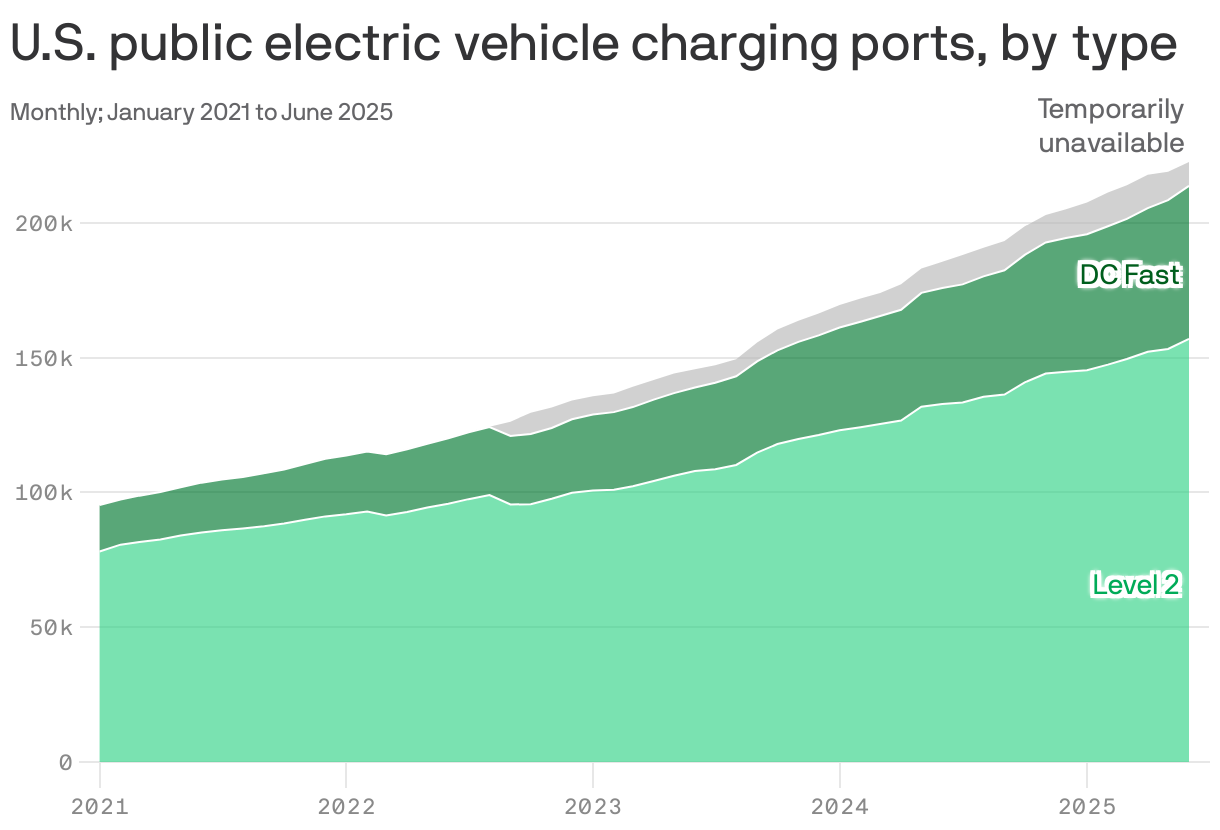
Two years ago, when we took a cross-country trip in a Kia electric vehicle, finding public charging stations required a lot of advance planning.
- It's a totally different story today now that Tesla Superchargers are open to other EV brands.
Why it matters: Having access to Tesla's nationwide Supercharger network removes much of the charging anxiety associated with long road trips, as my family discovered on our trip.
Flashback: Tesla began opening its proprietary charging network to other brands in 2023, and qualified for lucrative tax breaks in return.
- Initially, non-Teslas needed an adapter, but most brands are now migrating their cars to Tesla's more streamlined plug style.
By the numbers: Tesla has roughly 2,700 Supercharger stations in the U.S., with more than 32,000 charging ports, according to a U.S. Department of Energy database.
- Tesla's network alone represents more than half the fast-chargers in the U.S.
- About two-thirds of Tesla locations are currently open to other car brands.
What we found: We had no trouble finding speedy chargers along our 2,200-mile route, which included southern Ontario.
- We stopped to recharge a total of 17 times over two weeks, typically for 20-30 minutes at a time — long enough to use the bathroom or grab a snack.
- We weren't stressed about charging the battery all the way to 100% because we had plenty of range and knew we'd have other opportunities to top off down the road.
Between the lines: We preferred Tesla Superchargers or Rivian Adventure Network locations, when we could.
- Both networks have "plug-and-charge" capability, which streamlines the charging process.
- When you plug the cable into the car, it automatically identifies your vehicle, verifies your account, and starts charging without swiping a credit card or using an app.
- More EVs and charging networks will eventually have this capability.
- Slow-speed Level 2 chargers are pretty useless for a road trip, but at one hotel, we were able to plug in overnight for free, adding 109 miles of battery range over 12 hours at trickle speed.
By the numbers: Charging away from home can be expensive.
- The average price of residential electricity in the U.S. is about 17 cents per kilowatt-hour (kWh), according to the U.S. Energy Information Administration.
- Many public networks charge closer to 56 cents per kWh.
- Some of our sessions cost upwards of $50 — similar to what you'd spend for a fill-up at the gas station.
- In all, we spent $598 on charging.
3. Rivian's big headwinds
4. Drive-thru

Catching you up on news you might have missed...
🚖 Uber is adding Lucid electric vehicles equipped with Nuro's self-driving technology to its growing robotaxi network, and is buying a stake in both companies. (Axios)
🇯🇵 Detroit automakers aren't happy about a new U.S.-Japan trade deal that could leave tariffs lower on cars imported from Japan than those built in North America. But there are still a lot of unanswered questions about the deal. (CNBC)
- 💭 Thought bubble: Don't be fooled, though. Nobody expects U.S. carmakers to start selling right-hand-drive pickup trucks in Japan.
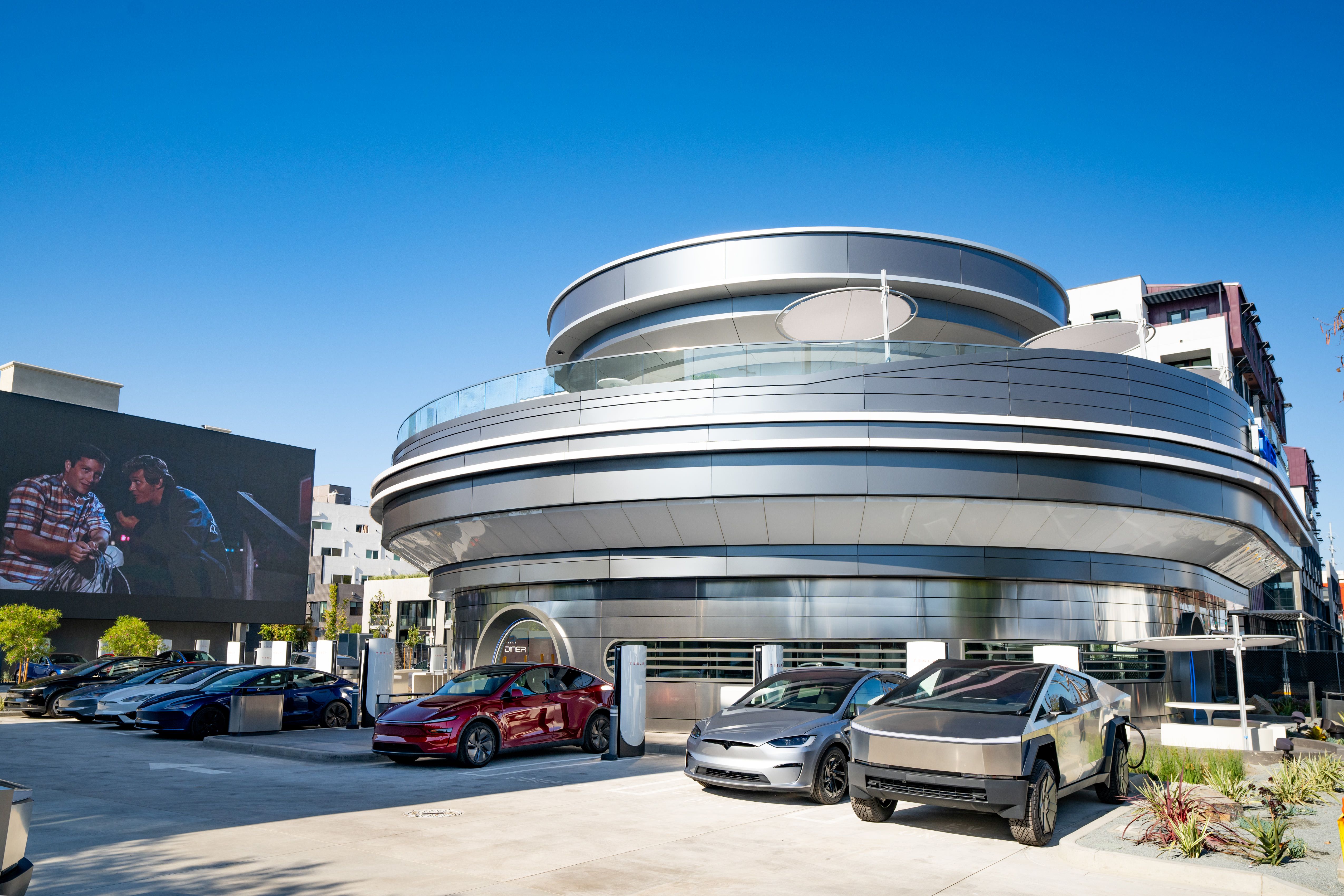
🥤The Tesla Diner & Drive-In, Elon Musk's long-awaited restaurant that blends retro nostalgia and futurism with the automaker's fast-charging network, officially opened this week in Hollywood. (TechCrunch)
5. Parting shot

Axios Future of Mobility