Axios Future of Mobility

September 09, 2026

👋 Hey, it's Wednesday already! Aren't short weeks great?
- 🤑 Today, we're diving into what Tesla's Cybercab plans could mean for entrepreneurs.
- 🚕 Plus, why Lyft might be the perfect partner for Waymo.
📌 First, an Axios PSA: Join Axios House in New York City for Climate Week and the U.N. General Assembly, Sept. 21-22, for conversations on how AI, energy security, climate goals and geopolitical competition are shaping the global economy.
- Speakers include Sen. Brian Schatz, NVIDIA Head of Sustainability Josh Parker, Patagonia CEO Ryan Gellert, Amazon Chief Sustainability Officer Kara Hurst, National Energy Dominance Council Executive Director Jarrod Agen & more. Sign up!
1,784 words, a 6½-minute read.
1 big thing: Tesla's call for Cybercab entrepreneurs
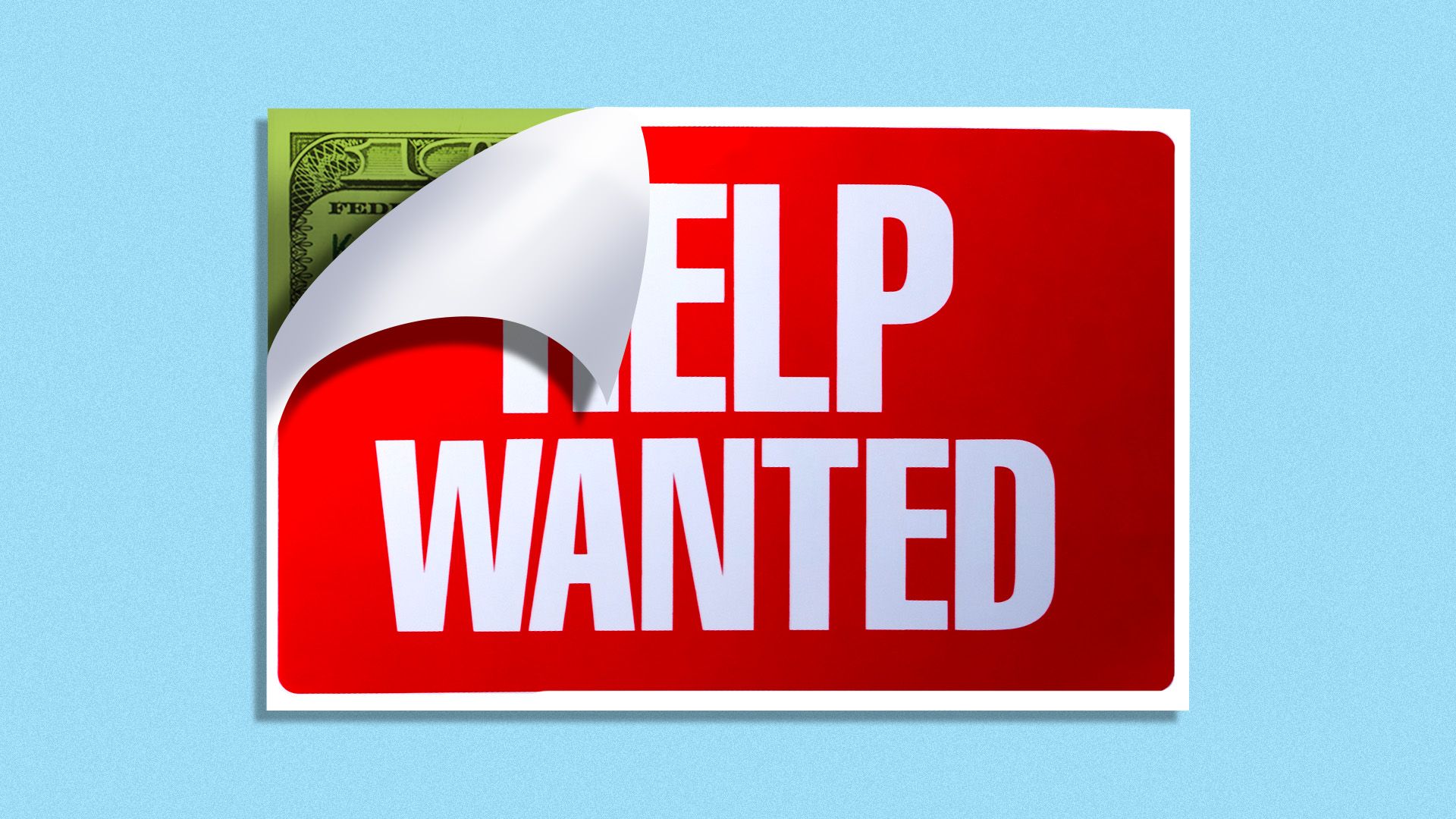
Tesla's traditional do-it-yourself instinct could be tested by its nationwide robotaxi ambitions.
The big picture: Manufacturing self-driving taxis is one thing. Financing, parking, charging, cleaning and maintaining enough of them to blanket the country is another — and Tesla is signaling that it might want entrepreneurs to help shoulder the load.
Driving the news: Alongside last week's driverless Cybercab launch, Tesla began soliciting interest from people who want a piece of the action.
- "Help us build our Robotaxi network," says a newly posted page on Tesla's website.
- Prospective partners interested in "Cybercab fleet vehicle purchasing" as well as "mobility hubs and infrastructure" are invited to fill out a form.
- Tesla hasn't disclosed anything about the economics of such an arrangement, including how much a Cybercab costs.
Zoom out: One possible model comes from Amazon, whose Delivery Service Partner program relies on more than 4,000 independent businesses to perform the expensive, labor-intensive work of delivering its packages.
- Amazon provides the customers, technology, logistics network and other support, while local entrepreneurs operate fleets of Amazon-branded vans and hire the drivers.
- That arrangement helped Amazon build a gigantic delivery network without having to employ every driver and own every vehicle.
Tesla could use Cybercab entrepreneurs in much the same way.
- Tesla could build the cars, provide the autonomous driving technology and manage the Robotaxi app that would match passengers with vehicles.
- Independent fleet owners could bring capital to buy the cars — and assume the financial risk of keeping them busy and profitable.
- A structure along those lines could potentially help Tesla shift billions of dollars in vehicles and infrastructure off its own balance sheet while preserving control of the network.
Between the lines: It would be a big departure, however, for Tesla, which has historically embraced vertical integration — from vehicle manufacturing to battery production to its Supercharger network.
- Tesla did not respond to a request for comment.
Follow the money: The Amazon experience also illustrates the risk for entrepreneurs whose businesses depend heavily on one powerful platform.
- One group of Amazon Delivery Service Partners recently organized to seek better financial terms; Amazon says the vast majority of its partners run successful, profitable businesses.
- At Tesla, the risk is that an entrepreneur might invest hundreds of thousands of dollars in Cybercabs or infrastructure only to discover that Tesla can alter the economics — or expand its own competing fleet — virtually overnight.
Reality check: Even if Tesla were to adopt some kind of franchising model for Cybercab, it's not yet ready to scale fully autonomous AVs.
- So far, it has only a modest fleet in Austin, Texas, with just 45 Cybercabs authorized for driverless operation statewide.
- While Tesla says its factory can build up to 125,000 a year, its second-quarter letter to shareholders noted that batteries are "the main limiting factor to near-term vehicle production volume increase."
There's also a regulatory hurdle. The National Highway Traffic Safety Administration has opened an investigation into Tesla's self-certification that the Cybercab — which lacks a steering wheel and pedals — complies with federal vehicle safety standards.
What we're watching: Whether Tesla fills in the missing pieces of its entrepreneur pitch — particularly the Cybercab's price and how revenue would be divided between Tesla and fleet owners.
The bottom line: If Tesla's ultimate objective is to operate a massive ride-hailing network, the fastest way could be to get thousands of other businesses to help pay for it.
2. 📷 Catch up quick: Cybercabs come out in Austin
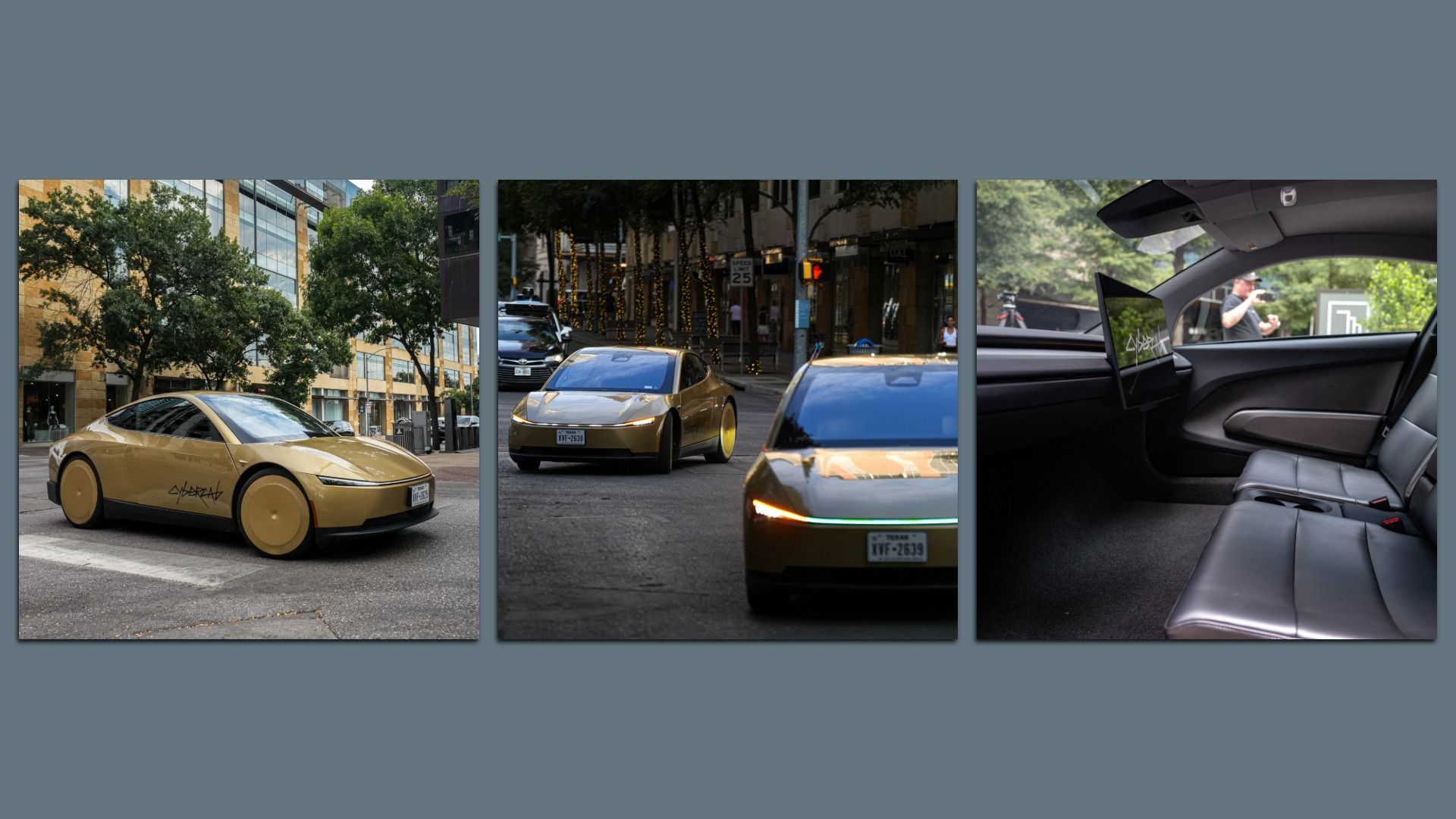
Tesla customers in Austin, Texas, can now book rides in a driverless Cybercab that has no steering wheel or pedals.
The big picture: While the initial fleet size is limited, the Cybercab's official commercial launch in Austin on Sept. 4 marked the beginning of CEO Elon Musk's vision for an autonomous future.
3. Robotaxis need a place to sleep
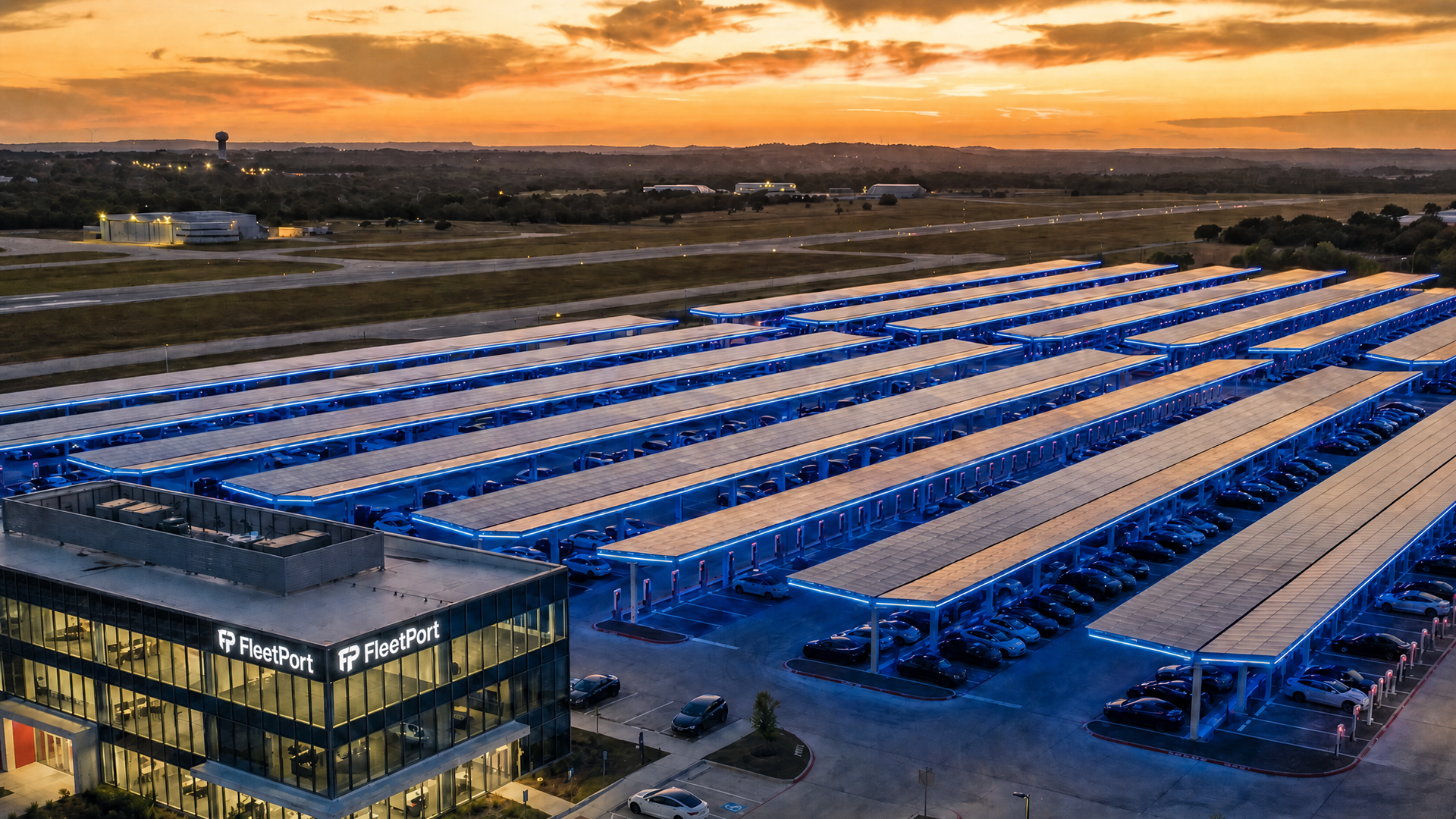
A veteran real estate executive is trying to launch a network of what he calls the modern-day robotaxi equivalent of full-service gas stations.
Why it matters: Tesla's call for entrepreneurs is already inspiring another potential business opportunity: building the places for fleet owners to park and service their Cybercabs.
Between the lines: "There's a lot of very successful entrepreneurs. They live in suburbia. They don't want eight robotaxis sitting ... on their street," Jason Maxwell tells Axios.
- Maxwell is trying to launch Fleetport, what he envisions as a network of hubs offering overnight storage of 100 to 250 robotaxis, along with fast charging, cleaning and basic maintenance.
- His target customer: the aspiring entrepreneur who buys seven, 10 or 20 Cybercabs but doesn't have anywhere to put them.
Reality check: Fleetport is itself a bet on a future that hasn't arrived yet.
- Maxwell has no partnership with Tesla, hasn't raised institutional capital and hasn't begun construction — but he says he and a partner have identified potential sites, beginning with Texas.
- Fleetport's website says it plans six hubs near major airports — in Austin, Oakland, San Francisco, Los Angeles, Phoenix and Miami — opening in 2027.
What we're watching: Finding suitable real estate in any densely populated city is difficult, but robotaxi depots need to be carefully located to maximize efficiency and avoid empty trips.
- The challenge is compounded by zoning and permitting delays, not to mention power requirements.
- It can take years to build the necessary infrastructure, and it requires plenty of capital.
- And consumer demand for robotaxis is still uncertain.
What they're saying: Maxwell acknowledges the risk.
- "Maybe it's not as quick as I want. Maybe it's five years or longer," he says of a national Cybercab rollout.
- His bet is that robotaxi depots will eventually become their own real estate asset class — and that getting control of the right properties before the boom could be lucrative.
The bottom line: If Tesla really does unleash thousands of independently owned Cybercabs, some of the best business opportunities could turn out to be decidedly old-school: parking spaces, electricity and car washes.
4. Why Lyft could be Waymo's ideal partner
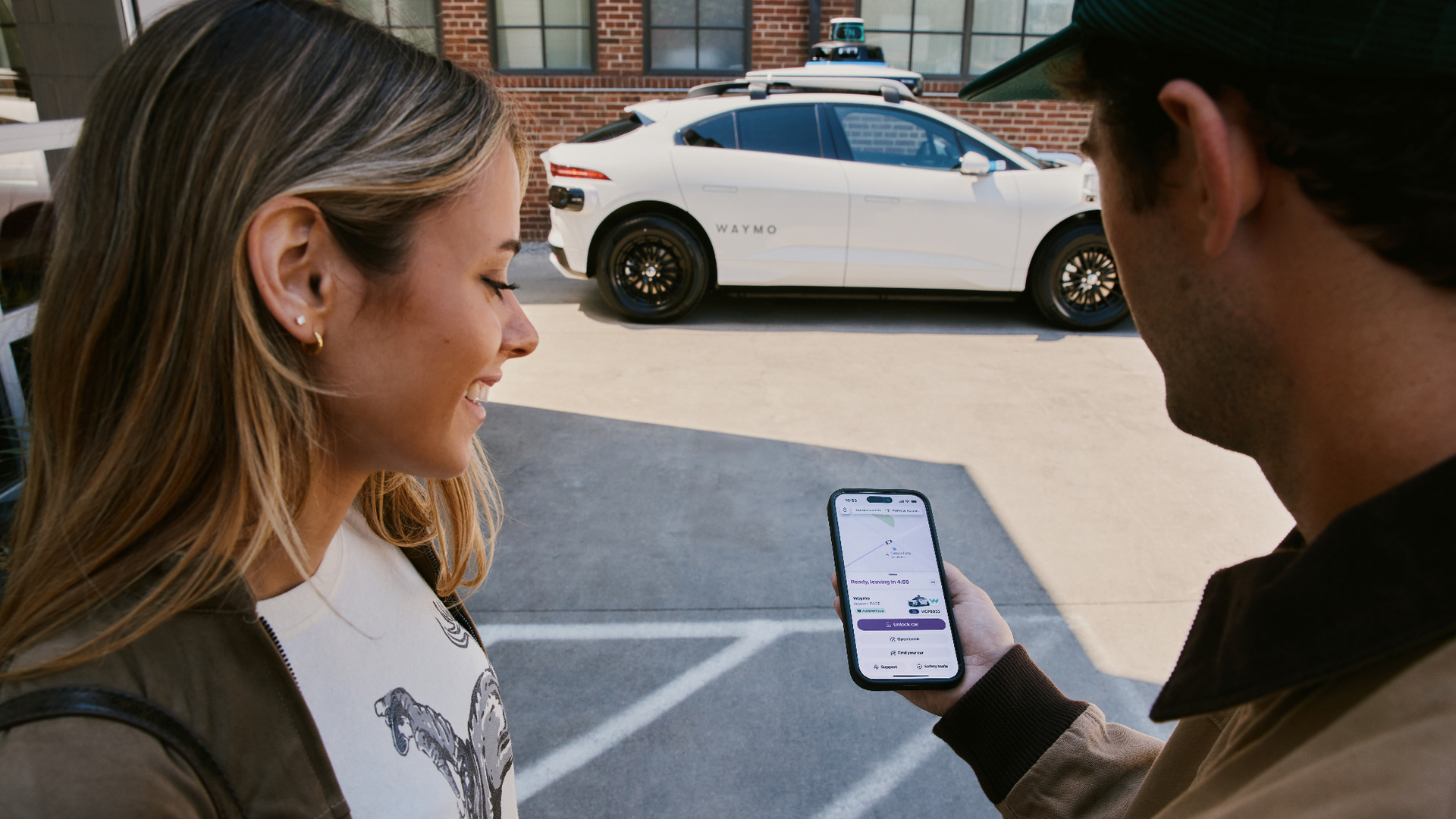
Lyft is emerging as an ideal partner for Waymo, bringing riders and the infrastructure to keep its robotaxis running — without getting in the way of Waymo's push to build its own ride-hailing business.
Why it matters: As Waymo's relationship with rival Uber frays under the weight of competing ambitions, Lyft sees an opportunity: making itself indispensable to Waymo behind the scenes.
Driving the news: Starting today, Lyft riders can be matched with a Waymo robotaxi in Nashville.
- It's the first market where Waymo vehicles are available across both the Waymo and Lyft apps.
- The vehicle fleet is managed by Lyft's Flexdrive unit, whether they're dispatched through Waymo's own app or Lyft's.
- Flexdrive will handle charging, cleaning and maintenance of hundreds of Waymo vehicles at a new 80,000-square-foot depot set to open this fall.
Zoom out: The arrangement stands in contrast to Waymo's increasingly strained partnership with Uber in Austin and Atlanta, where Waymo rides are available exclusively through Uber's app.
- As Waymo expands its own consumer-facing service into more cities, its interests increasingly overlap with Uber's.
- Earlier this year, Waymo ended a three-year pilot with Uber in Phoenix, and it's talking about doing the same in Austin and Atlanta, per the Financial Times.
The big picture: Lyft is making a different play. It's less of a competitive threat to Waymo and is offering two things Waymo really needs: riders and the infrastructure needed to service its fleet.
- "We want to prove this model in Nashville and then take it to scale," Jeremy Bird, Lyft's executive vice president of global growth, tells Axios.
The key is Flexdrive, Lyft's often-overlooked fleet management subsidiary acquired in 2020 to help supply rental cars to Lyft drivers.
- In Nashville, Lyft and Waymo have aligned their incentives around a crucial metric: keeping Waymo's expensive high-tech vehicles busy.
Between the lines: That means Lyft can benefit from Waymo's growth without requiring Waymo to surrender its brand or direct relationship with customers.
- Waymo gets incremental demand from Lyft when it needs it, plus a partner to handle the decidedly unglamorous work of keeping its vehicles on the road.
- Lyft, meanwhile, gets a role in the robotaxi economy even when a passenger never opens its app.
The bottom line: Lyft may never match Uber's scale. But in the emerging robotaxi business, being smaller — and more willing to operate behind the scenes — could make Lyft exactly the kind of partner Waymo wants.
5. Drive-thru
🇨🇳 U.S. Transportation Secretary Sean Duffy blasted Ford's business partnerships with Chinese companies, saying they pose national security concerns. Ford responded that Duffy's "letter is a wrongheaded attempt to capture headlines." (Reuters)
💸 PlusAI announced its third attempt to go public in a SPAC deal that values the self-driving truck software developer at $800 million. (Transport Topics)
🍿 A four-hour Elon Musk documentary premiered this week in Venice. The Associated Press interviewed filmmaker Alex Gibney about what Musk has called "a hit piece." (AP)
6. 🚘 What I'm driving
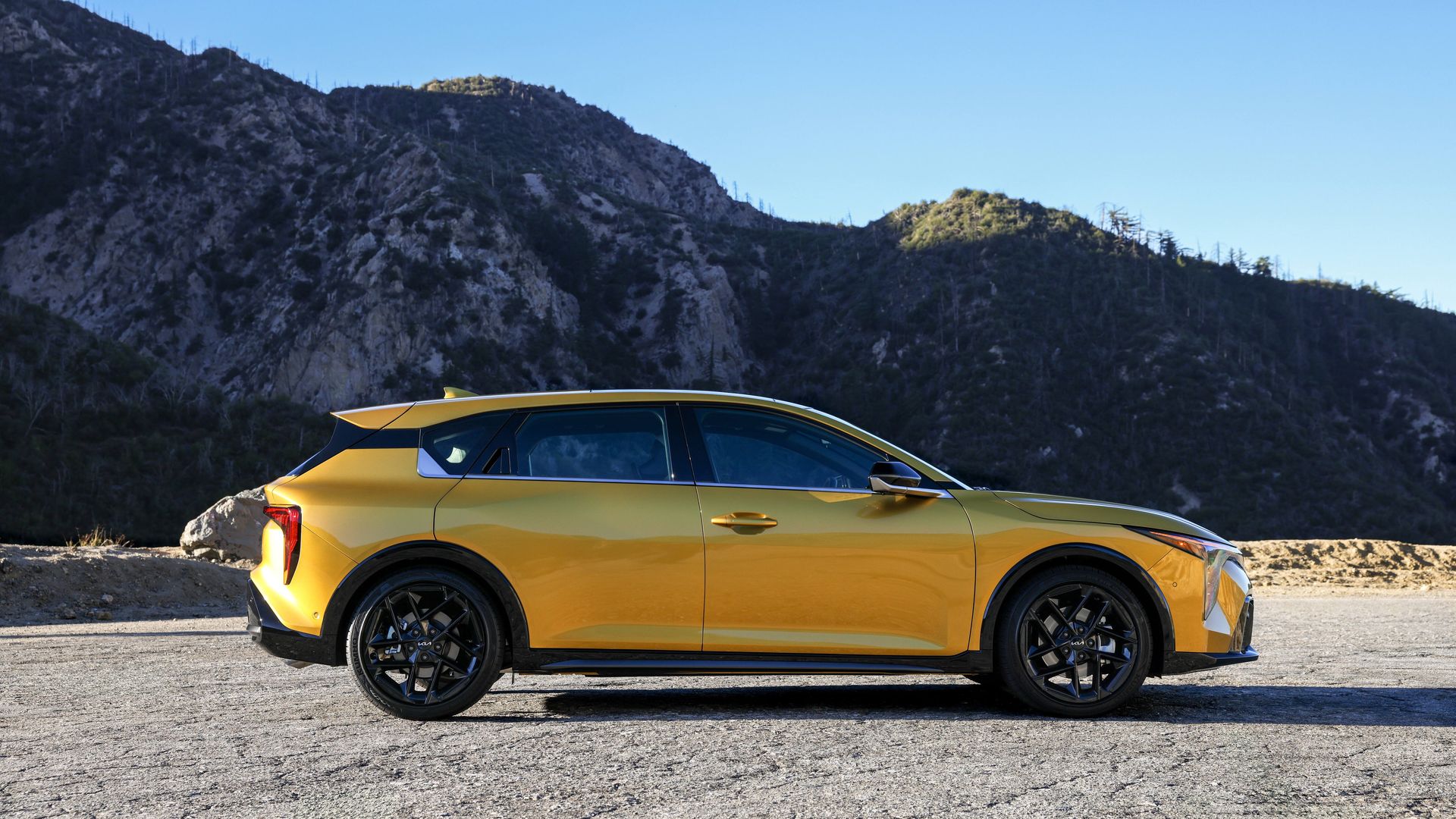
Kia K4 hatchback GT-Line Turbo
- MSRP: Starting price: $24,890 (plus $1,195 delivery); As tested: $32,870 for GT-Line Turbo with optional tech package.
- Under the hood: Base 2.0-liter engine with CVT (147 hp/30 mpg) or upgraded 1.6-liter turbocharged engine with 8-speed transmission (190 hp/28 mpg).
- Manufacturing site: Mexico.
What's new: The hatchback is a sportier sibling to the entry-level K4 sedan, offering extra headroom for rear-seat passengers and more cargo space.
- The optional turbo engine provides much-needed oomph over the base-level K4 EX model I drove earlier this year.
What I loved: A seamless multiscreen digital display stretches nearly 30 inches across the driver cockpit. Very modern and intuitive.
- The standard suite of driver-assistance features now includes blind-spot and rear cross-traffic collision avoidance systems.
- But for $2,300 extra, you can add a basket of high-tech goodies to the GT-Turbo, including highway driving assist, surround-view cameras and other premium features.
- And you can't beat the value.
What I didn't love: It's just a quibble, but the climate display is partially obscured by the steering wheel.
The bottom line: Great styling and technology at a great price.
I test-drive vehicles in my role as a juror for the North American Car and Truck of the Year awards. Opinions are my own.
Thanks to editors Pete Gannon and Bill Kole. If you're a fan of this newsletter, please ask your friends to sign up, too.
Sign up for Axios Future of Mobility