Why Lyft could be Waymo's ideal ride-hailing partner

Add Axios as your preferred source to
see more of our stories on Google.
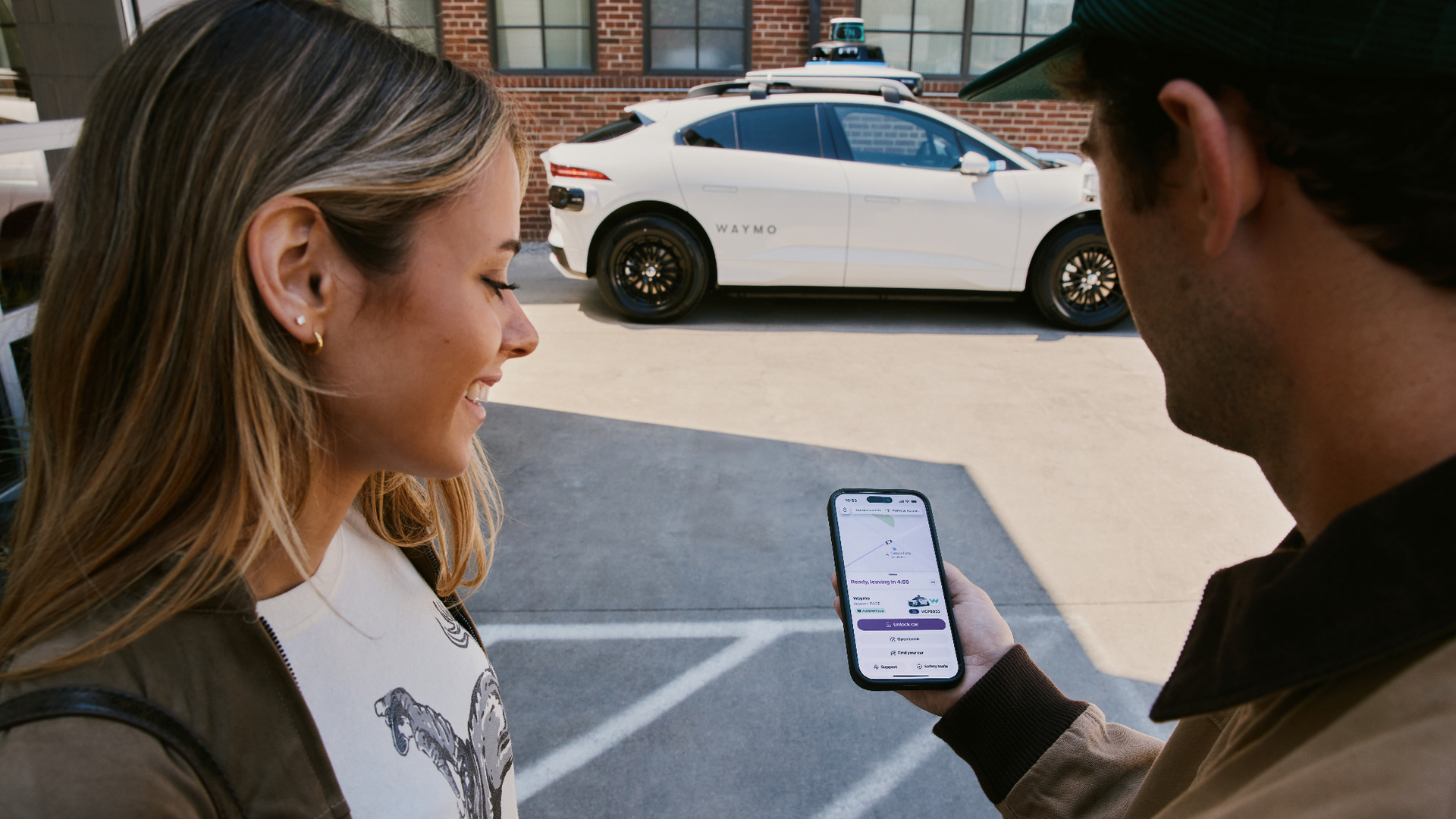
Waymo robotaxis are now available on Lyft in Nashville. Image courtesy of Lyft
Lyft is emerging as an ideal partner for Waymo, bringing riders and the infrastructure to keep its robotaxis running — without getting in the way of Waymo's push to build its own ride-hailing business.
Why it matters: As Waymo's relationship with rival Uber frays under the weight of competing ambitions, Lyft sees an opportunity: making itself indispensable to Waymo behind the scenes.
Driving the news: Starting Wednesday, Lyft riders can be matched with a Waymo robotaxi in Nashville.
- It's the first market where Waymo vehicles are available across both the Waymo and Lyft apps.
- The vehicle fleet is managed by Lyft's Flexdrive unit, whether they're dispatched through Waymo's own app, or Lyft's.
- Flexdrive will handle charging, cleaning and maintenance of hundreds of Waymo vehicles at a new 80,000-square-foot depot set to open this fall.
Zoom out: The arrangement stands in contrast to Waymo's increasingly strained partnership with Uber in Austin and Atlanta, where Waymo rides are available exclusively through Uber's app.
- As Waymo expands its own consumer-facing service into more cities, its interests increasingly overlap with Uber's.
- Earlier this year, Waymo ended a three-year pilot with Uber in Phoenix, and it's talking about doing the same in Austin and Atlanta, per the Financial Times.
The big picture: Lyft is making a different play. It's less of a competitive threat to Waymo, and is offering two things Waymo really needs: riders and the infrastructure needed to service its fleet.
- "We want to prove this model in Nashville and then take it to scale," Jeremy Bird, Lyft's executive vice president of global growth, tells Axios.
The key is Flexdrive, Lyft's often-overlooked fleet management subsidiary acquired in 2020.
- Lyft bought Flexdrive to help supply rental cars to Lyft drivers; now that same experience is becoming a strategic asset for operating cars without drivers.
- In Nashville, Lyft and Waymo have aligned their incentives around a crucial metric: keeping Waymo's expensive high-tech vehicles busy.
- Waymos will be dynamically dispatched between the Waymo and Lyft apps based on factors including location, distance and available supply, Bird said.
- "The thing we will hold ourselves most accountable to ... is the utilization being high, regardless of what app it's on," he said.
Between the lines: That means Lyft can benefit from Waymo's growth without requiring Waymo to surrender its brand or direct relationship with customers.
- Waymo gets incremental demand from Lyft when it needs it, plus a partner to handle the decidedly unglamorous work of keeping its vehicles on the road.
- Lyft, meanwhile, gets a role in the robotaxi economy even when a passenger never opens its app.
What they're saying: Bird declined to comment directly on Uber's relationship with Waymo but said Lyft approaches partnerships differently.
- "We want this to be a long-term thing," he said. "We want you to grow with us, and we want to grow with you."
Reality check: Lyft isn't Waymo's only fleet-management option. Waymo uses other partners elsewhere, including Avis, Avomo and Moove, and Uber has been investing heavily in its own AV fleet infrastructure.
What we're watching: An Uber-Waymo divorce could be coming.
- Waymo has told Uber that it intends to launch its own app in Austin and Atlanta in January 2028, as soon as it's allowed under their existing contract, according to the FT.
The bottom line: Lyft may never match Uber's scale. But in the emerging robotaxi business, being smaller — and more willing to operate behind the scenes — could make Lyft exactly the kind of partner Waymo wants.
