Axios Communicators

March 12, 2026

Welcome back! Today we are talking about a few of my favorite things: burgers, LinkedIn and AI.
- 🌮 I'm excited to see many of you in Austin for SXSW this weekend! Join us for a Communicators happy hour on Sunday, hosted in partnership with Yahoo! RSVP here.
Today's newsletter, edited by Christine Wang and copy edited by Amy Stern, is 1,543 words, 6 minutes.
1 big thing: Turning memes into money
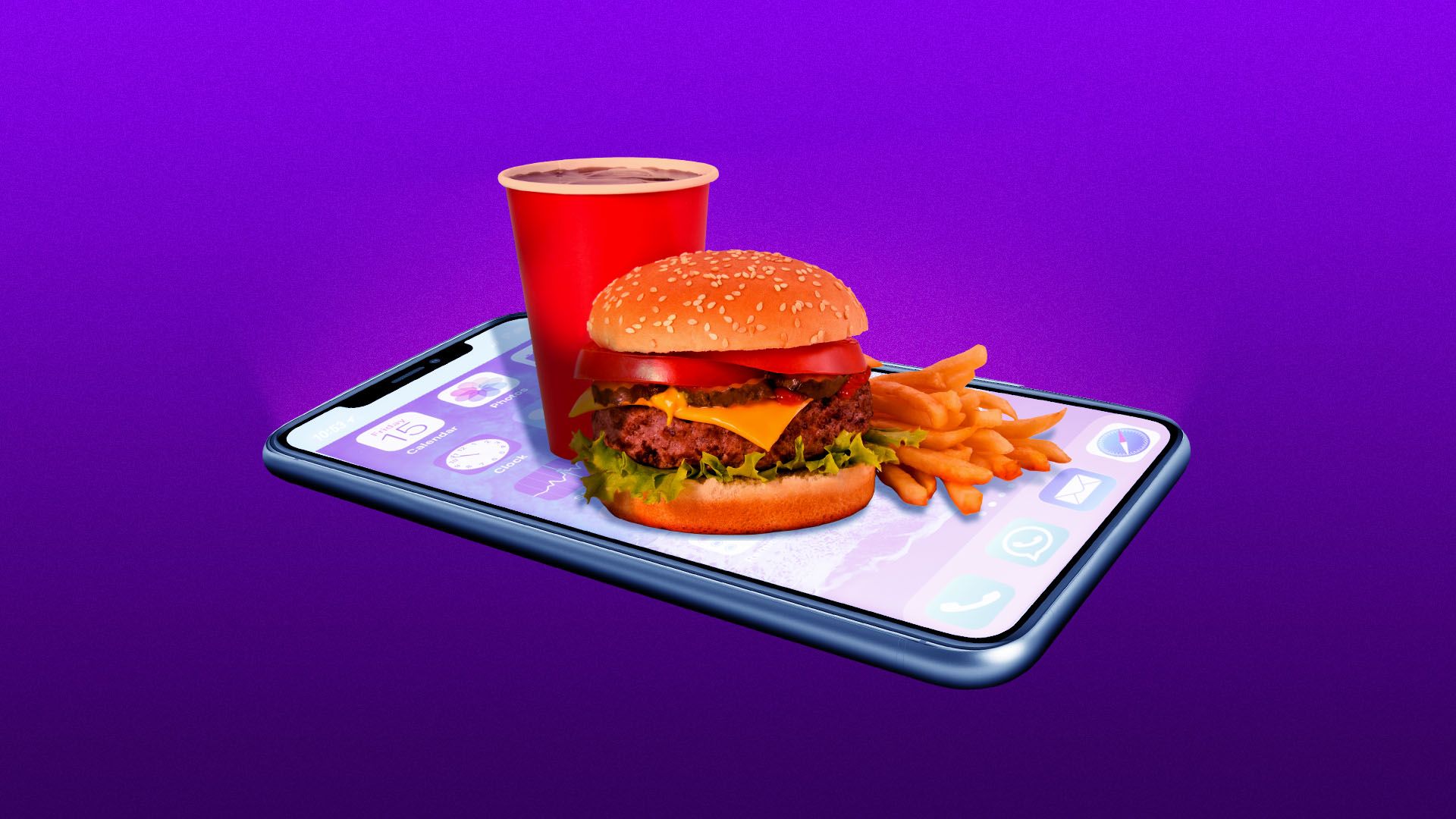
A video of McDonald's CEO Chris Kempczinski awkwardly eating a burger went viral and united the internet for a few days.
- 📈 It also led to an increase in sales.
Why it matters: Many aim to go viral, few know how to manage it once they do, and even fewer see it drive revenue.
Catch up quick: Over a month ago, Kempczinski posted a video of himself on LinkedIn taste testing a new menu item, the Big Arch burger. The CEO, who has been actively posting on LinkedIn for years, saw an average level of engagement on the post, and it lived there safely in the working professionals version of social media.
- But the clip took off after creators on X and TikTok started to mock Kempczinski for his overly corporate presentation and stiffness.
- In the video, Kempczinski takes a small bite of the burger — which he refers to as a "product" — against the backdrop of his office.
This prompted rival fast-food execs from Burger King and Wendy's, along with general social media users, to recreate the video with their own taste tests.
- McDonald's marquee brand accounts also got in on the joke by posting a photo of the burger with the caption "take a bite of our new product."
- It was then widely meme-ified and used to poke fun at senior executives who seemingly don't use their own company's products.
Yes, but: The buzz and awareness created material value for the company.
- According to a McDonald's spokeswoman, early sales are beating expectations following the viral video.
Between the lines: Kempczinski has been building up his social media chops in recent years, with his Instagram presence growing tenfold and LinkedIn following doubling since 2023.
- Kempczinski has 7x more total followers than the next industry CEO competitor, Starbucks' Brian Niccol, according to the company.
- Plus, his followers have grown 30% since the Big Arch taste testing video.
What they're saying: "Virality is a product of putting a lot of shots on goal. Kempczinski has been showing up day after day, week after week, for years on social media," said Sara Wilson, founder of digital strategy consultancy SW projects.
- "[McDonald's] has a knack for creating incredibly thoughtful and viral cultural moments again and again. So this wasn't a one-off for McDonald's," she added.
- "They're pretty good at this, even though the reach of this one — I would be willing to put money on — was not something they could have predicted."
Case in point … 👇🏻
2. Bonus chart: CEO chatter


Not only did the video drive awareness for Kempczinski's personal brand, it also created a halo effect for McDonald's and its competitors.
By the numbers: On Sunday, McDonald's saw 47,900 total mentions and a reach of 5.8 billion across all platforms, making it the single-highest conversation day for any campaign — and by campaign standards, it was a fairly low lift.
- The video has been mentioned over 50,000 times on X since it was initially released, according to PeakMetrics data shared with Axios.
Yes, but: Fast-food competitors successfully news-jacked the moment by quickly posting reply videos featuring their CEOs eating burgers.
- As such, Burger King was featured in 68% of the McDonald's burger video conversation online, while Wendy's was featured in 18%, per PeakMetrics.
- By entering the burger video wars, Burger King and Wendy's also shifted the tone of the chatter online from humor and mocking to competitive comparisons.
3. Boycott over Target's diversity pullback ends, activists say

Leaders of a high-profile boycott against Target announced yesterday they are ending their yearlong campaign that was sparked by the retailer's decision to scale back some diversity, equity and inclusion efforts.
Why it matters: The moment gives Target an opening to frame the episode as a reputational reset under new CEO Michael Fiddelke.
State of play: The standoff had put Target at the center of a broader backlash against corporate diversity rollbacks.
- In recent months, Fiddelke met with campaign leaders as part of what the company described as a more proactive stakeholder engagement approach.
- Leaders pointed to Target's pledge to soon fulfill its 2021 commitment to invest $2 billion in Black-owned businesses, more than doubling the number of Black-owned brands on its shelves.
Yes, but: Target said no policies were reversed or reinstated as a result of the conversations and described the $2 billion pledge as the completion of an existing commitment.
What they're saying: "Target is more committed than ever to creating growth and opportunity for all," the retailer said in a statement to Axios.
- "We're pleased to be moving forward, and we will continue showing up as trusted neighbors while delivering results for our team members, guests and the more than 2,000 communities in which we serve."
4. LinkedIn feeds the bots

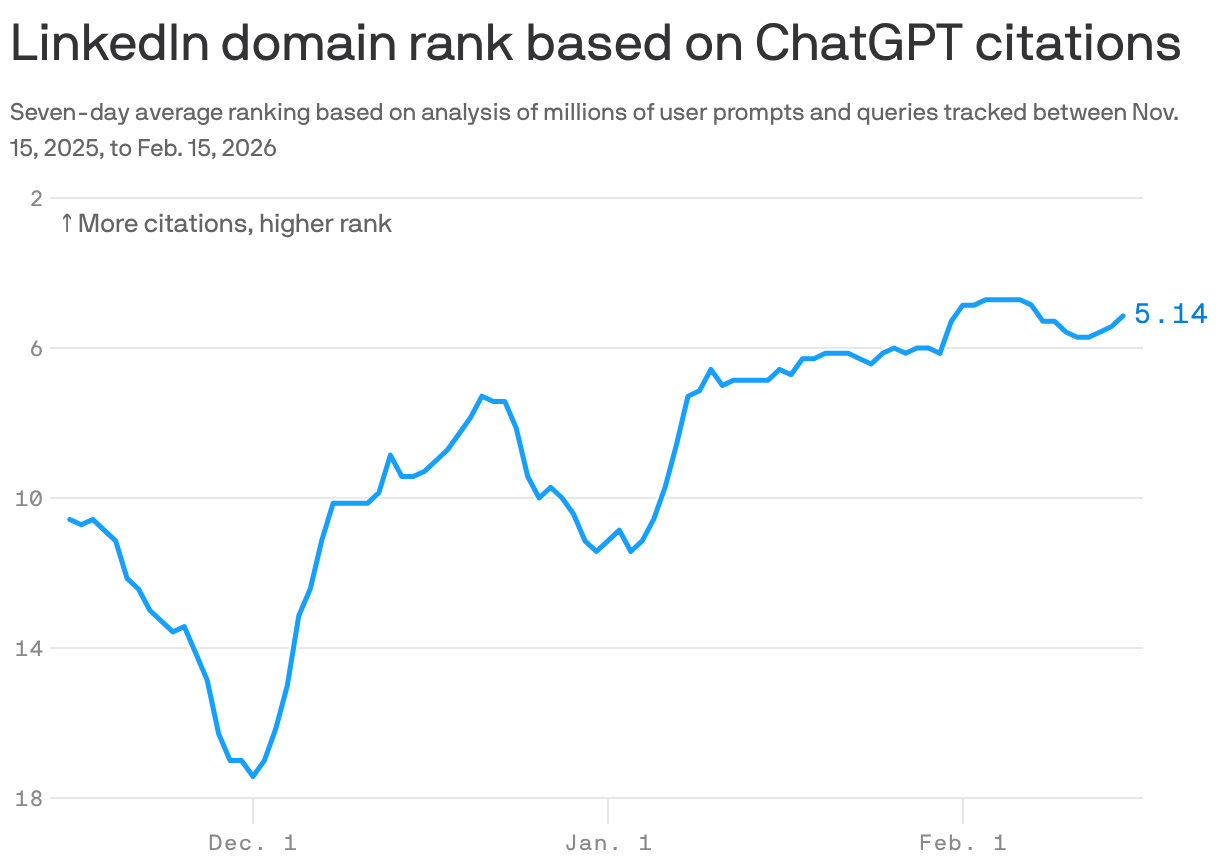
LinkedIn has become one of the top sources for AI-powered chatbots like ChatGPT, Claude and Gemini, according to new data from marketing platform Profound.
Why it matters: AI search is rewriting the rules of executive and brand visibility, raising the stakes for how leaders show up online.
Zoom in: Since November, LinkedIn's citation frequency has doubled, and it is now the No. 1 domain cited in professional search queries.
- LinkedIn posts, long-form articles and newsletters account for 35% of all LinkedIn citations within ChatGPT, while profiles are cited 14.5% of the time, according to Profound.
Zoom out: Community and creator-driven platforms like Reddit, Wikipedia and YouTube have all emerged as some of the most cited sources in AI responses precisely because they host real, conversational human insights that models latch onto when answering nuanced queries.
- Because what's said in Reddit threads increasingly shows up in chatbot responses, brands that were once wary of the platform have ramped up their presence to manage reputation, correct misinformation and shape the narrative.
What they're saying: "Professional visibility is changing. It is no longer only about how people present themselves to other people. It is increasingly about how machines interpret them first," says Erin Lanuti, co-founder of LinkedIn intelligence platform Lilypath.
- "If AI systems are using LinkedIn as a core source for professional authority, profile clarity becomes foundational to whether someone is surfaced, trusted or overlooked," she added.
Yes, but: Generative AI search tools can only surface publicly available LinkedIn content, according to the company.
- "We continue to protect member data from unauthorized scraping and only content [users] have chosen to make public on LinkedIn can appear in these results," a spokesperson told Axios.
The bottom line: In the age of AI and generative engine optimization (GEO), every executive, brand and company can grow their reach and credibility by engaging thoughtfully on LinkedIn.

5. CEOs plan few AI job cuts
⚠️ Narrative violation alert: Fewer than 1 in 10 CEOs of large U.S. companies plan to cut jobs due to AI in 2026, a new survey from consultancy KPMG finds.
Why it matters: It's surprising, considering all of the hand-wringing over AI driving layoffs.
By the numbers: 9% of CEOs plan to reduce their workforce because of AI investments this year, per the 2026 KPMG U.S. CEO Outlook Pulse Survey.
- 55% expect to increase their hiring in 2026 as a direct result of AI, while 36% expect no change in hiring.
Zoom in: U.S. CEOs are optimistic about the potential of AI to improve their businesses over the next five to 10 years, but they've been underwhelmed by the impact in the short run, KPMG chief executive Tim Walsh tells Axios.
- "The majority of companies right now are not actually realizing, nor can they see, the return on investment of the AI they're deploying," he says.
- Part of the challenge is that the actual integration of AI into existing processes and systems is proving to be sluggish, Walsh adds.
The bottom line: The AI disruption story is still being written.
6. Anthropic ramps up its D.C. presence
Anthropic is expanding its footprint in the nation's capital ahead of the midterms, according to company plans shared with Axios.
Why it matters: AI companies are spending heavily and expanding to Washington to influence the policies that will define the technology's future.
Driving the news: Anthropic is tripling its policy team and opening a permanent office in D.C. this spring to engage policymakers and think tanks long term.
- Expect Anthropic to continue advocating for export controls on advanced chips, a "clear" federal AI regulation framework, energy ratepayer protections and model transparency, a spokesperson said.
- The federal affairs team includes registered lobbyists from both parties.
- Anthropic's policy team will be led by Sarah Heck.
What to watch: Under intense scrutiny from the Trump administration, Anthropic is building a permanent Washington operation and signaling that the debate over the industry's future is just beginning.
7. 💭 1 quote to go
"Storytelling is strategy made understandable. It runs through product, sales, hiring/retention, fundraising and leadership. Founders who invest in it are playing the long game — and quality and credibility can be heard consistently."— M13 partner Christine Choi said at a recent MB/A event
✅ Thanks for reading! For exclusive reporting, deep dives and events, apply to join Mixing Board, powered by Axios.
Sign up for Axios Communicators