Boycott over Target's diversity pullback ends, activists say


Add Axios as your preferred source to
see more of our stories on Google.
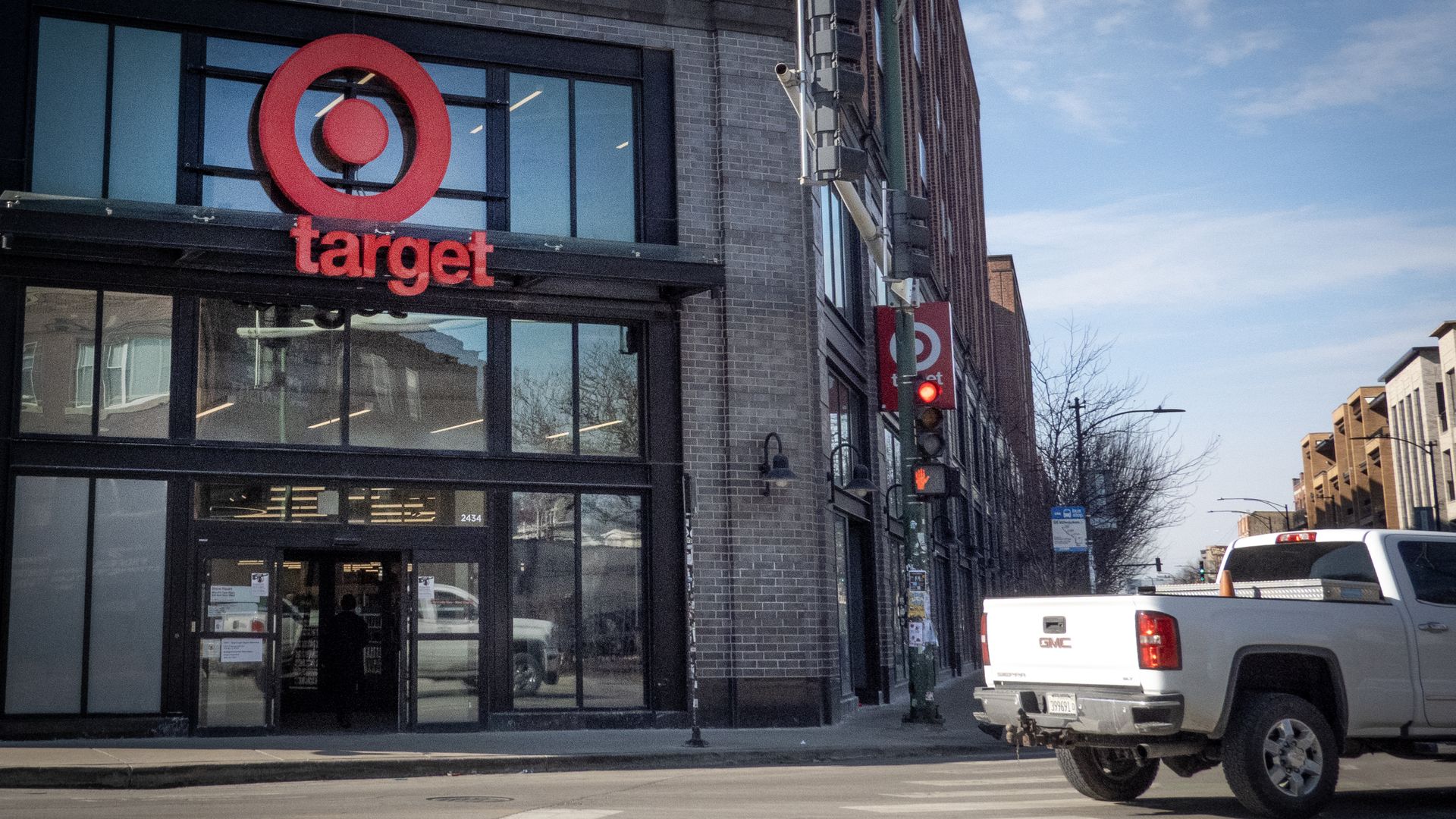
A Target store sign in Chicago on Feb. 10, 2026. The retailer has faced a nationwide boycott since 2025 after scaling back elements of its diversity, equity and inclusion strategy. Photo: Scott Olson/Getty Images
Leaders of a high-profile boycott against Target announced Wednesday they are ending the yearlong protest sparked by the retailer's decision to scale back some diversity, equity and inclusion efforts.
Why it matters: Leaders highlighting the boycott's success pointed to Target's pledge to fulfill its 2021 commitment to invest $2 billion in Black-owned businesses, more than doubling the number of Black-owned brands on its shelves.
- Target said no policies were reversed or reinstated as a result of conversations with its leadership and described the $2 billion pledge as the completion of an existing commitment.
- The moment gives Target an opening to frame the episode as a reputational reset under new CEO Michael Fiddelke, who met with boycott leaders in recent months.
The intrigue: The protest "has been unhelpful to Target" and likely had some impact but wasn't the retailer's core problem, Neil Saunders, managing director at GlobalData, told Axios.
- "Target's sales were slumping long before the DEI situation," Saunders said, noting most shoppers don't participate in boycotts — even if they agree with the cause.
- Saunders added that Fiddelke "seems very keen to listen and to learn from all kinds of stakeholders," calling that a positive sign for the company.
What they're saying: "Target is more committed than ever to creating growth and opportunity for all," the retailer said in a statement to Axios, also noting it serves more than 2,000 communities.
- Jamal Bryant, pastor of a prominent metro Atlanta megachurch, said at a National Press Club briefing announcing the campaign was "officially concluding" that "The Target Fast entity of the boycott is claiming victory."
- "We are effectively today closing this chapter because we have other fights that we've got to see and other things that we've got to tackle."
Catch up quick: Target said in January 2025 it was scaling back some diversity initiatives upon President Trump's return to the White House.
- Weeks later, Bryant launched a 40-day Lent boycott, arguing the company had retreated from post-George Floyd commitments.
- The boycott, which drew inspiration from historic campaigns in Montgomery and Birmingham, became part of a broader push by some Black leaders to use economic pressure in response to corporate DEI rollbacks.
Friction point: The rollbacks also affected some Black-owned brands and community partners tied to Target.
- BLK & Bold co-founder Pernell Cezar previously told Axios he was "disappointed" in the move, and Atlanta mental health nonprofit Black Men Smile also partnered with the retailer through initiatives tied to those programs.
State of play: During Wednesday's news conference, former Ohio state senator Nina Turner criticized Target for "bending to bigotry" after rolling back programs supporting Black products and minority-owned businesses.
- Turner said she first called activist Tamika Mallory — her "sister-friend" — and the two later reached out to Rev. Bryant, forming what they came to call the "Mothership Three" behind the boycott campaign.
- Mallory said Target has yet to publicly acknowledge the harm she says its DEI rollback caused Black customers. Turner echoed the call for a public apology.
- "When will you state to our community the harm that you have caused and welcome us back — that you will accept it and do better?" Mallory said. "To date, that has not happened."
Zoom out: Black Americans wield roughly $2 trillion in buying power, according to recent consumer market estimates.
- "Our dollars have influence and we have choices," Mallory said.
- "The question now is not about Target," she later added. "It's really about us; what's next, who's next, and what do we intend to do?"
Editor's note: This story was updated with information throughout.
More from Axios:
