Jesse Jackson is a model for Black churches in Trump era, pastor says

Add Axios as your preferred source to
see more of our stories on Google.
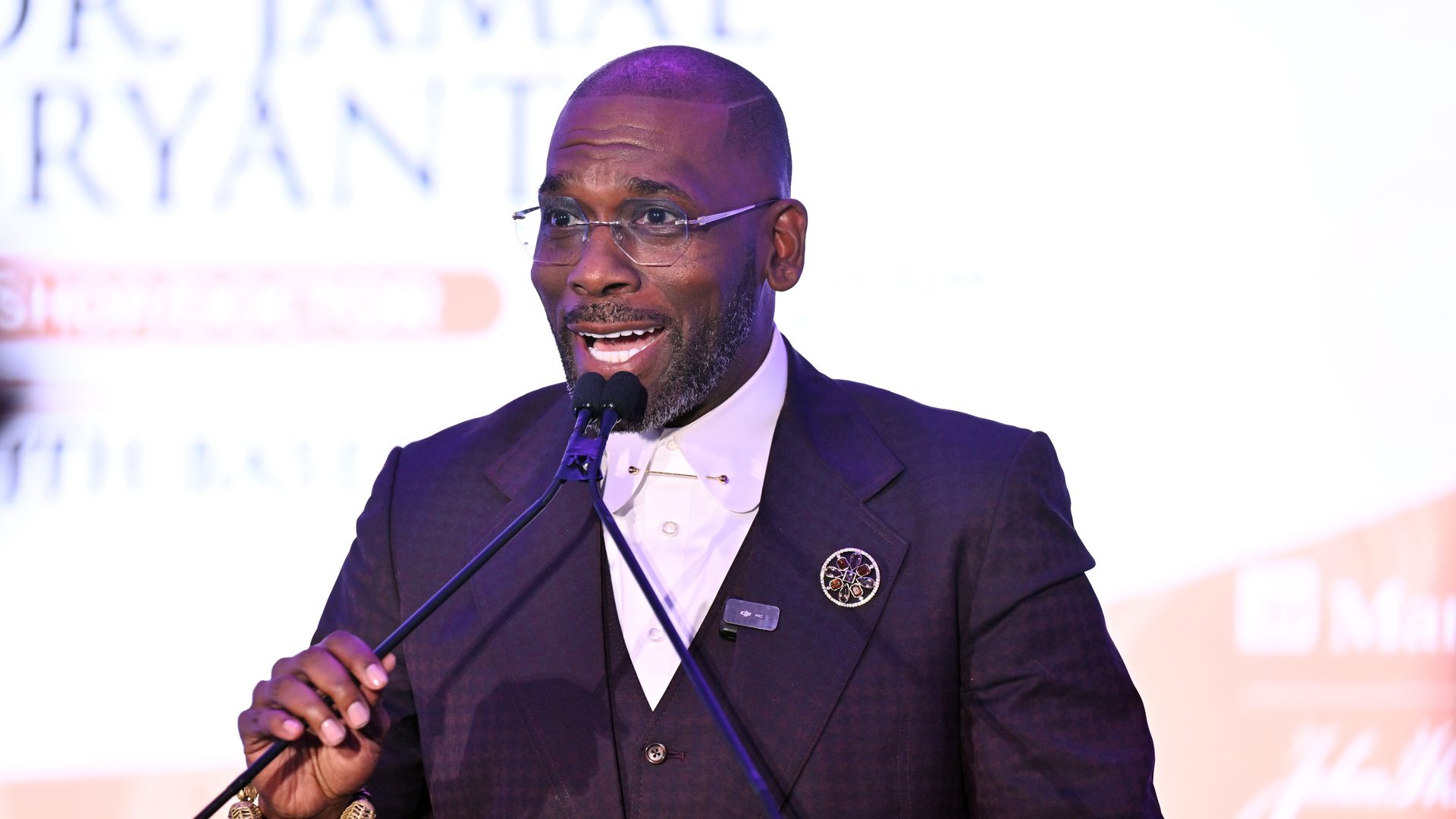
Rev. Dr. Jamal Bryant speaks onstage and accepts the Faith Based Activism award during the 2024 Social Justice Honors Brunch at Park Tavern on Dec. 15, 2024 in Atlanta. Photo: Paras Griffin/Getty Images
Rev. Jamal Bryant says Black churches must reclaim their historic mantle of leadership — and guide the nation through what he calls a moral and civic crossroads.
Why it matters: Bryant, who called Rev. Jesse Jackson his "superhero" and "blueprint," is stepping into a prophetic tradition shaped by Jackson and other civil rights giants — many of whom are now gone.
- Jackson, who died Tuesday and is expected to be honored with a funeral next week, embodied a model of ministry fused with movement-building that shaped Atlanta's political culture and beyond.
- Bryant says it's a tradition that must now be revived for a new generation.
What he's saying: "While other boys my age wanted to be Michael Jordan, I wanted to be Jesse Jackson. His poise, passion, and purpose were my blueprint. In 6th grade, I wore a Jackson for president button every day," Bryant told Axios.
Case in point: Bryant, pastor of New Birth Missionary Baptist Church in metro Atlanta, launched a 40-day Target fast — urging churches and consumers to boycott companies retreating from racial equity commitments — signaling a renewed call for Black churches to reclaim their role.
- Target later reported sharp sales declines and a leadership shake-up.
- Bryant drew inspiration from campaigns like Montgomery and Birmingham to pressure those in power.
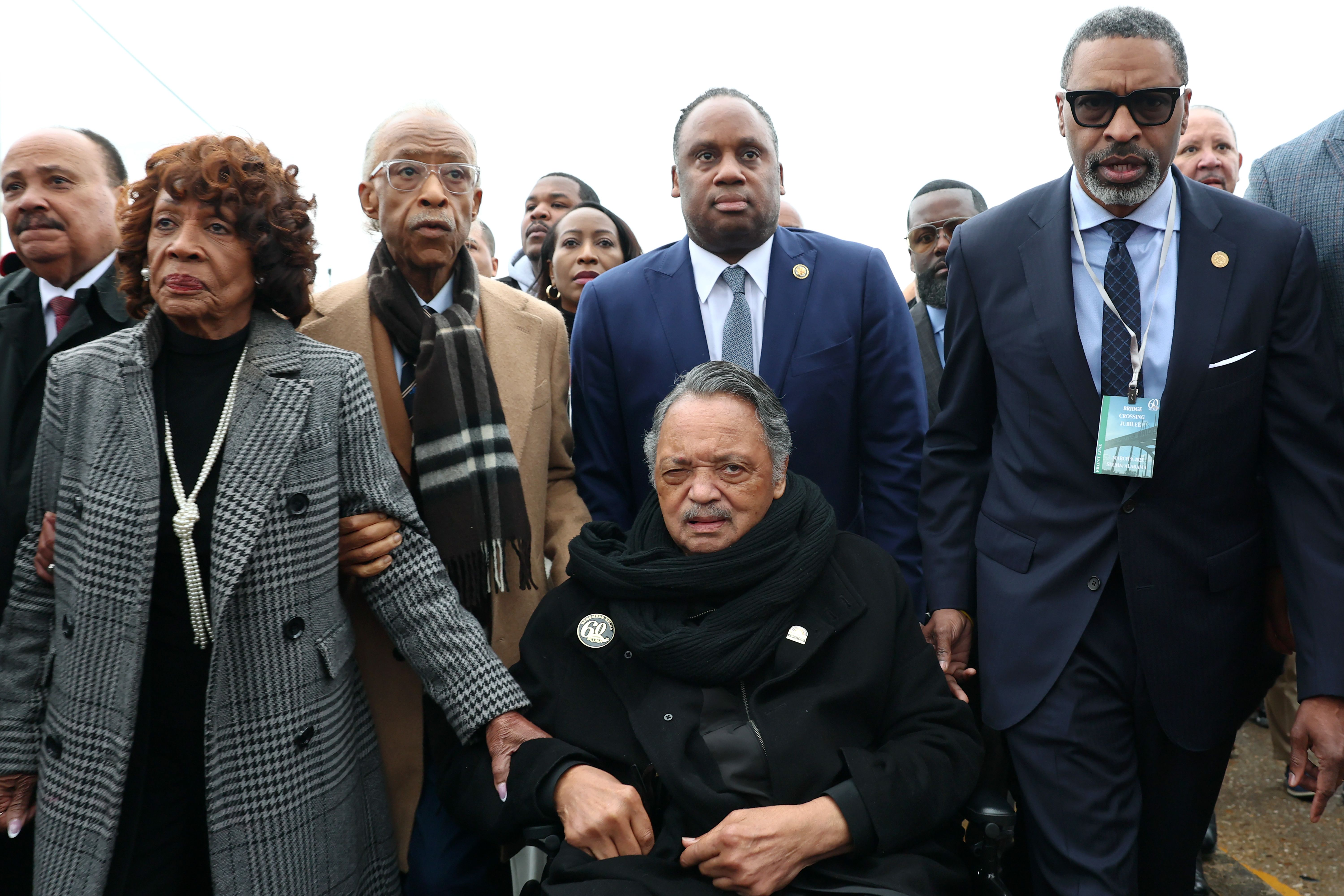
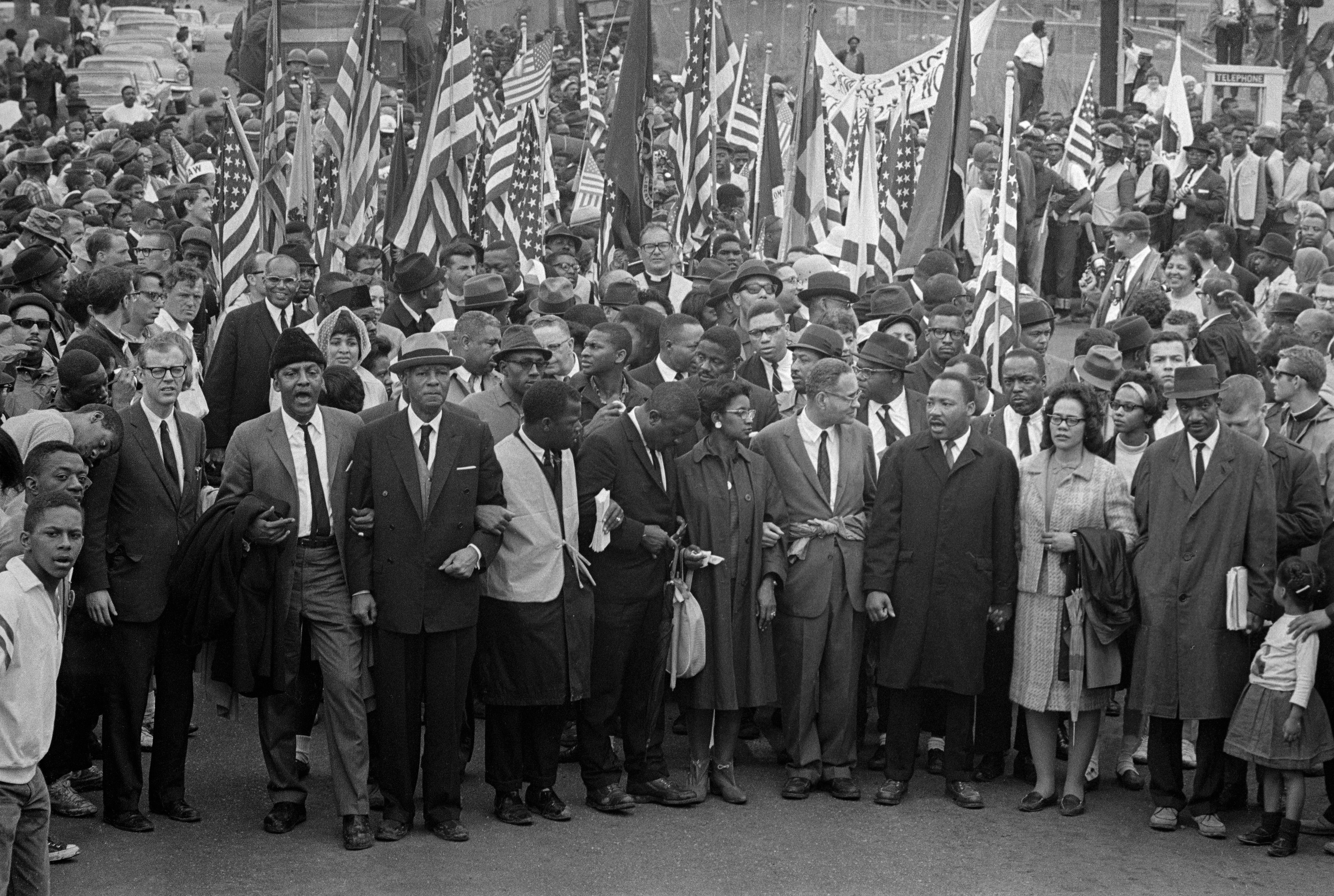
The big picture: For centuries, the Black church has been more than a place of worship — it's been a headquarters for resistance. Born in the hush harbors of slavery, sharpened during Reconstruction and formalized in the Civil Rights Movement, the church fused faith with action.
- Black pastors led nearly every major push for justice in America — from emancipation and voting rights to labor, housing and education reform. Their pulpits doubled as command centers for marches, boycotts and civic organizing.
- Jackson was standing on the balcony in Memphis when Dr. Martin Luther King Jr. was assassinated, a moment that cemented his place in the movement's inner circle.
Zoom out: The same institutions that anchored the Civil Rights Movement are again stepping into the breach as the drumbeat of Trump-era attacks on civil rights and diversity grows louder.
- Clergy such as Bryant, the Rev. Otis Moss III and the Rev. William H. Lamar IV are using social media, podcasts and the pulpit to lead a new wave of prophetic activism — mobilizing Black faith communities to confront today's political, economic and cultural backlash with clarity and conviction.
- "We have to have a focused agenda, because the next step after rage is burnout," Bryant said. "People are waiting for the rallying cry — we just have to be clear about what direction we're taking them."
- "The Black church has to clear its throat and cry aloud," Bryant told Axios. "If we're not careful, we'll find ourselves on an island of irrelevance."
Zoom in: Bryant said he's in daily strategy threads with pastors across the country — "Frederick Haynes in Dallas, Marcus Cosby in Houston, Charlie Dates in Chicago, Steve Green in New York, and Talbert Swan in Massachusetts."
Reality check: Civil rights attorney Maya Wiley called the Target fast a potent example of "mobilizing moral voice with economic consequence," saying leaders like Bryant and Dr. Barbara Williams-Skinner are reclaiming the Black church's historic leverage — both spiritual and financial — to resist today's rollbacks.
- "If we lose that voice, we lose a moral compass in this country," she said. "It's not just about preserving tradition — it's about protecting democracy."
Yes, and: Rev. William Barber of the Repairers of the Breach told Axios that faith leaders must also build broad, multiracial coalitions.
- "This is not a time for a new pseudo Black nationalism," Barber said. "It's got to be multiracial, multigenerational, multigeographical. What Trump and them would want is for us to pit ourselves against one another."
- Barber, who co-led the modern Poor People's Campaign inspired by Dr. King's final crusade, said clergy have a moral obligation to show how issues like voting rights and Medicaid cuts hurt all Americans.
Bottom line: "We're at what Malcolm Gladwell calls a breaking point," Bryant said. "The people will not sit idly by while the Constitution is obliterated."
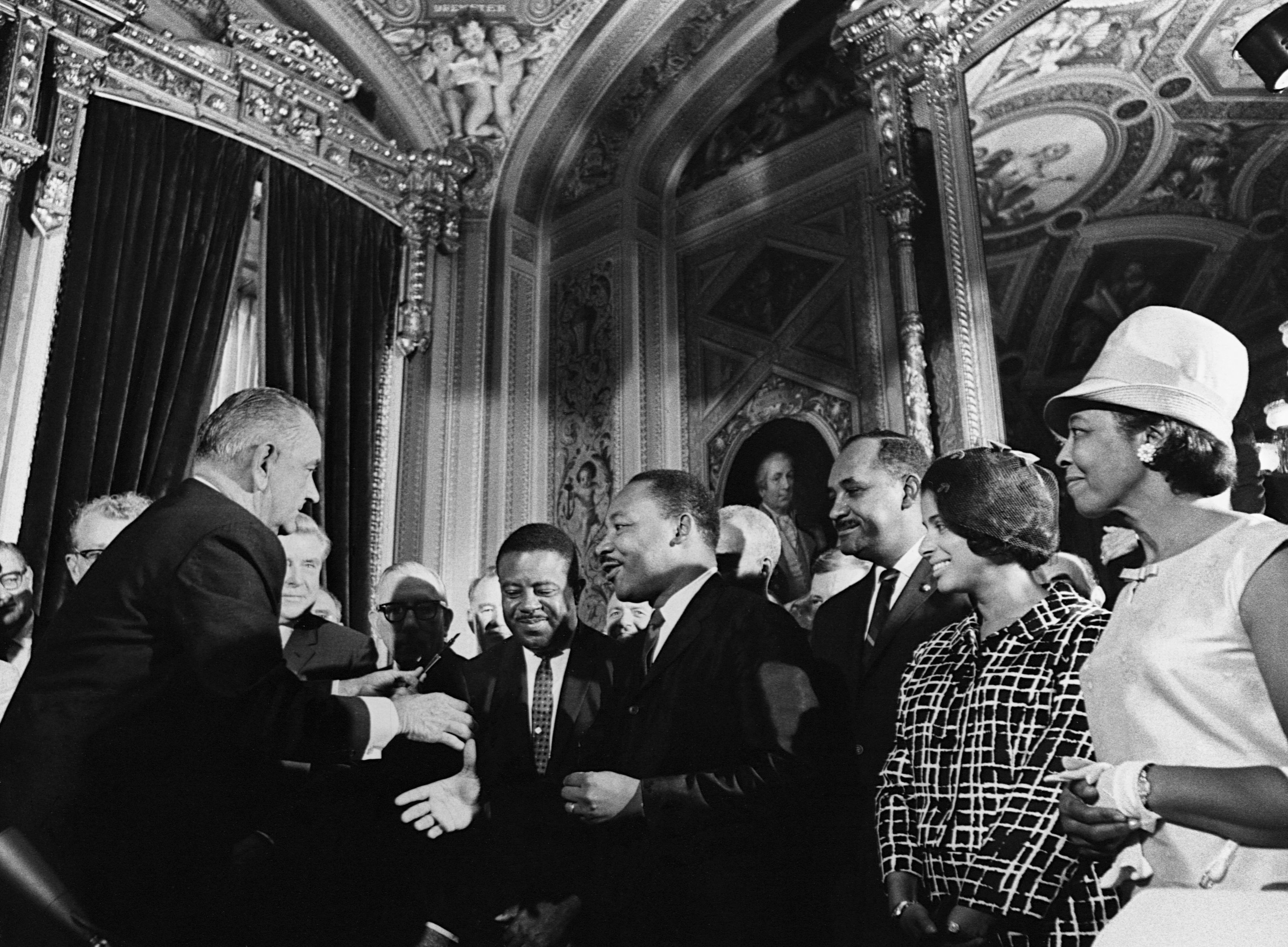
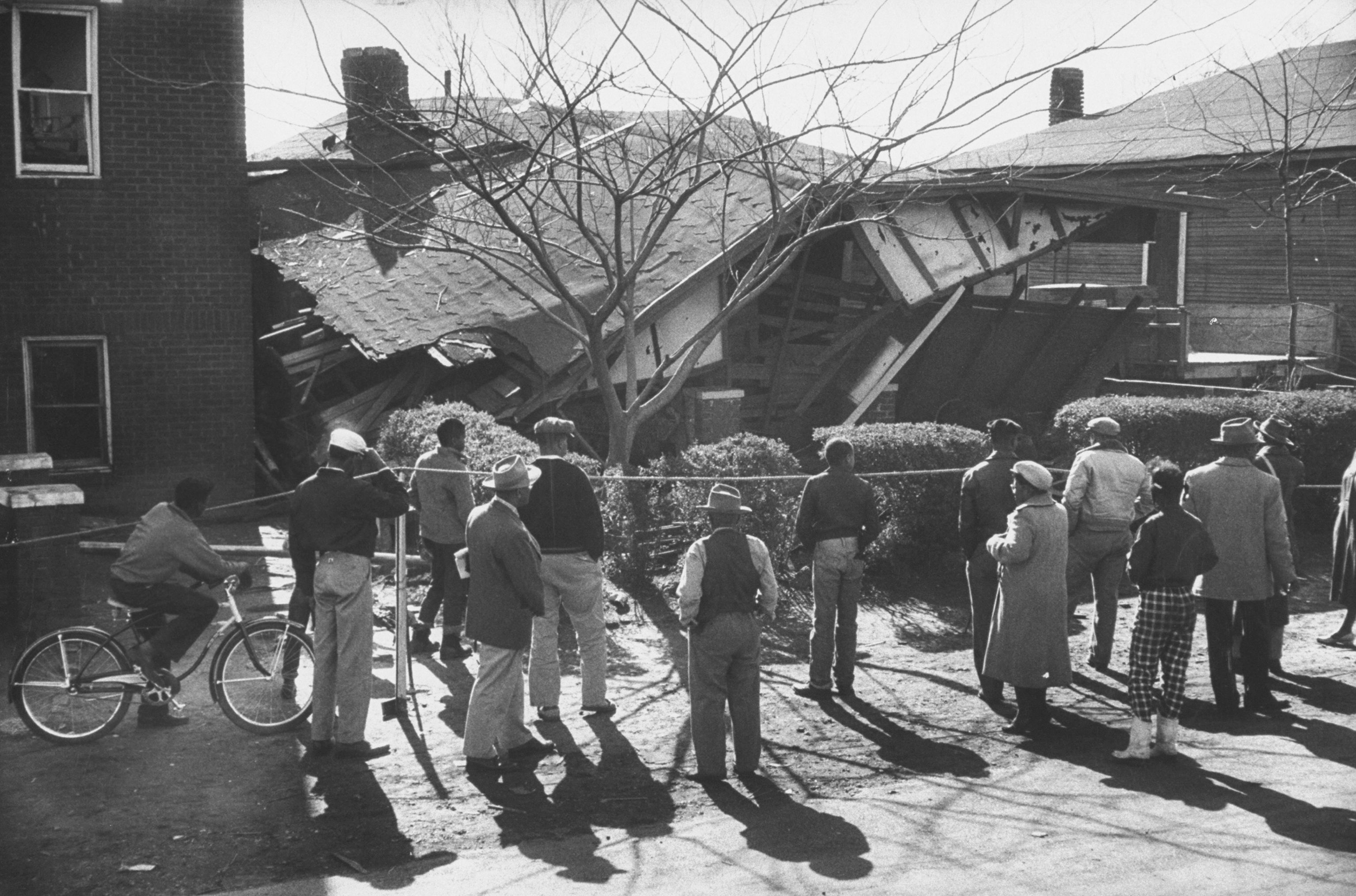
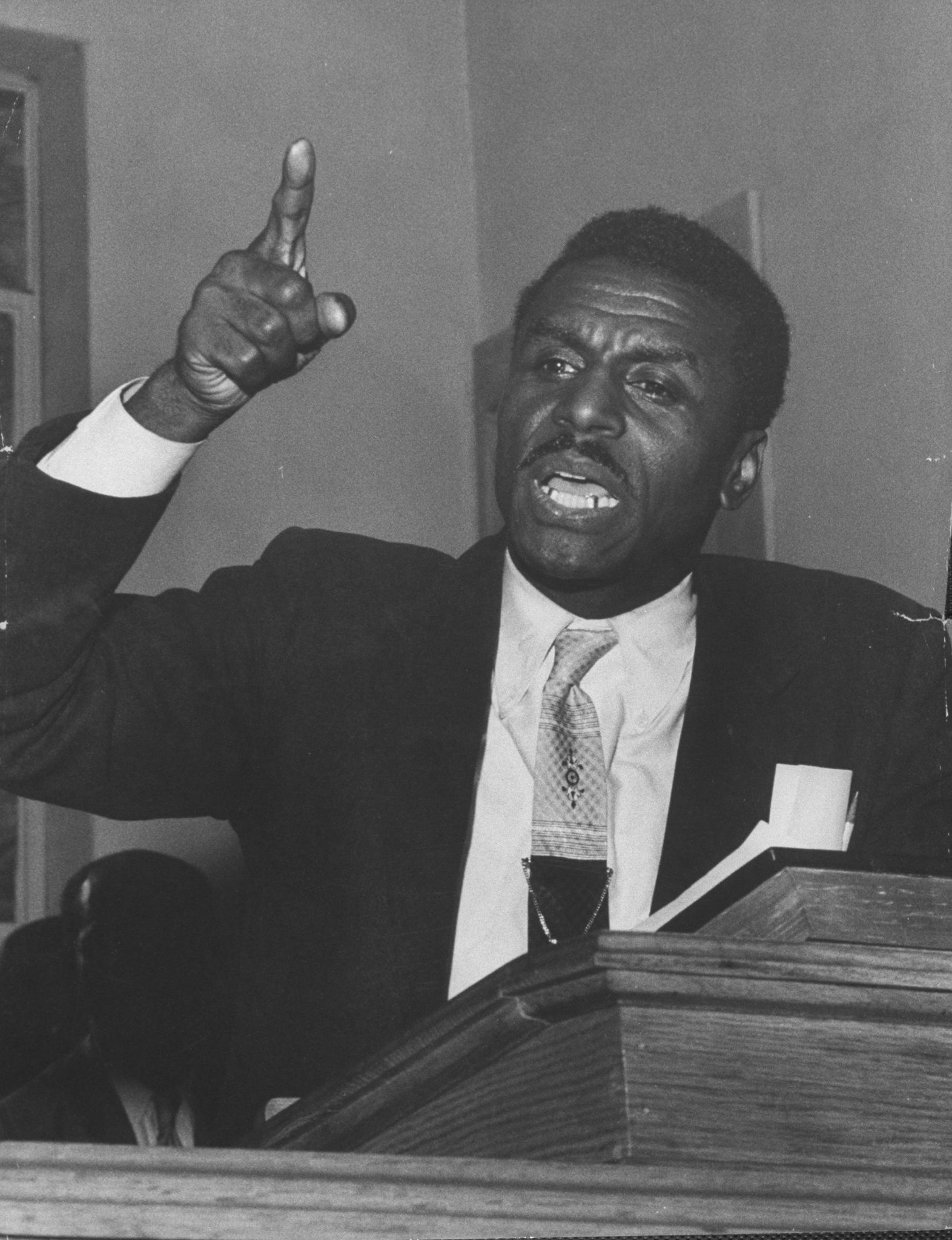
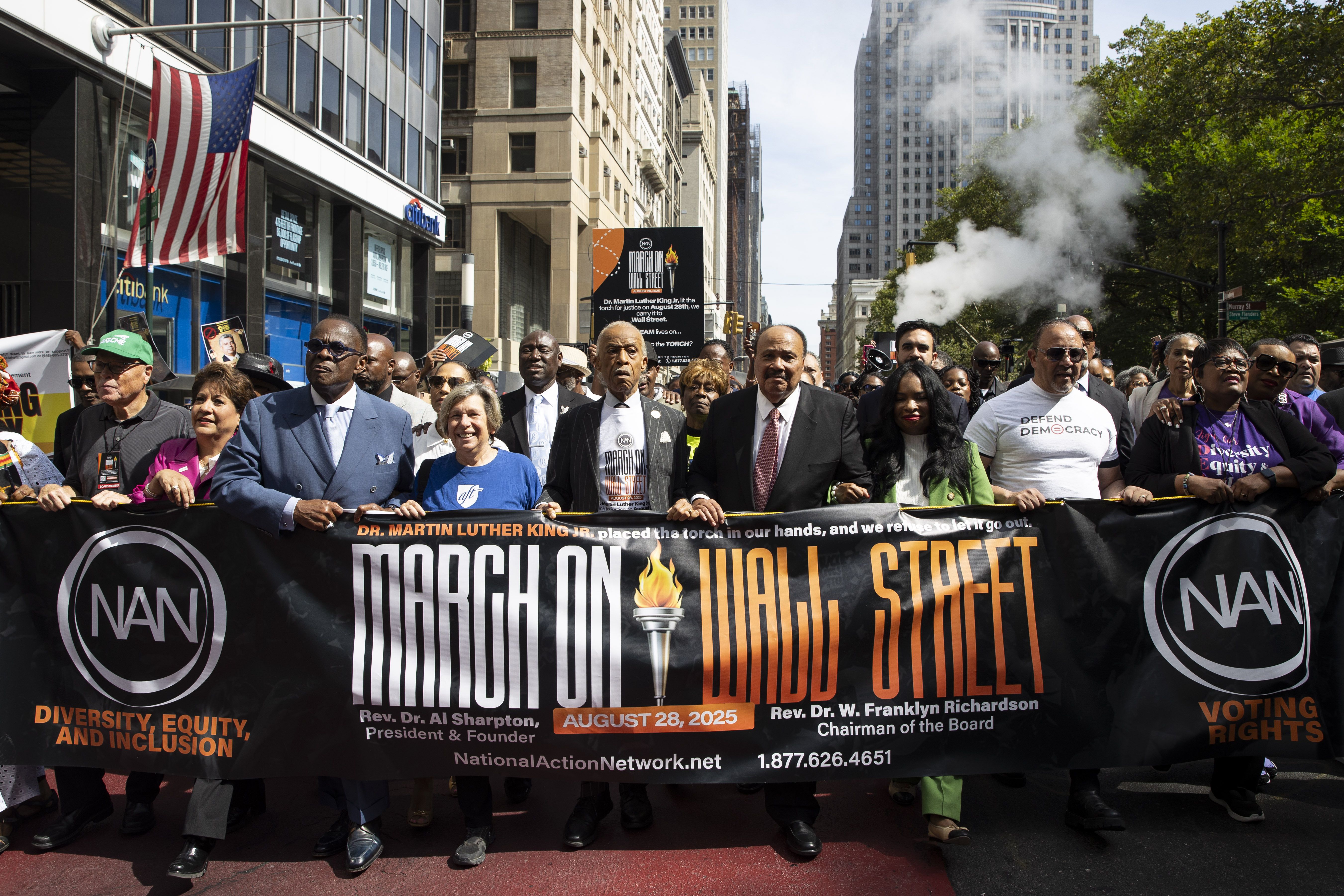
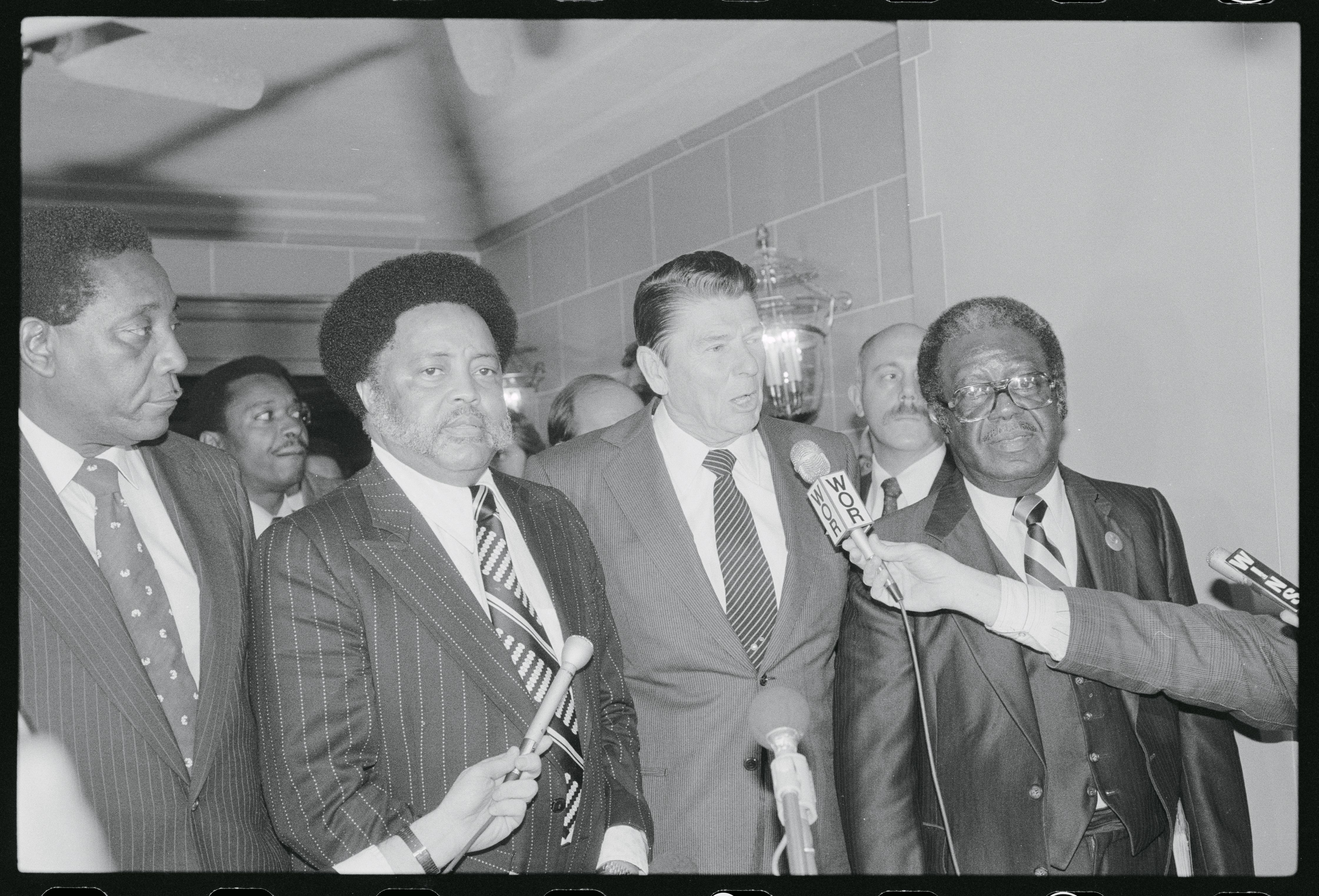
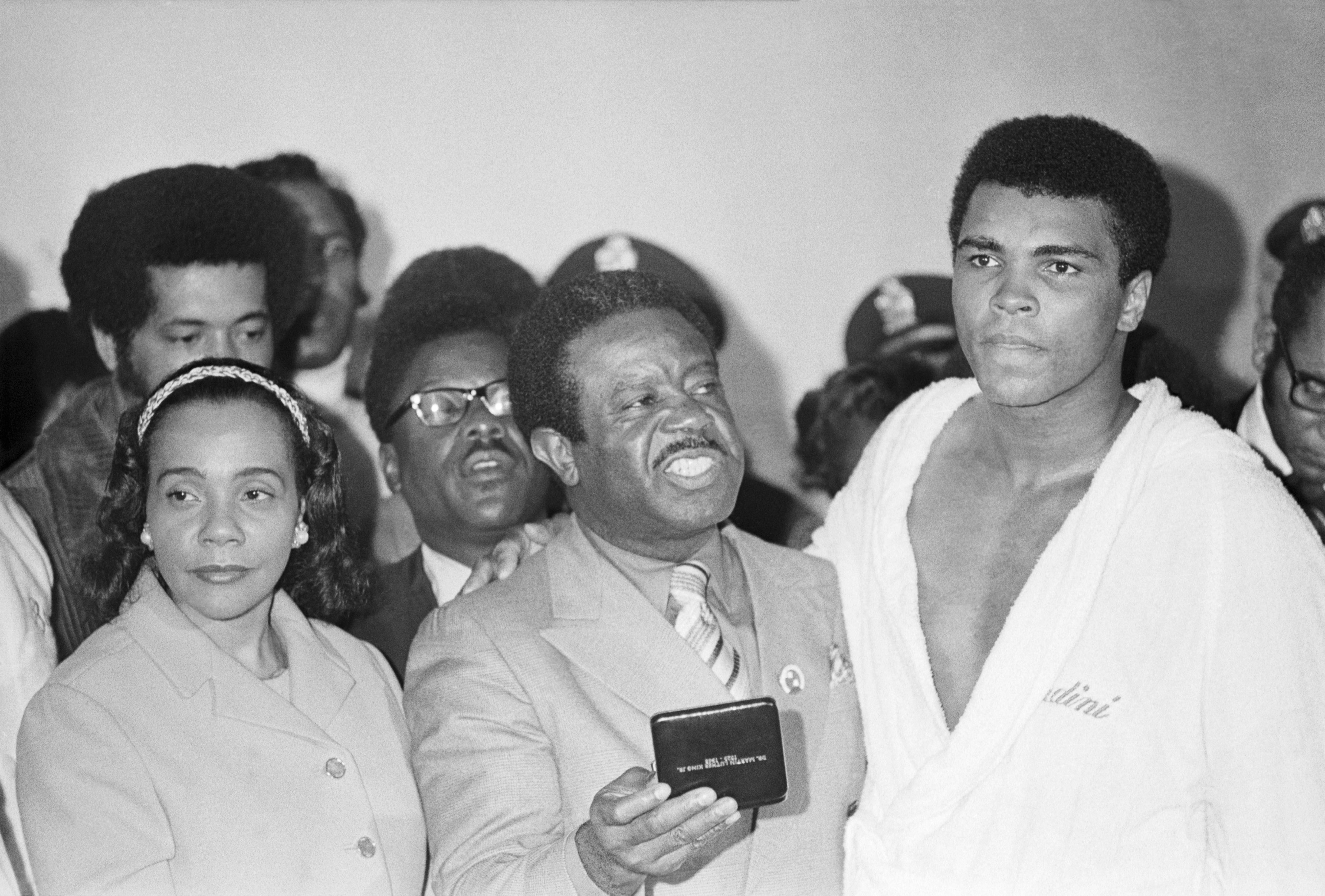
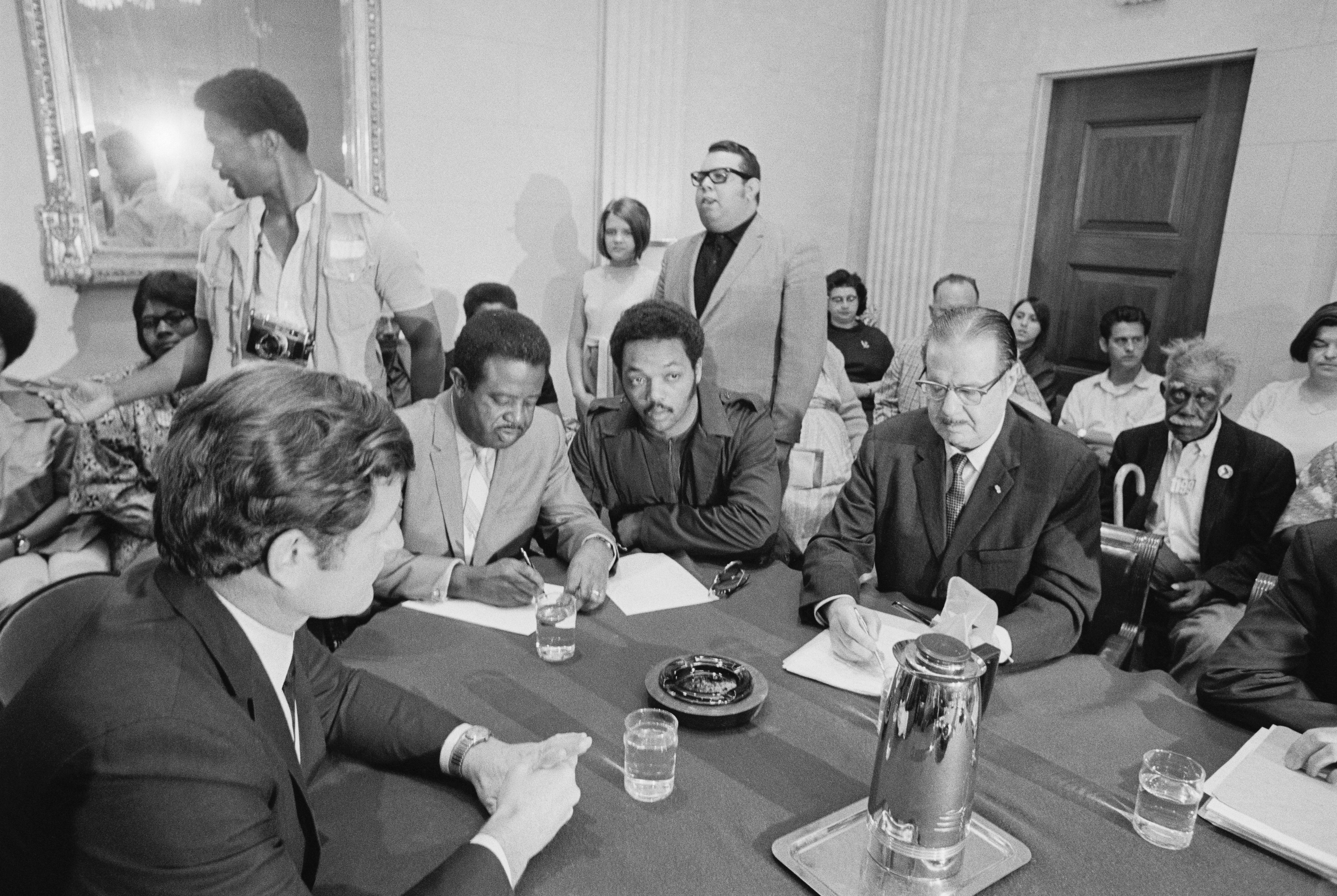
Faith in motion: Black clergy on the frontlines, from past to present.
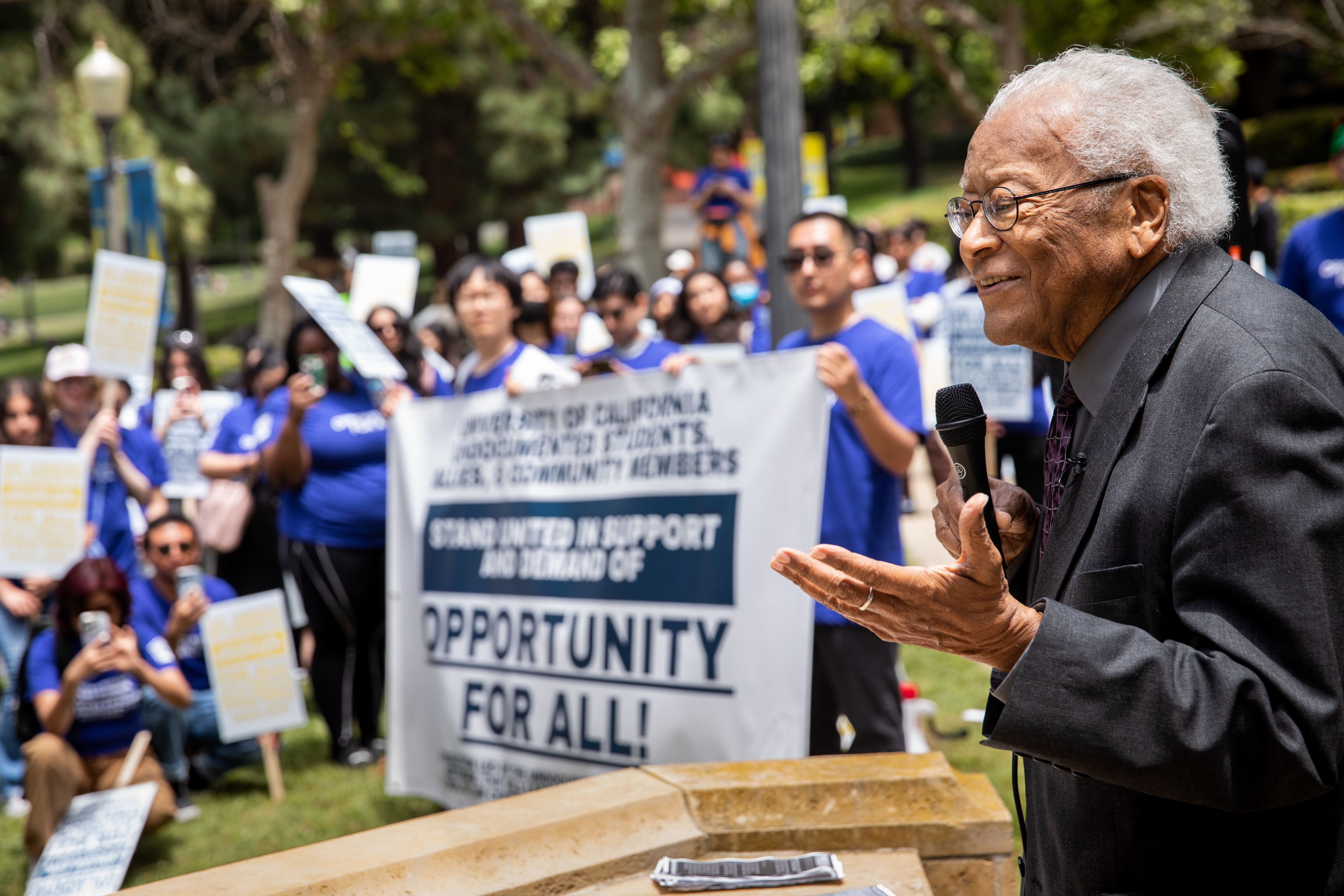
Protesters called on the UC Board of Regents to allow undocumented students brought to the U.S. as children to be eligible for campus jobs. Jay L. Clendenin / Los Angeles Times via Getty Images
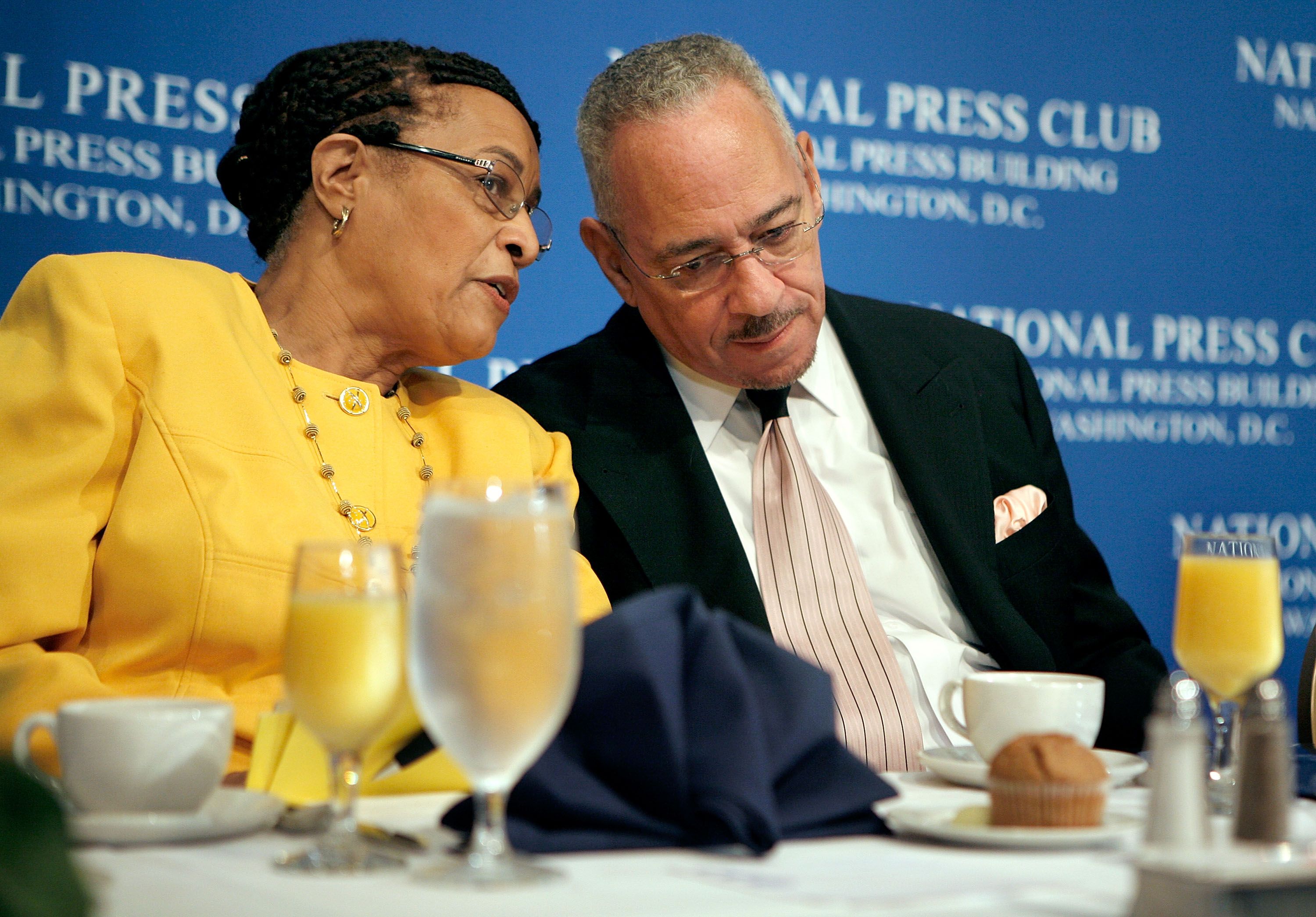
(Photo by Chip Somodevilla/Getty Images)
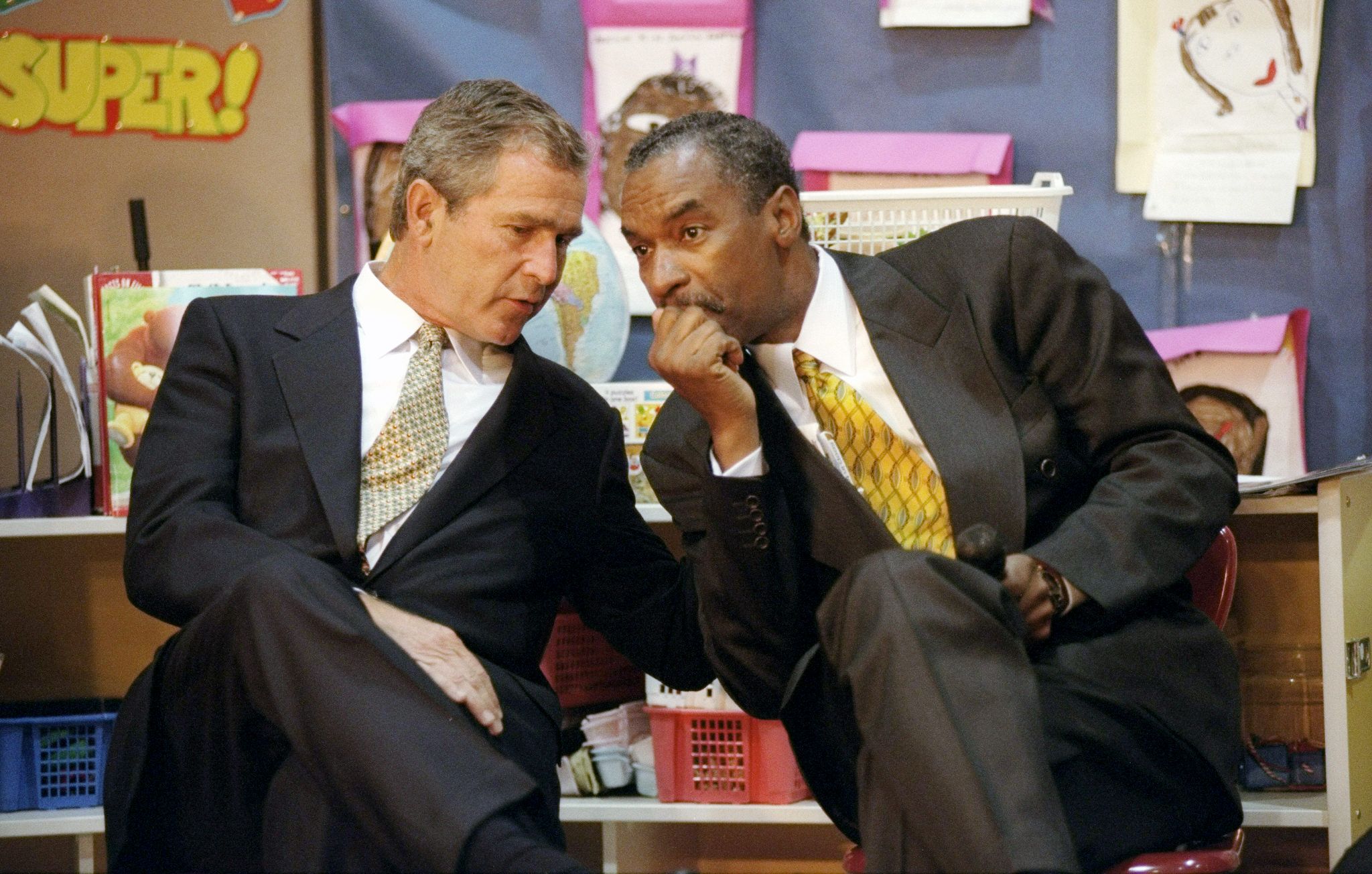
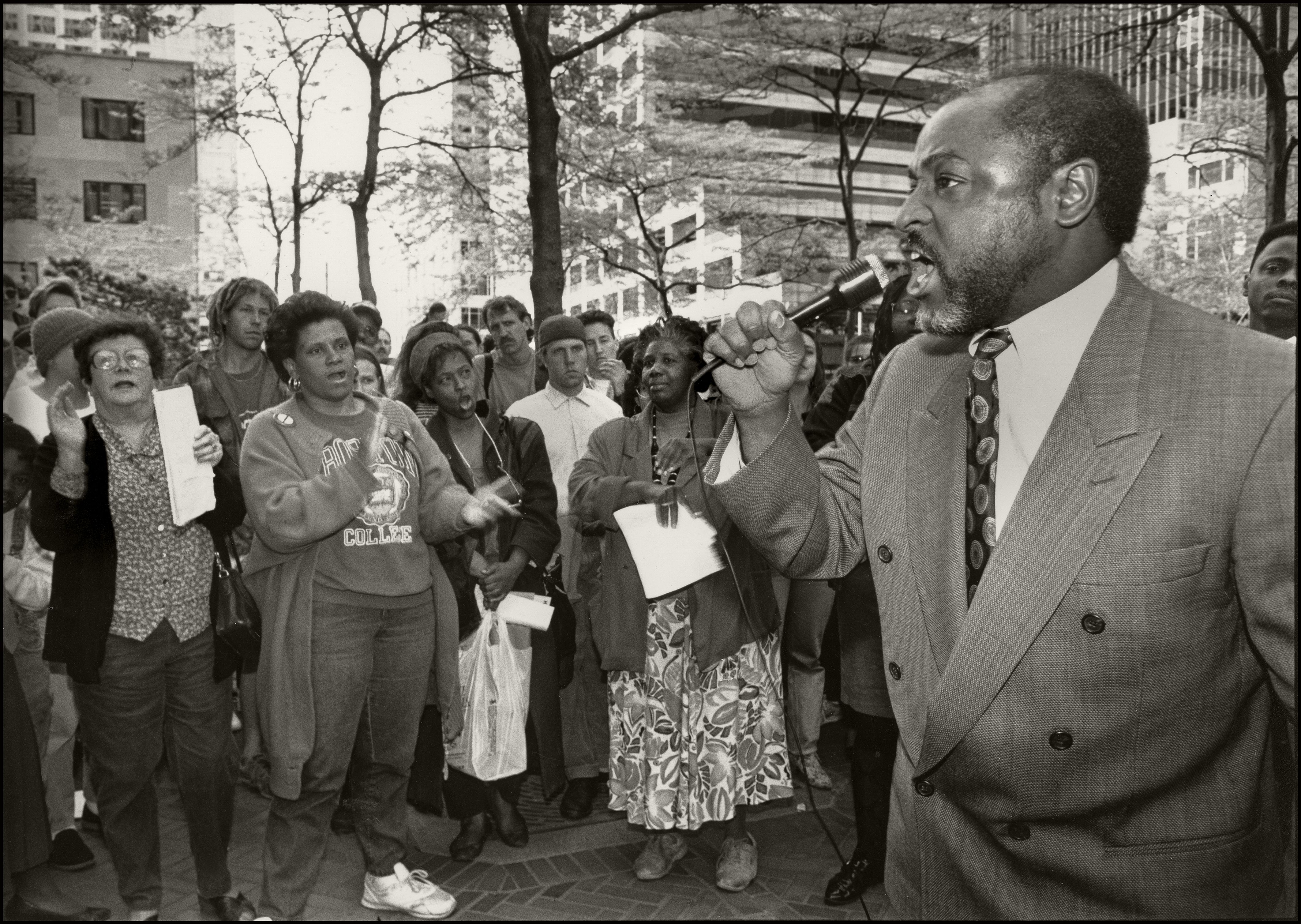
Anthony Pescatore / NY Daily News Archive via Getty Images
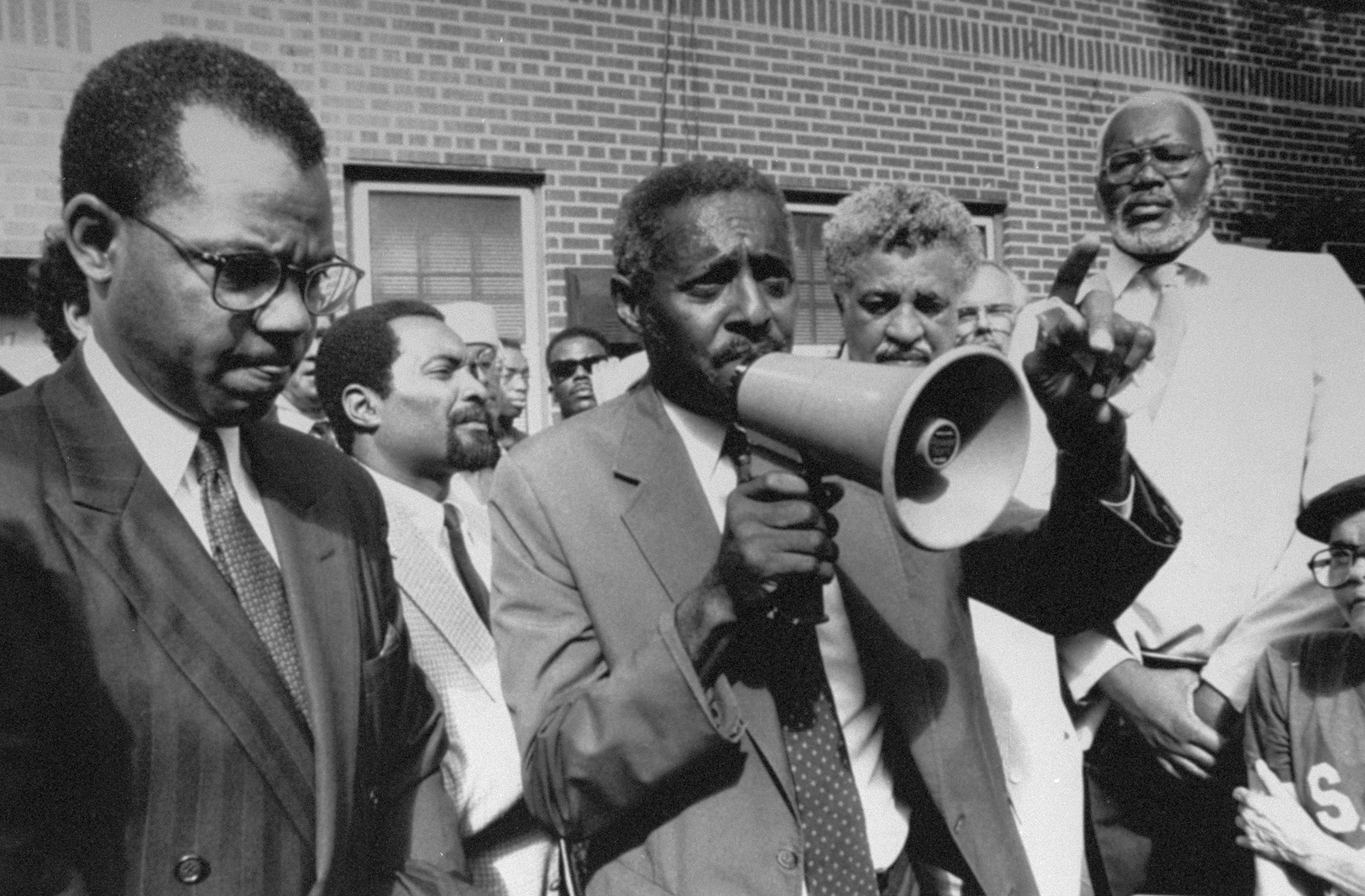
(Bettmann / Getty Images)