Axios Closer

January 16, 2026

Friday ✅.
Today's newsletter is 704 words, a 3-minute read.
📉 The dashboard: The S&P 500 closed down 0.1%.
🔥 Today's stock spotlight: Novo Nordisk (+9.1%), the maker of Wegovy, reported a strong start for sales of its weight loss pill.
1 big thing: China's EV advance
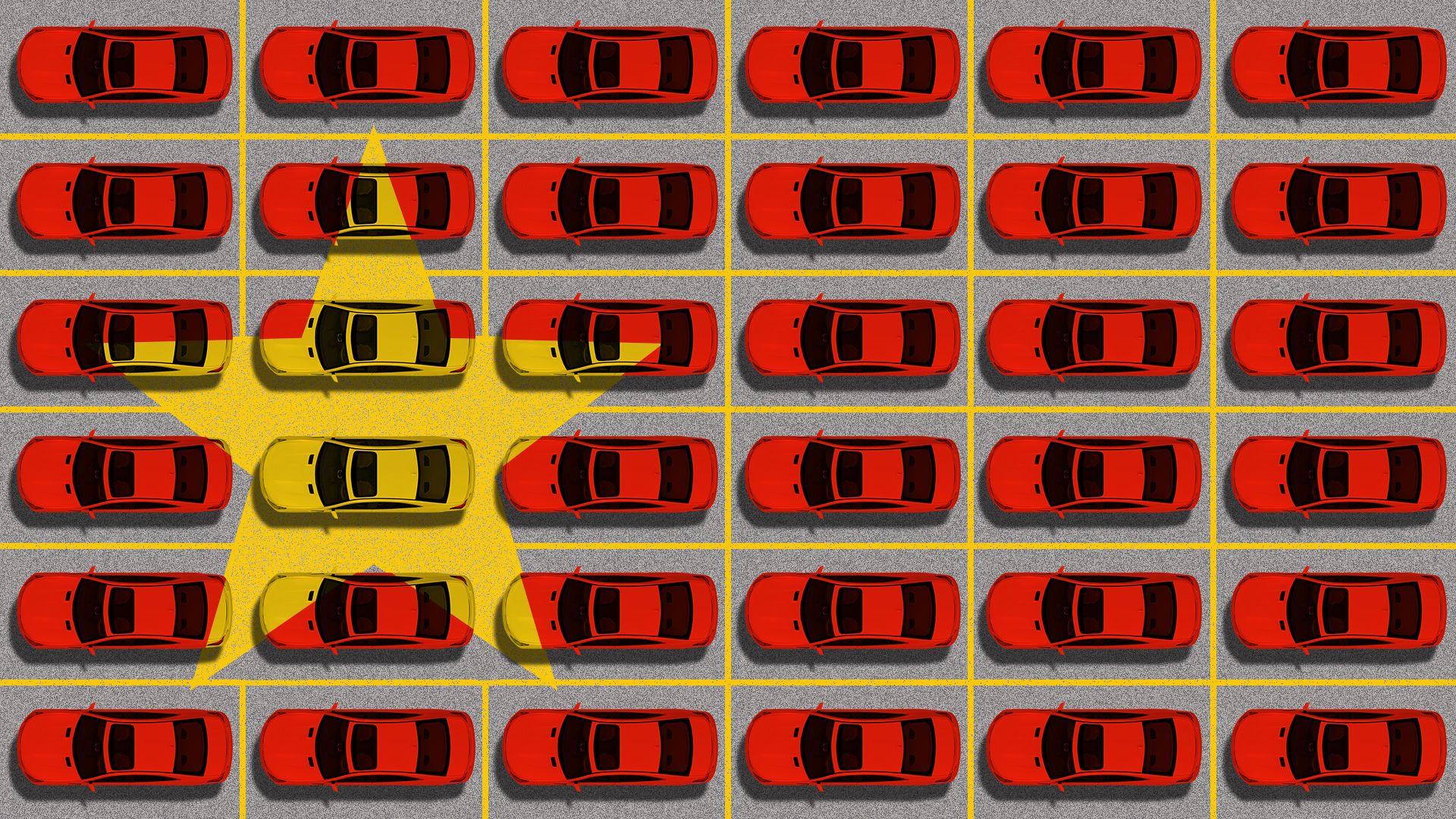
Canada is slashing tariffs on Chinese electric vehicles as part of a broader trade deal.
- ⏳ Why it matters: Chinese-made cars are closing in on America despite attempts to keep them out.
Catch up quick: There are effectively no Chinese-brand vehicles sold in the U.S., even as they've gained traction in Mexico in recent years.
- 🚫 As cheap Chinese EVs advanced throughout the world in 2024, the Biden administration stuck them with 100% tariffs — a move seen as a protectionist measure designed to shore up U.S. automotive production.
- It's a move that President Trump has not reversed.
👀 The intrigue: Chinese brand vehicles are not an uncommon sight in the U.S. close to the Mexico border, which suggests the same could become true near the northern border once Chinese EVs head to Canada.
Reality check: Canada will initially cap Chinese EV imports at 49,000 a year, or less than 3% of its new-car market.
- Prime Minister Mark Carney says Chinese EVs will offer Canadians lower-cost options, with import prices under $35,000.
🧰 The big question is whether Chinese manufacturers will move to open plants in Canada and the U.S. to circumvent tariffs.
- 🇨🇦 The Carney government says it expects the deal to drive significant new Chinese joint-venture investment in Canada.
- 🇺🇸 Trump said this week in Detroit he would welcome Chinese automakers to build factories in the U.S. — if they hire U.S. workers. "That's great," he said. "I love that. Let China come in."
The bottom line: The squeeze from Mexico and Canada could be hard to fight.
2. Ads hit ChatGPT
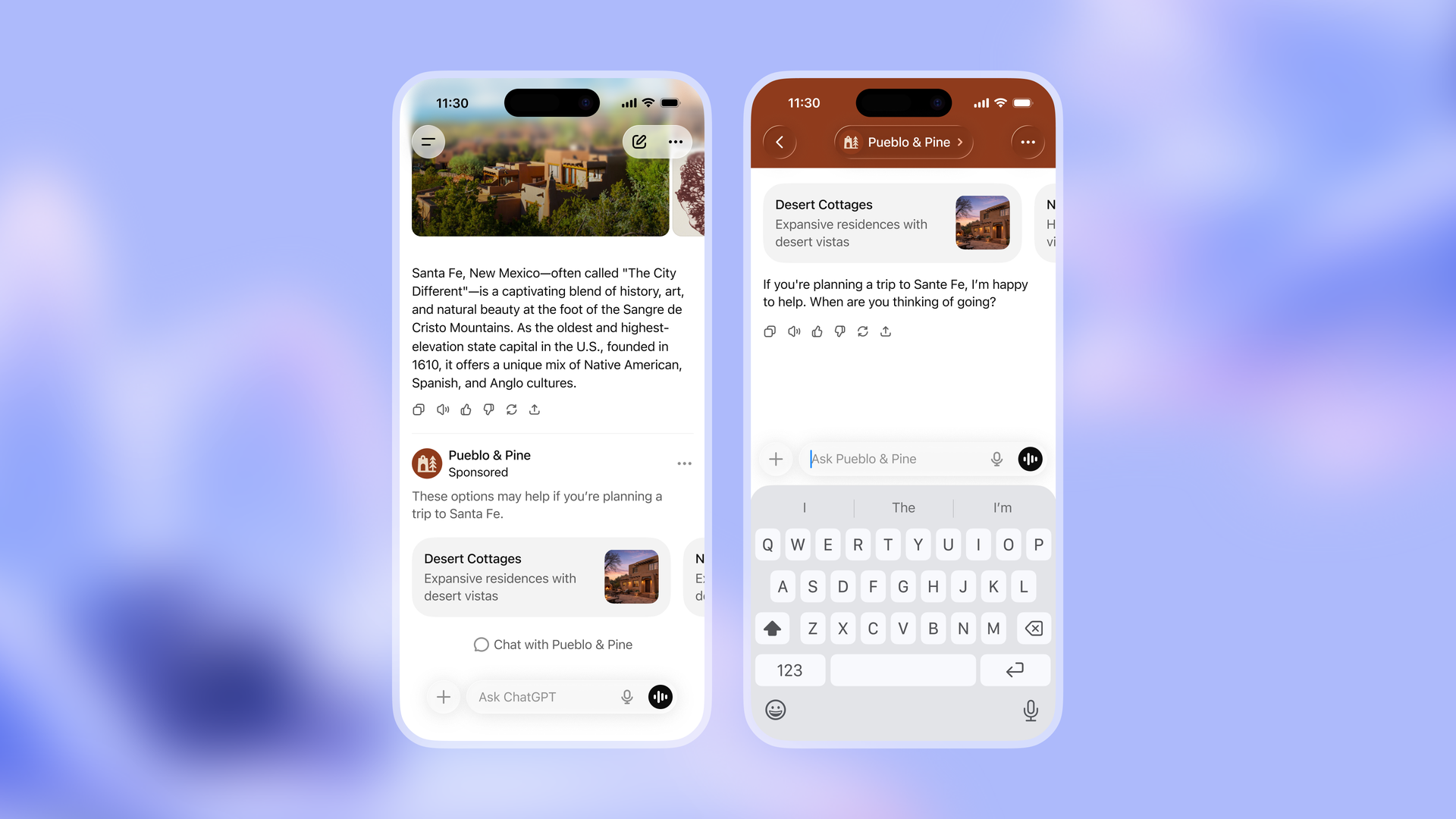
ChatGPT will soon show ads alongside chats, OpenAI announced today.
- 💸 The party's over. The company behind the world's most popular chatbot needs to make money, Axios' Megan Morrone and Kerry Flynn write.
Driving the news: OpenAI will begin testing advertising on its free and $8 per month Go tier in the U.S. in the coming weeks.
How it works: ChatGPT's responses won't be influenced by advertisers, OpenAI says. But ads will be influenced by conversations.
- Personalization will be on by default, with an opt-out.
- Ads will be separated from chats and labeled "Sponsored."
- OpenAI says conversations will be kept private and data will not be sold to advertisers.
🤑 Follow the money: Ads in chatbots were inevitable.
- OpenAI told investors in September that it could burn up to $115 billion in cash by 2030, per The Information.
🔭 What we're watching: A possible OpenAI IPO.
3. Other happenings
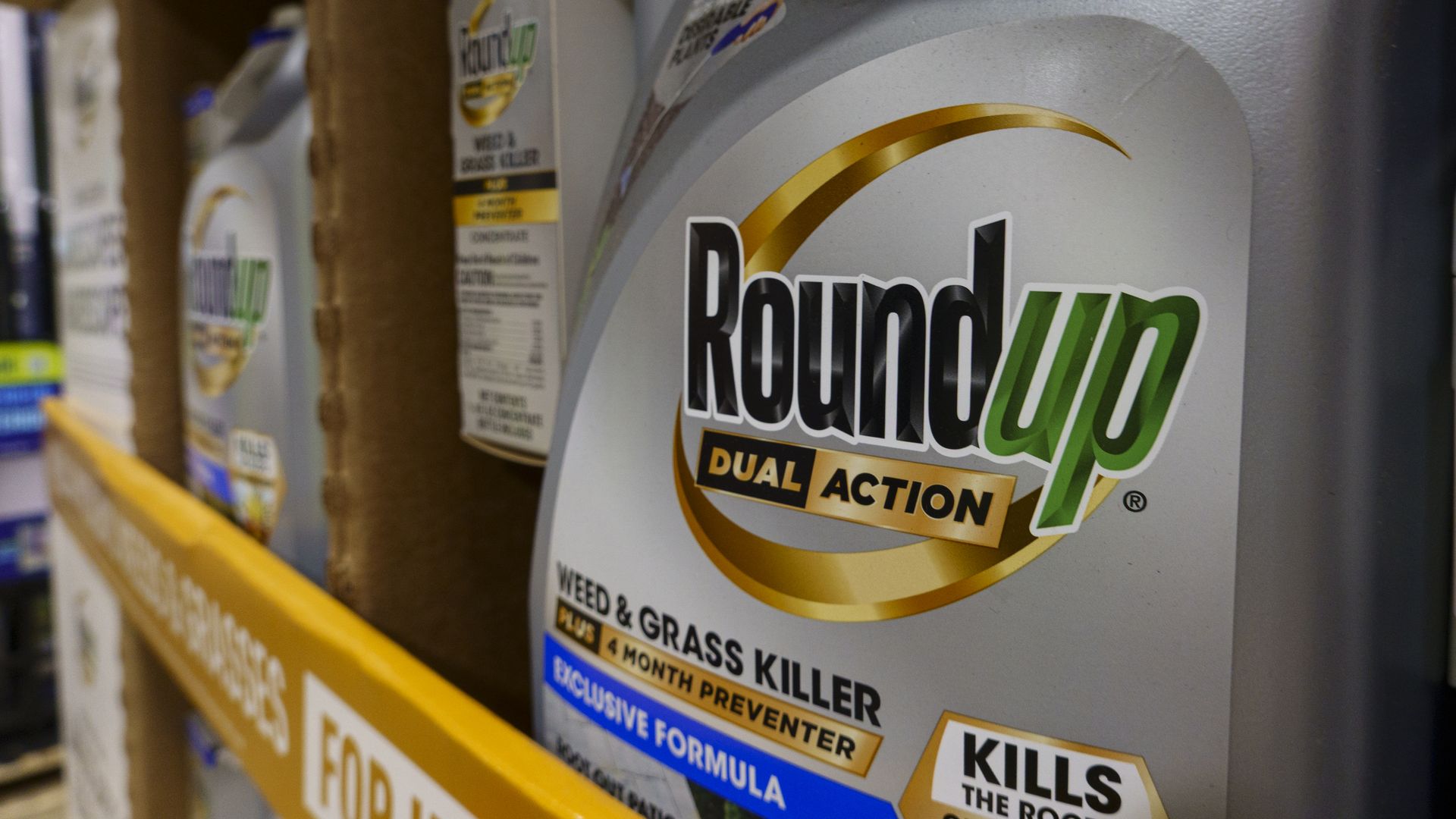
⚖️ The Supreme Court agreed to hear Monsanto acquirer Bayer's bid to dodge lawsuits alleging its weedkiller Roundup caused cancer. CEO Bill Anderson told Nathan in May that a negative outcome could prompt Bayer to take Roundup off the market. (AP)
🛒 Walmart named supply chain expert David Guggina as U.S. CEO. He replaces John Furner, who is replacing Doug McMillon as global CEO of the retailer. (Axios)
4. 🏈 Peak value
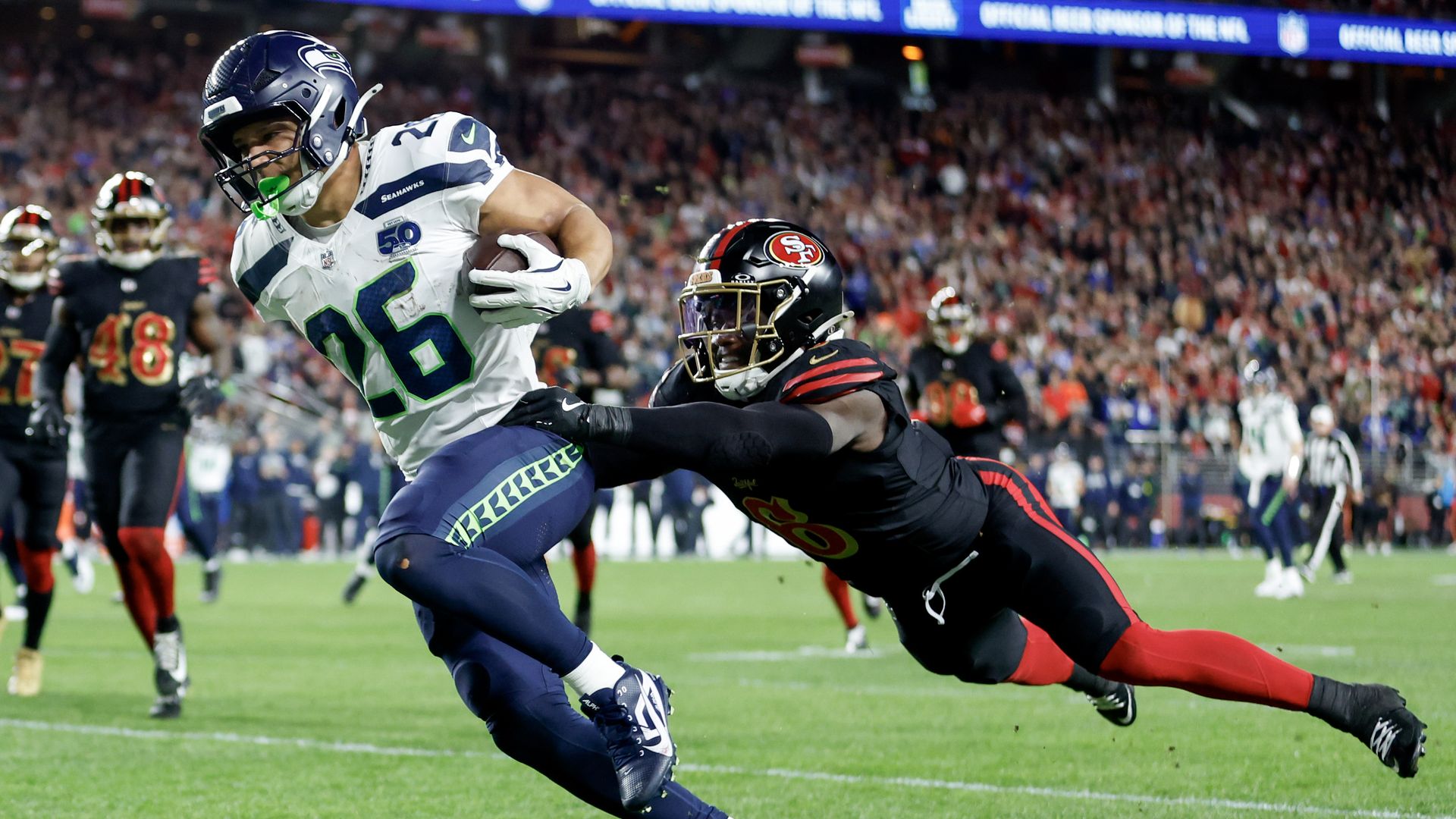
Talk about selling high.
- The Seattle Seahawks, which are barreling toward a potential Super Bowl berth, are poised to go up for sale.
🏈 State of play: The estate of the late Microsoft co-founder Paul Allen is expected to offload the Seahawks to raise money for charity, Bloomberg reports.
- They're not for sale at the moment but "will be sold at some point to make good on Allen's wishes," Bloomberg reports, citing the estate.
- The team — which Allen reportedly acquired for less than $200 million in 1997 — is worth an estimated $6.7 billion, according to Forbes.
The intrigue: The Seahawks — who play the San Francisco 49ers tomorrow in the NFL's divisional playoff round — are the betting favorites to win it all.
💭 Nathan's thought bubble: I don't know who's winning the Super Bowl, but it won't be the Seahawks.
🗓️ On this day in 1919, Prohibition was officially ratified when Nebraska approved the 18th Amendment, becoming the 36th state needed to meet the Constitution's three-quarters requirement. The ban on alcohol took effect a year later.
Today's newsletter was edited by Pete Gannon and copy edited by Carolyn DiPaolo.
- Did a friend forward this to you? Sign up here to get Axios Closer in your inbox.
Sign up for Axios Closer