Axios AM

June 28, 2026

1 big thing: Ceasefire could go up in flames
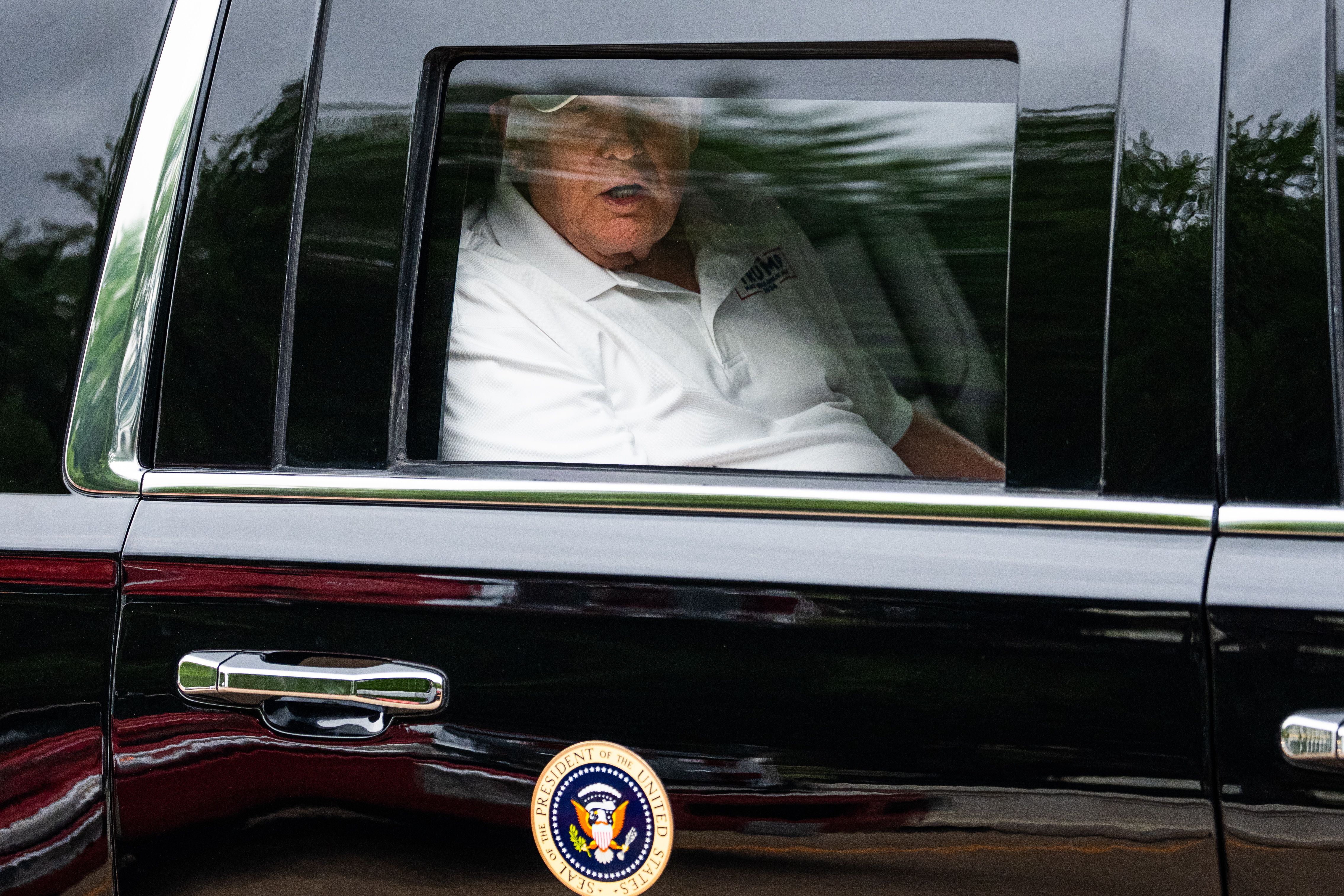
This is more fire than cease:
- Over the past few days, tension between the U.S. and Iran has been escalating with another exchange of strikes on Saturday. President Trump threatened on Truth Social to resume the war and "complete the job," Axios' Barak Ravid writes.
Why it matters: The U.S. and Iran are bombing each other again, putting the tenuous ceasefire in doubt again.
Between the lines: One reason for the renewed fighting seems to be different interpretations of the memorandum of understanding (MOU) to end the war that was signed 10 days ago — especially when it comes to the Strait of Hormuz.
- With the situation escalating by the day, it isn't clear if the next round of negotiations between the U.S. and Iranian technical teams planned for Tuesday in Switzerland will actually take place.
🚢 Catch up quick: As part of the MOU, Iran committed to make its best efforts to allow safe passage of commercial vessels through the strait. In return, the U.S. lifted its blockade on Iranian ports.
- During negotiations in Switzerland last week, the U.S. delegation — headed by Vice President Vance — agreed with Iran to establish a "hotline" between the U.S. military and the IRGC (Islamic Revolutionary Guard Corps), Iran's military command, to coordinate traffic in the strait.
- As of yesterday, the "hotline" still wasn't operational, even as Iran started claiming, again, that ships need to coordinate passage.
Last evening, the U.S. military struck Iranian targets in retaliation for an attack Saturday morning on a commercial tanker.
- It was the second wave of U.S. strikes in Iran in 24 hours.
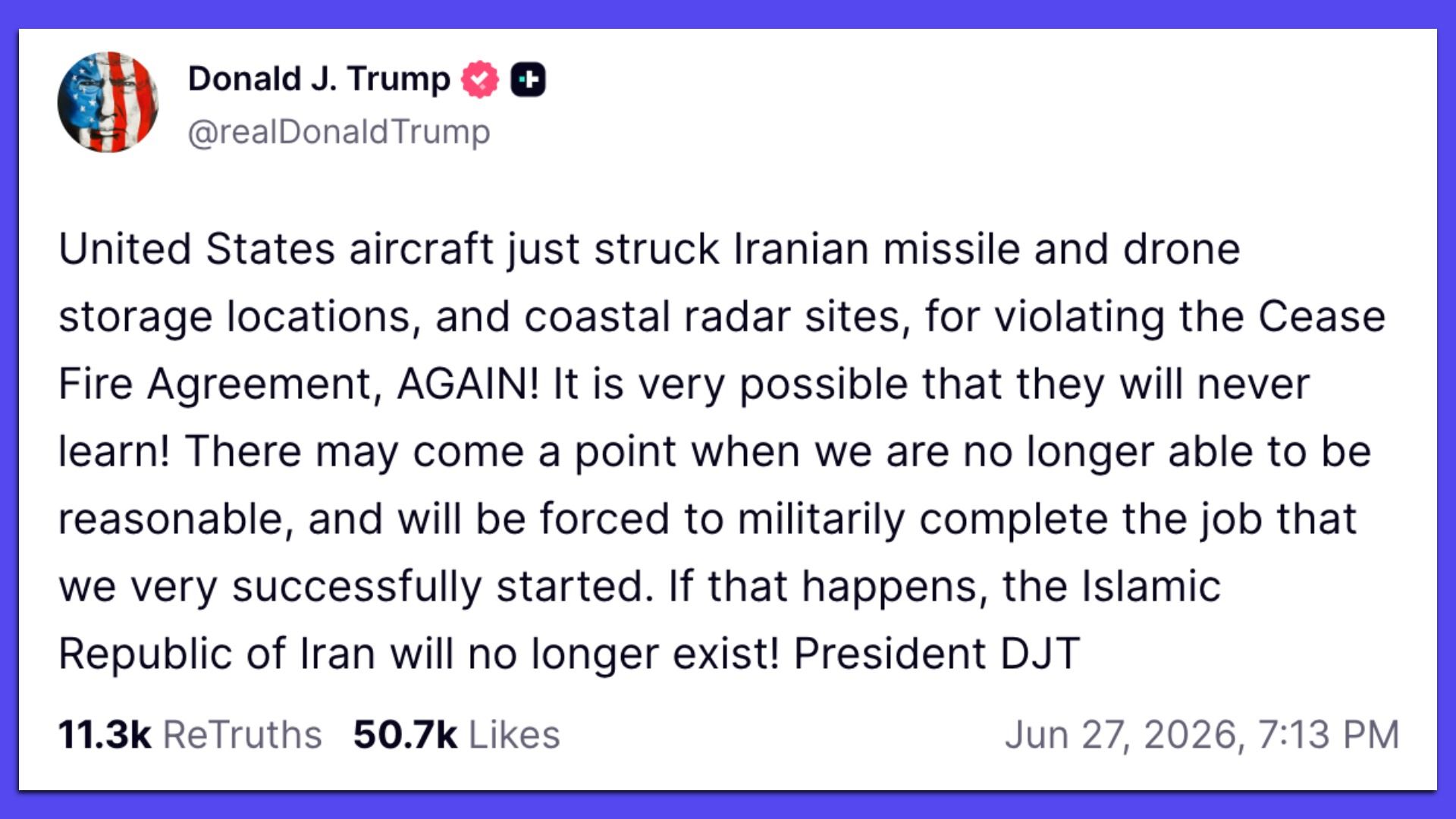
The latest: Iran responded to the U.S. strikes with drone and missile attacks on U.S. bases in Kuwait and Bahrain, according to the IRGC.
- Iranian state media quoted the IRGC as threatening more forceful attacks on ships in the Strait of Hormuz, raising the prospect of the peace process coming to a halt.
🛢️ Earlier Saturday, the IRGC launched an attack drone at the Panama-flagged M/T Kiku tanker, which was passing through the strait with more than two million barrels of crude oil, U.S. Central Command (CENTCOM) said.
- The incident happened several hours after the U.S. struck Iranian targets, in retaliation for another attack on a commercial ship on Thursday.
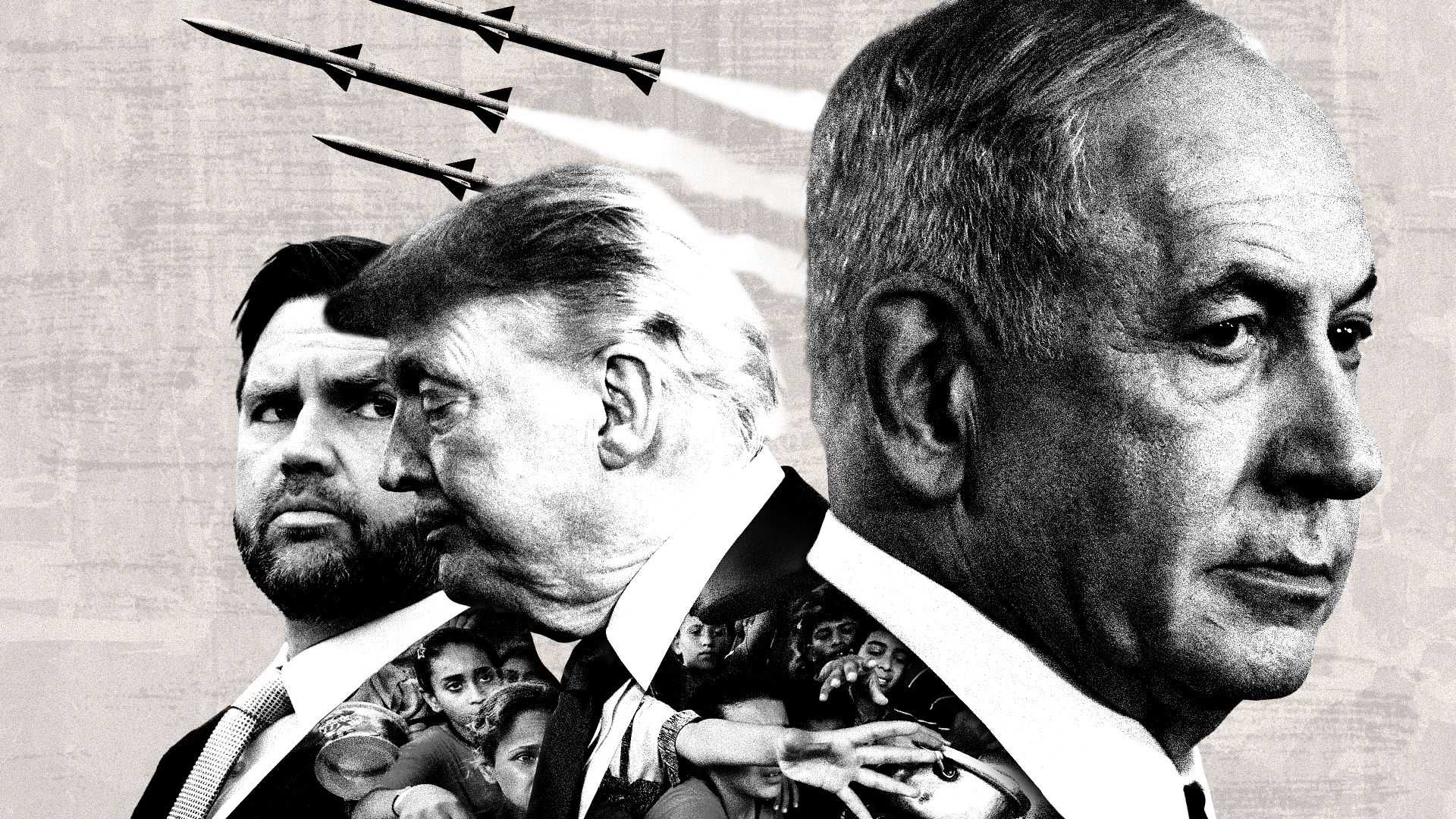
2. 🇮🇱 How Bibi lost the GOP
3. 🖊 Barak behind the scenes
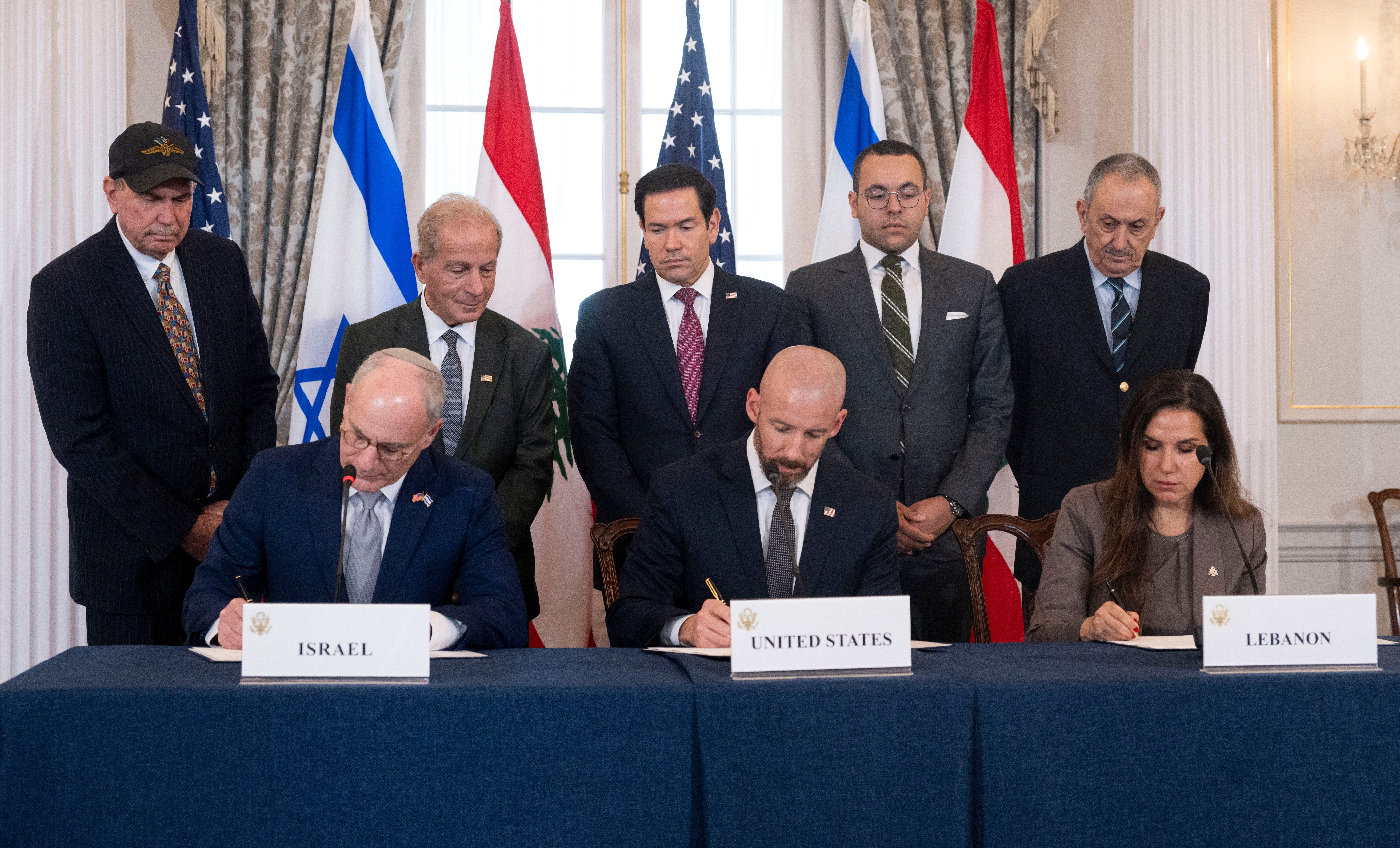
This behind-the-scenes story, about how a shared fear of Iran led to the Israel-Lebanon deal signed Friday, is based on conversations by Axios' Barak Ravid with six U.S., Israeli and Lebanese sources with direct knowledge of the negotiations:
Four days of nonstop negotiations in Washington this week between the Israeli and Lebanese governments were propelled by one clear shared interest: weakening the influence of Hezbollah and Iran in Lebanon.
- Why it matters: The framework brokered by the Trump administration is the most significant political agreement between Israel and Lebanon in four decades. But all parties involved know the vision of peace it lays out may never materialize.
Mixed with the skepticism is deep concern that the deal could lead to a violent response from Hezbollah that could throw the country back into civil war.
- The agreement seems to contradict some of the understandings reached between the U.S. and Iran in Switzerland and could thus complicate that fragile truce.
The backdrop: Iran managed to wrap the situation in Lebanon into its negotiations with the U.S. in recent weeks.
- That resulted in a memorandum of understanding that calls on the parties to observe a ceasefire in Lebanon and ensure the country's territorial integrity, which is actively undermined by Israel's ongoing occupation of southern Lebanon.
- During talks in Switzerland last Sunday, the U.S. and Iran agreed to create a new "deconfliction cell," together with Lebanon and the Pakistani and Qatari mediators, to ensure the ceasefire in Lebanon holds.
- That shocked both Israeli and Lebanese officials, who saw it as bolstering Hezbollah and legitimizing Iran's influence in the country.
Inside the room: Rubio had emphasized to Netanyahu that President Trump wanted a deal wrapped up by the end of the week. On Friday morning, Rubio joined the talks to try to close the final gaps.
- Also involved in the final push were U.S. chief negotiator Dan Holler, U.S. Ambassador to Lebanon Michel Issa, CENTCOM Marines commander Lt. Gen. Joseph Clearfield, and Pentagon officials Daniel Zimmerman and Michael Dimino.
- Israeli Ambassador to the U.S. Yechiel Leiter pressed Netanyahu and other senior Israeli officials to agree. The call became heated when Netanyahu resisted the changes.
What's next: Trump spoke yesterday with Lebanese President Joseph Aoun and congratulated him on the deal. Trump told Aoun he looked forward to meeting him soon at the White House. The visit is expected in mid-July.
4. 🍻 Cheers to Round of 32


There's a wild variance in prices for food, water and other drinks across the 11 U.S. cities hosting the World Cup this year, Axios Local reports from around the country.
- You're in luck if you're at a World Cup match in Atlanta, where a small draft beer goes for $5. A brew is almost 5 times as expensive in San Francisco.
⚽ The World Cup's Round of 32 kicks off today. Tournament co-hosts Canada, Mexico and the United States have all advanced.
- Team USA's next match is against Bosnia-Herzegovina on Wednesday in Santa Clara, Calif.
5. 💧 AI's water fight


Water is fast becoming one of the defining fights around the AI buildout, Axios national energy correspondent Amy Harder reports.
- In recent weeks, Google, Amazon and Microsoft have each launched efforts to explain and justify their water use. Nvidia — the world's dominant AI chip maker — claimed this past week that water concerns could be largely addressed by its latest technology.
🪧 Zoom in: Roughly 70% of Americans said they'd oppose data centers in their communities, citing water as a top concern, according to May Gallup polling.
- Also this past week, lawmakers in Virginia — which has the world's highest number of data centers — moved to clamp down on the most water-intensive cooling methods.
Reality check: Compared to other major industries, data centers actually use far less water — a point tech executives are quick to point out and some independent experts agree with.
6. 🤖 AI bloating itself

7. 🥊 Stat du jour: Viral fight night
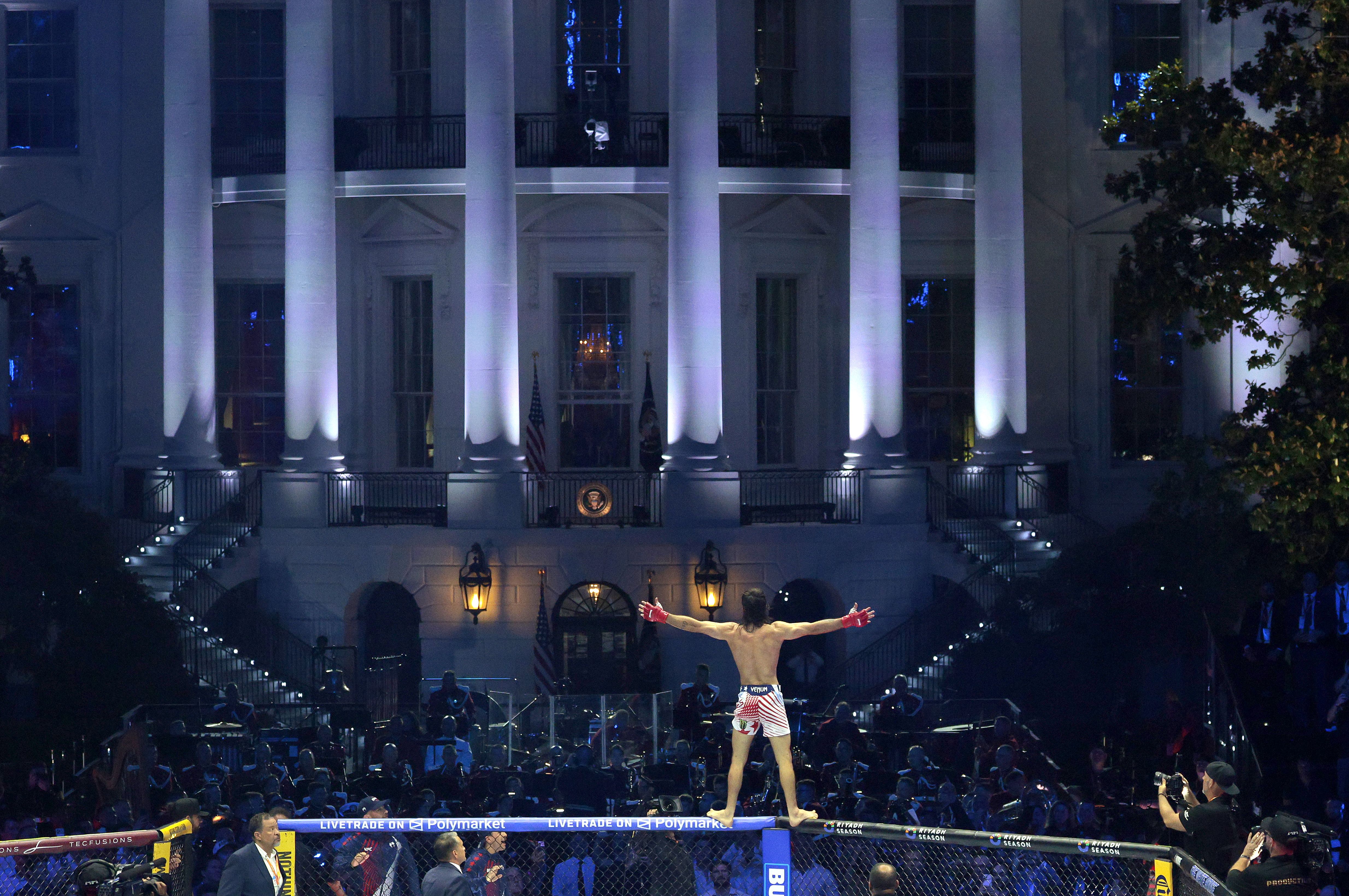
UFC Freedom 250 — the event held earlier this month on the White House's South Lawn — drew more than 17 million viewers across the U.S. and Latin America, and it was the most-watched UFC event ever in the U.S., Paramount+ says.
- UFC says the event reached 34 million worldwide.
8. 🇮🇹 La dolce vita: Vespa turns 80
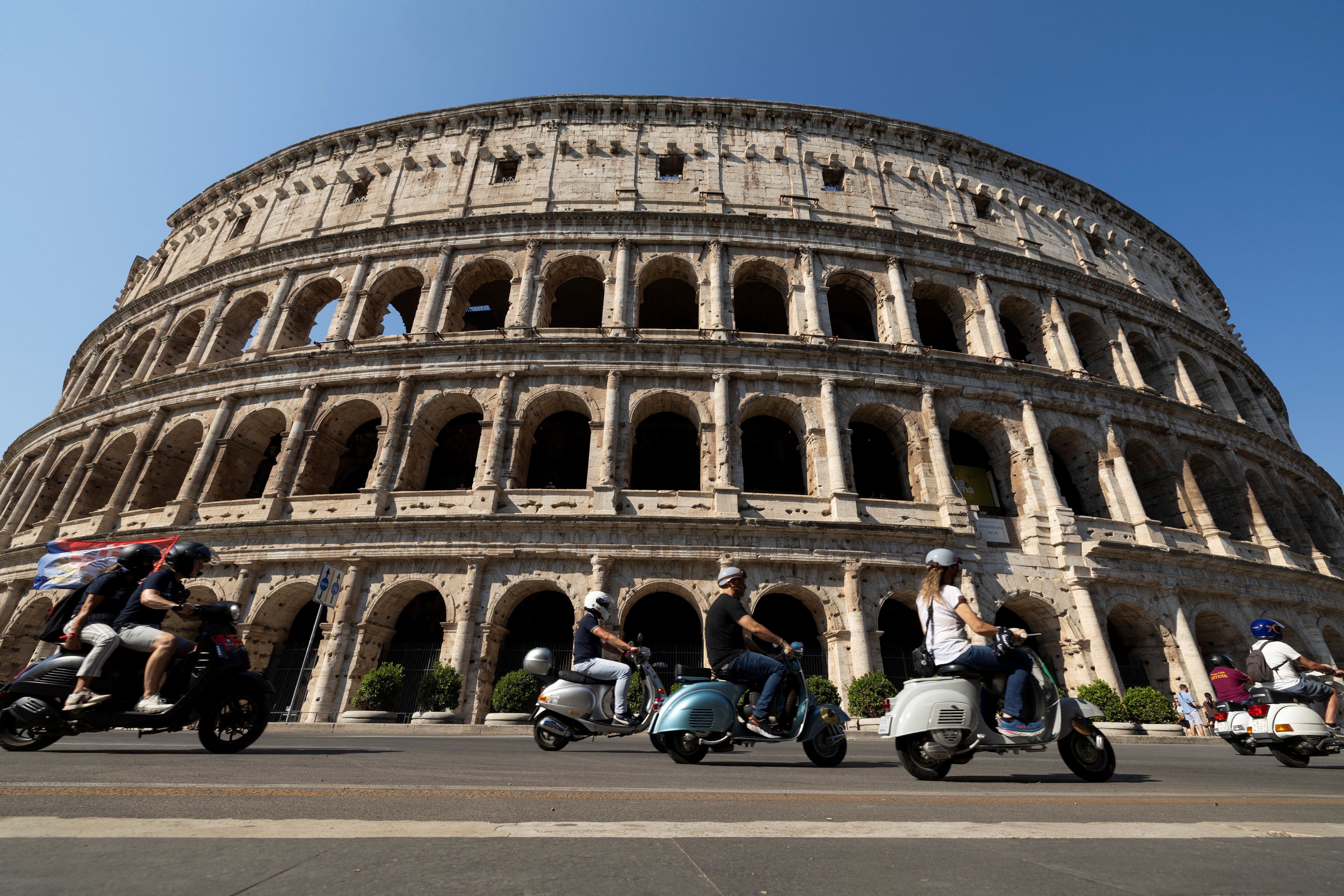
Launched in 1946 by Piaggio, the Vespa became a symbol of Italy's rebirth after World War II: cheap enough for a battered country, stylish enough to seduce the world, and practical enough to weave through the alleys of Naples, Milan and Rome, Reuters reports.
- It's since become one of Italy's most recognizable design exports, appearing in "Roman Holiday" with Gregory Peck and Audrey Hepburn, ads and holiday brochures.

In Rome this week, the scooter is celebrating its 80th birthday with exhibitions, races and parades.
- The Vespa has been in continuous production for 80 years, selling nearly 20 million units in 100+ countries.
Axios AM