Axios AM

July 25, 2024

1 big thing: The new 2024 campaign foretold

The new 2024 campaign is only days old, but the contours are crystal clear, Jim and Mike write in a Behind the Curtain column:
- Donald Trump will argue Kamala Harris is too liberal, too weak, too weird.
- Harris will argue Trump is too corrupt, too risky, too old.
Why it matters: They'll unleash their attacks in seven states, but believe three will decide the winner — Wisconsin, Michigan and Pennsylvania.
- The target audience, swing voters, amount to only a few hundred thousand voters inside a tiny sliver of America — basically 6% of six or seven states. They're disproportionately young people, Black men and Hispanic. Many are seen as Trump-curious, but not Trump-sold.
- The Harris campaign is also anxious to re-engage Democratic voters who were down on Biden and might have stayed on the couch.
🖼️ The big picture: Watch politics through this lens to understand what Trump and Harris do and say in coming months.
- The tiny universe of truly persuadable voters is the reason Harris is very likely to pick a moderate white male as her running mate.
- Look for Trump to visit — or talk incessantly about — the border during the Democratic National Convention, which opens in Chicago next month.
Top Democrats close to her campaign tell us that, at least for now, she's in a virtuous cycle in which she can feed off the euphoria of crowds — the opposite of Biden's predicament — while money and endorsements roll in.
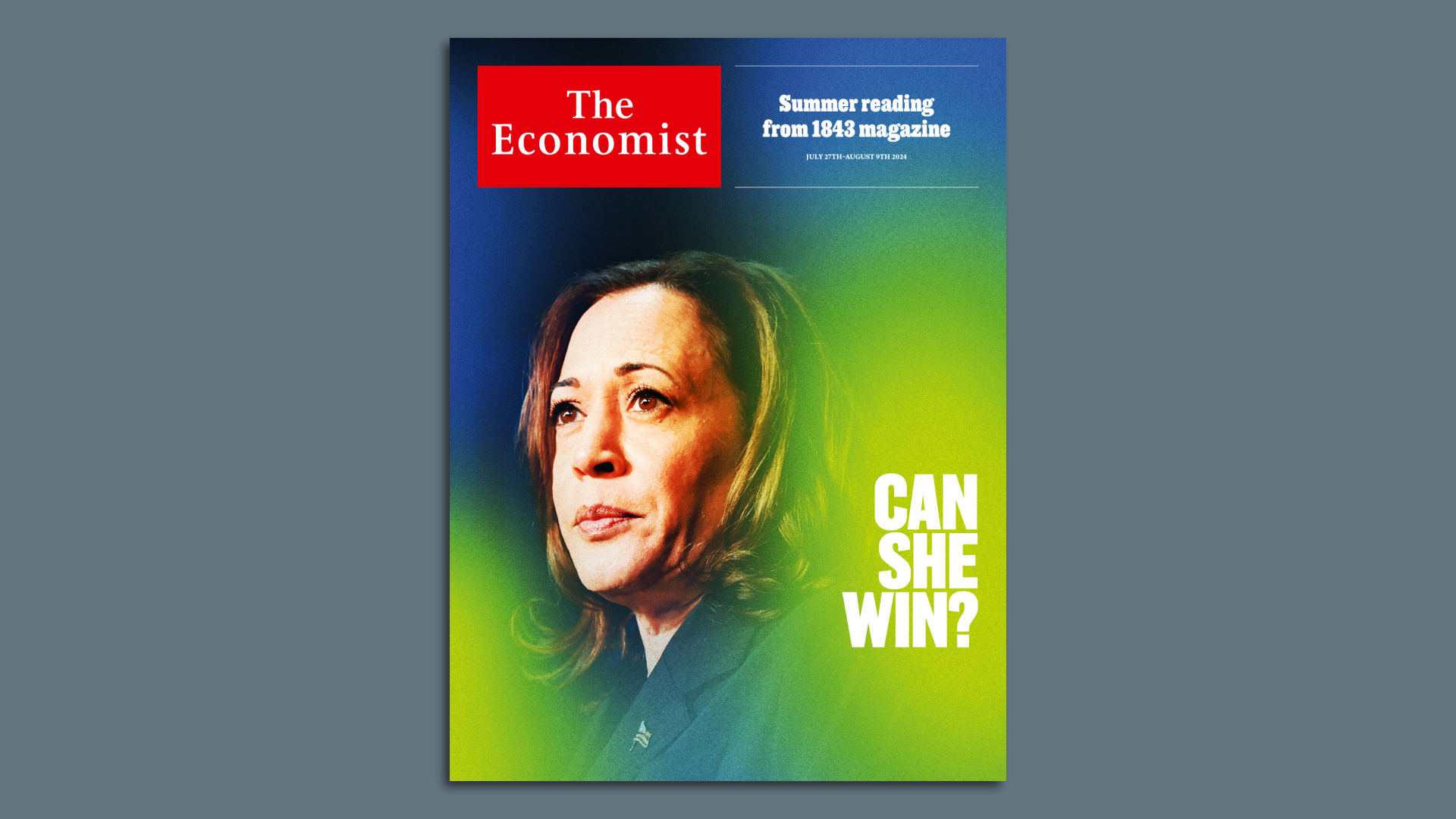
👀 What we're watching: Both candidates expect a small but significant Harris bump coming out of her convention — leveraging her post-announcement momentum, cinematic moments and celebrities to appeal to the swing voters in the swing states above.
- One top Democratic operative said the switch to Harris had been "like a shot of adrenaline to the heart" for the beleaguered troops of the former Biden-Harris campaign in Wilmington, Del.
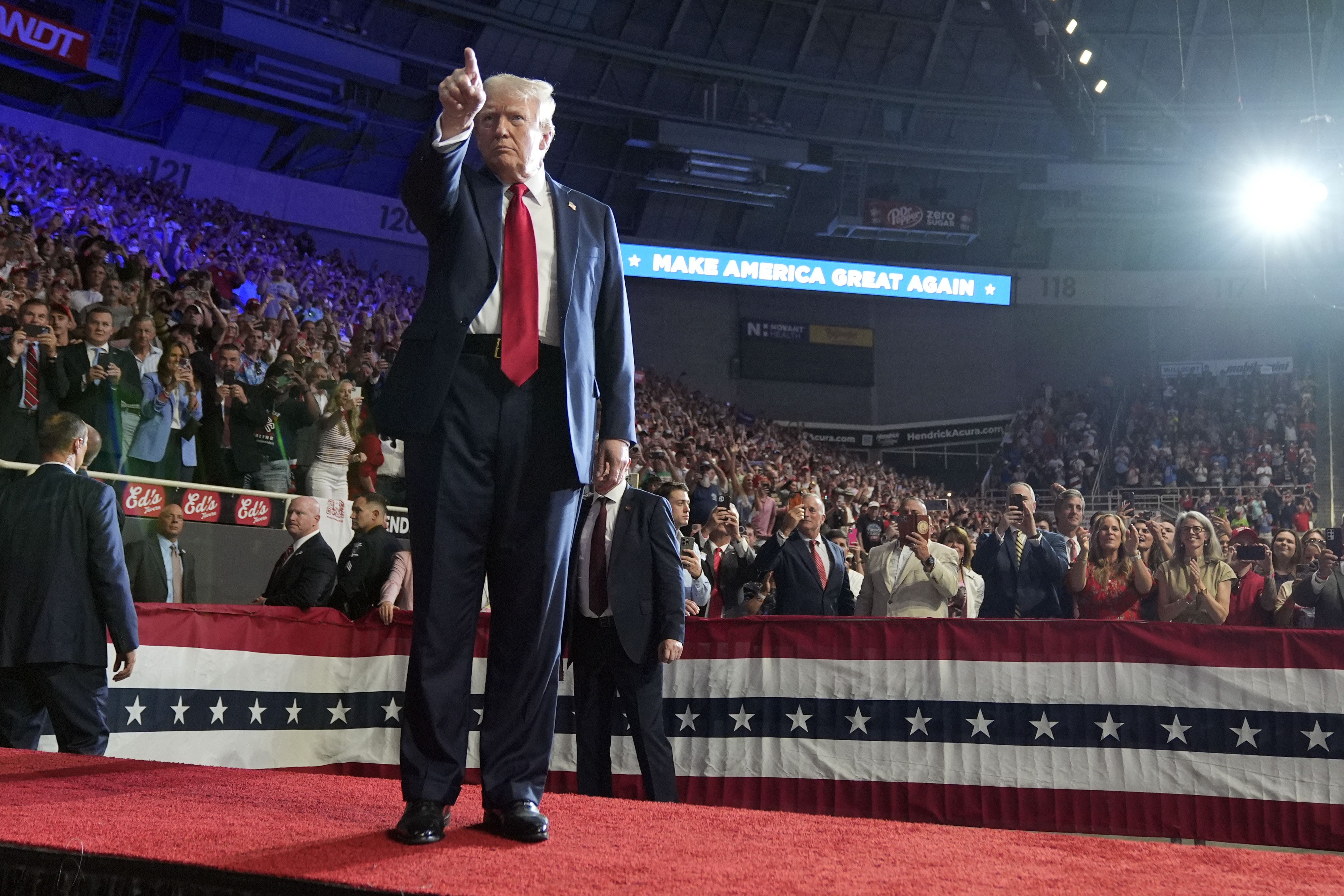
🔎 Behind the scenes: A top Trump adviser told us Harris is "the only other human being you can 100% tie to Biden and his record." The adviser said the "central reason" Vance was picked was his ability to help the ticket in Pennsylvania, Wisconsin and Michigan — a calculus Harris doesn't change.
- The adviser pointed us to a viral video out yesterday from Dave McCormick, the Republican candidate for U.S. Senate in Pennsylvania, calling Harris "The Most Liberal Nominee In U.S. History," with rat-a-tat clips of her past statements.
"That is the playbook right there," the adviser said.
2. 🦾 Axios interview: Altman wants more U.S. urgency
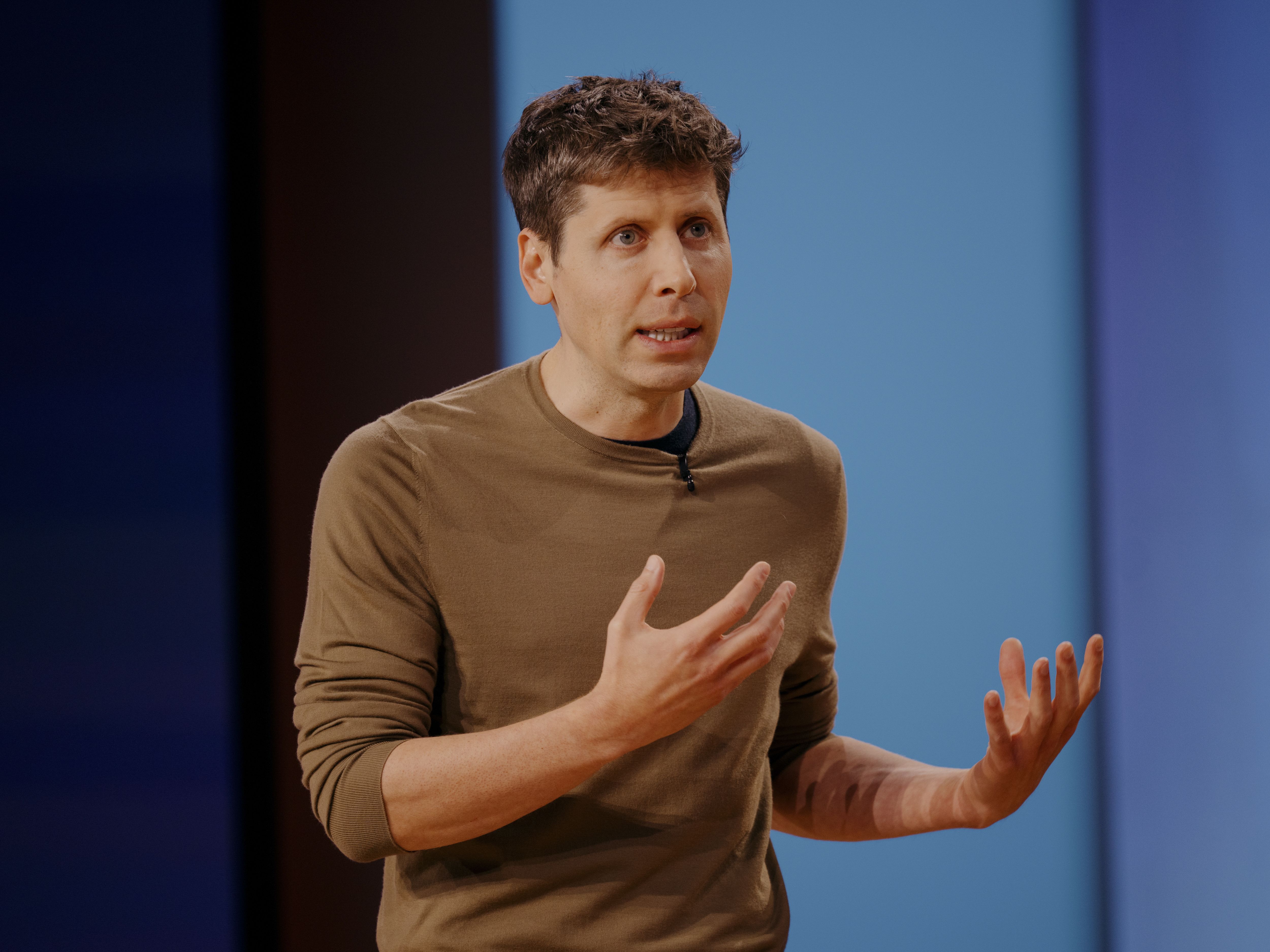
Sam Altman, OpenAI co-founder and CEO, is calling for a "U.S.-led global coalition" to ensure a democratic vision for AI prevails over an authoritarian one — and says both Washington and state governments must act with more urgency.
- "The future continues to come at us fast," Altman told me in a phone interview yesterday. "I'm grateful that some stuff is happening [at the White House and on Capitol Hill]. But I don't think we're seeing the level of seriousness that this warrants."
Why it matters: In the face of China's determination to become a dominant AI player, Altman wants to goad governments at all levels into a more strategic, urgent AI approach.
- "We need the democratic — small 'd' democratic — world to win here, and we have the opportunity to do it," he told Axios.
Altman was previewing an op-ed posted this morning by The Washington Post, in which he argues that "authoritarian regimes and movements will keep a close hold on the technology's scientific, health, educational and other societal benefits to cement their own power."
- "If they manage to take the lead on AI," Altman writes, "they will force U.S. companies and those of other nations to share user data, leveraging the technology to develop new ways of spying on their own citizens or creating next-generation cyberweapons to use against other countries."
Altman writes that U.S. "public and technology sectors need to get four big things right to ensure the creation of a world shaped by a democratic vision for AI":
- Basic security: "American AI firms and industry need to craft ... cyberdefense and data center security innovations to prevent hackers from stealing key intellectual property such as model weights and AI training data. ... The U.S. government and the private sector can partner together to develop these security measures as quickly as possible."
- Infrastructure "is destiny when it comes to AI. The early installation of fiber-optic cables, coaxial lines and other pieces of broadband infrastructure is what allowed the United States to spend decades at the center of the digital revolution. ... U.S. policymakers must work with the private sector to build significantly larger quantities of the physical infrastructure — from data centers to power plants."
- Commercial diplomacy, "including clarity around how the United States intends to implement export controls and foreign investment rules for the global buildout of AI systems. That will also mean setting out rules of the road for what sorts of chips, AI training data and other code ... can be housed in the data centers that countries around the world are racing to build to localize AI information."
- Global governance: "I've spoken in the past about creating something akin to the International Atomic Energy Agency [IAEA] for AI. ... Another potential model is the Internet Corporation for Assigned Names and Numbers [ICANN], which was established by the U.S. government in 1998, less than a decade after the creation of the World Wide Web, to standardize how we navigate the digital world."
The bottom line: "If we want to ensure that the future of AI is a future built to benefit the most people possible," Altman writes, "we need a U.S.-led global coalition ... to make it happen."
- Share this interview ... Read the op-ed, "Who will control the future of AI?" (Gift link — no paywall)
3. 🎙️ Biden passes torch
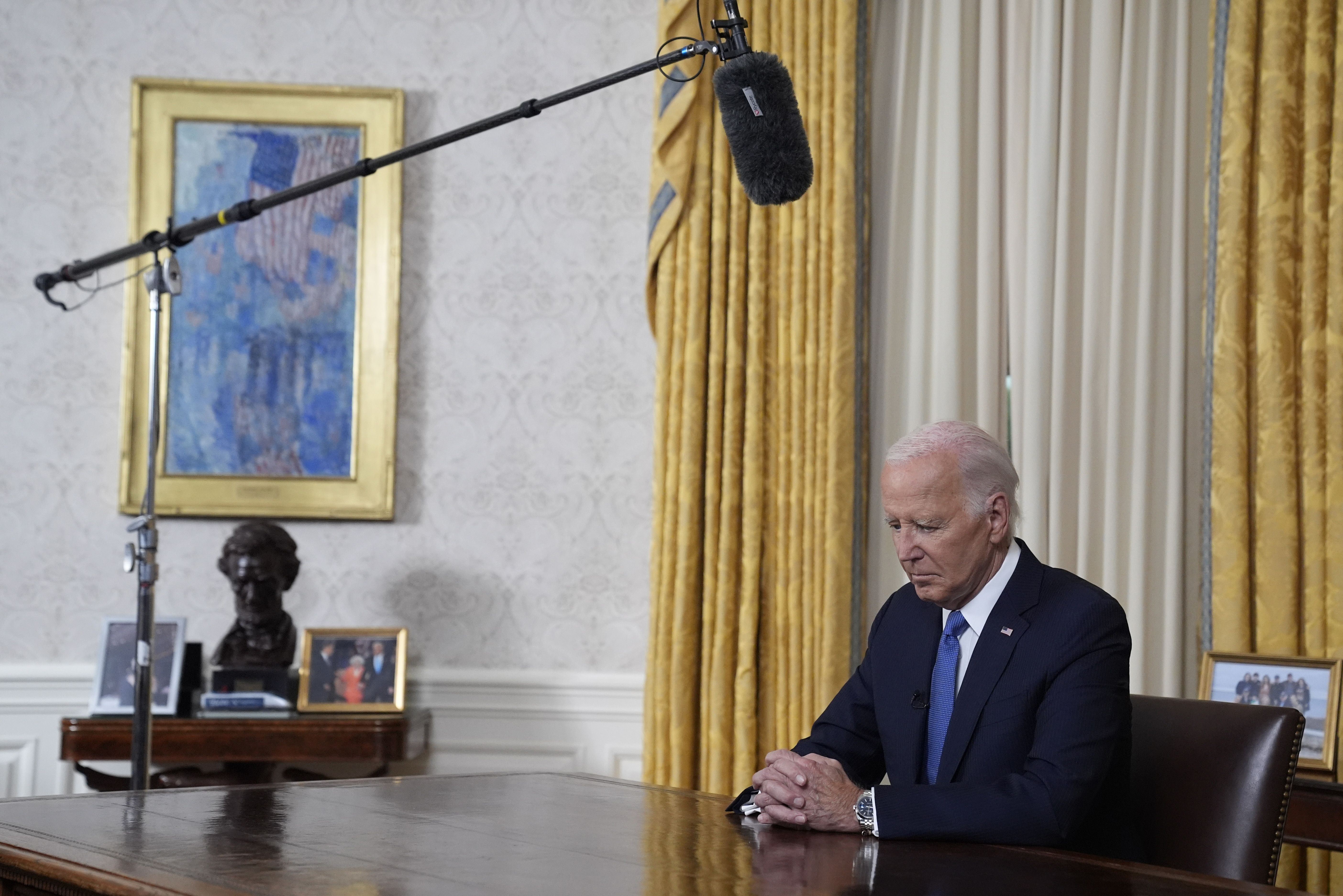
A wistful but proud President Biden used last night's Oval Office address to explain to the American people why he deserved a second term — but chose, in the end, not to seek one, Axios' Zachary Basu writes.
- Why it matters: With 180 days remaining in office, Biden delivered what's likely to be remembered as the most consequential speech of his presidency.
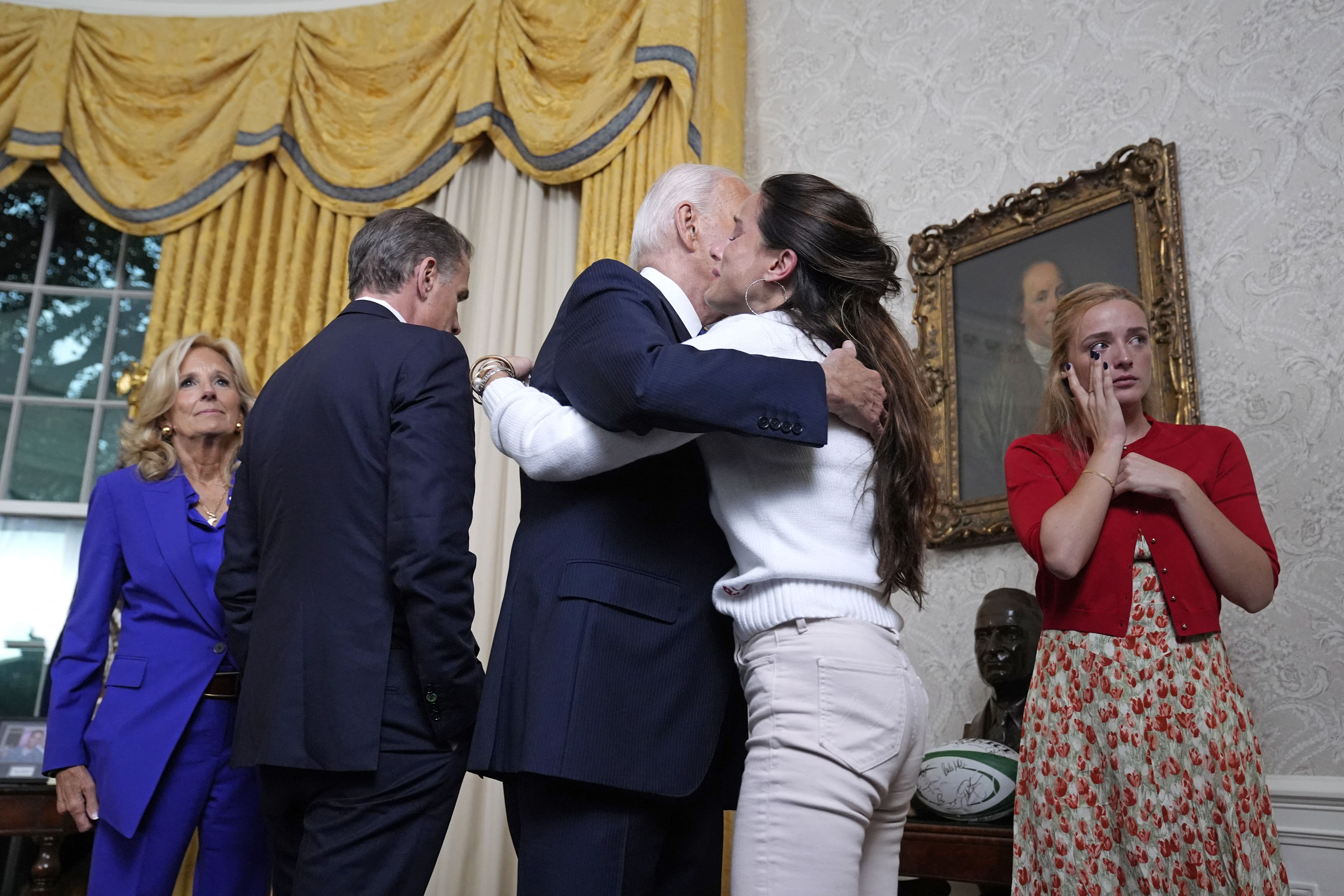
4 takeaways:
1. Keeping the republic: Biden, whose speeches often bear the fingerprints of historian Jon Meacham, spoke in sweeping terms about the looming "inflection point" that will decide America's fate "for decades to come." He never mentioned Trump by name.
2. Harris, the torch-bearer: Biden gave a forceful defense of his record and accomplishments as president, but said it was time to "pass the torch" to Harris, whom he described as an "incredible partner and leader."
3. What he didn't say: Biden did not speak in detail about his health or why exactly he was stepping down — or whether Republicans are right to raise questions about his ability to continue as president for the next six months.
4. Lame-duck priorities: A ceasefire in Gaza and a broader Middle East peace deal.
- Supreme Court reform.
- Pushing for his "cancer moonshot."
4. 👀 Exclusive poll: Young voters boost Harris
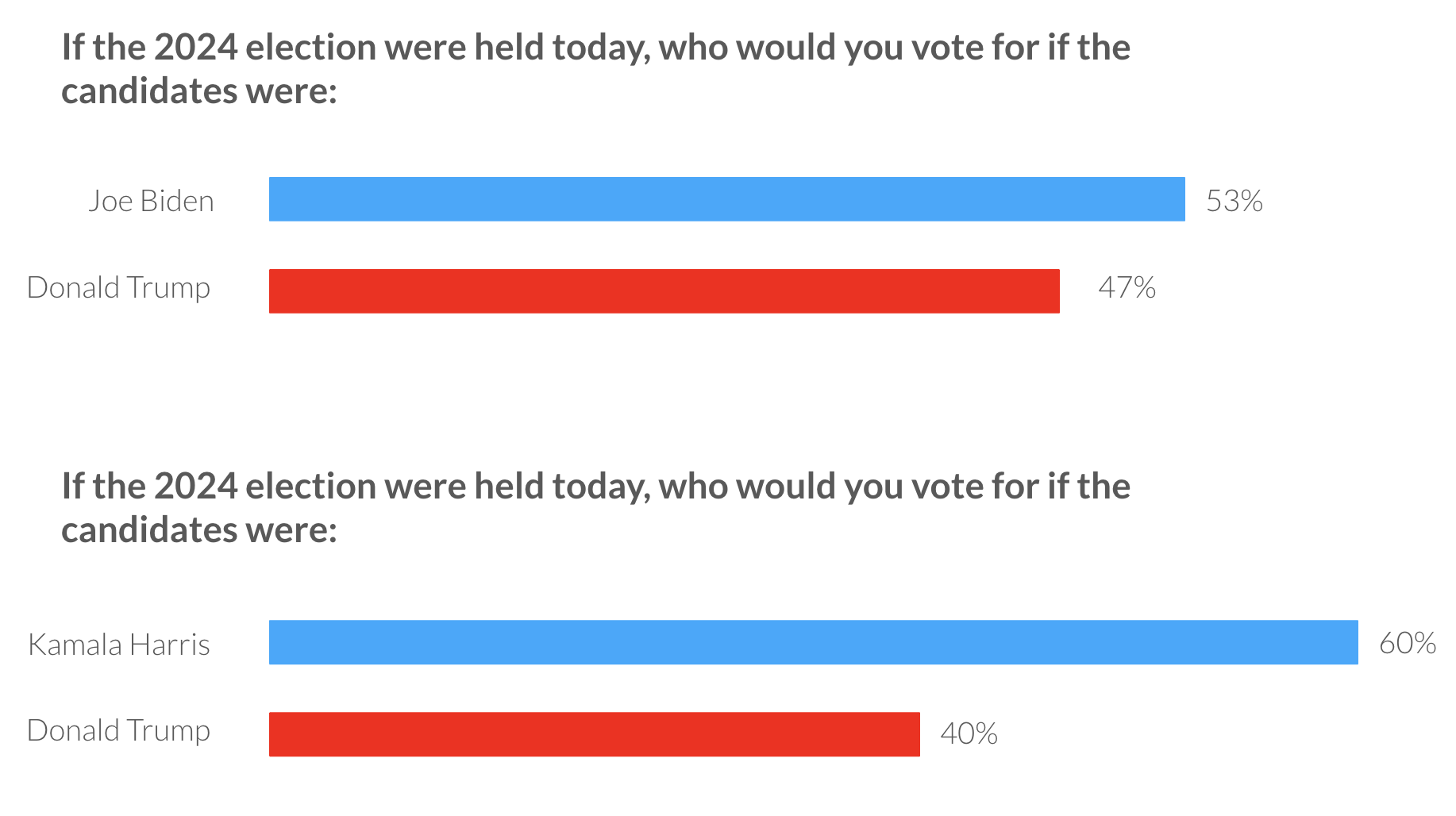
Vice President Harris is significantly more popular among America's youngest voters than President Biden, Axios' Erica Pandey writes from an Axios/Generation Lab poll fielded after Biden stepped aside Sunday.
- Why it matters: Former President Trump had appeared to be chipping away at Democrats' decades-long hold on the youth vote. But Harris could be extending the gap once again.
🧮 By the numbers: In a Biden-Trump race, Biden held a 6-point lead among voters aged 18 to 34.
- In a Harris-Trump contest, the same group is 60% for Harris and 40% for Trump — a 20-point lead for Harris.
Between the lines: It's not just the memes. "[T]his data actually does suggest that Harris could run up the score with young voters in a major way," says Cyrus Beschloss, CEO of Generation Lab.
⚡ New this morning: Labor activist Dolores Huerta — a hugely influential voice among the Latino voters Harris needs to win over — formally endorsed the vice president, Axios' Astrid Galván scoops.
5. 🗞️ Murdoch's secret family battle

A stunning revelation from the N.Y. Times yesterday: Rupert Murdoch is quietly battling — and estranged from — three of his more liberal children over an attempt to ensure the family's media empire remains a conservative juggernaut.
- Why it matters: "A trial to determine whether Mr. Murdoch is in fact acting in good faith is expected to start in September. Hanging in the balance will be the future of one of the most politically influential media companies in the English-speaking world," Jim Rutenberg and Jonathan Mahler write.
The drama — years in the making — blew up when Murdoch attempted to change the family trust to ensure Lachlan Murdoch, his oldest son, maintains control of Fox and News Corp.
- None of the three children fighting the change — James, Elisabeth and Prudence — attended Murdoch's fifth wedding last month. The new now share legal counsel in a joint posture against their dad.
"Murdoch has called his effort to change the trust Project Harmony because he hoped that it might head off a looming family struggle when he dies," The Times reports.
- "But it has had the opposite effect. After filing his petition to amend the trust, Mr. Murdoch met separately with Elisabeth and Prudence in London, hoping to win their support, this person said. Instead, they were furious. Elisabeth responded to the possibility with a string of expletives."
Keep reading (gift link — no subscription needed).
6. 📉 Worst day since '22


A Big Tech selloff triggered the worst day for the S&P 500 (-2.3%) and Nasdaq (-3.6%) since 2022, Axios' Pete Gannon and Hope King write.
- The Dow closed down 1.3%.
Every Magnificent Seven company — including Apple, Microsoft, Amazon, Nvidia and Meta — finished in the red yesterday, including Tesla's 12% and Alphabet's 5% drops.
- Profit reports from Tesla and Alphabet helped suck momentum from Wall Street's AI frenzy.
7. 📚 Exclusive: Trump's instant cover

8. 🍾 Paris Postcard: Champagne shuttle
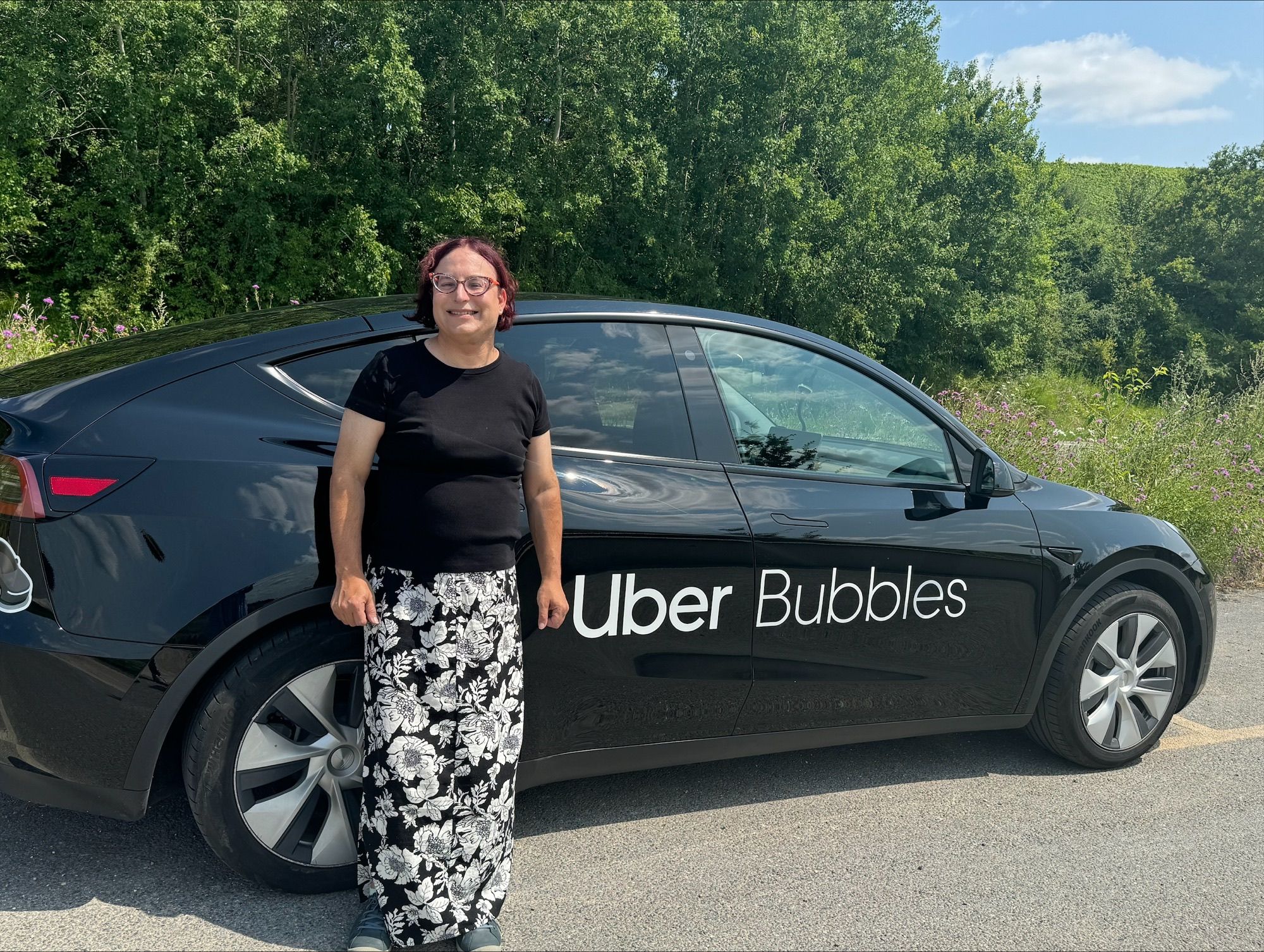
Yesterday's adventure took me away from the Olympic preparations in the city for a chance to visit France's Champagne region with a special trip Uber's offering this summer, Axios' Ina Fried writes in a postcard from Paris.
- For €200, up to four people get taken in a private car for the 90-minute trip — called "Uber Bubbles" — to tour two Champagne houses, with tastings and lunch included.
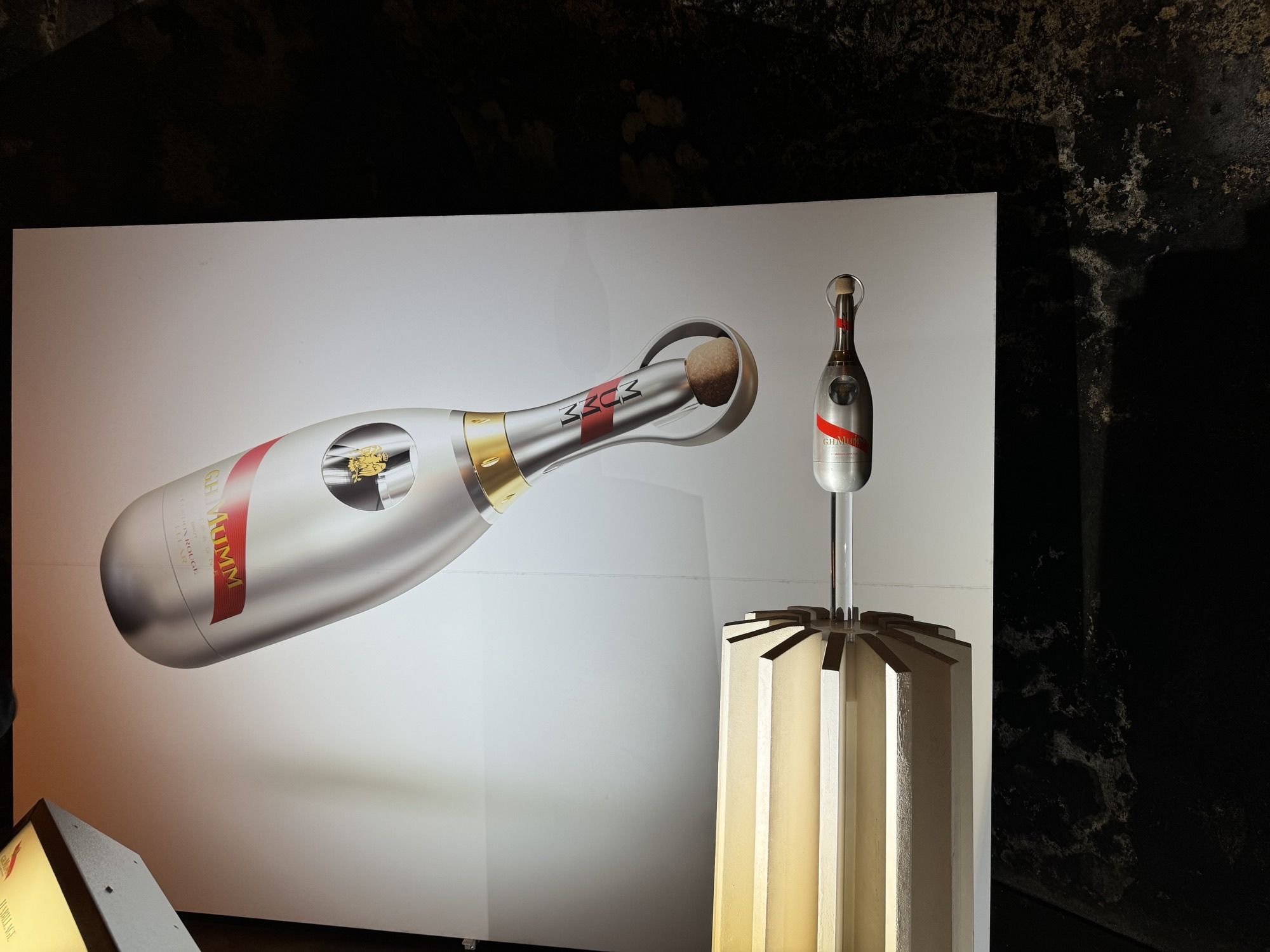
First stop: G.H. Mumm, where a tour explained the Champagne process and how it has evolved. It included seeing a custom steel-over-glass bottle designed to take Champagne into space.
- The second stop was Mumm's sister Champagne house, which served up a five-course lunch, paired with more bubbly.
Axios AM