Axios AM

February 17, 2026

1 big thing: How Trump saved TikTok
President Trump had just won reelection and was basking in the parade of congratulatory pilgrimages to Mar-a-Lago. On this day in November 2024, an old friend and a first-time visitor were meeting privately with Trump. They wanted something, and they brought something.
- Charlie Kirk — a beloved Trump confidant who had just led a smashingly successful turnout drive among young voters — was shepherding TikTok CEO Shou Zi Chew. A law banning the Chinese-owned TikTok in the U.S. was scheduled to kick in the same week Trump was inaugurated. They wanted him to stall the ban and eventually kill it.
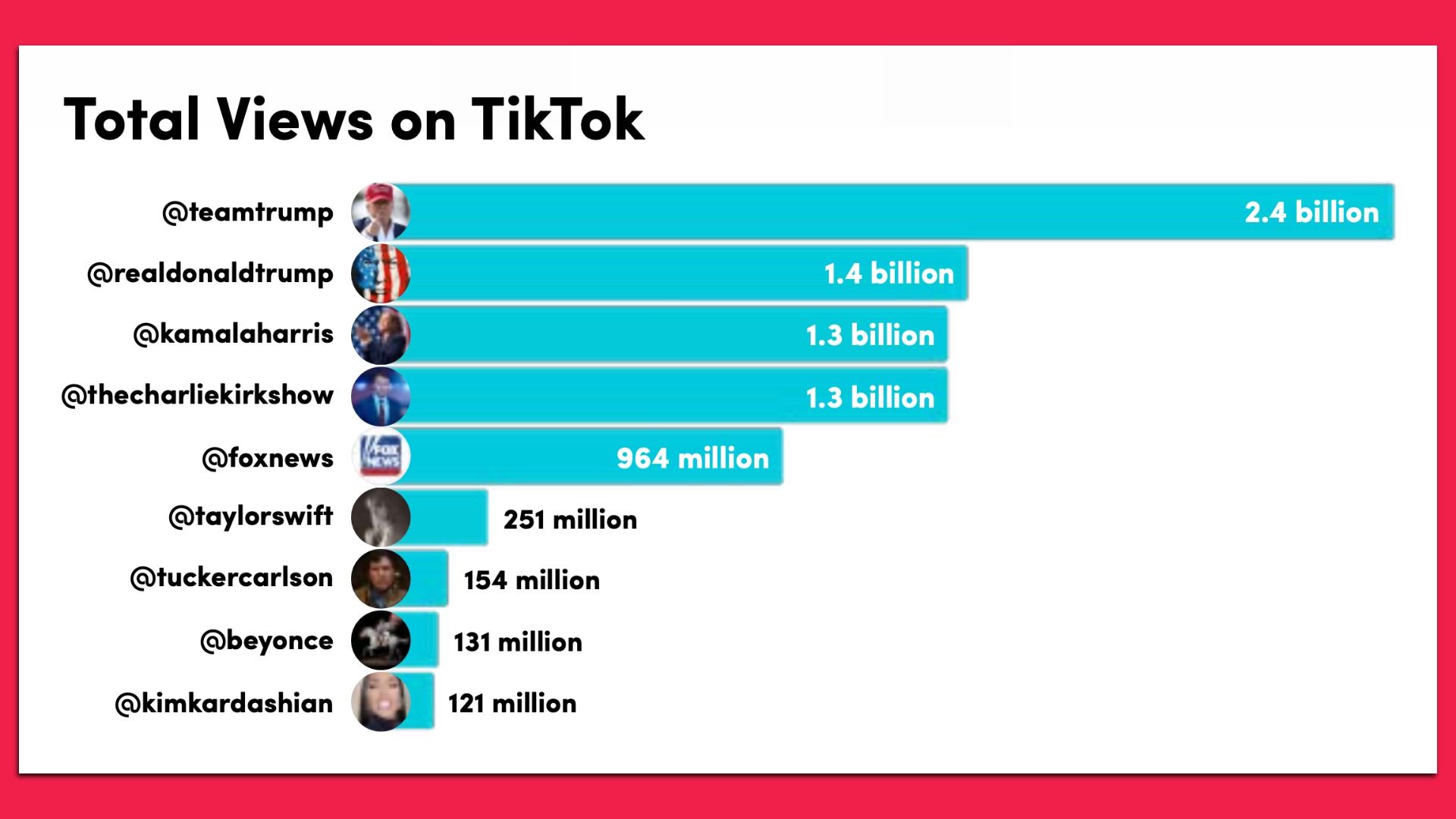
- Knowing Trump responds best to visual stimuli, Kirk had coached the company to spin up four pages of infographics, "Trump on TikTok," showing his campaign's tens of billions of views on the now-threatened app.
📈 A chart (shown above) on the first page jumped out at Trump, who had backed a TikTok ban in his first term. "I'm more popular than Taylor Swift," he crowed. Many in Trumpworld heard he quickly called Barron, his youngest son, to savor the stat.
- On Day 1 of his second term, Trump signed an executive order to punt the TikTok ban.
Why it matters: The Mar-a-Lago meeting was a pivotal victory in a campaign by several Trump insiders to overcome furious opposition to TikTok from China hawks on the Hill and in his political orbit who had national-security concerns.
📱 These insiders helped convince Trump's campaign to launch a TikTok account in June 2024, when he was looking for ways around traditional media.
- Then the insiders patiently engineered a complex deal, which closed last month, to sell TikTok's U.S. operations to a joint venture controlled by American investors — the death of the ban.
How it happened: The campaign was born in early 2024, according to sources familiar with the internal deliberations. Tony Sayegh, a Treasury and White House official in Trump's first term, became a key man in the TikTok triumph. Sayegh was on a ski vacation when he saw President Biden declare in March 2024 that he'd sign a TikTok ban if Congress passed one.
- Sayegh — dubbed "TikTok's Trump Whisperer" by a Wall Street Journal article shortly after Trump's election — phoned a TikTok executive and suggested the very solution that eventually came to pass: If Trump won, he could sign an executive order thwarting the ban.
"Impossible," the TikTok official said. "Can't happen."
- But it did, thanks to an aggressive political and legal strategy, paired with some lucky breaks. Some TikTok executives were skittish about going all-in with Trump, but Sayegh often told the company's D.C. team that Trump was the only person who could save TikTok in America. Chew warmed to the strategy.
Jason Miller — a senior adviser to Trump during the campaign, who remains in close touch with him — told me that Trump "always recognized the power of TikTok, because he saw the impact it had with younger voters."
- "He'd say all the time: 'You guys are missing it! These young people, they love TikTok. They're on it all day long.' And he'd recount stories of Barron talking about it, and also younger people who work with him and for him."
🔎 Behind the scenes: To counter fears among some top Republicans about China's control of TikTok, Sayegh, Miller and others amped up outside allies — including Kirk, Tucker Carlson and Kellyanne Conway — to give Trump cover to take the plunge.
2. 🏛️ Warning to corporate America: "The subpoenas are coming"
3. 🕯️ Jesse Jackson, fiery icon of civil rights
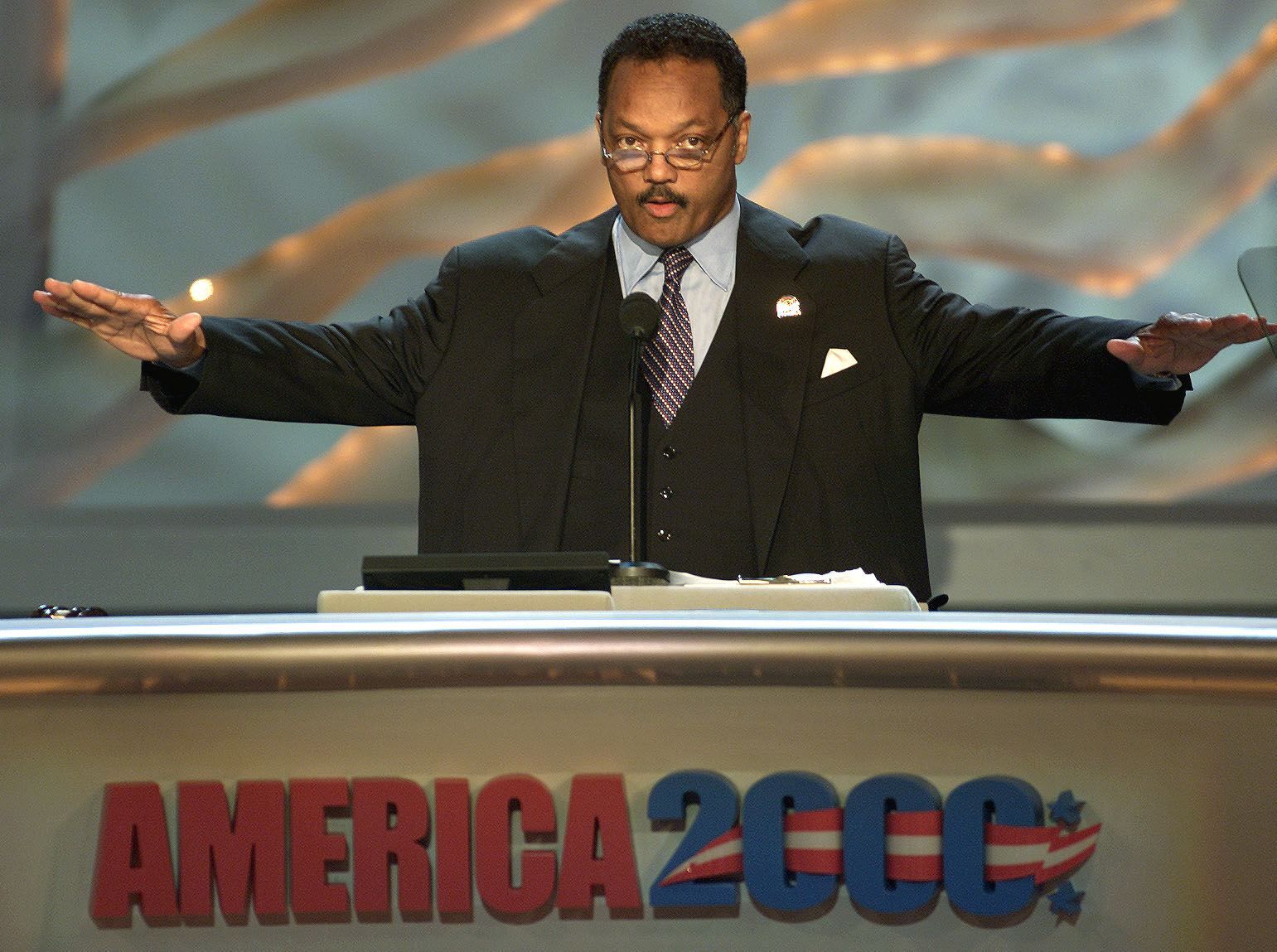
The Rev. Jesse Jackson, a civil rights icon who spent his career fighting racial inequality and injustice, and who made two historic runs for the presidency, died today, his family said in a statement. He was 84.
- Jackson leaves behind an expansive legacy, starting with his time alongside Rev. Martin Luther King Jr. to founding Operation Rainbow PUSH on the South Side of Chicago, Axios' Justin Kaufmann, Delano Massey and Russell Contreras write.
🎙️ "Part of what makes America great is the right to fight for your rights," Jackson told Axios' Justin Kaufmann on WGN Radio in 2015. "You can change America. It's like putty. You can reshape it."
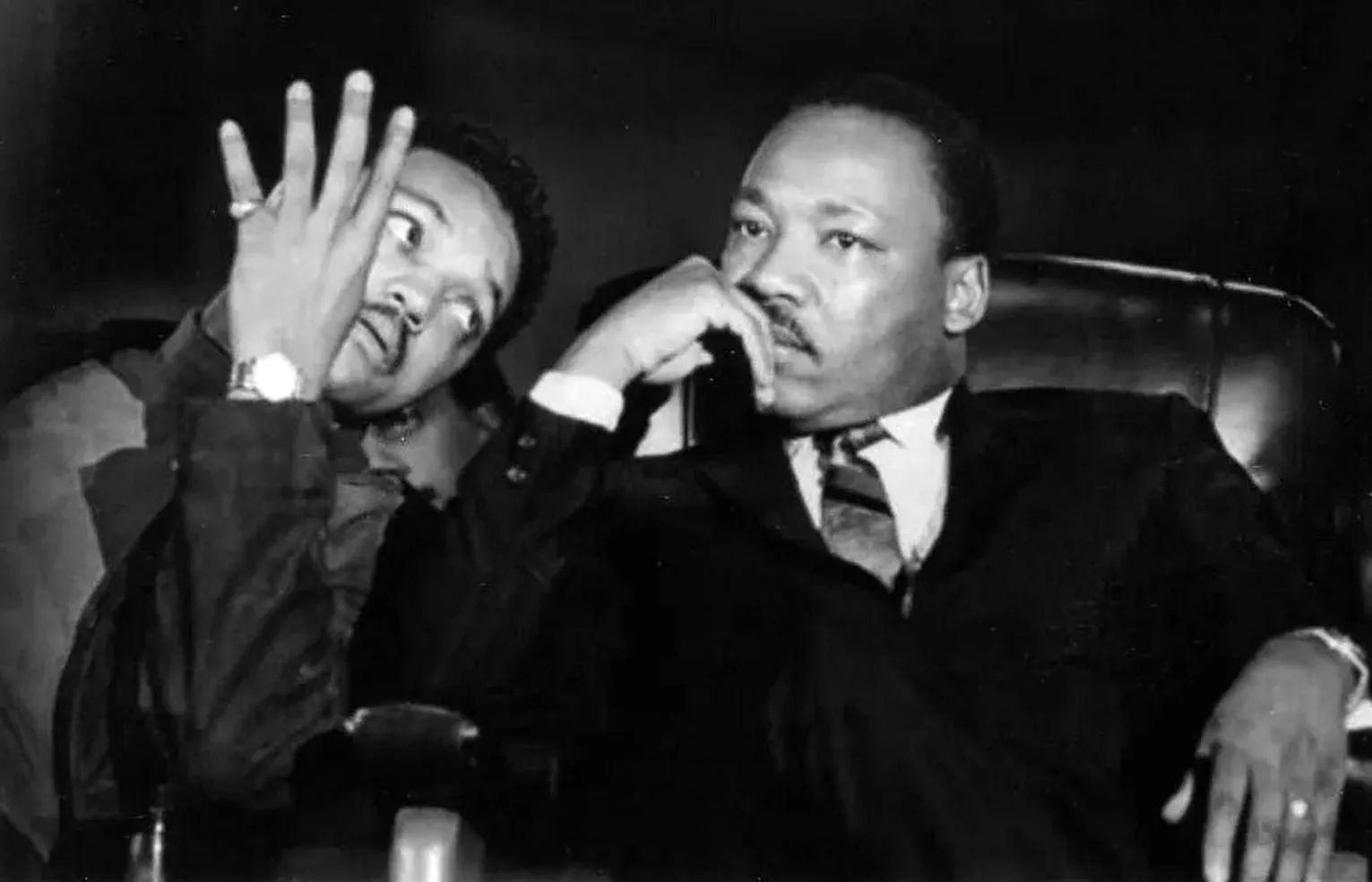
The civil rights pioneer grew up in Greenville, S.C., and after college joined King's Southern Christian Leadership Conference.
- Jackson ran for president in 1984 and 1988, becoming the first major Black candidate to mount a nationwide campaign, finishing second to Michael Dukakis in the 1988 Democratic primary.
Jackson also played a pivotal role in Barack Obama's presidential campaign in 2008.
- "The night when President Obama was declared the winner," Jackson reflected in 2015, "I stood there and cried, in part because we'd won the big one, but also because it was the movement that made it possible."
4. 💰 Charted: Corporate power shift
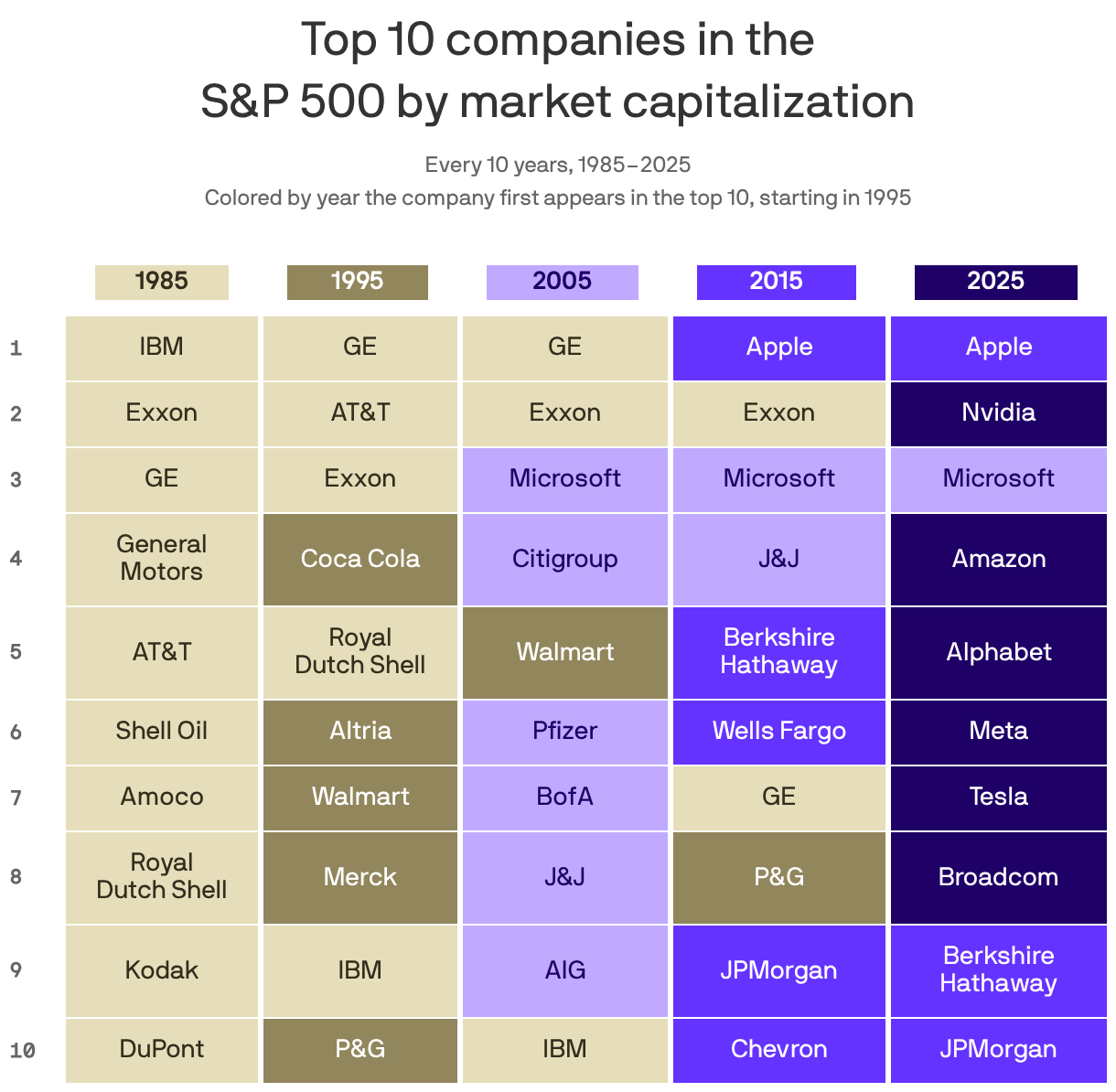
Only four of the top 10 biggest companies in America by market cap last year were on the list a decade before: Apple, Microsoft, Berkshire Hathaway and JPMorgan Chase.
- Why it matters: Big tech, particularly the Magnificent Seven, might seem like an enduring force, but life comes at you fast. The biggest companies change over time, Axios Markets author Emily Peck writes.
📈 Stunning stat: The top 10's total market cap in 2025 was an astonishing $19.4 trillion.
- In 2015, it was $3.2 trillion.
5. 🇮🇷 Iran deal's make-or-break day
Today's meeting between U.S. and Iranian officials in Geneva could be a make-or-break moment that will signal whether the two countries are moving toward a new nuclear deal or war, Axios' Barak Ravid writes.
- Why it matters: U.S. officials said they expect Iran to arrive at the talks between Jared Kushner and Steve Witkoff and Iranian Foreign Minister Abbas Araghchi with tangible concessions on its nuclear program.
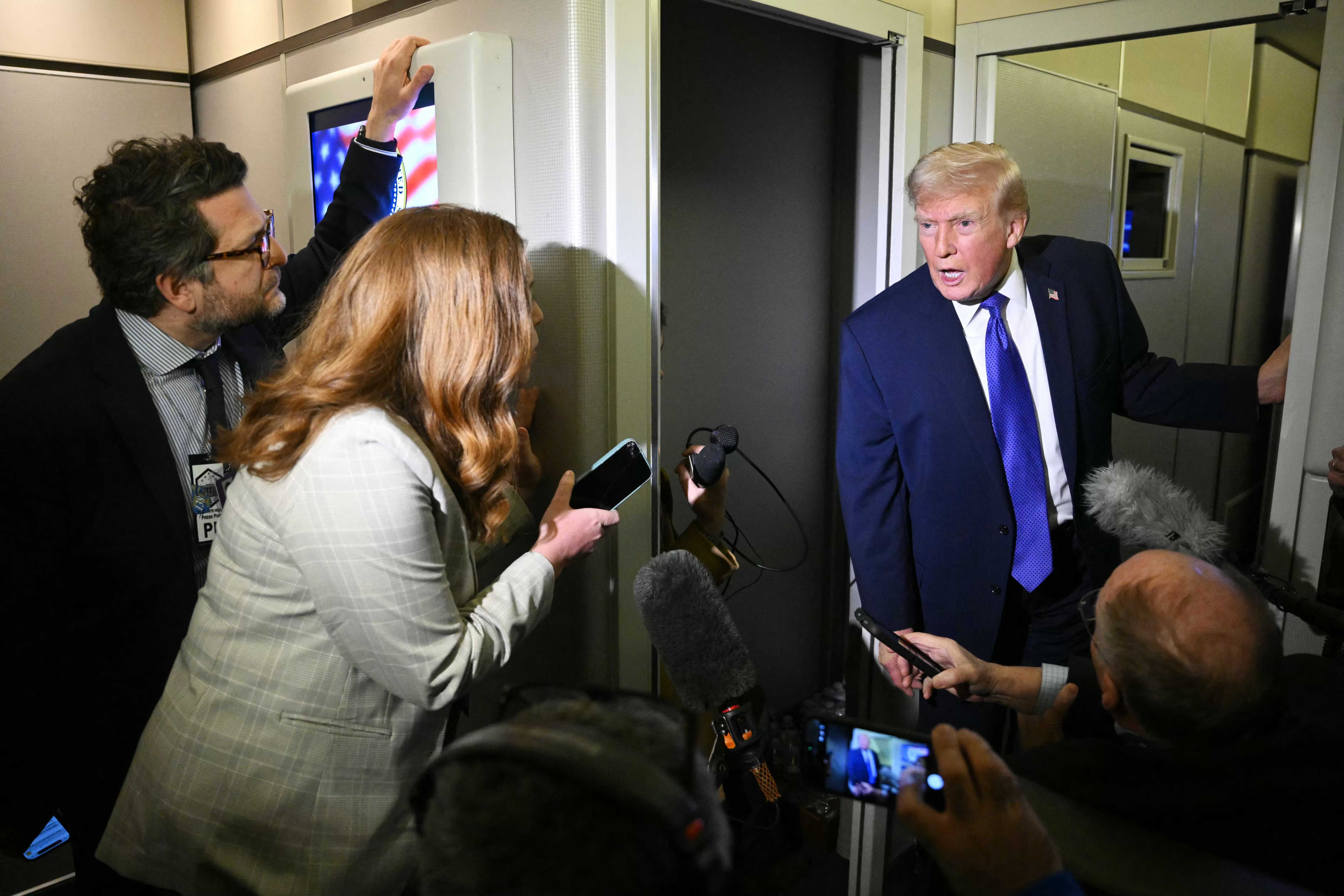
President Trump told reporters on Air Force One last night that he is going to be "involved indirectly" in the negotiations — the second round of talks this month.
- "They want to make a deal. I don't think they want the consequences of not making a deal."
🔭 Zoom in: While Trump said he prefers a diplomatic solution and wants to reach a deal with Iran, he has also ordered a massive military buildup in the Persian Gulf — including sending a second aircraft carrier strike group.
- Another group of 18 F-35 fighter jets, together with several tankers, arrived in the Middle East yesterday, according to open-source flight radar data.
6. 🦠 AI's big biosecurity risk
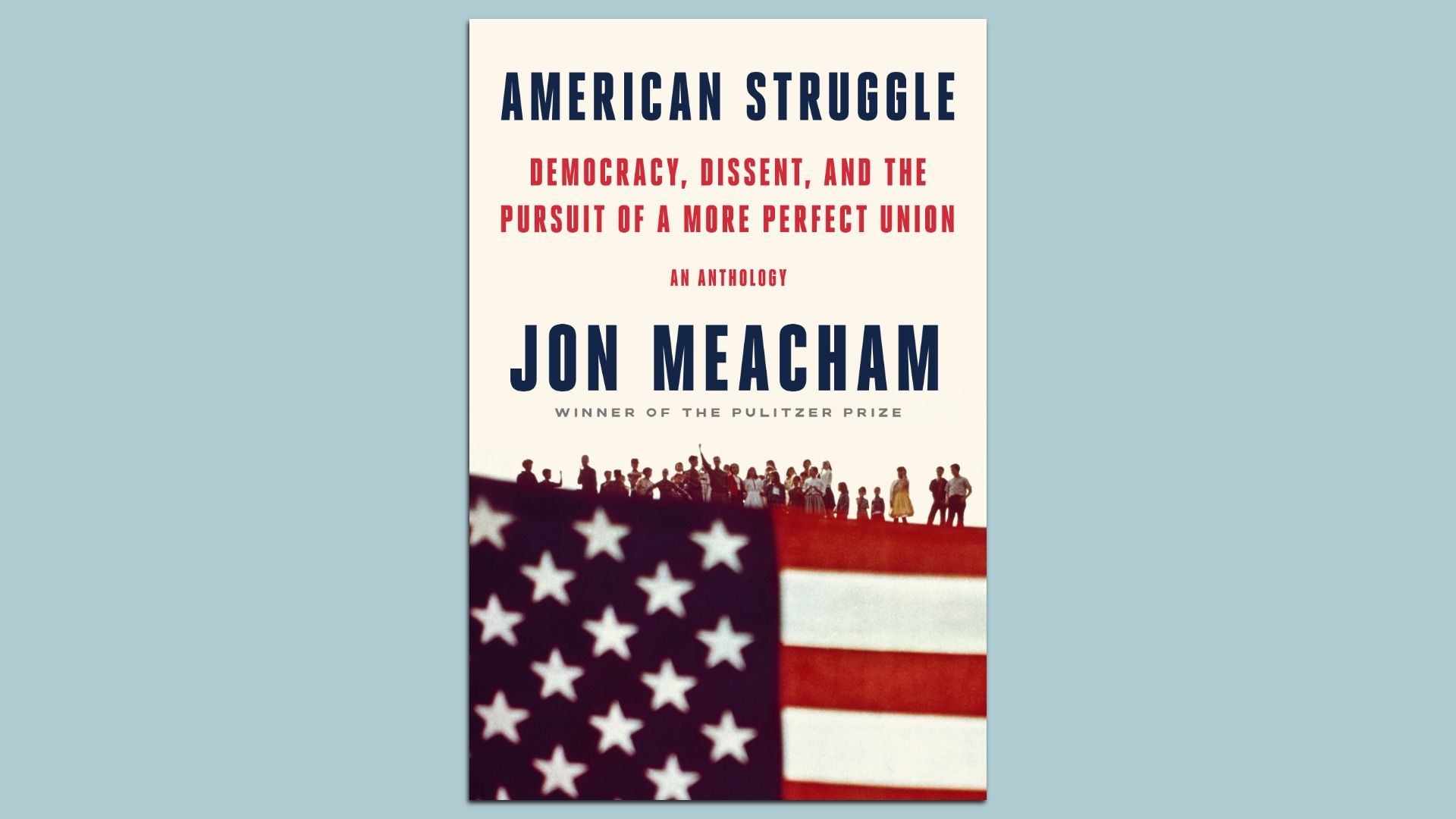
7. 📚 Out today: Meacham on our fragile, durable democracy
8. 🛁 1 fun thing: Mardi Gras cocktail!
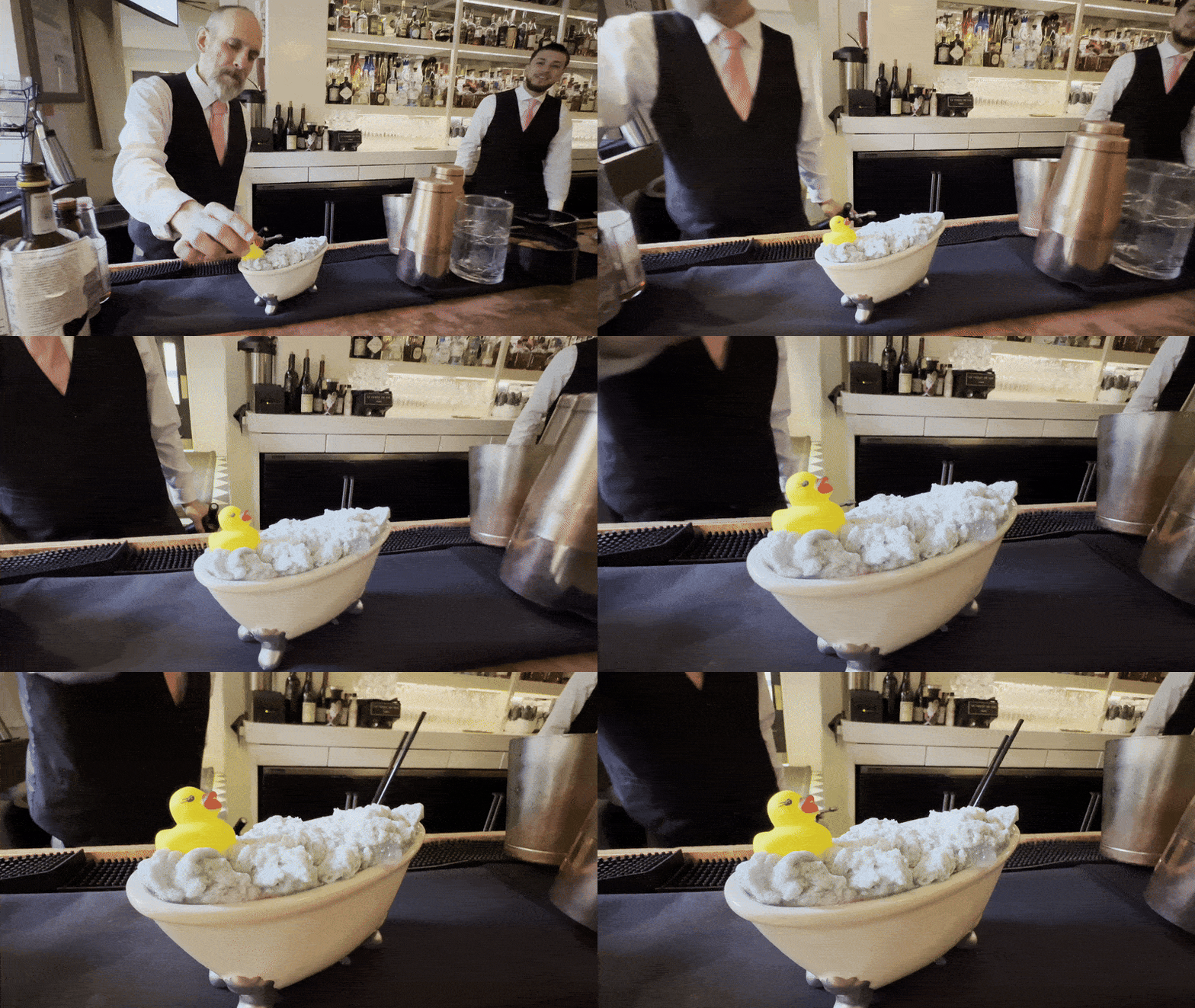
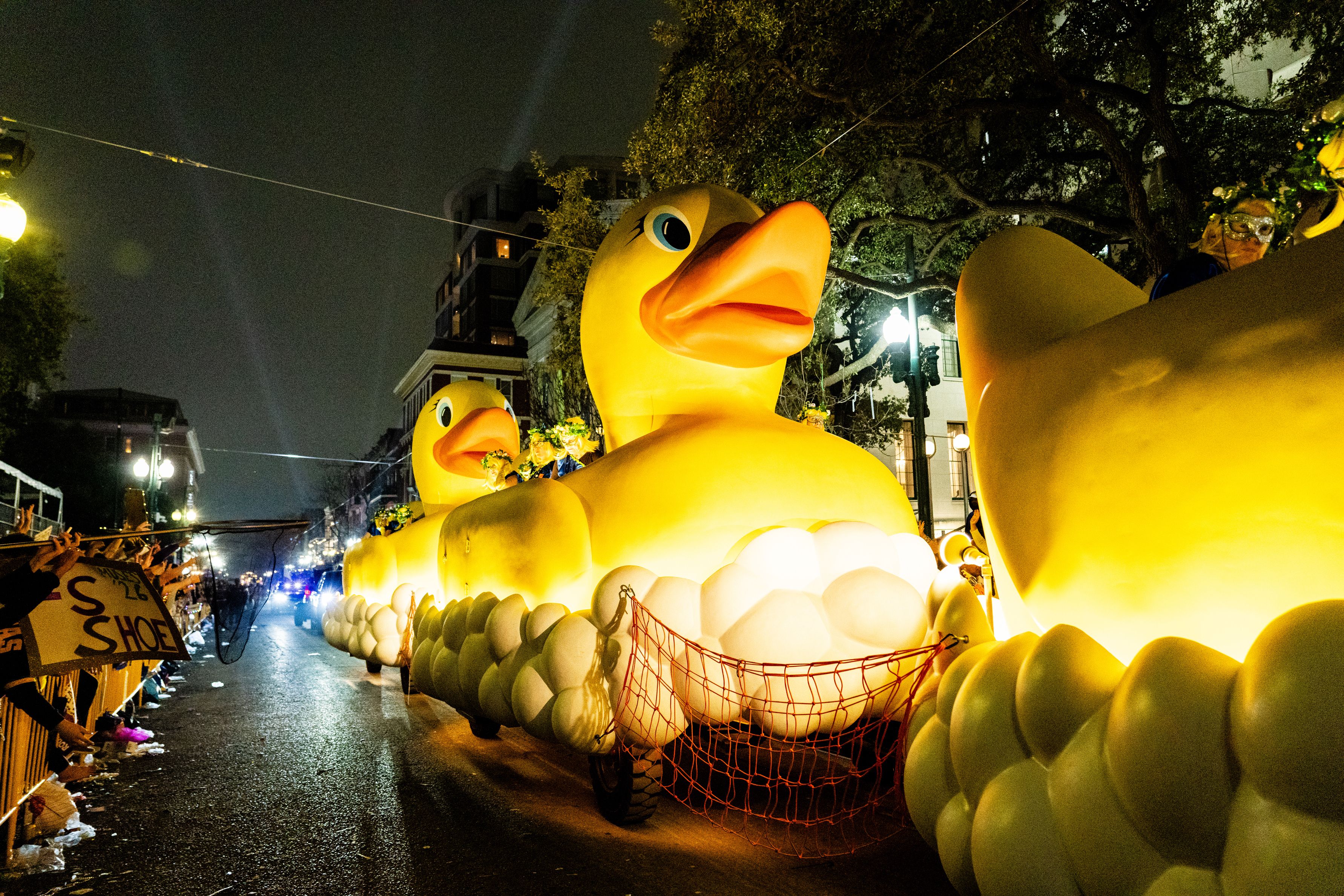
Brennan's — the famous New Orleans Creole restaurant — has a fun new Mardi Gras cocktail in honor of the Krewe of Muses, which hosts an annual parade featuring a famous fleet of duck and bathtub floats.
- The Duckie cocktail ($19) is served in a mini bathtub and topped with a rubber ducky, Axios New Orleans' Carlie Kollath Wells writes.
The adorable drink is a pinkish-purple blueberry margarita. The bubble whip is made with blue curaçao and pureed blueberries.
- More Mardi Gras cocktails ... Get Axios Local: Newsletters in 34 cities.
Axios AM