Axios AM

December 03, 2025

Hello, Wednesday. Smart Brevity™ count: 1,971 words ... 7½ mins. Thanks to Noah Bressner for orchestrating. Edited by Andrew Pantazi. Copy edited by Bill Kole.
⚡ Situational awareness: Feds are preparing a targeted immigration enforcement operation in Minnesota that would primarily focus on Somali immigrants living unlawfully in the U.S., Axios' Brittany Gibson reports.
- President Trump railed against Somali immigrants during a Cabinet meeting yesterday: "[W]e're gonna go the wrong way if we keep taking in garbage ... They come from hell ... and do nothing but bitch."
⚜️ Trump said National Guard troops will be sent to New Orleans "in a couple of weeks."
1 big thing: The power of real reporting

President Trump came into office promising to decapitate mainstream media. He bullied and sued media companies, blocked or curtailed access for reporters, and elevated nontraditional news sources.
- Yet mainstream media ends the year as dominant as ever in capturing Trump's attention and setting Washington's agenda, Jim VandeHei and Mike Allen write in a "Behind the Curtain" column.
Why it matters: Trump remains a voracious consumer of so-called legacy news and takes more calls from more reporters than any president in our lifetime. His days are often filled with responses — not to MAGA media or X influencers, but to conventional stories from conventional reporters at conventional media publications.
Trump administration efforts to restrict the proximity of some White House reporters, or boot them from Pentagon workspace, have done little to slow the flow of leaks to legacy media from inside those buildings.
- Yes, his lawsuits against the big networks and others have a chilling effect on coverage, reporters at those networks tell us. And, yes, some legacy voices — notably the opinion section of The Washington Post — are drifting rightward in the age of Trump.
- And what the Pentagon calls its "brand new" press corps of Trump-friendly outlets (including MAGA provocateur Laura Loomer) was welcomed into the building this week for exclusive briefings after traditional news organizations refused to sign a new press policy.
- But it's hard to argue legacy media has been defanged when the president himself spends his days engaging with it and reacting to deeply reported stories that clearly hit a nerve.
🖼️ The big picture: The era of Big News is over — the days of networks and newspapers and traditional media alone setting the agenda are long past.
- Influencers, podcasters, social media stars and independent thinkers and journalists are often just as powerful as old-line media in shaping how most people see reality day to day. But these newer players often feast on old-fashioned reporting to provide their daily buffet of content on new platforms.
- The media dynamic in Washington has changed less than we expected in 2025. At the beginning of the year, both X and MAGA media were ascendant, even dominant, in shaping the national conversation. X remains a force, especially for Republicans, the tech world and the media. But MAGA has been mired in months of infighting, often about personality or identity disputes.
That said, we're clearly in the post-news era, in which people are forming views and realities based on numerous inputs. Yet even in this post-news era, news still matters. A lot.
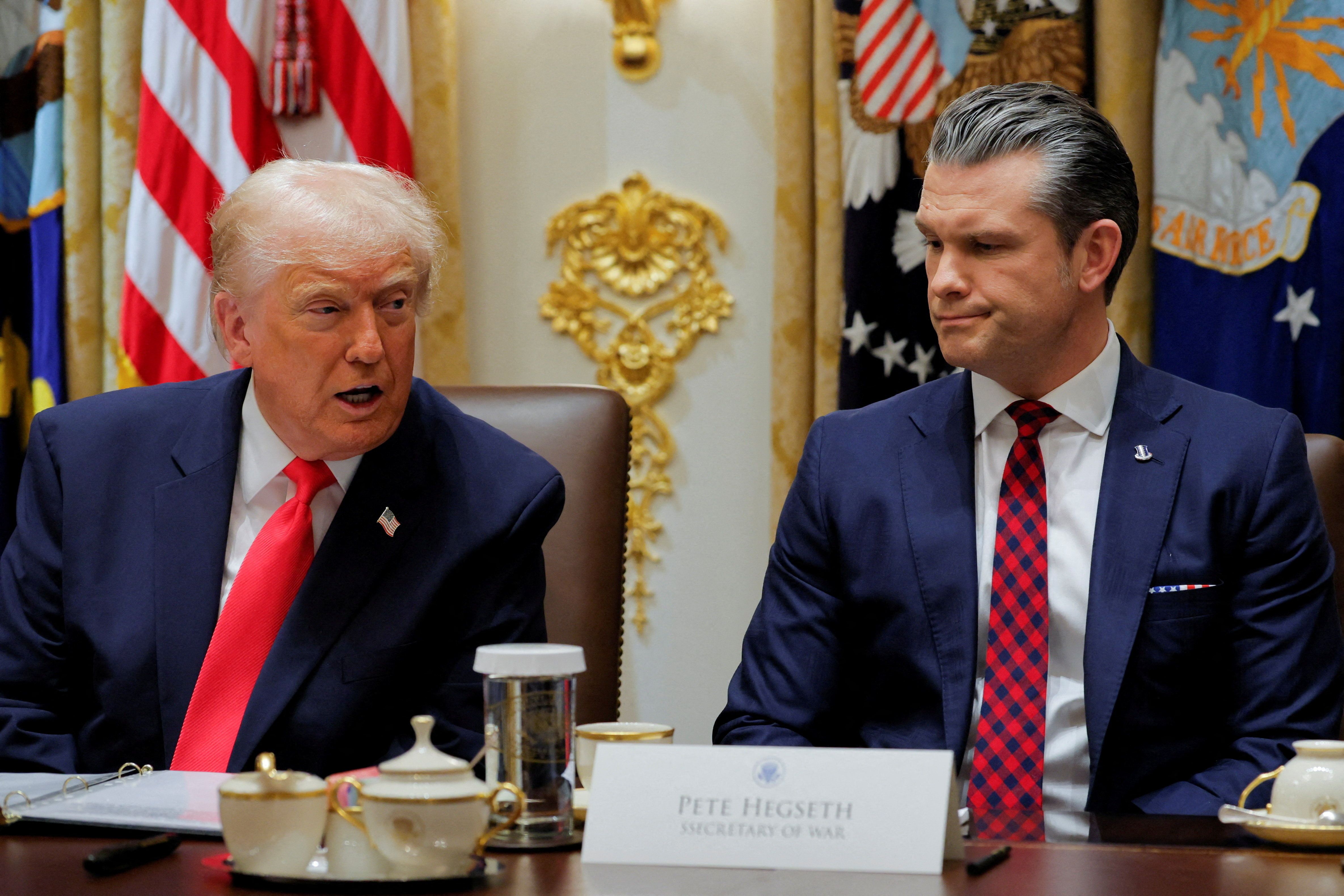
Case in point: Look at how The Washington Post drove days of coverage and social-media posts — and sent the Trump administration scrambling — with last week's report that Defense Secretary Pete Hegseth ordered commanders to kill those aboard alleged drug-smuggling boats off South America.
- The reporting kicked even Trump-friendly Republican committee chairs into oversight action. (Hegseth said yesterday he "did not personally see survivors" and cited the "fog of war" in defending the follow-on strike in a September attack on an alleged drug boat in the Caribbean.)
Or look at how the most powerful people in technology rallied to defend White House AI and crypto czar David Sacks after The New York Times this week ran a five-byline investigation into his holdings in realms where he shapes policies.
- If The New York Times is unreliable and irrelevant, why did Elon Musk, Marc Andreessen, Marc Benioff and other big-name execs feel obligated to publicly defend Sacks?
Or look at the way a beat reporter, Axios global affairs correspondent Barak Ravid, has dominated coverage of Israel and Middle East peace talks. Trump himself has been doing interviews with Ravid to discuss his views.
The bottom line: For all his anti-media rhetoric, Trump remains the most accessible president of modern times to many mainstream reporters.
- We're not diminishing the damage Trump has done with lawsuits and constant claims of "fake news." It's real. Lawsuits drain money, time and attention.
- But as we've seen at Axios this past year, interest in clinical, serious, credible reporting has never been higher — including inside this White House.
2. 💰 Billionaires bankroll Trump's presidency
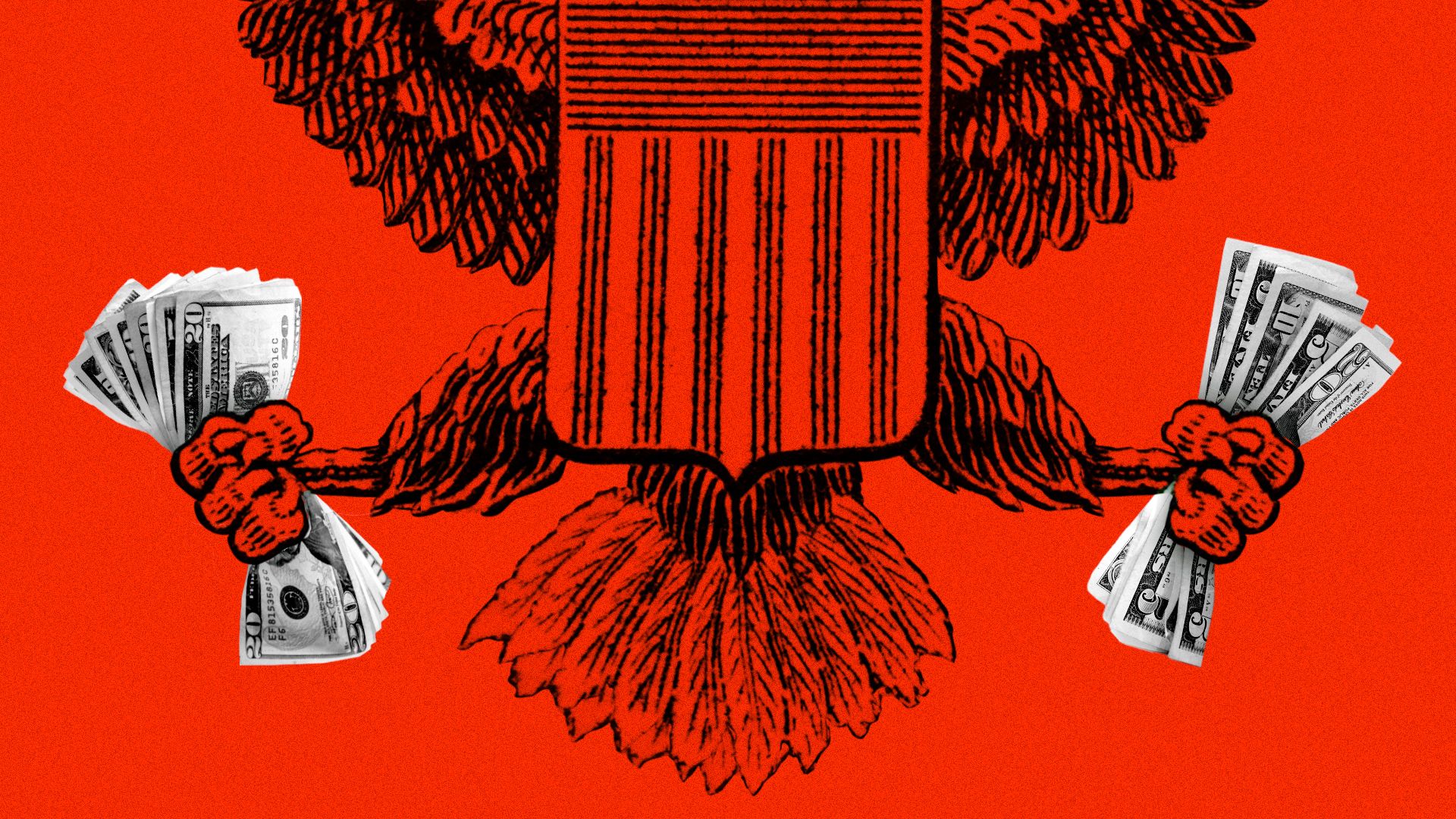
Private wealth has become an operational arm of the Trump presidency, bankrolling pet projects and policies on a scale unmatched by any previous administration, Axios' Zachary Basu writes.
- Why it matters: The generosity of America's billionaires can't be divorced from the tax incentives and exclusive access that come from orbiting — or serving in — the wealthiest administration in U.S. history.
While some donations are earmarked for the public good — like Michael Dell's historic $6.25 billion gift yesterday for "Trump accounts" for kids — many flow into the president's personal ecosystem.
🔎 Zoom in: Like any private philanthropy, Dell's massive donation — which will seed 25 million child investment accounts with $250 — is ultimately dwarfed by the $7 trillion federal budget.
- But its power lies in its ability to bypass congressional gridlock, allowing Trump to broaden a popular benefit — $1,000 for newborns starting next year — far beyond what lawmakers were willing or able to authorize.
- The same dynamic applied to GOP megadonor Timothy Mellon's $130 million contribution to backstop troop salaries during the government shutdown, which worked out to about $100 per service member.
🔭 Zoom out: Many wealthy donors have chosen to support projects insulated from the federal balance sheet. In Trump's world, that often means financing the spaces and spectacles he values most.
- Inauguration: Unburdened by campaign-finance limits, Trump's 2025 inaugural committee raised a record-shattering $245 million — nearly triple his 2017 total and four times President Biden's 2021 haul.
- Military parade: Sponsors of Trump's 250th-anniversary Army parade in June included corporations with deep financial or political ties to the president, including Palantir, Coinbase and Oracle.
- White House ballroom: Trump has broken ground on a 90,000-square-foot ballroom replacing part of the East Wing. So far, the White House has disclosed a list of 37 corporate and individual contributors, including major tech companies, defense contractors, crypto firms and longtime Trump allies. Some have remained anonymous.
White House Deputy Press Secretary Kush Desai told Axios in a statement: "Thanks to President Trump's leadership, America's richest billionaires are giving away their money to Make America Great Again — from investing in Trump Accounts for our children's future to supporting our troops."
3. 🤖 What keeps Sam Altman up at night

OpenAI CEO Sam Altman is feeling increased pressure from three major threats that have him seeing red: Wall Street, chatbot users and Google, Axios' Megan Morrone writes.
- That inspired him to declare a "code red surge" to employees on Monday to focus on improving ChatGPT, The Information and The Wall Street Journal reported.
Three Altman headaches:
1. Money. OpenAI has long underestimated how many people would use ChatGPT and how much that usage would cost.
- Its original Microsoft deal helped cover those costs. Now that the partnership has been restructured, OpenAI will have to generate far more revenue on its own.
2. Safety. Altman has repeatedly expressed surprise that people would use ChatGPT as a therapist, confidant and romantic partner.
- Facing multiple lawsuits from families whose teens and other loved ones got bad advice while in crisis, OpenAI has added parental controls and other mental health guardrails.
3. Gemini. The real threat is Google's Gemini, which has the money, data and chips to compete with OpenAI on an entirely different level.
- Google was caught flat-footed when OpenAI released ChatGPT three years ago. But the search giant is finally catching up with the release of Gemini 3 Pro last month.
OpenAI pointed Axios to a thread on X from ChatGPT head Nick Turley, which said in part: "Our focus now is to keep making ChatGPT more capable, continue growing, and expand access around the world — while making it feel even more intuitive and personal."
4. 📸 1,000 words

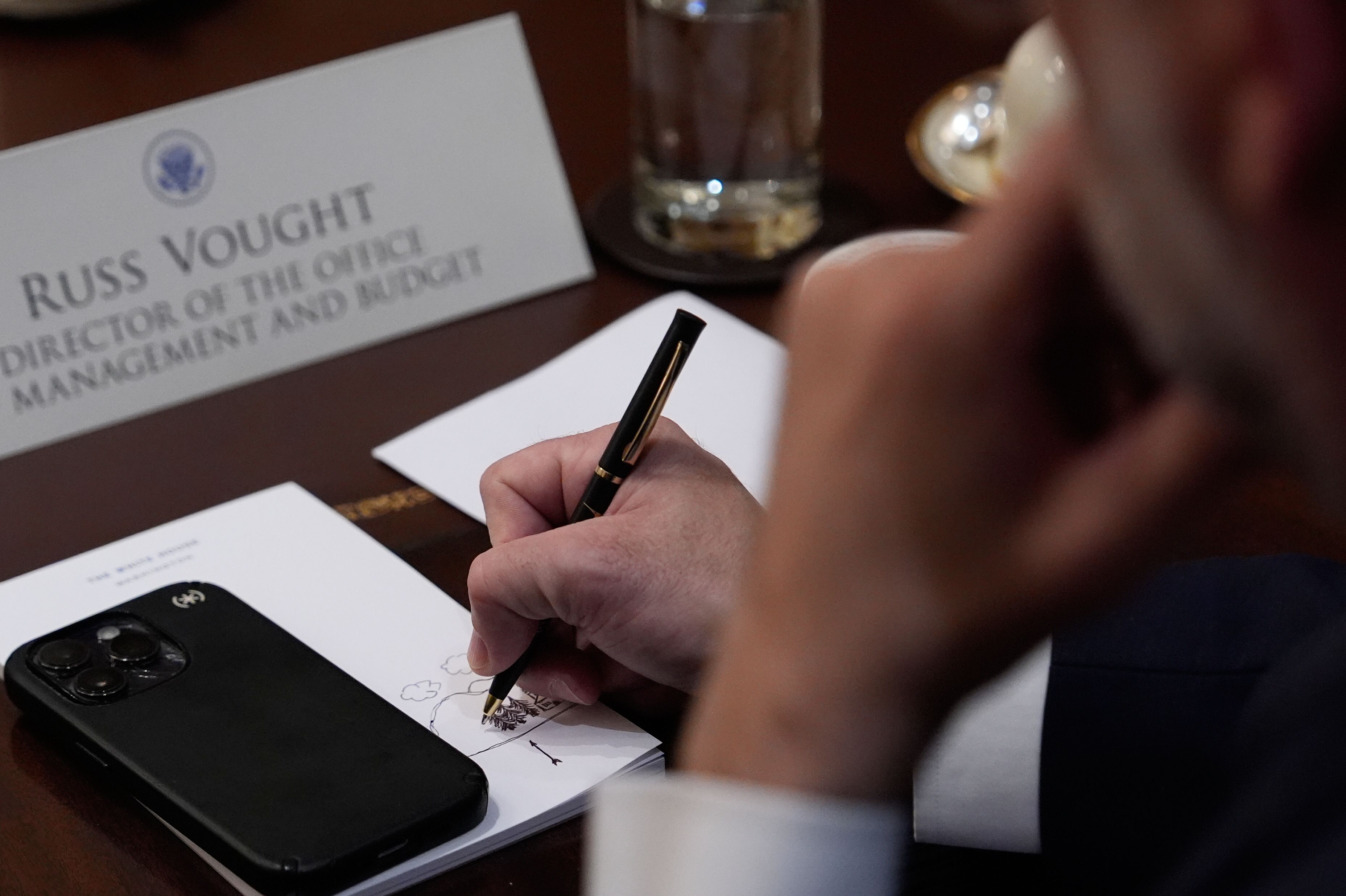
Russ Vought, director of the Office of Management and Budget, doodles during yesterday's marathon Cabinet meeting, which lasted more than two hours.
- He drew mountains framed by pine trees and topped by fluffy clouds.
5. 🎸 GOP hangs on in Tennessee
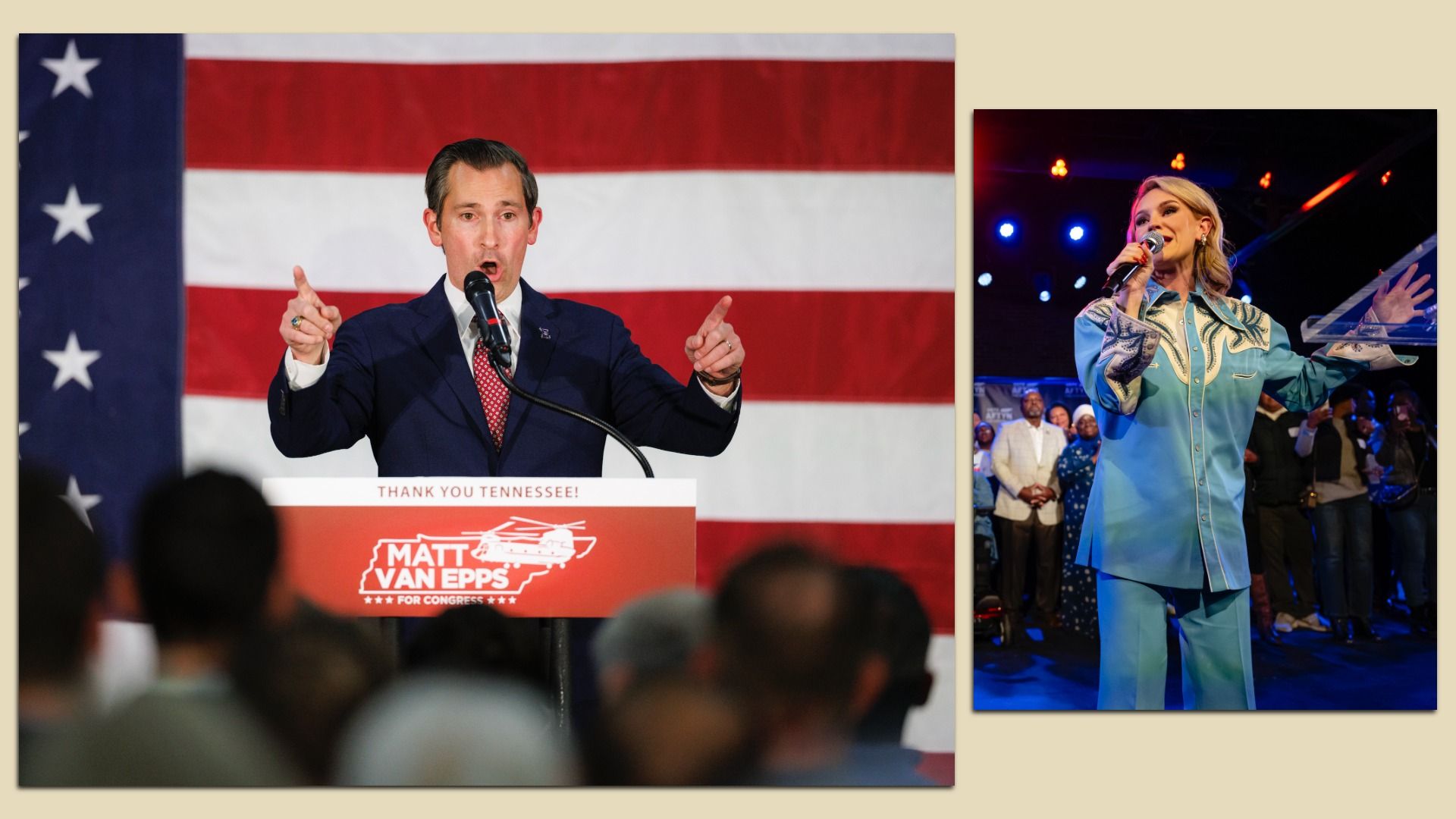
Republicans won Tennessee's hotly watched special U.S. House election last night. But the single-digit margin in a conservative district was the party's latest warning sign ahead of next year's midterms, Axios' Alex Isenstadt and Holly Otterbein write.
- In a district President Trump won by 22 points last year, Republican Matt Van Epps defeated Democrat Aftyn Behn by 9 points, 54% to 45%.
Four takeaways:
- A costly GOP win: Van Epps' victory pushes the Republican majority in the House to 220–214, but required a multimillion-dollar ad campaign to keep the seat former Rep. Mark Green (R) vacated.
- Hope, and regret, for progressives. Behn, who campaigned with Rep. Alexandria Ocasio-Cortez (D-N.Y.), was hit with attack ads highlighting past comments like calling herself "radical.'' The GOP bet that those controversial remarks would activate some of the district's MAGA base in an off-year election was proven right.
- Some moderate Democrats privately and publicly argued a more centrist candidate might have won — reflecting the party debate over whether to nominate "electable" moderates or progressives who energize young voters.
- The "Affordability" light keeps flashing red. Taxation was the most-mentioned ad topic by both sides, according to AdImpact data.
6. 🧪 Science funding squeeze


Trump administration policies have pushed the NIH and NSF to "make far fewer competitive awards" to fund medical and science research than in past years, according to a New York Times review of over 300,000 grants.
- Why it matters: Fewer grants means less research was funded "in areas such as aging, diabetes, strokes, cancer and mental health."
The NIH, the world's largest funder of biomedical research, has quietly started to pay more money upfront — meaning its research funds are divided into fewer projects, instead of a larger number of diversified scientific bets.
- Keep reading (gift link — no subscription required).
7. 📱 Teen phone crackdown goes global

French President Emmanuel Macron last week endorsed the idea of cellphone bans in high schools, becoming the latest world leader to back restrictions on teen tech and social media use, Sara Fischer writes in Axios Media Trends.
- Why it matters: Data continue to suggest a correlation between children's smartphone use and poor mental and physical health.
🌐 Zoom in: Australia this month will become the first major democratic nation to ban children under 16 from popular apps such as TikTok and Instagram.
- South Korea passed a measure earlier this year to ban cellphones in schools.
- Denmark's government announced plans to ban access to social media for minors under 15.
- Brazil will soon require children under 16 to link their social media accounts to a guardian who can impose restrictions.
- New Zealand's parliament banned cellphones in schools in 2024.
8. 🦝 1 fun thing: Trashed raccoon!

A masked bandit terrorized a Virginia liquor store over the weekend, smashing multiple bottles of bourbon before passing out drunk on the bathroom floor, Axios Richmond's Sabrina Moreno writes.
- Why it matters: The intoxicated suspect was a raccoon.
An animal protection officer about 20 minutes north of Richmond found the ransacker splooted out next to the toilet over the weekend.
- "After a few hours of sleep and zero signs of injury (other than maybe a hangover and poor life choices), he was safely released back to the wild," Hanover County Animal Protection said.
Share this story ... Get Axios Local: Newsletters — and animal stories! — in 34 cities.
📬 Thanks for reading! Please invite your friends to join AM.
Sign up for Axios AM