Axios AM

August 30, 2026

π§ Hello, Sunday! Smart Brevityβ’ count: 1,337 words ... 5 mins. Thanks to Erica Pandey for orchestrating. Edited by Donica Phifer.
β Situational awareness: The USS Abraham Lincoln sailed past Singapore today as it headed home from the Middle East after a record-setting deployment of 250+ days at sea. The aircraft carrier is expected to stop in Thailand for R&R before returning to its U.S. base. Get the latest.
1 big thing: Grocery apocalypse
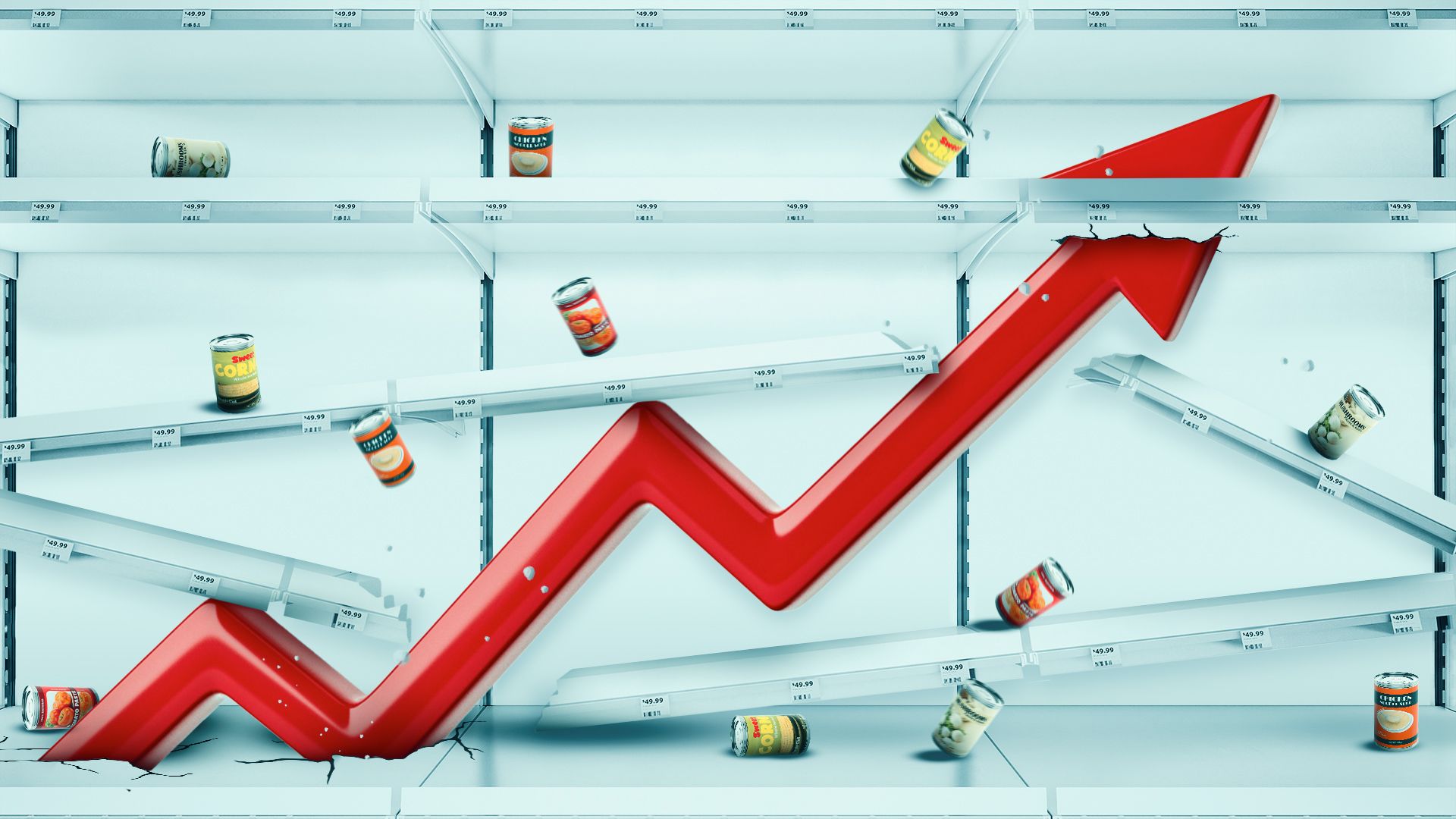
America's grocery squeeze has been felt most painfully in expensive categories like beef, coffee and chocolate.
- But new forces are pushing up food prices across the board: expensive grain, soaring fertilizer and fuel prices, plus unpredictable weather and raging wars, Axios' Erica Pandey writes.
Why it matters: The next grocery price shock could hit much harder β and wider. And midterms are 65 days away.
π The big picture: Your grocery store is fed by a vast global supply chain, and pressures are building all along it.
- The Iran and Russia-Ukraine wars have driven up diesel prices, making it more expensive to operate harvesting equipment and to truck food from suppliers to stores.
- The Iran war has disrupted fertilizer supplies and prices, since a large share of the world's fertilizer passes through the Strait of Hormuz.
- This past week, corn and wheat prices hit their highest level in three years. Bad weather has hit corn crop yields, and the Russia-Ukraine war has roiled wheat exports.
πΎ Friction point: Wheat's a key ingredient in pantry staples, and corn is a major animal feed. So as they go up, so can meat, dairy and eggs.
The intrigue: Don't assume those soaring commodity prices are a bonanza for farmers, either.
- They're still getting squeezed by all the other crises. Even the president of the National Corn Growers Association told Axios Future of Energy author Ben Geman that he himself wouldn't be profitable this year.
π₯© Add all these pressures to the list of already inflated food items:
- Instant coffee is up 15.8% year-over-year; tomatoes, 12.8%; beef roasts, 13.5%; apples, 11.1%.
- In the latest Economist/YouGov poll, about three-quarters of people said grocery prices are still rising where they live.
Threat level: There's reason to believe it's only going to get worse.
- J.P. Morgan analysts warned in a report this month that global food inflation would hit 5% in the first half of 2027, nearly doubling this year's rate.
- "Price pressures are expected to extend through [the first half of 2027], as crop and price effects are still building and agricultural impacts lag the oceanic peak by 6 to 12 months," they wrote.
The bottom line: These forces don't drive up your grocery budget overnight. But compounding strains on the cost of growing, harvesting and transporting food could make an already expensive grocery run even more expensive.
2. ποΈ Data centers get blue-collar backing

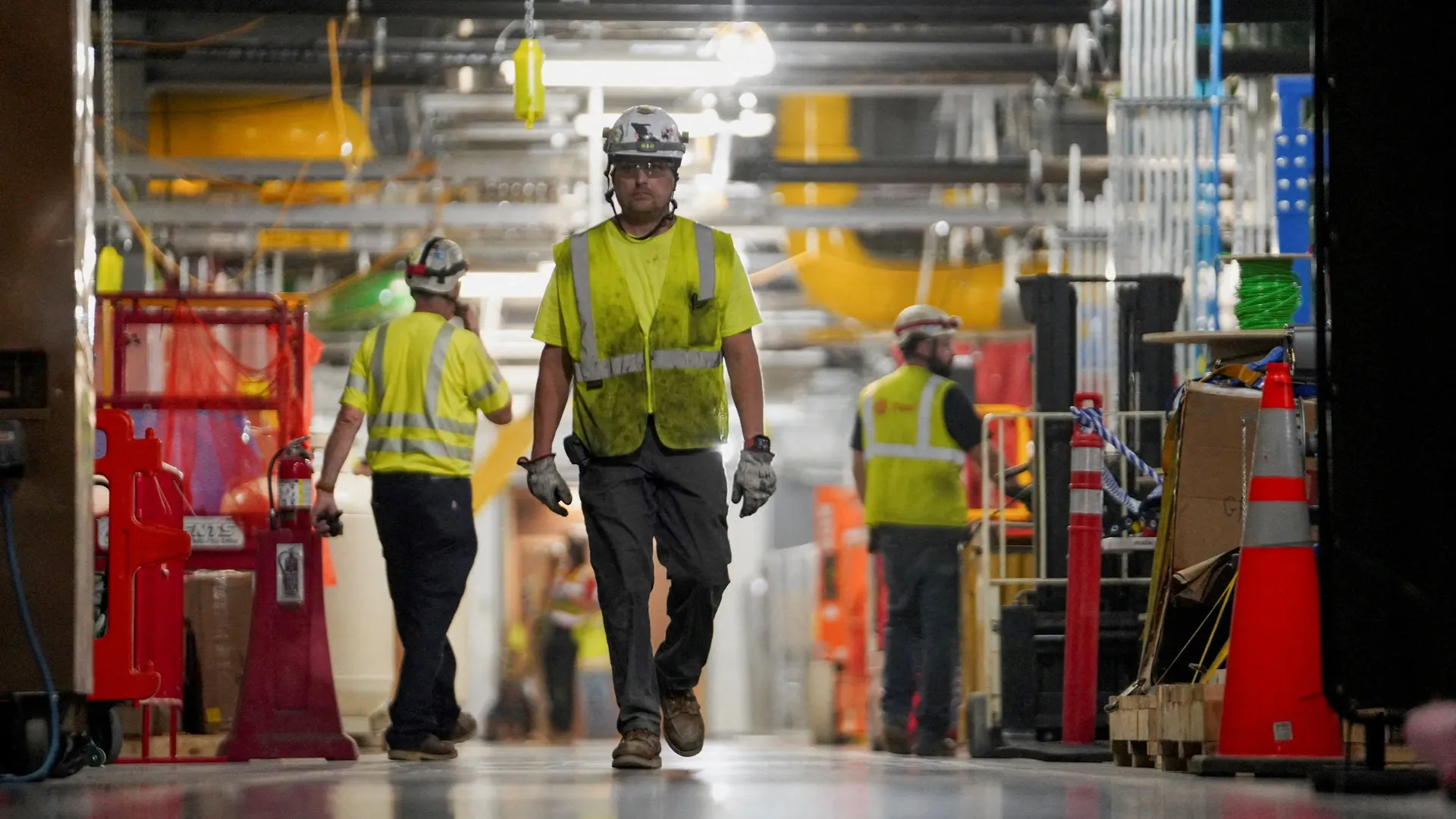
Top tech officials tell me they're optimistic that construction jobs, with powerful building-trades unions as boosters, could help turn the tide on data-center toxicity:
- "Call it the backlash to the backlash," The Wall Street Journal reports. "Unions and construction trade groups are ... warning that [midterm-driven moratoria, approval slowdowns and new restrictions] endanger thousands of building-related jobs. They are threatening to withhold support [from] candidates opposing the data-center projects."
Steamfitters UA Local 602, whose members β including journeymen, apprentices and helpers β install mechanical piping systems throughout the greater D.C. area, said it's drawing a "clear line" and won't support politicians who oppose data centers, The Journal reports.
- "This is an existential moment for Local 602," the union said in a memo to members.
Unionized electricians are attending planning commission meetings to speak up for data-center construction.
- In the Kansas governor's race, a union representing HVAC and railroad workers broke from decades of precedent to endorse Republican state Sen. Ty Masterson over Democratic state Sen. Cindy Holscher, who has called for a moratorium on new data centers.
Read the story, "Blue-Collar Jobs Are the New Flashpoint in Data-Center Fight" (gift link).
3. π΅ Music giants sue Anthropic
Some of the world's largest music publishers sued Anthropic late Friday night, alleging "one of the largest and most blatant ongoing thefts of intellectual property in history."
- Why it matters: The suit is the opening salvo in what is now likely to be a yearslong fight over music, AI and how intellectual property is protected in a new era of technology, Axios' Ben Berkowitz writes.
βοΈ Driving the news: Units of Sony Music and Warner Music filed the suit in federal court in Northern California, naming Anthropic, CEO Dario Amodei and co-founder Benjamin Mann as defendants.
The big picture: The Sony/Warner lawsuit is notable because it's so broad.
- It alleges Anthropic unlawfully trained its models on "tens of thousands" of music publishers' copyrighted compositions, whereas other lawsuits have focused on a narrower catalog.
Anthropic said: "We disagree with the publishers' claims and we intend to defend ourselves robustly in court."
4. βοΈ Record tick summer
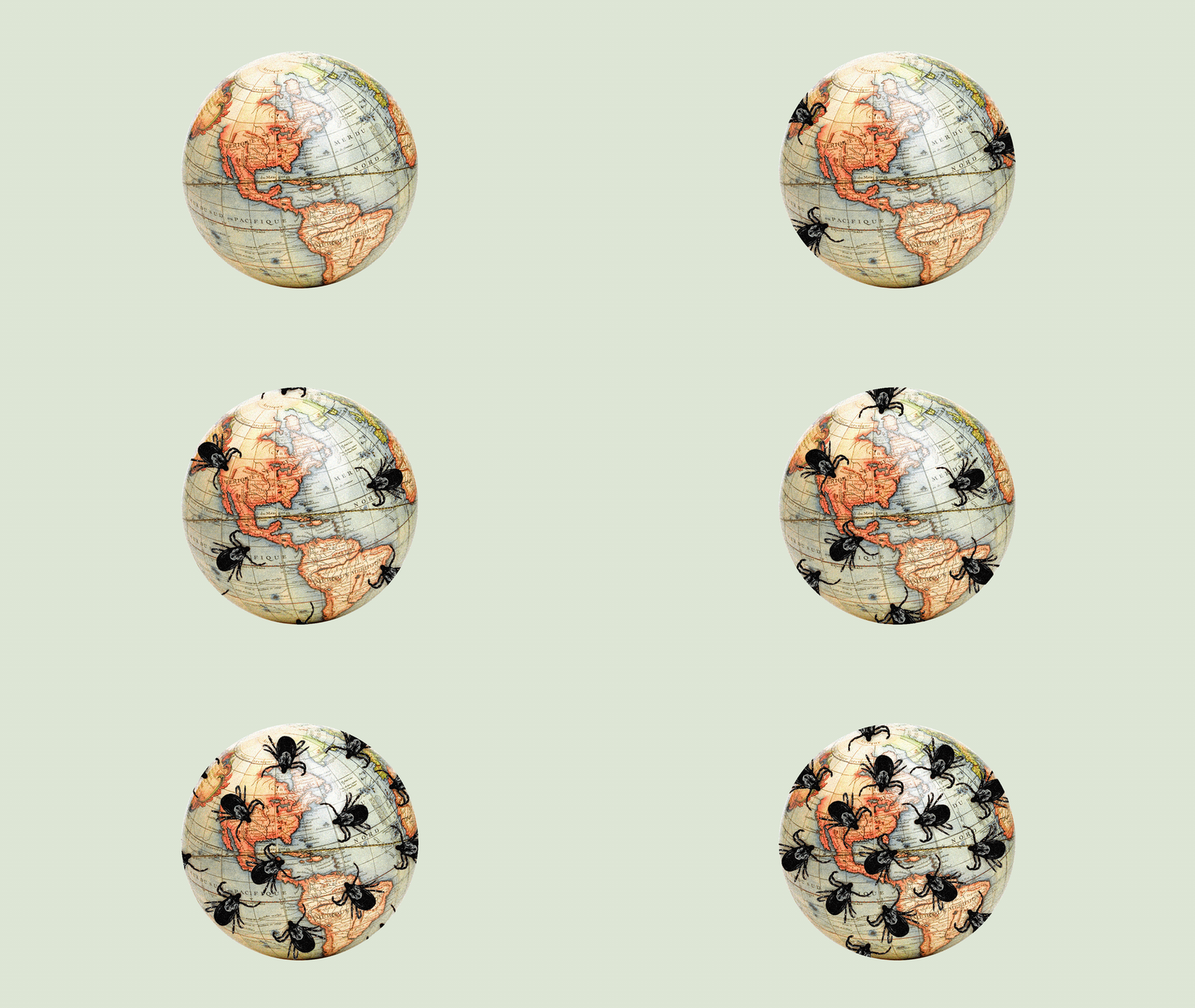
This year's tick season has been a doozy β and another peak is coming in the fall, Axios' Carly Mallenbaum reports.
- Why it matters: Tick bites can pose serious health risks, transmitting pathogens that cause illnesses including Lyme disease and triggering alpha-gal syndrome, an allergy to red meat.
π₯ By the numbers: August has had the highest rate of emergency department visits for tick bites since the CDC's tracker began in 2017, a major year for ticks.
- That comes after a record-breaking April.
5. π SpaceX launches NASA telescope

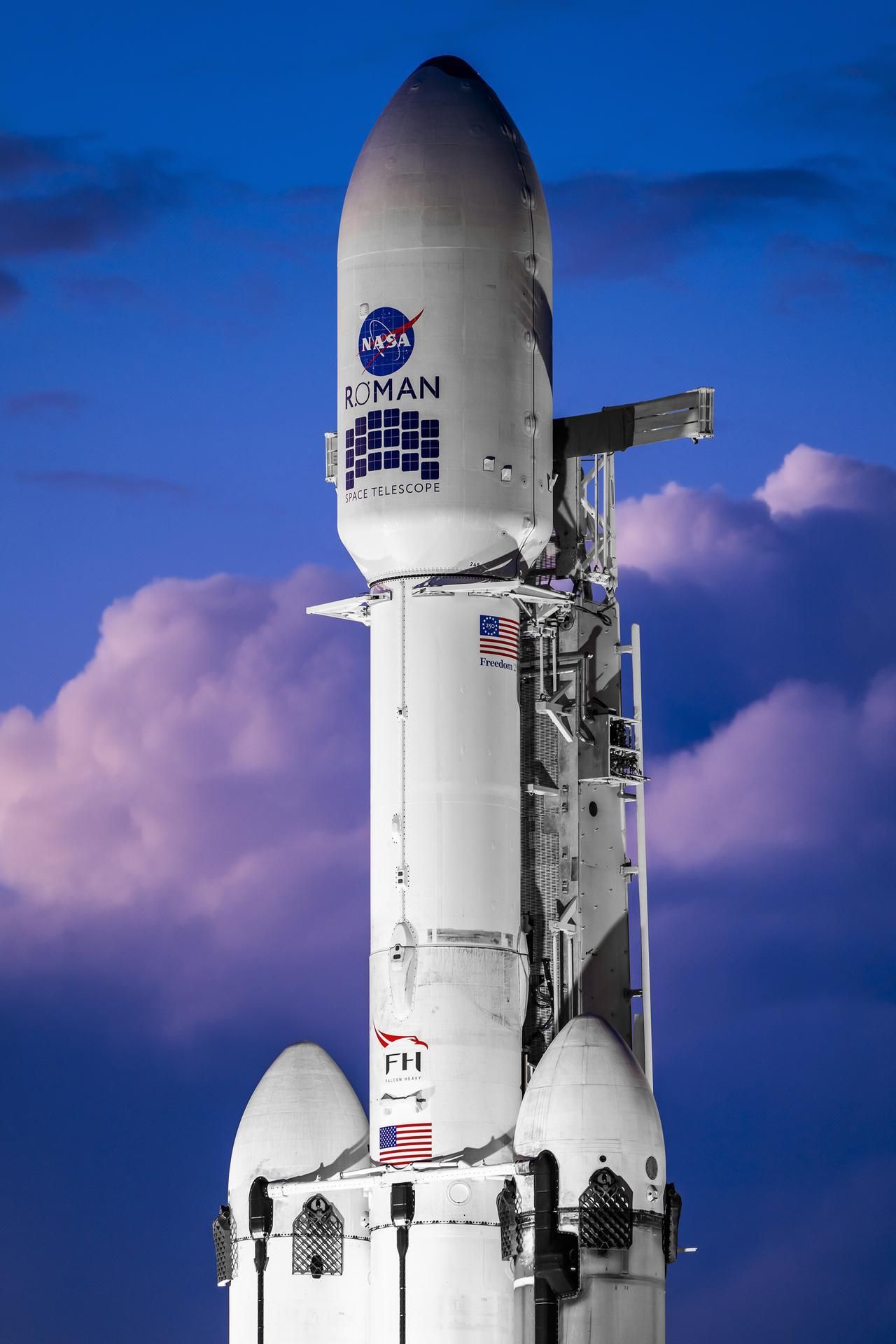
SpaceX launched NASA's Nancy Grace Roman Space Telescope into space from Cape Canaveral, Fla., this morning.
- Named after NASA's first woman executive and first chief of astronomy, the telescope will study cosmic mysteries like dark matter and dark energy and hunt for planets beyond our solar system. Reuters reports.
The money quote: "It will be β as if Hubble and James Webb kind of peered through a keyhole at the universe, while Nancy Grace Roman will kick the door down," Nicola Fox, chief of NASA's Science Mission Directorate, told reporters.
6. π CIA chief floats trilateral summit

CIA Director John Ratcliffe proposed a trilateral meeting between President Trump, Russian President Putin and Ukrainian President Zelensky during his covert trip to Moscow this past week, Axios' Barak Ravid scoops.
- Why it matters: This was the first time Ratcliffe got personally involved in the diplomatic push to broker a breakthrough between Russia and Ukraine. The Trump administration has raised the idea of a trilateral summit before. Zelensky has been on board, but Putin has rejected it.
β‘ Driving the news: Ratcliffe made a covert trip to Moscow on Tuesday and met with his Russian counterparts β SVR foreign intelligence chief Sergey Naryshkin and FSB director Alexander Bortnikov.
- The New York Times reports that Ratcliffe gave Bortnikov "a bleak assessment" of the state of the war and urged Russia to cut a deal before its situation worsens.
What we're watching: Sources told Axios that Ratcliffe concluded that Bortnikov is a constructive player who could help restart diplomatic efforts.
- Ukrainian officials are highly skeptical about Putin's intentions, and say they have intelligence that suggests Putin is planning a major escalation of the war.
7. π¦ Dolly gets her due

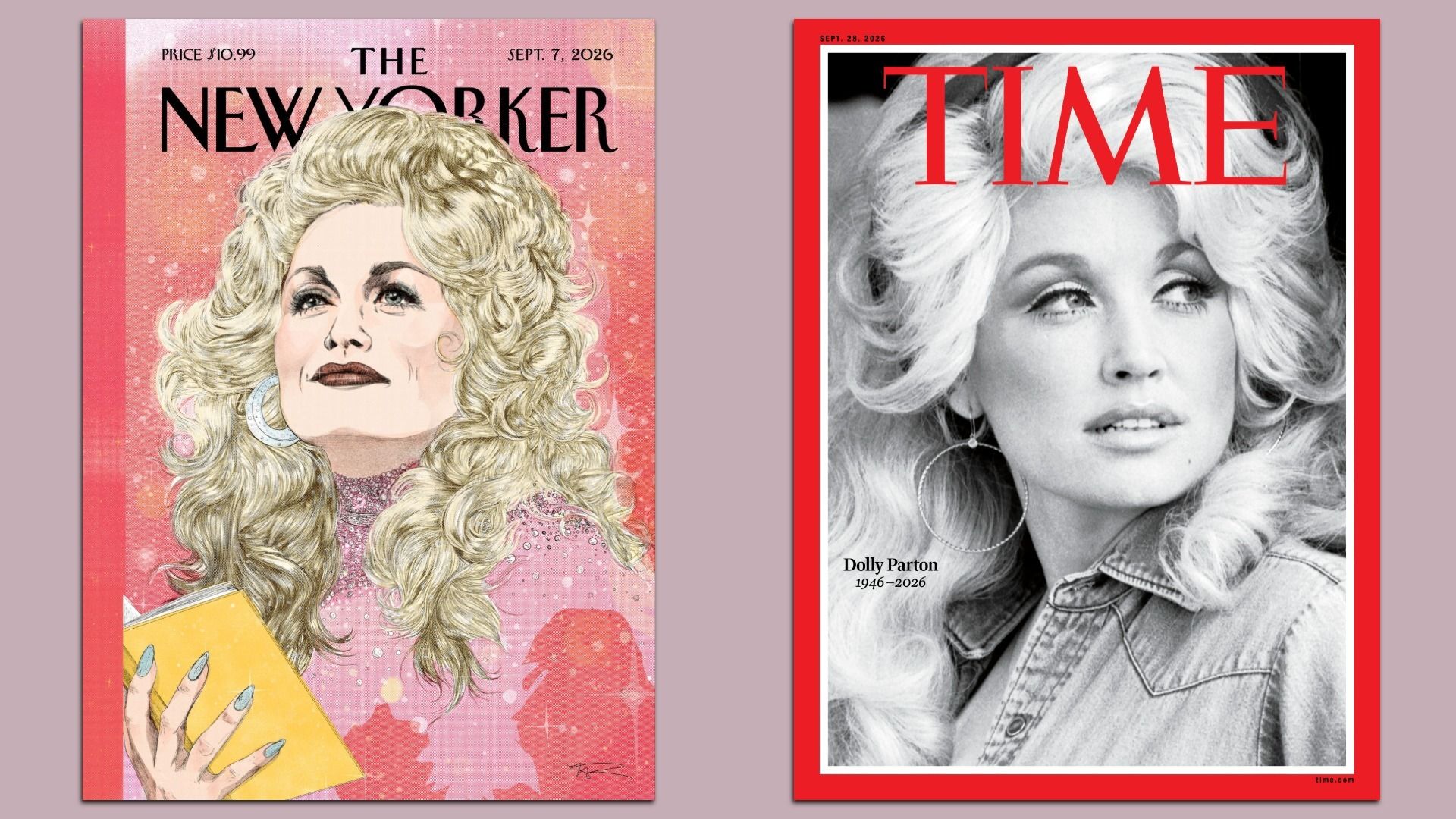
"Pure Gold" β by illustrator Nicole Rifkin, who's also a musician β is the title of the Dolly Parton tribute cover for The New Yorker's new issue, out tomorrow.
- "I admire not only her and her music but also her generosity," Rifkin said. "She touched the lives of millions of kids with her Imagination Library."
TIME's Dolly tribute (above right) goes on sale Sept. 18.
- Go deeper: More New Yorker covers about musicians.
8. β 1 fun thing: Yemeni coffee takeover

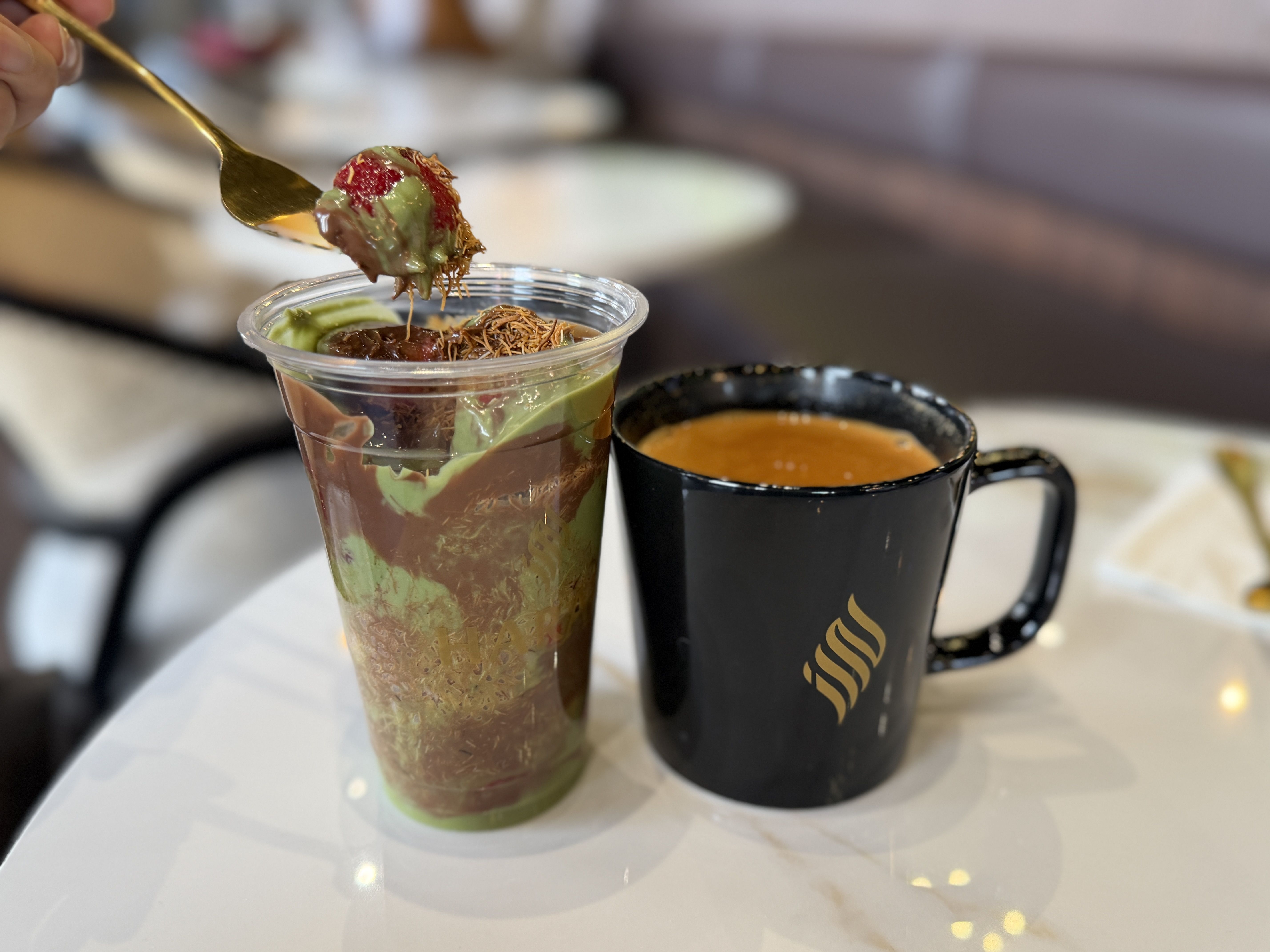
Yemeni-American coffee chains have percolated out from suburban Detroit to the Midwest and the rest of the country. Most operate in suburbs with strong Muslim and Arab populations, Axios Chicago's Monica Eng writes.
- Last year, the number of Yemeni-American coffee shops increased by 50%, making them the fastest-growing coffee sector in the nation, according to Technomic.
πΎπͺ Why Yemen? The Middle Eastern country is considered the birthplace of coffee and still supports small growers, many of whom export coffee to relatives who run U.S. cafes.
- Read on ... Get Axios Local, now in 43 cities.
π¬ Thanks for reading! Please invite your friends to join AM.
Sign up for Axios AM