Axios AM

January 30, 2024

1 big thing — Behind the Curtain: A new political force
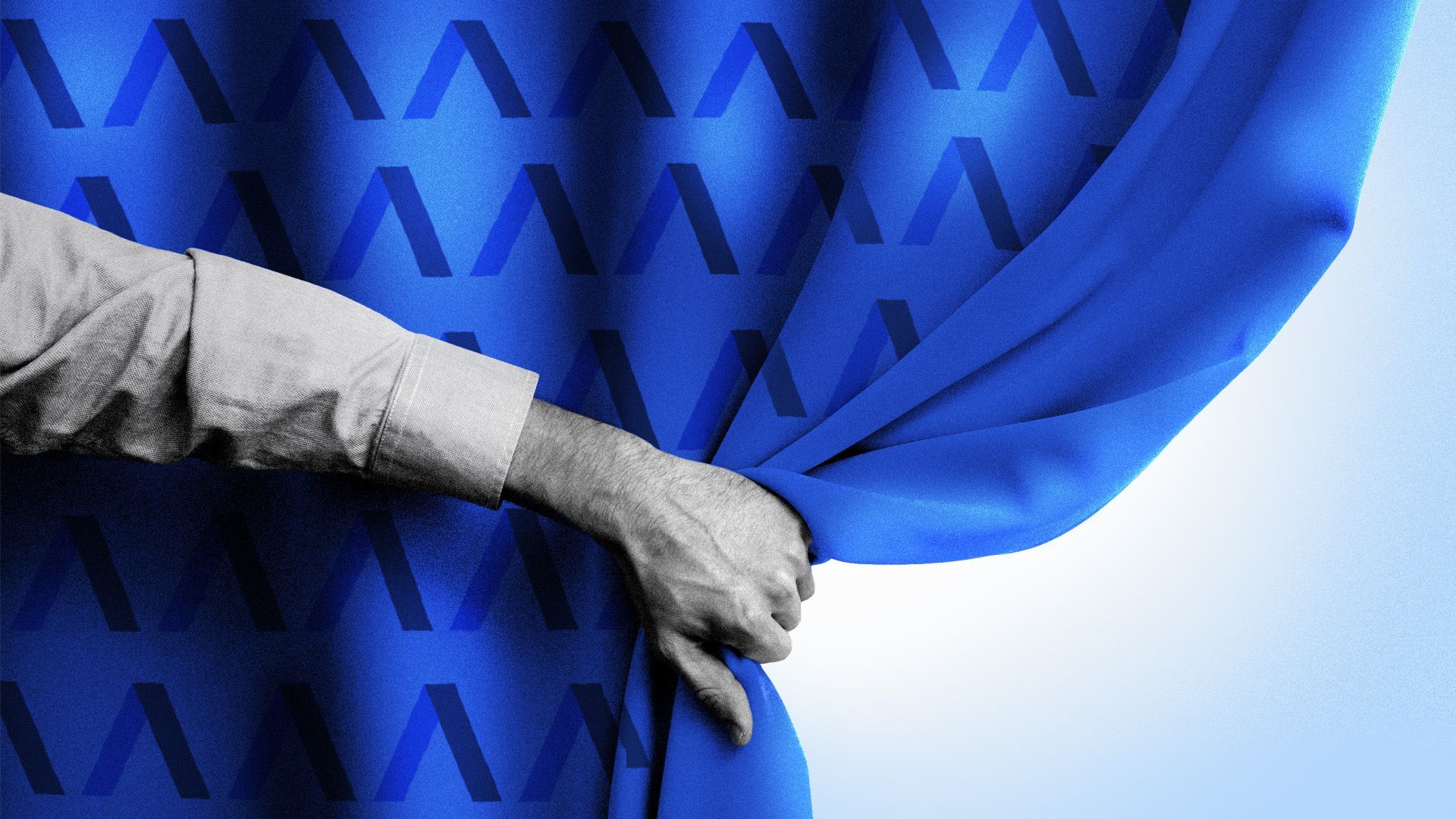
Illustration: Sarah Grillo/Axios
A new, powerful, well-funded political movement is rising fast in America: the techno-optimists, Jim VandeHei and Mike Allen write.
- Why it matters: This group — mostly rich, white, middle-aged men with tech jobs, companies or investment funds — is building impressive, if unorganized, political muscle through social media, podcasts, new journalism projects, and political donations and activism.
🔎 Between the lines: Techno-optimism is an imperfect name for the movement. But it captures an animating spirit of an emerging ideology.
- It's a general philosophy, not a political party — though some of the billionaire tech investors funding and fueling it talk privately of one day soon starting one.
- An actual political party is probably fantasy: The egos are enormous, interests diverse and attention spans short.
What's happening: For now, think of it as a loose affiliation of very powerful people with big followings who share platforms, ideas, styles and beliefs.
- These moguls have a social media platform: Elon Musk's X. The site has shifted from a hotbed for mainstream media groupthink in 2020, to a hotbed of tech/anti-establishment groupthink for this election. They high-five each other with retweets and X-only interviews.
- They have a fairly common ideology: unfettered free speech, pro-artificial intelligence, anti-mainstream media, and deep skepticism of DEI, political correctness and elite consensus.
- They have provocative philosophical manifestos, most notably investor Marc Andreessen's "The Techno-Optimist Manifesto," which declares: "Technology is the glory of human ambition and achievement, the spearhead of progress, and the realization of our potential."
- They have a growing media ecosystem that operates online and gets heavy engagement on X. These writers — including Matt Taibbi, Bari Weiss and Glenn Greenwald — often promote each other and get boosts on big-audience podcasts such as Joe Rogan's.
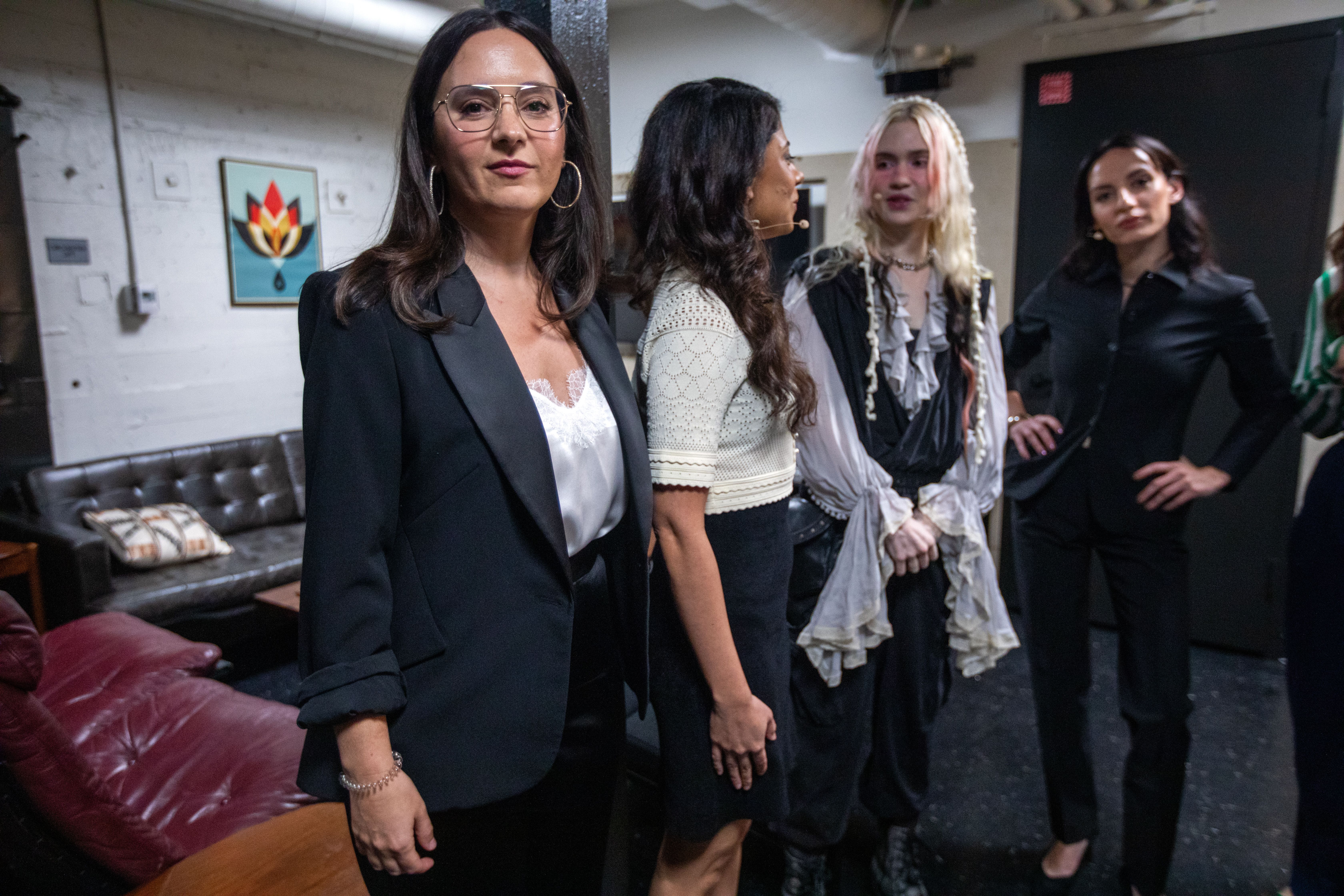
Weiss, founder of The Free Press, told us her company is growing by treating listeners, viewers and readers "like adults who can handle complexity," and by taking a posture on tech that's "more curiosity than knee-jerk criticism."
- "We articulate the things that people talk about in private but are hesitant to openly discuss or debate in public," said Weiss, who's based in California.
- "We give people language to describe things that they are noticing and are maybe wary of, but don't yet have the vocabulary to explain or articulate."
Kara Swisher — who'll be out Feb. 27 with "Burn Book," a memoir that's tough on Silicon Valley — is critical of this crowd and their taunting tactics. She chalks it up to billionaire boredom and the need to be relevant:
- "It's a false dichotomy — an if-you-are-not-with-us-you-are-against-us argument by someone who cannot think clearly anymore. You can be bullish on many new innovations and still be worried about its implications."
But the tech bros' combined influence on politics is real — and growing.
- You saw it when Ron DeSantis chose to announce his campaign not on Fox News, but on X (where he suffered a glitch-tastrophe). And he did it in an interview with David Sacks, a tech investor and co-star of the widely downloaded "All-In Podcast." Sacks has grown increasingly political on X and his podcast.
- He's far from alone. Musk, Andreessen, Ben Horowitz, Bill Ackman and many other techno-optimist allies are inserting themselves into the politics of everything.
Horowitz, co-founder and general partner at Andreessen Horowitz, announced in a December blog post that partners at the venture capital firm will for the first time give money to support candidates who "align with our vision and values specifically for technology."
- Horowitz told us AI will revolutionize warfare, financial systems and consumers' daily lives. So tech — beyond the behemoths of Microsoft, Google, et al. — needs clout.
- But "nobody represents 'little tech,'" he said: "[T]he regulation of things like AI and crypto may seem small, but getting them right is actually existential for our nation."
🔮 What's next: If the techno-optimists have a presidential candidate, it's RFK Jr.. But if they decide a third-party candidate isn't viable, they seem much more likely to turn to former President Trump than President Biden.
- They're universally proud free-market capitalists who find Biden, 81, too old and too approving of thought- and word-policing.
The bottom line: It's not clear how many votes they can move. But tens of millions of Americans — especially white men outside of big cities — listen to, read or follow them.
2. 🎖️ America's fallen

Three Army reservists — all from Georgia — were identified as the soldiers who died in a weekend drone strike on a base in Jordan that also wounded more than 40 others:
- Sgt. William Jerome Rivers, 46.
- Spc. Kennedy Ladon Sanders, 24.
- Spc. Breonna Alexsondria Moffett, 23.
What we're learning: U.S. forces may have mistaken an enemy drone for an American one and let it pass unchallenged onto the base — known as Tower 22, AP's Lolita Baldor, Aamer Madhani and Zeke Miller write.
- One of the trailers where troops slept sustained the brunt of the strike. Surrounding trailers received limited damage from the blast and flying debris.
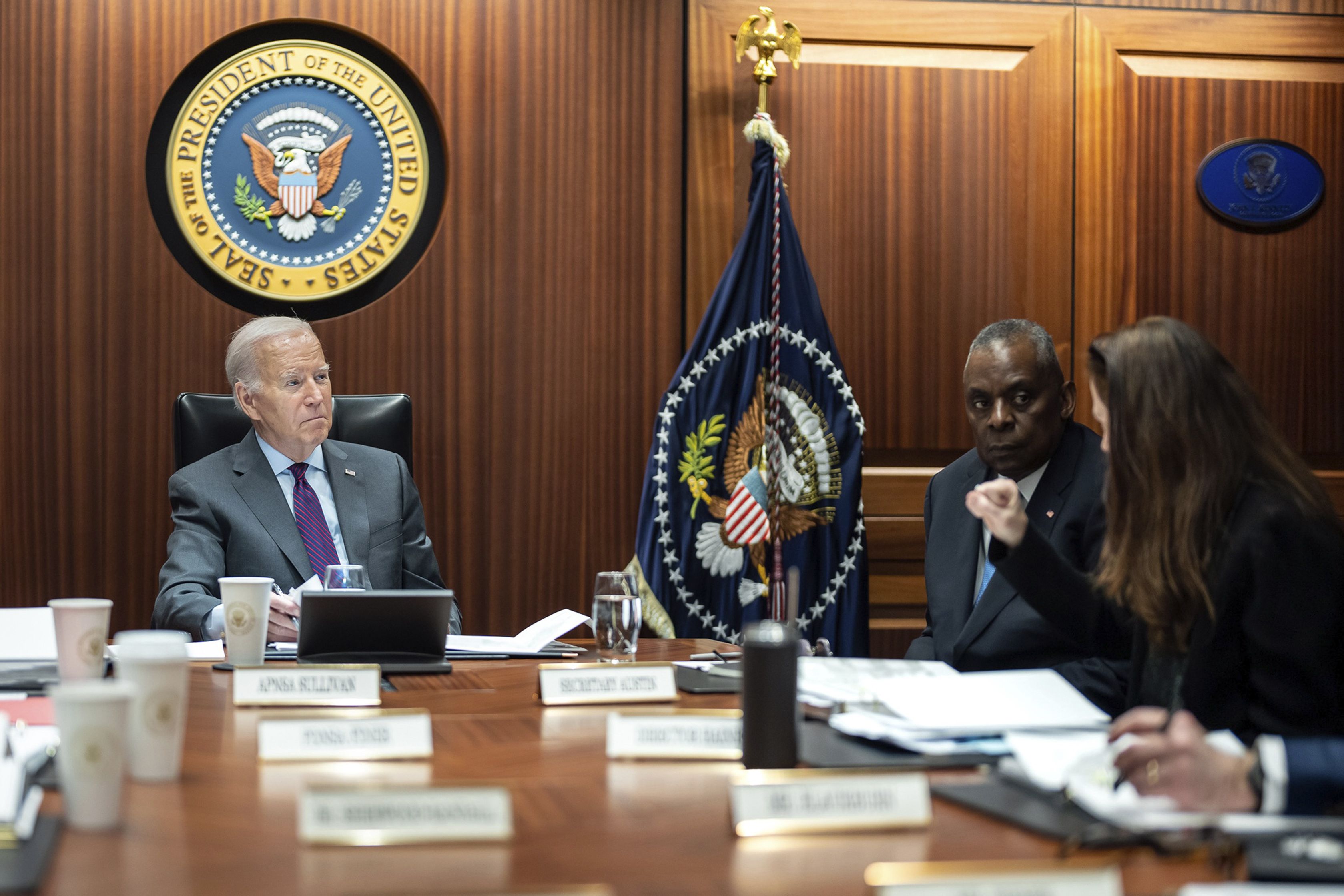
What we're watching: The attack has Congress clashing fiercely over the degree of American involvement in a growing conflict in the Middle East, Axios' Andrew Solender writes.
- The Biden administration has said a response is coming — and lawmakers are trying to shape what it looks like and whether it draws the U.S. fully into a regional war.
3. 👀 Biden embraces T-word
Illustration: Sarah Grillo/Axios
4. 🧠 Musk claims brain breakthrough
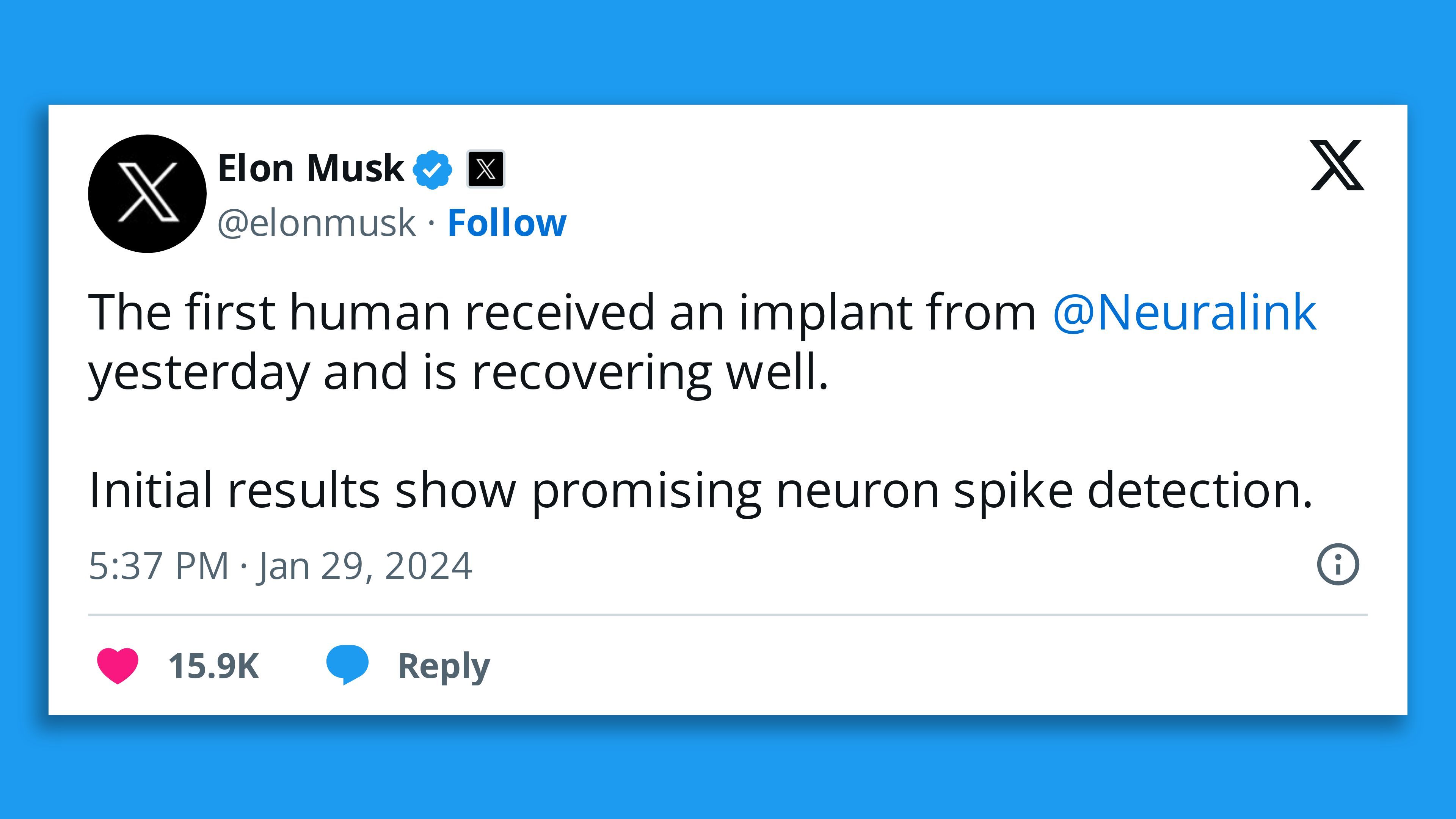
Elon Musk tweeted last night that his brain implant startup Neuralink completed its first operation on a human.
- Musk — who didn't disclose details about the patient — wrote that they are "recovering well."
He said the device — Telepathy — "enables control of your phone or computer, and through them almost any device, just by thinking."
5. 🧐 USA mood: Feeling bad — but better
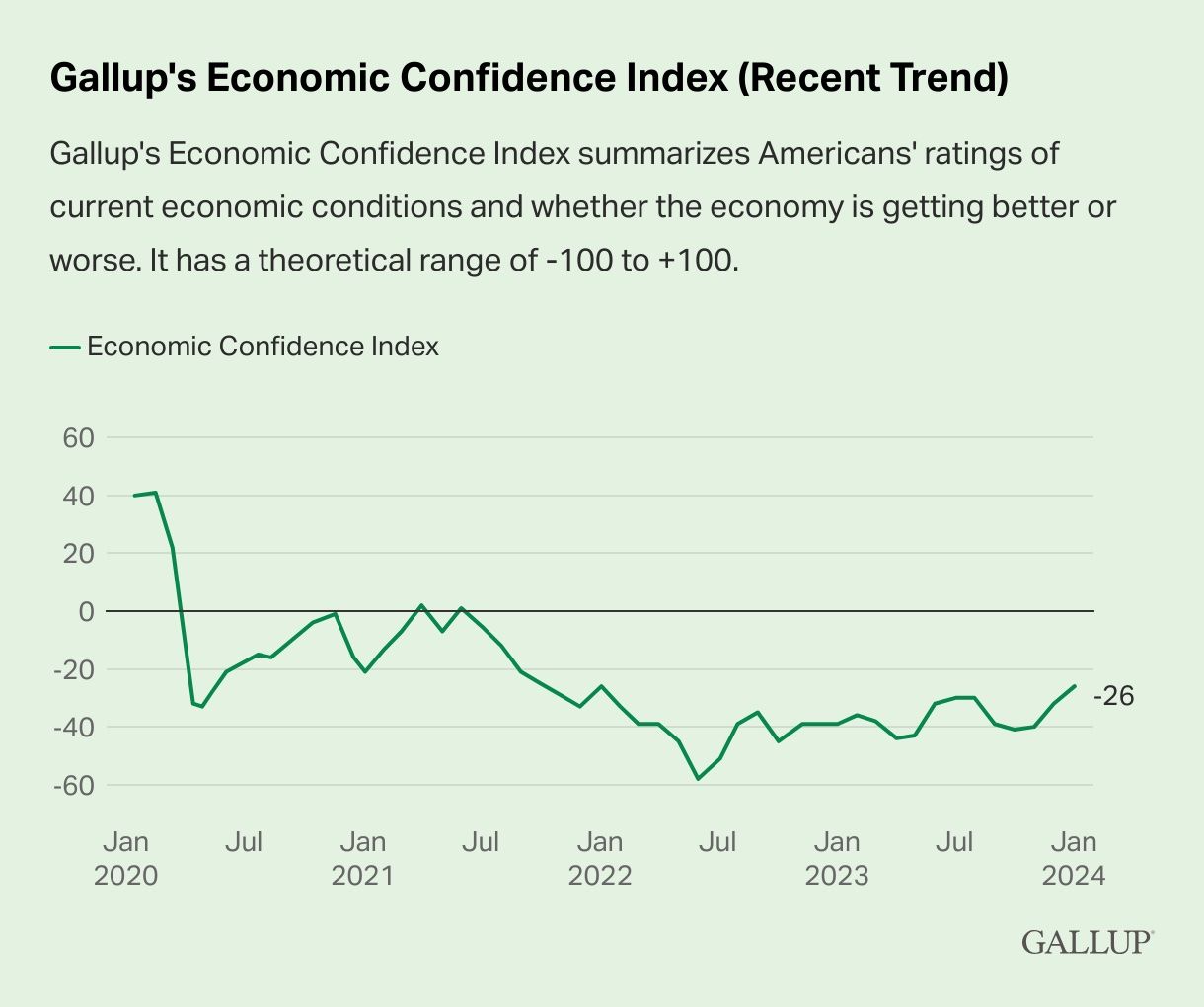
New this morning: Gallup says its Economic Confidence Index has improved each of the past two months to its highest point in two years.
- Why it matters: Our readers in the White House and at Biden HQ in Wilmington, Del., will definitely take it — but can hold the high fives.
The catch: The index is still negative, since "a steady majority of Americans continue to say recent price increases have created financial hardship for them," Gallup notes.
6. ⚠️ First look: Bolton's new Trump warning
Photo illustration: Sarah Grillo/Axios. Photo: Justin Sullivan/Getty Images
7. 🇨🇳 China's shadow diplomats

Illustration: Aïda Amer/Axios
8. 🍺 1 for the road: Upside-down beer

Your next beer glass might have a hole in the bottom, Axios' Jennifer A. Kingson writes.
- A new breed of beer dispenser fills cups from the bottom, injecting the liquid to the right level automatically and leaving bartenders free for other tasks.
How it works: The glass has a hole in the bottom with a metal ring that's sealed with a magnet — a round disc that looks like a poker chip.
- When the cup is clicked into place atop a "kegerator" — a refrigerated keg — the magnet is lifted and beer starts to flow upward, filling a typical pint in six seconds.
Keep reading ... See a pour.
Axios AM
Catch up with the most important news of the day