Axios AM

March 07, 2026

1 big thing: Trump's risky business

President Trump is mired in risk, Axios' Zachary Basu writes:
- Risk his Iran war of choice goes bad.
- Risk the February job losses are a trend, not a blip.
- Risk the stock market keeps dropping.
- Risk his tariffs, and now soaring oil costs, are pushing prices higher.
- Risk that deregulated AI accelerates job losses.
- Risk that Democratic enthusiasm leads to a midterm wipeout.
Why it matters: Trump fancies himself a high-risk, high-reward president, a confidence cheered by the vast majority of Republican officials and voters. But risk is risk — and by most measures, it's rising everywhere.
By the numbers: Early polling on the Iran war suggests there may be little or no reward to be had, particularly with the swing voters Trump has lost over affordability concerns.
- Pollster G. Elliott Morris took an average of high-quality surveys and found just 38% of Americans support U.S. military strikes in Iran — lower than retrospective support for the war in Iraq in 2014.
- Most Republicans support the war. But no broader rally-around-the-flag effect has materialized.
Zoom in: For years, Trump, Vice President Vance and the broader MAGA movement argued that war with Iran would be catastrophic — too costly, too risky, too likely to spiral.
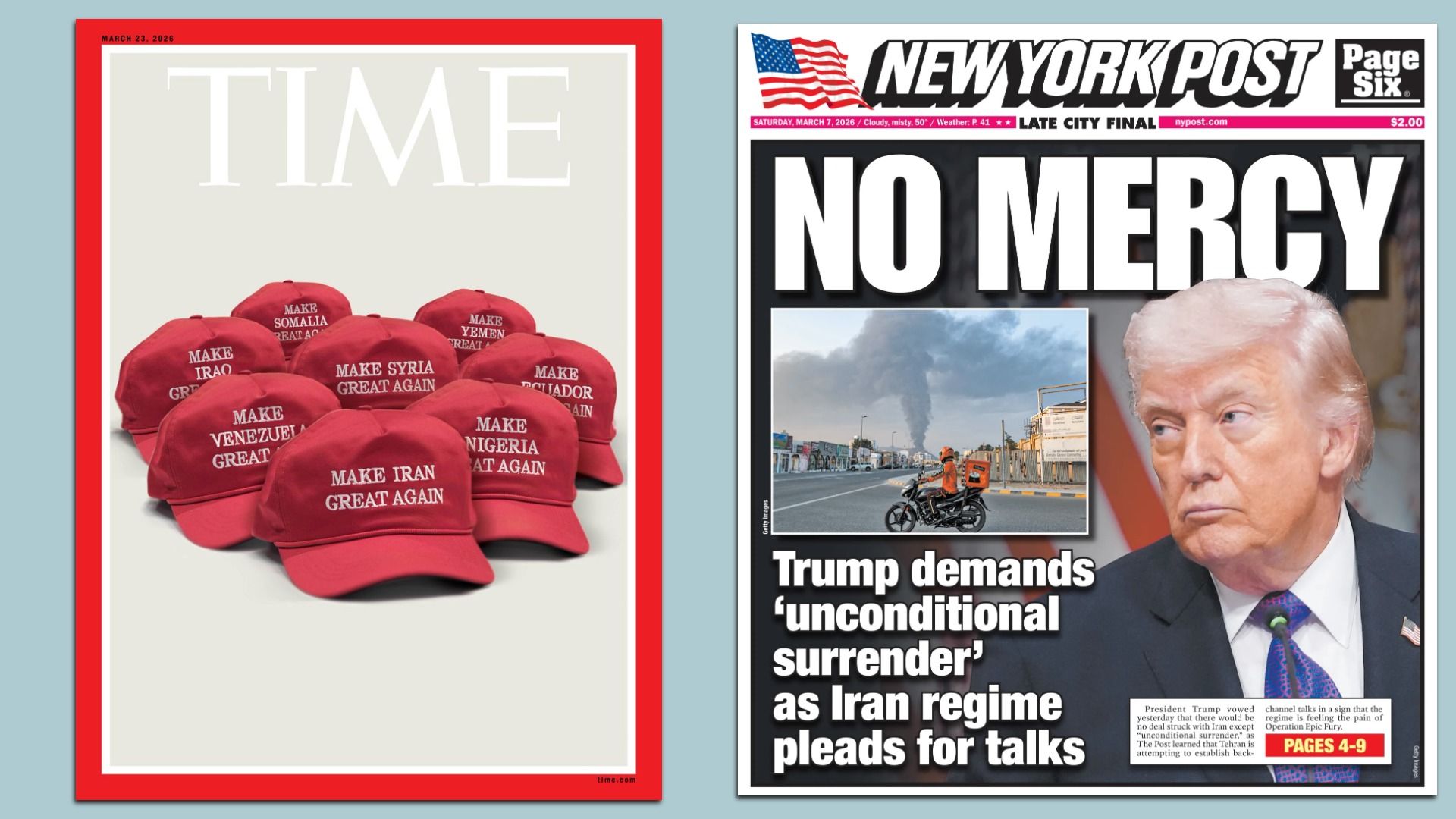
- Six U.S. service members have died since the opening strikes. Trump told TIME when asked whether Americans should be worried about retaliatory attacks at home: "I guess ... When you go to war, some people will die."
- The first 100 hours of the war alone are estimated to have cost $3.7 billion. Oil prices are up more than 25%, with the instability threatening Persian Gulf investments that Trump has made central to his economic vision.
📱 Trump told Axios he must be "involved" in selecting Iran's next leader — but also acknowledged the worst-case scenario: "We do this, and then somebody takes over who's as bad as the previous person."
The intrigue: Some Middle East experts, including hawkish Trump allies in Washington, believe the president is playing with fire by encouraging Kurdish militants to cross into Iran and fight the regime.
- The possibility of a brutal civil war — in an ethnically diverse country of 93 million — could tip Iran into the prolonged chaos that defined George W. Bush's legacy in Iraq.
- Trump, asked about polls showing most Americans oppose the war, told the New York Post he's not worried: "I think that the polling is very good, but I don't care about polling. I have to do the right thing."
Zoom out: Even before his attack on Iran rattled global markets, Trump was losing the argument on the economy — historically his strongest issue.
- New data show the economy shed 92,000 jobs in February — far worse than the 60,000-job gain economists expected, and the third time in five months the labor market has contracted.
- Surging oil prices threaten to reverse the genuine progress Trump has made on gas prices and inflation, with new risks to the kitchen-table costs at the core of voters' affordability concerns.
- His tariffs — sold as a path to cheaper goods and more American jobs — have so far delivered neither, with prices rising and manufacturing shedding jobs for 13 of the past 14 months.
Between the lines: The Trump administration has gone all-in on AI accelerationism, pressuring GOP state lawmakers to back off on safety regulations that could constrain the technology's explosive growth.
- This might be Trump's biggest bet of all: AI could supercharge the economy and cement his legacy as the president who unleashed the next industrial revolution.
- But most Americans are deeply skeptical and anxious, fearing AI could accelerate job displacement, hollow out the middle class and eventually threaten humanity itself.
White House deputy press secretary Kush Desai said in a statement to Axios: "The biggest risk America faces is backing down from President Trump's America First agenda and abandoning the president's push to secure our borders, mass deport criminal illegal aliens, safeguard our national security, and restore America as the most dynamic economy in the world."
- "The so-called 'experts' have repeatedly predicted doom and gloom since President Trump took office, and they have repeatedly been proven wrong. President Trump and his administration are laser-focused on continuing to deliver for the American people."
🔮 What to watch: Trump's biggest political risk is losing Congress in November, and watching his second term collapse into investigations, impeachment and legislative gridlock.
- The midterm environment is trending against Republicans across every early indicator — primary turnout, generic ballot polling and special election results.
The bottom line: A swift, clean victory in Iran could help stabilize Trump's numbers. A prolonged conflict — with casualties, spiking prices and no clear endgame — could turn a difficult midterm map into a wipeout.
- Share this story ... Go deeper: Trump's power play.
2. 👀 AI agent frees self, starts mining crypto
3. ☀️ Iraqi Kurds resist pressure to join Iran war
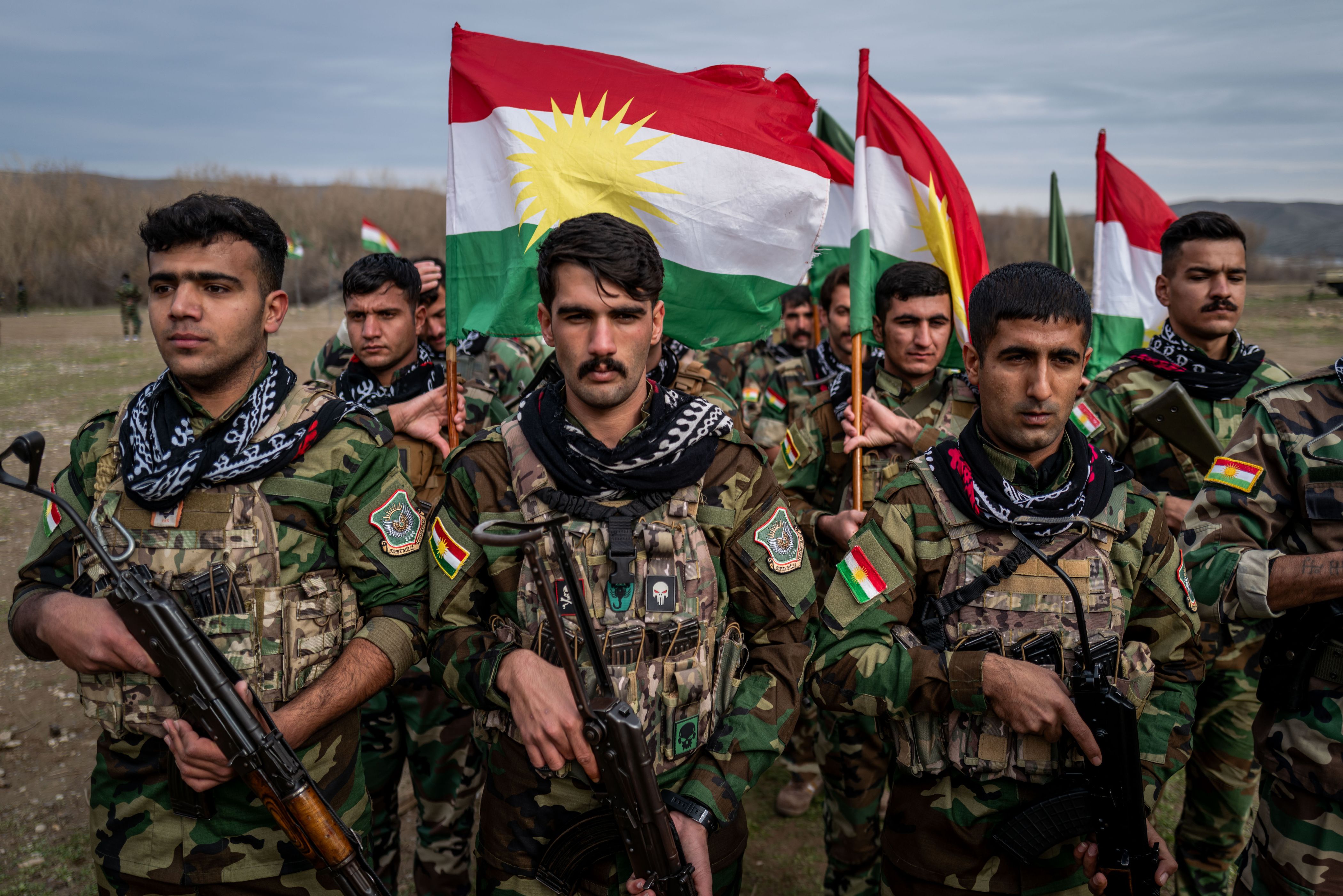
Iraq's Kurds are caught in a three-way vice in the cross-border Iran war, Axios' Barak Ravid and Marc Caputo write:
- They're uncertain, based on President Trump's messaging, whether the U.S. actually wants regime change next door.
- They're under pressure to open the border from Iranian Kurds who want to fight the regime.
- They're facing a public threat — backed by a private warning — that Iran will retaliate if those militants attack from Iraqi Kurdish soil.
Why it matters: The Kurds of northern Iraq have carved out a stable, semi-autonomous region in one of the world's most volatile neighborhoods. Now, the war next door is threatening to make their neutrality impossible to hold.
- "The Kurds must not be the tip of the spear in this conflict," a senior Kurdistan Regional Government (KRG) official told Axios.
📜 A Kurdish official told Axios: "The Iranians have thousands of years of built-up patience ... They know that in a couple of years, there might be a new president in the United States, and who knows what's going to happen in Israel. And their goal right now is to outlast this."
4. 🛢️ Crude awakening
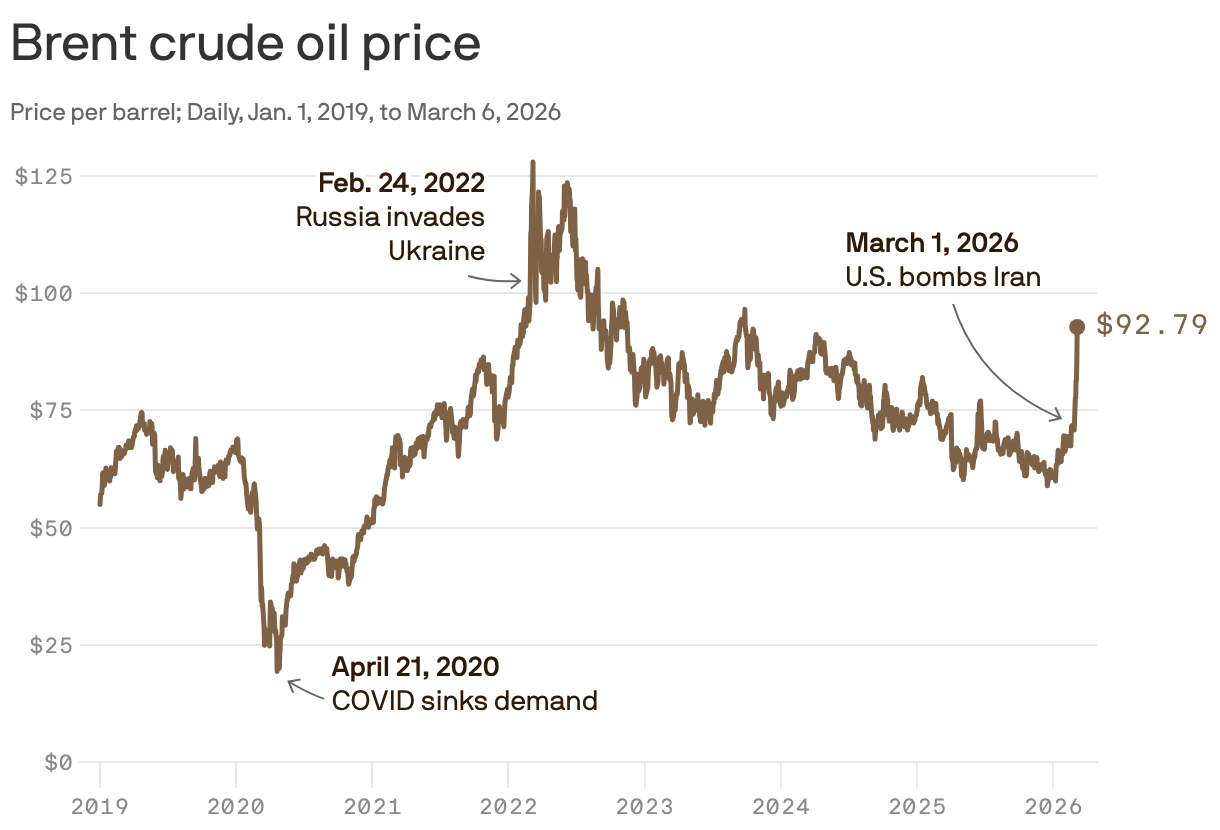
Oil and gas prices marched up again yesterday, even as Trump administration officials seek ways to get more barrels into the market, Axios' Ben Geman reports.
- ING analysts said in a note: "The only way for prices to come down on a sustained basis is a resumption of oil flows through the Strait of Hormuz."
Sign up here for Axios' Future of Energy newsletter.
5. 🇨🇳 China 5-year plan: All-in on AI
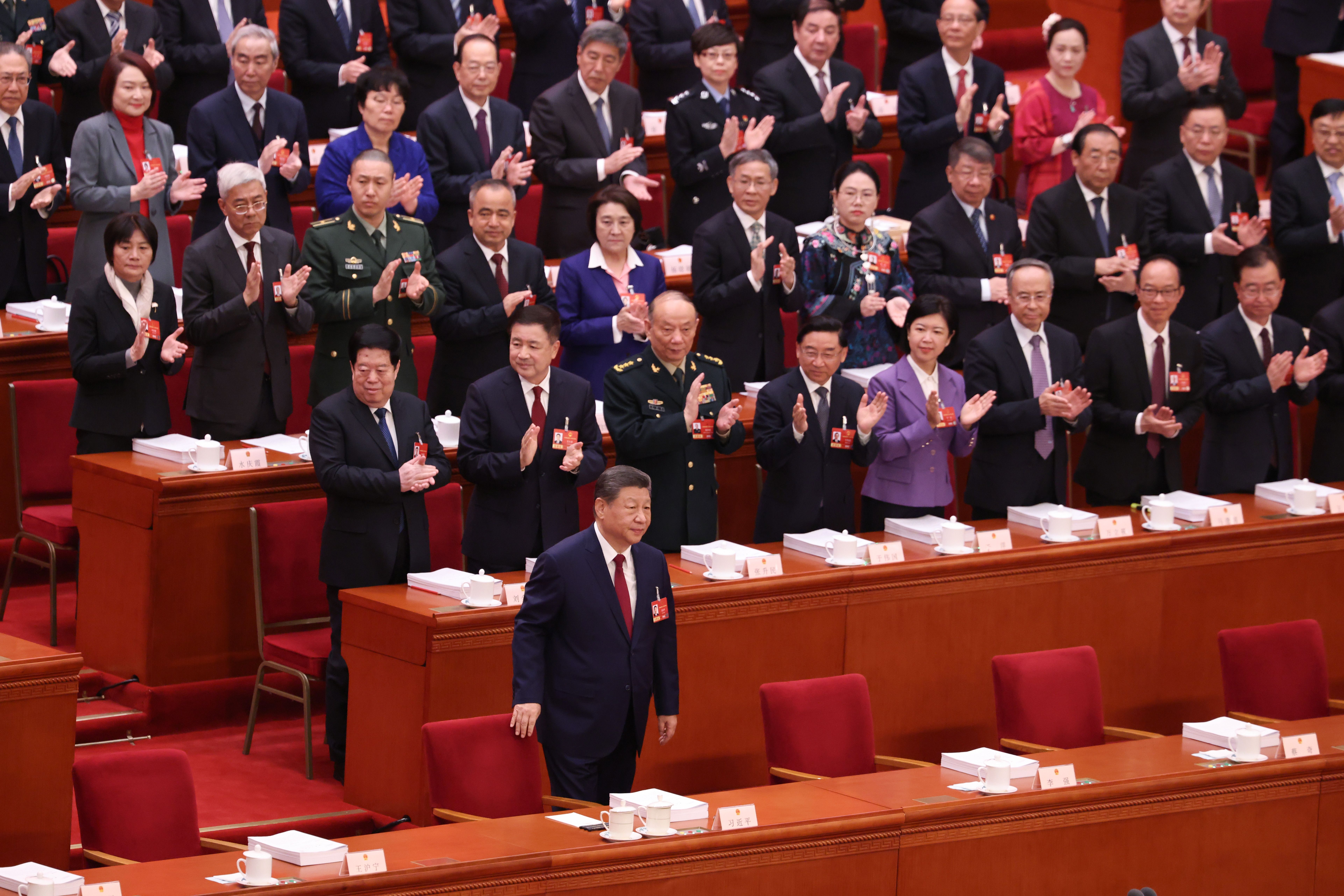
China this week set out a five-year roadmap to turbocharge scientific breakthroughs and embed AI across its industrial economic machine, framing tech dominance as a core national-security goal in its sharpening rivalry with the U.S., Reuters reports.
- Why it matters: The plan shows China's clear calculation — enforcing a unified focus on the long game, while the U.S. is scrambled and distracted.
In its 15th strategic plan since adopting Soviet-style quinquennial policy cycles in the 1950s, Beijing outlined a bet that technology, not consumption, will drive its next phase of development despite growing structural pressures.
- Ambitions span biomedicine, quantum tech, atomic-scale manufacturing, hyperscale computing clusters, nuclear fusion, brain-computer interfaces and commercializing AI-powered humanoid robots.
6. ⚽ 1 for the road: World Cup ad breaks
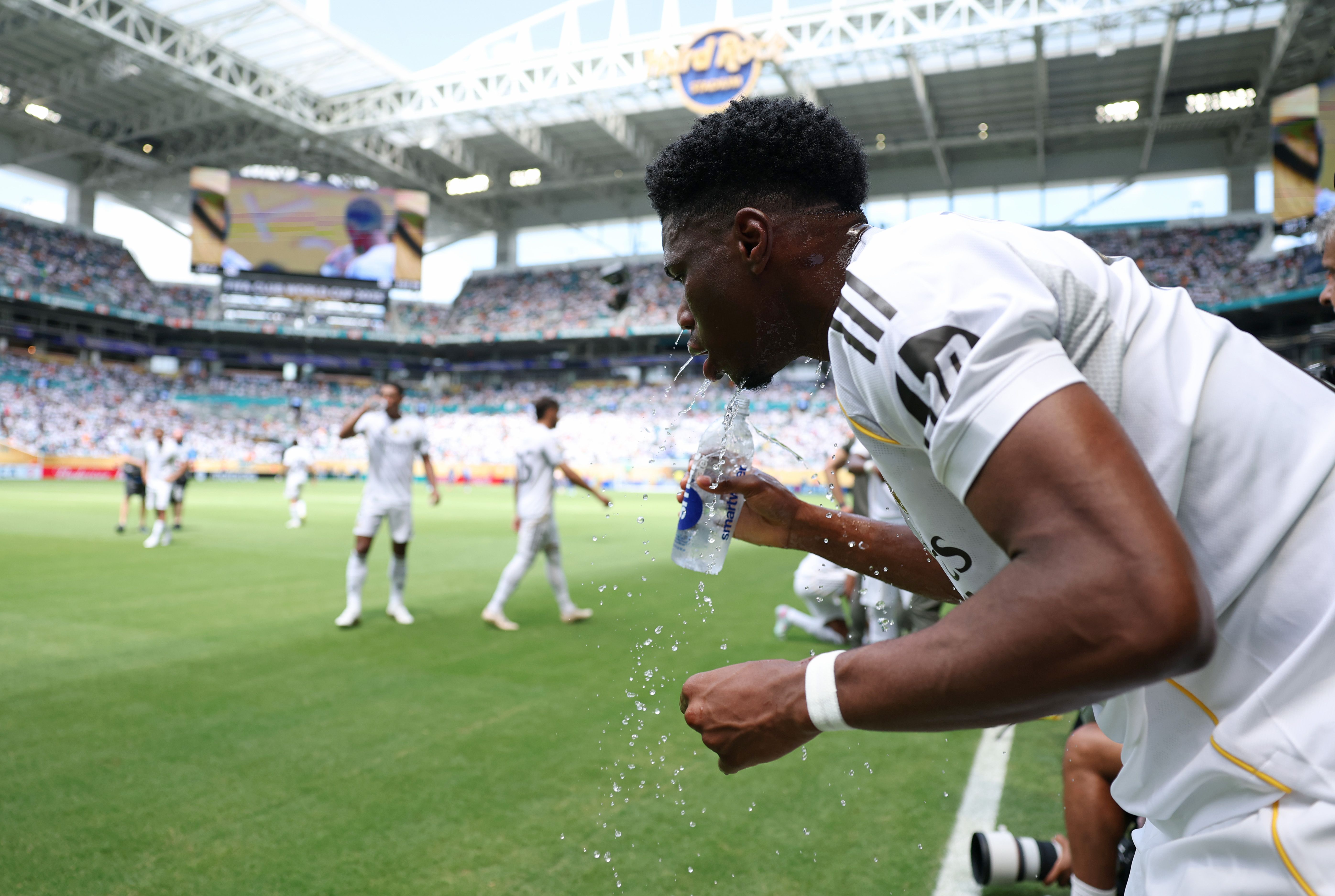
FIFA will allow broadcasters to cut away for ads during "hydration breaks" that will split up each half of this summer's World Cup matches, The Athletic reports.
- Based on FIFA rules, the hydration ad breaks will last about 2 minutes, 10 seconds.
Why it matters: Soccer, with 45-minute running halves, doesn't usually have the ad rhythm of, say, football, baseball or basketball.
The World Cup, kicking off 96 days from now, will be held across North America in June and July.
- FIFA is mandating 3-min. hydration breaks midway through each half as a "player welfare" measure: The referee "will stop the game 22 minutes into each half to allow players to rehydrate."
Axios AM