Axios AM

October 11, 2026

1 big thing: Silicon Valley horror shows
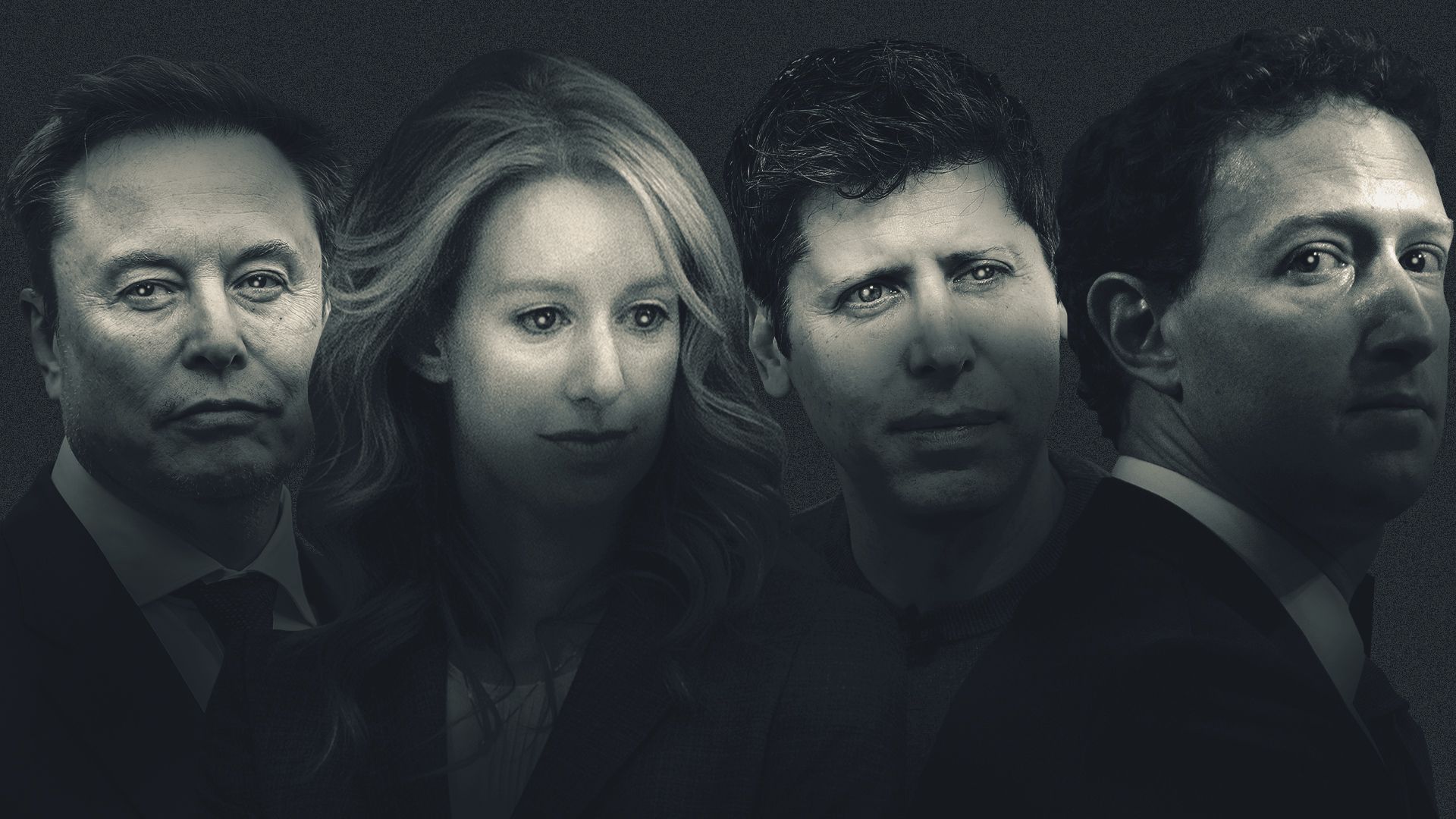
Hollywood's hottest villain right now is the tech billionaire.
- Four films hitting theaters in the next two months put some of Silicon Valley's most powerful and controversial figures in the spotlight: Elon Musk, Mark Zuckerberg, Sam Altman and Elizabeth Holmes.
Why it matters: Hollywood's portrayal of Silicon Valley and its leaders is getting darker as negative headlines about the tech industry seep into pop culture, Axios' Erica Pandey writes.
- Once portrayed as brilliant but flawed innovators, tech leaders are increasingly being cast as creepy villains whose ambitions may do more harm than good.
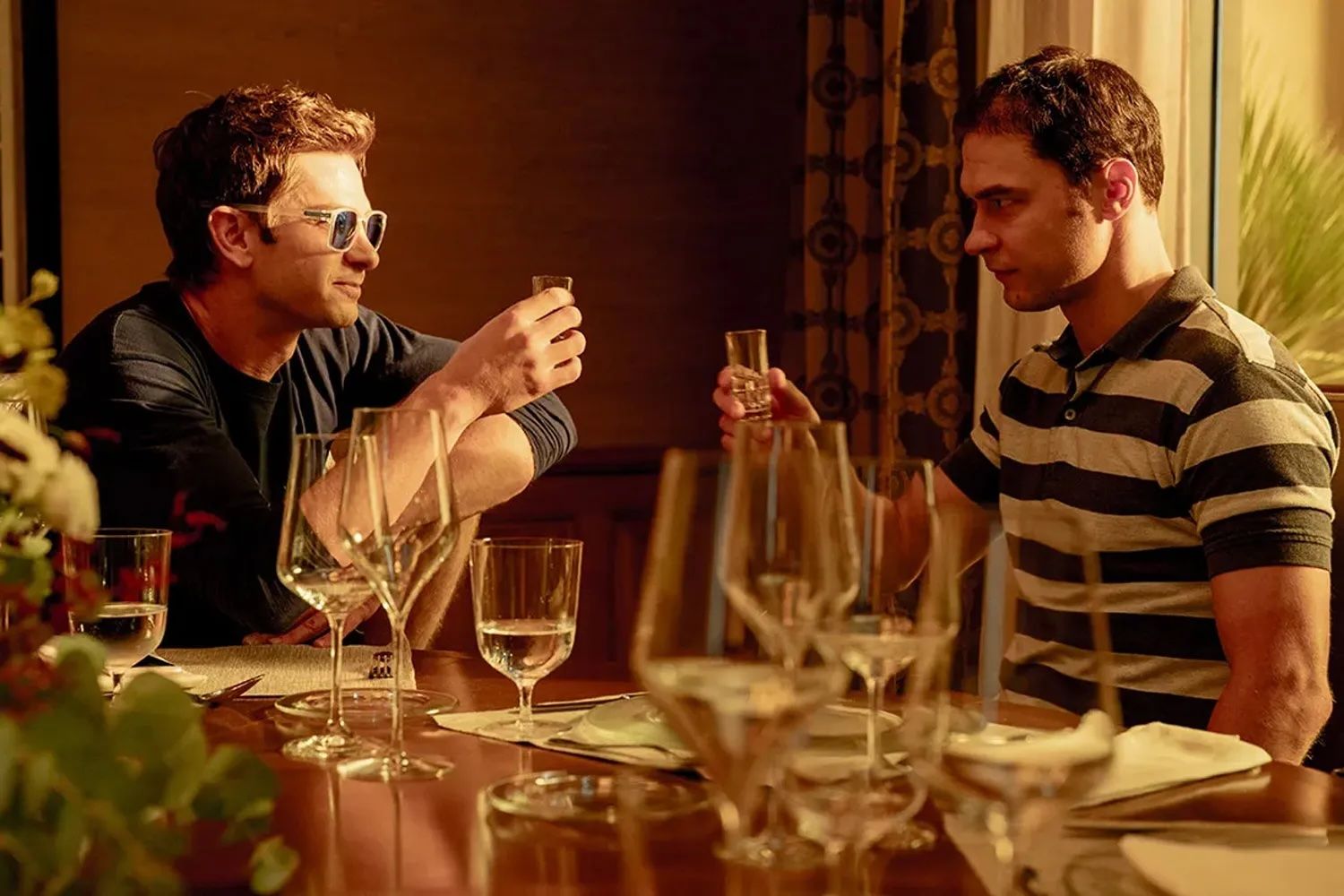
Zoom in: This fall's tech billionaire films span genres, from documentaries to thrillers.
- 💻 "The Social Reckoning," Aaron Sorkin's follow-up to his 2010 hit, "The Social Network," opened Friday with Jeremy Strong portraying a more sinister Mark Zuckerberg during the 2021 Facebook whistleblower leak. Sorkin takes some cinematic liberties with chronology and other details.
- 🚀 "Musk," the four-hour documentary (including a 10-minute intermission) about Elon Musk's rise, is playing in select theaters and opens nationwide on Friday. The roller-coaster rollout of the film, directed by Oscar-winning documentarian Alex Gibney, included critical acclaim at the Venice Film Festival and legal threats from Musk's team.
- 🩸 "You Can See Everything," out Friday, is an experimental documentary from Nathan Fielder and Lance Oppenheim that follows ex-Theranos founder Elizabeth Holmes in the weeks before she went to prison. The studio, A24, says an "intimate portrait of an enigmatic felon becomes a mind-bending three-year journey into the abyss." (More on the film.)
- 🤖 "Artificial," a drama directed by Luca Guadagnino, stars Andrew Garfield as Sam Altman and hits theaters Christmas Day. In the film, "[Garfield] depicts Altman as a manipulative, power-hungry psychopath who lies as easily as he breathes and will use anyone, anytime, anywhere to get what he wants," The Verge reports. The studio, NEON, calls it "the story of OpenAI and a two-decade artificial intelligence arms race. … As the technology becomes more powerful and more valuable than anyone ever imagined, a battle rages over who should control the tech that could change the fate of humanity."
These projects represent a sharp turn from some earlier movies and documentaries about Silicon Valley, like "Jobs" and "Something Ventured," which celebrated the ingenuity of founders and venture capitalists.
- "With tech, it was an ardent love affair," says Margaret O'Mara, a University of Washington historian who studies Silicon Valley. "And when you fall out of love, you fall out of love fast."
- "Our popular understanding of Silicon Valley and the products it makes has changed drastically."
📉 Zoom out: Hollywood is reflecting the public's growing disillusionment with the tech industry. Two in three Americans say social media has been bad for democracy, a Pew Research Center poll found.
- "Popular movies hold up a mirror to current social anxieties," says writer and editor-in-chief of Film Quarterly J.M. Tyree. "People are thinking about power consolidating in the hands of the few at the expense of the many."

The intrigue: Tech founders are compelling on-screen villains, Tyree says.
- They bring together two archetypes: the ruthless businessperson corrupted by greed, as seen in movies like "Citizen Kane" and "The Wolf of Wall Street," plus the mad scientist who's morally ambiguous and employs science and technology recklessly, like in "Metropolis" or "Frankenstein."
- Plus, their eccentricities make for good entertainment.
The bottom line: O'Mara, the Silicon Valley historian, notes: "One thing I have learned from studying the history of rich people is that extreme wealth makes you weird."
🎞️ Trailers: "The Social Reckoning" (first trailer) ... "Musk" ... "You Can See Everything" ... "Artificial."
2. 🇺🇦 Trump demands new Ukraine leader
President Trump called yesterday for Ukraine to replace President Volodymyr Zelensky with someone willing to make a deal with Russia to end the war.
- Why it matters: Trump's attack on Zelensky, which came after the Ukrainian president criticized his diesel deal with Russia, signals the most serious crisis between the two leaders since their February 2025 meeting exploded in front of cameras, Axios' Barak Ravid reports.
👀 Trump said Zelensky could have reached a deal with Russia many times "but chooses not to."
- "I suggest they get a new leader who can make a deal," Trump told reporters yesterday. "… And I think it's time for Ukraine to get a new president."
He said he asked Zelensky to stop attacking Russian oil refineries and claimed Zelensky's actions harmed American farmers.
- "He better damn well stop," Trump said.
🏛️ What we're watching: Rep. Brian Fitzpatrick (R-Pa.) vowed yesterday to force a House vote to block Russian oil purchases, challenging the diesel deal, Axios' Andrew Solender and Andrew Pantazi report.
- Fitzpatrick, co-chair of the Congressional Ukraine Caucus, said he would introduce the "Ronald Reagan Peace Through Strength Act" and force a vote through a discharge petition.
3. 🐟 "Dirty secret behind the farmed fish you eat"
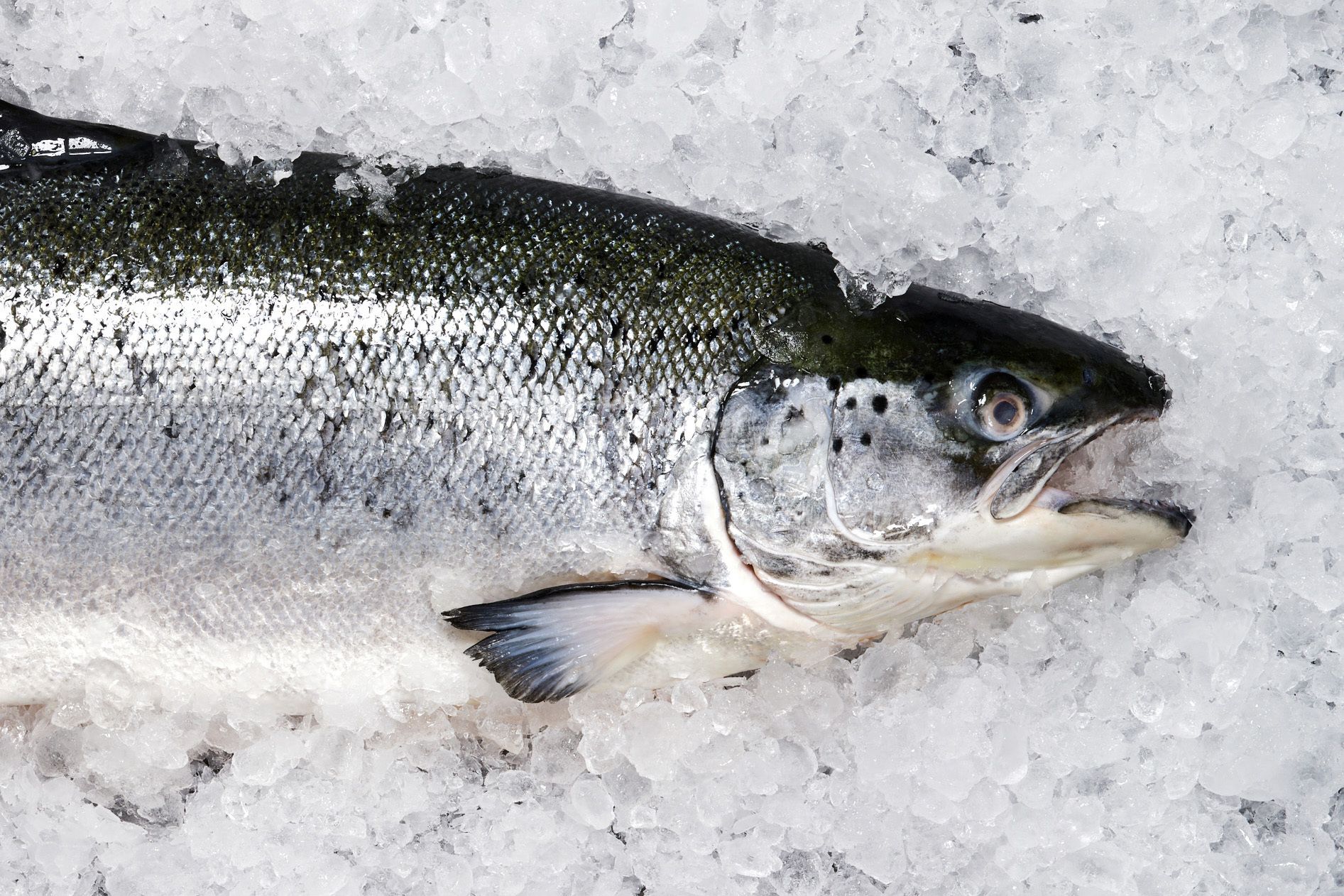
Ian Urbina — a former New York Times reporter who now runs a journalism nonprofit, The Outlaw Ocean Project — is unveiling a five-year, 70+-reporter investigation that found the seafood on your plate can be downstream from "forced labor, rancid waste, harmful chemicals."
- "The inspiration was to delve deeper into the hidden portion of an especially opaque supply chain — seafood — and reveal all the hidden crimes or concerns that precede our food," Urbina, who's based in Washington, told me.
Why it matters: Urbina told Axios that he hopes the seafood industry "will begin being more transparent and accountable about their supply chains." He wants diners and shoppers to "think more about how the price of seafood isn't [solely] what we see on the menu."
- And he wants governments of advanced economies to "reckon with how they are offsetting costs largely onto [developing] countries."
💡 Key findings: Over the past 60 years, the amount of fish we eat has doubled, Urbina reports for The New York Times Magazine in a piece titled, "The Dirty Secret Behind the Farmed Fish You Eat" (gift link).
- To ease pressure on oceans, humans turned to aquaculture — or fish farming — and today, more than half the seafood we eat comes from these farms rather than the ocean.
- But there's a catch: Those farmed fish are fed with smaller fish taken from the ocean. That means vast amounts of wild fish are caught to sustain the booming aquaculture industry.
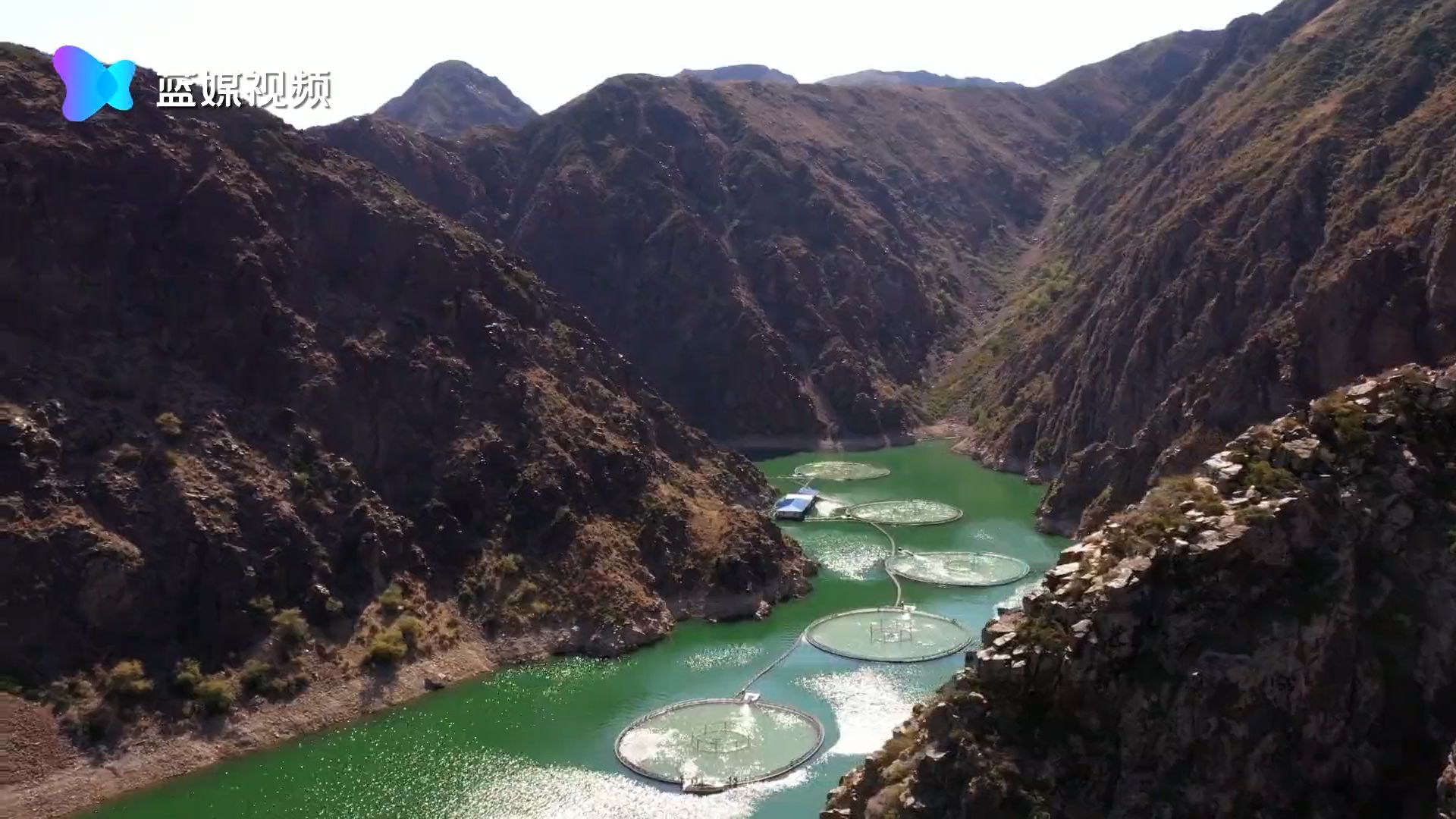
Stat du jour: "A fifth of all fish pulled from the world's oceans is now put to uses other than human consumption — mostly to make fishmeal and fish oil," Urbina writes.
- "Some of the most popular types of seafood consumed in the United States — salmon and shrimp — are predominantly imported from farms that use fishmeal. They end up in supermarkets throughout the country ... and appear on the menus of hundreds of thousands of restaurants and cafeterias, including those on Capitol Hill where senators and members of Congress eat lunch."
🚢 Behind the scenes: Urbina took six voyages at sea, including the South China Sea, the Southern Ocean near Antarctica, and the North Atlantic Ocean. "These expeditions involved boarding fishmeal vessels to review logbooks, inspect living conditions, interview workers, and document potentially illegal practices," he told me.
- "On land, I visited fishmeal factories and aquaculture sites across Senegal, Thailand, Peru, Gambia, Vietnam, Indonesia, Cambodia, Greece and India."
🔮 What's next: Urbina has posted a "Bait to Plate" tool that he hopes other reporters will use to trace seafood from ships and processing plants to downstream brands and consumers, "including what is known about possible crimes or other types of concerns within these supply chains."
👉 Go deeper: Read the larger investigation by an international team of journalists based at the Outlaw Ocean Project, "Food for Feed: The Price Paid Beyond the Plate" (no paywall).
- What you can do: "How to Buy and Eat Seafood Responsibly" (N.Y. Times gift link).
4. 🦾 AI bull run turns four


This bull market started Oct. 12, 2022 — so it turns 4 tomorrow.
- The S&P 500 is trading near record highs ahead of the anniversary.
- The current bull run has gained 117%, the sixth-best-performing bull market since World War II, Reuters reports.
🐃 Zoom in: AI has dominated the latest bull run, with the launch of ChatGPT coming about a month after the bull market began.
- Oxford Economics estimates about one-third of recent U.S. economic growth stems from AI.
Nvidia, whose AI chips made the company the most valuable in the world, has soared in market capitalization over those four years from $286 billion to $5.5 trillion.
5. ✨ Nvidia's AI shopping spree
Nvidia is in early talks to buy or expand its investment in Reflection AI, an American startup developing open-weight AI models to compete with cheap Chinese systems, the Financial Times reports.
- Why it matters: Nvidia has been on an investment blitz, pouring billions into the AI industry to boost it and cement its place at the center of it.
The intrigue: "[A] deal could take a number of shapes, including a so-called 'acqui-hire' where Nvidia would hire staff and license technology without the drawn-out regulatory review that comes with a full acquisition," FT reports.
- "Acqui-hires have become increasingly popular among Big Tech companies looking to avoid antitrust scrutiny of AI dealmaking."
Read on (gift link).
6. 🕊️ Pope Leo to undergo lung surgery

Pope Leo said today that tests have discovered a nodule in his lung, which he will have removed surgically this week:
"Dear friends, during some recent medical examinations, doctors found a localized nodule in my lung. It was detected at a very early stage and is well localized. The doctors believe surgery is appropriate. Following their advice, I have therefore decided to undergo an operation to remove it. The operation is already scheduled for the coming days. I thank you for your spiritual closeness and entrust myself to your prayers."
The big picture: The first American pontiff, age 71, is less than 18 months into a papacy that has been defined by public stances at odds with the White House, including clashes over immigration and deep skepticism about AI, Axios' Ben Berkowitz reports.
- The pope didn't say if the nodule was malignant.
- Vatican officials said the operation would be in the next few days, and the recovery would take about a week.
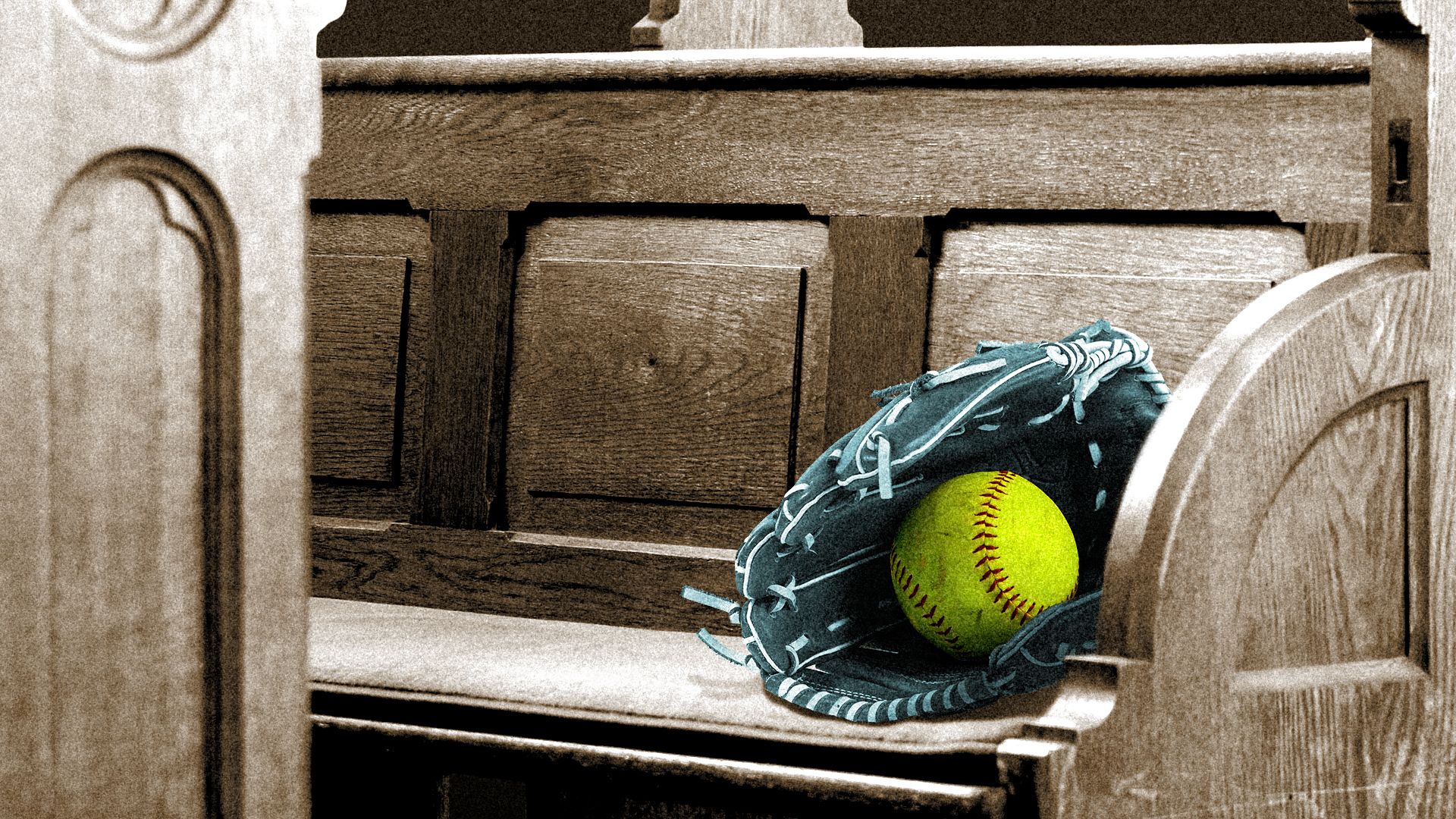
7. ⛪ Youth sports take over Sunday
8. 🏈 1 for the road: Toppling No. 1
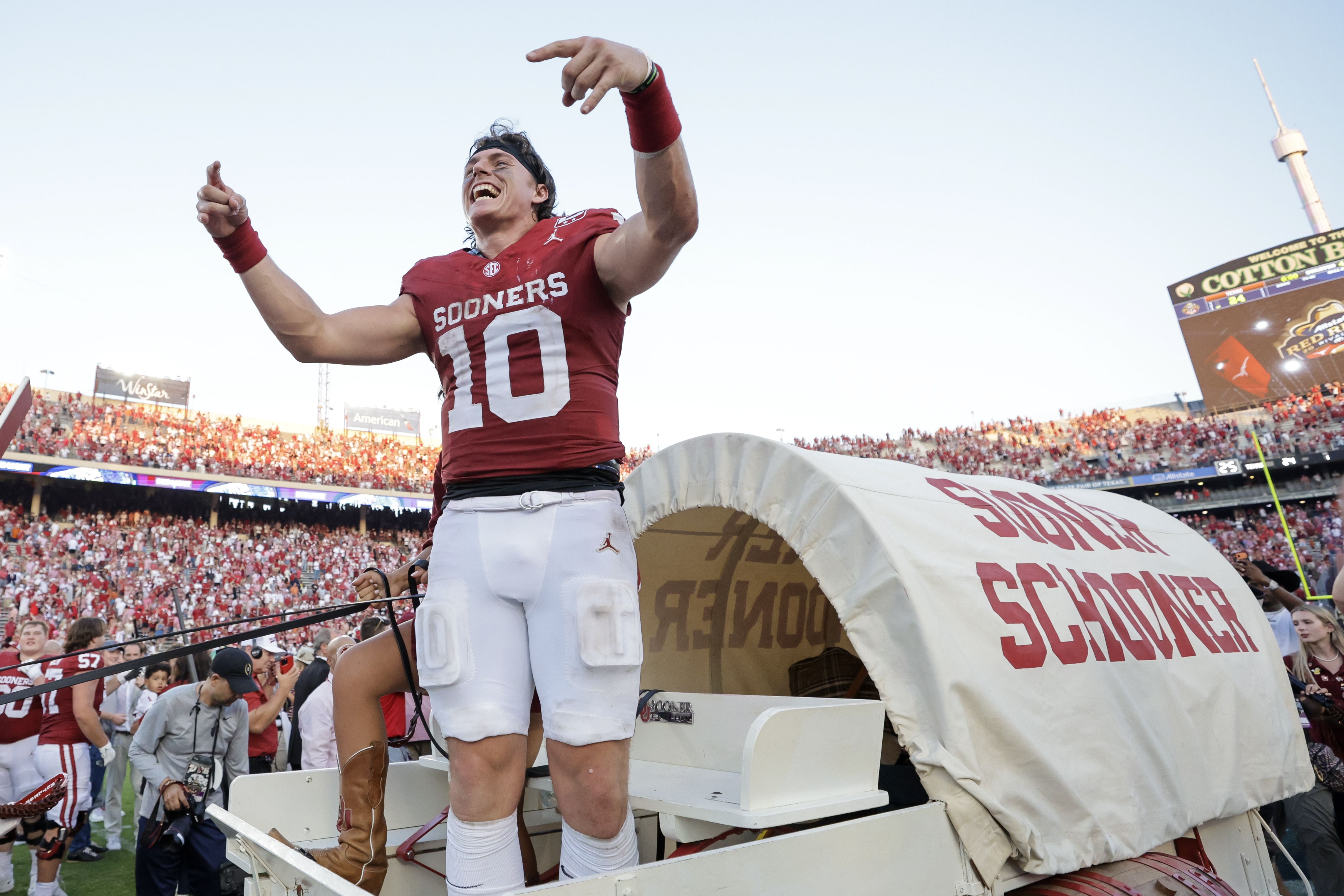
Stunning upset on one of college football's biggest stages: Yesterday, for the first time ever, Oklahoma beat a No. 1 Texas team in the storied Red River Rivalry.
- The Sooners picked off Longhorns quarterback Arch Manning with 19 seconds left. Oklahoma's Tate Sandell kicked a 47-yard field goal for the W.
Axios AM