Axios AM

November 04, 2026

1 big thing: The Trump obliteration

2. 🌊 Blue tsunami breaks MAGA
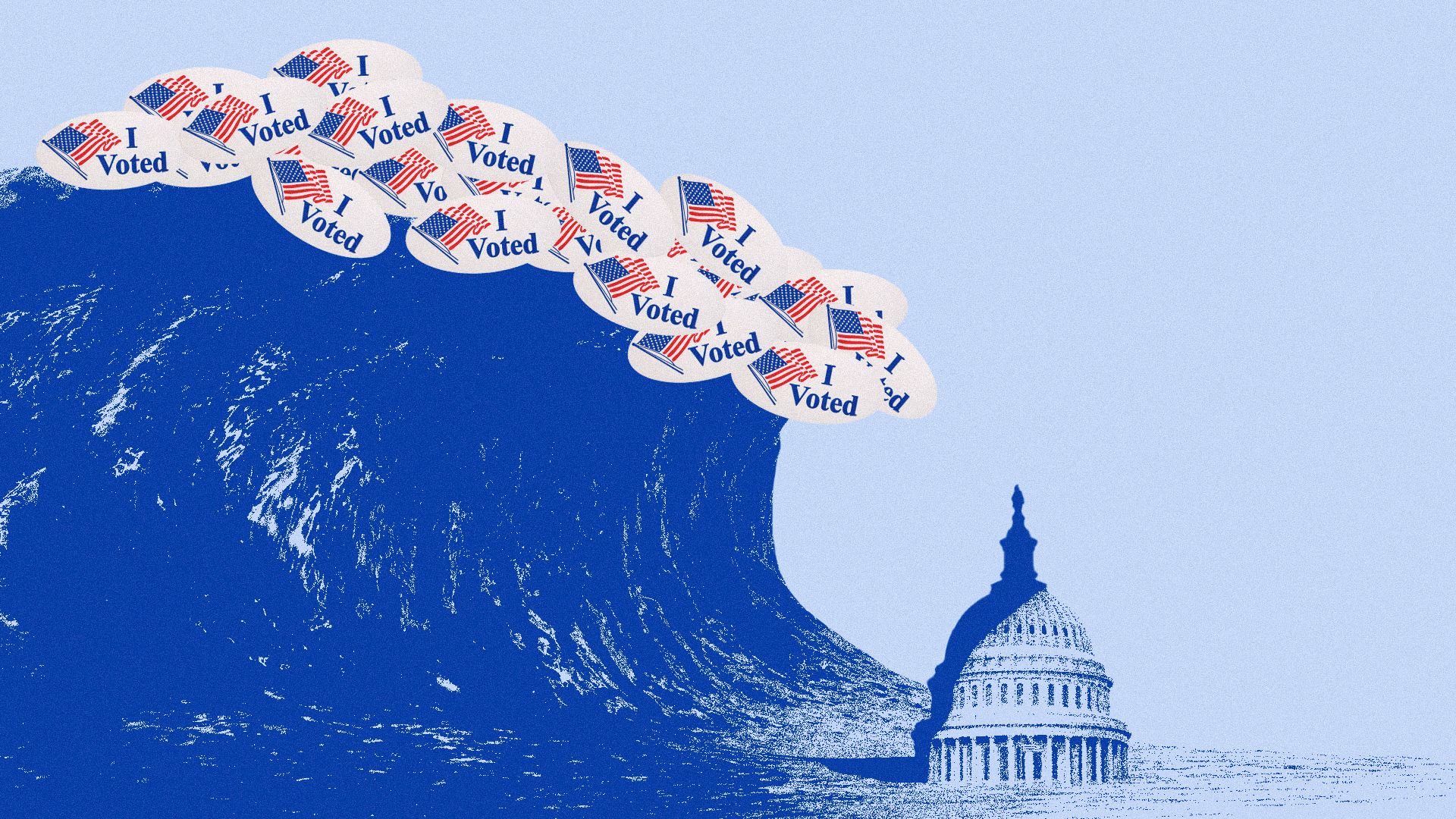
The 2026 midterms will go down as one of the most sweeping repudiations of a sitting president in modern American history, on a scale reminiscent of the post-Watergate reckoning of 1974, Axios' Zachary Basu writes.
- Democrats seized control of both chambers of Congress, on course to hold at least 54 Senate seats and potentially more than 255 in the House.
- The wave swept deep into Republican territory, from Texas and Georgia to both Carolinas, flipping hundreds of legislative seats and delivering Democratic trifectas in the unlikeliest of states.
- Democrat Abdul El-Sayed defeated Republican Mike Rogers in Michigan's bitterly contested Senate race and will be the nation's first Muslim senator.

Takeaways:
1. Texas turns blue: Democrats finally conquered the nation's most coveted Republican stronghold — in a landslide so sweeping that even three-term Gov. Greg Abbott was driven from office.
- Gina Hinojosa became the state's first Latina governor, while James Talarico defeated Trump-backed Ken Paxton to become the first Texas Democrat elected to the Senate since 1988.
- The Democratic onslaught extended across statewide offices and into the legislature after 32 years of GOP dominance.
2. Democrats storm Senate: What once looked like an impossibly difficult map for Democrats gave way to a historic rout, as Republicans watched their 53-seat majority crumble in states Trump carried by double digits.
- Democrats broke a 94-year losing streak in Kansas, ousted Republicans in Ohio, Iowa and North Carolina, and captured South Carolina for the first time since 1998.
- In Maine, Democrats finally toppled five-term Sen. Susan Collins after many failed attempts.
3. MAGA coalition collapses: The multiracial, working-class coalition that powered Trump's 2024 comeback fractured spectacularly.
- AP's nationwide voter survey found roughly 70% of voters under 30 and 60% of Hispanic voters backed Democratic House candidates, amid widespread anger over the economy and the Iran war.
4. GOP House firewall crumbles: Democrats are on course for their largest House majority since 2009.
- Casualties spanned the entire GOP conference, from MAGA firebrands to battle-tested moderates. Even seats redrawn to shield Republicans from a blue wave fell to Democrats, turning Trump's redistricting offensive into a spectacular miscalculation.

5. 2028's winners and losers: Yesterday's landslide elevated a new generation of Democratic contenders and cast a shadow over Vice President Vance's presidential ambitions.
- Georgia Sen. Jon Ossoff, whose race was called 15 minutes after polls closed, immediately vaulted into the top tier of Democratic prospects. Keisha Lance Bottoms' historic victory for governor removed a key obstacle for both Ossoff and Sen. Raphael Warnock: She could appoint a Democrat to fill their seat if either became president.
- Vance, Trump's presumed political heir, now faces the fallout from a deeply unpopular Iran war and the collapse of a once-in-a-generation coalition he hoped would carry him to the White House.
3. 🥊 Susie Wiles: Foot on gas
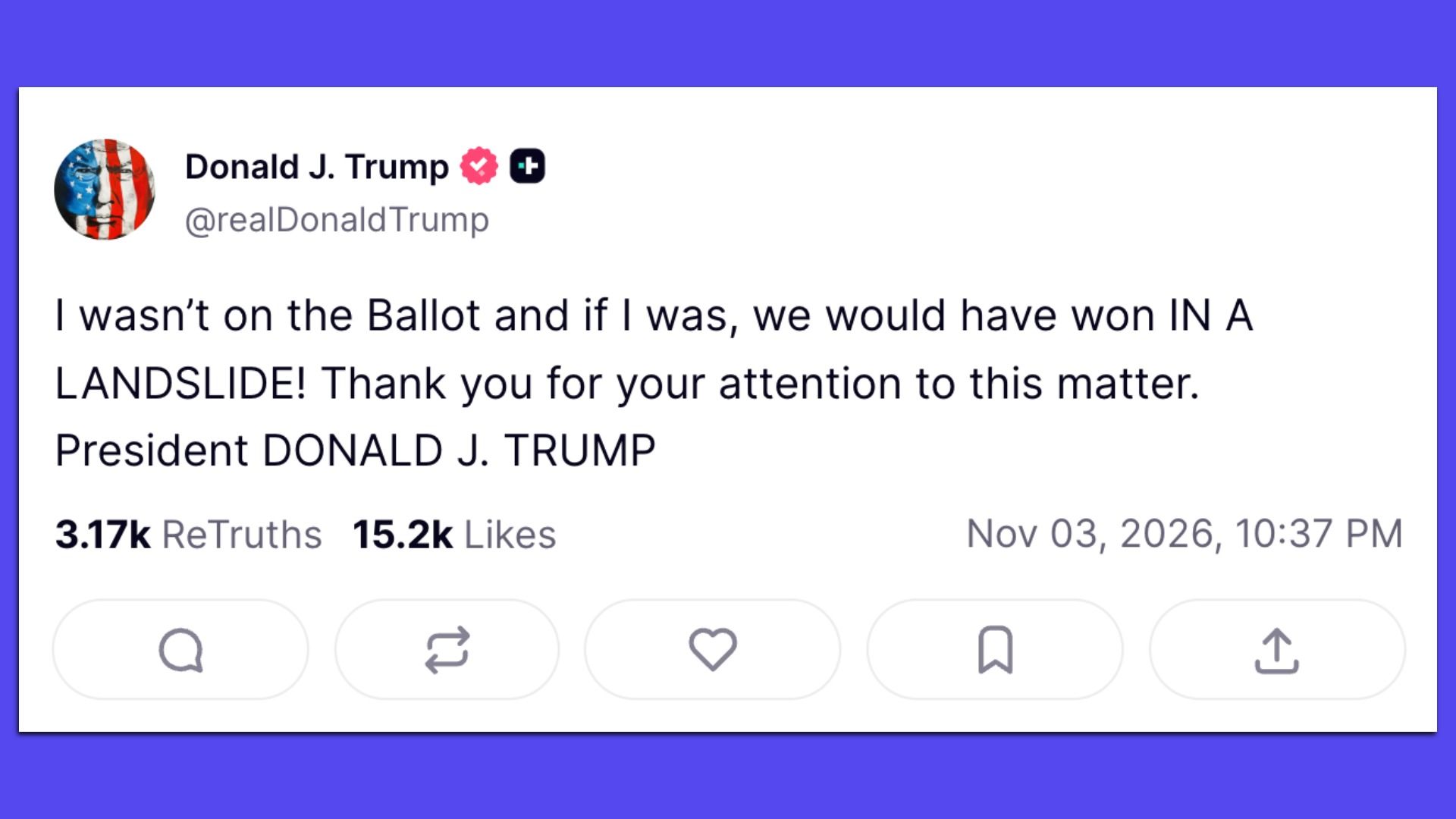
White House chief of staff Susie Wiles made these remarks to senior staff gathered in her office last night, a person in the room tells me:
"We're going to take a page out of President Trump's playbook and keep fighting for the American people. We will not stand by while radical Democrats try to undo the progress we've made by reopening our borders, making our communities less safe, and raising taxes on hardworking families. Anyone who thinks President Trump or this team is going to take our foot off the gas over the next two years is sorely mistaken. We know exactly what's at stake, we know what we're fighting for, and we have no intention of backing down. There is work left to do, and we intend to finish the job."

📱President Trump told The New York Times in a phone interview shortly before 10:30 p.m. ET that he's "absolutely willing" to accept the results, and is prepared to work with Democrats:
- "We'll, you know, look forward to working with them ... We'll probably work something out."
- He called his decision to go to war with Iran a "very wise decision."
On Republican Darline Graham's stunning loss of her Senate race in South Carolina, Trump said: "I'm just looking at these results as I'm talking ... I see that Darline lost. Wow, that's amazing."
- Referring to Sen. Lindsey Graham, who died in July, Trump added: "How do you think Lindsey would have done if he ran?"
4. 🤯 Biggest election shockers

Democrats racked up stunning margins in red states that President Trump carried in landslides just two years ago, Axios' Hans Nichols writes:
1. The Texas trifecta: Democrats won the races for governor, lieutenant governor and attorney general, giving the party unified control of state government for the first time since 1995.
2. North Carolina was a bloodbath. The man in charge of steering House Republicans to victory — Rep. Richard Hudson, chair of the National Republican Congressional Committee — lost his own seat.
- He'll join the ranks of other defeated party leaders who spent so much time trying to build a majority that they failed to protect themselves.
3. Hispanic voters swung back. Democrats are poised to control three congressional seats in the Rio Grande Valley that President Trump carried in 2024 — and the margins weren't even close.
- Rep. Henry Cuellar (D-Texas) was leading Republican Tano Tijerina, 66% to 30%.
- Democrat Bobby Pulido was leading Republican Rep. Monica De La Cruz, 62% to 38%.
- Rep. Vicente Gonzalez (D-Texas) was leading Republican Eric Flores, 56% to 40%.
5. ⚡ Hakeem's dream majority
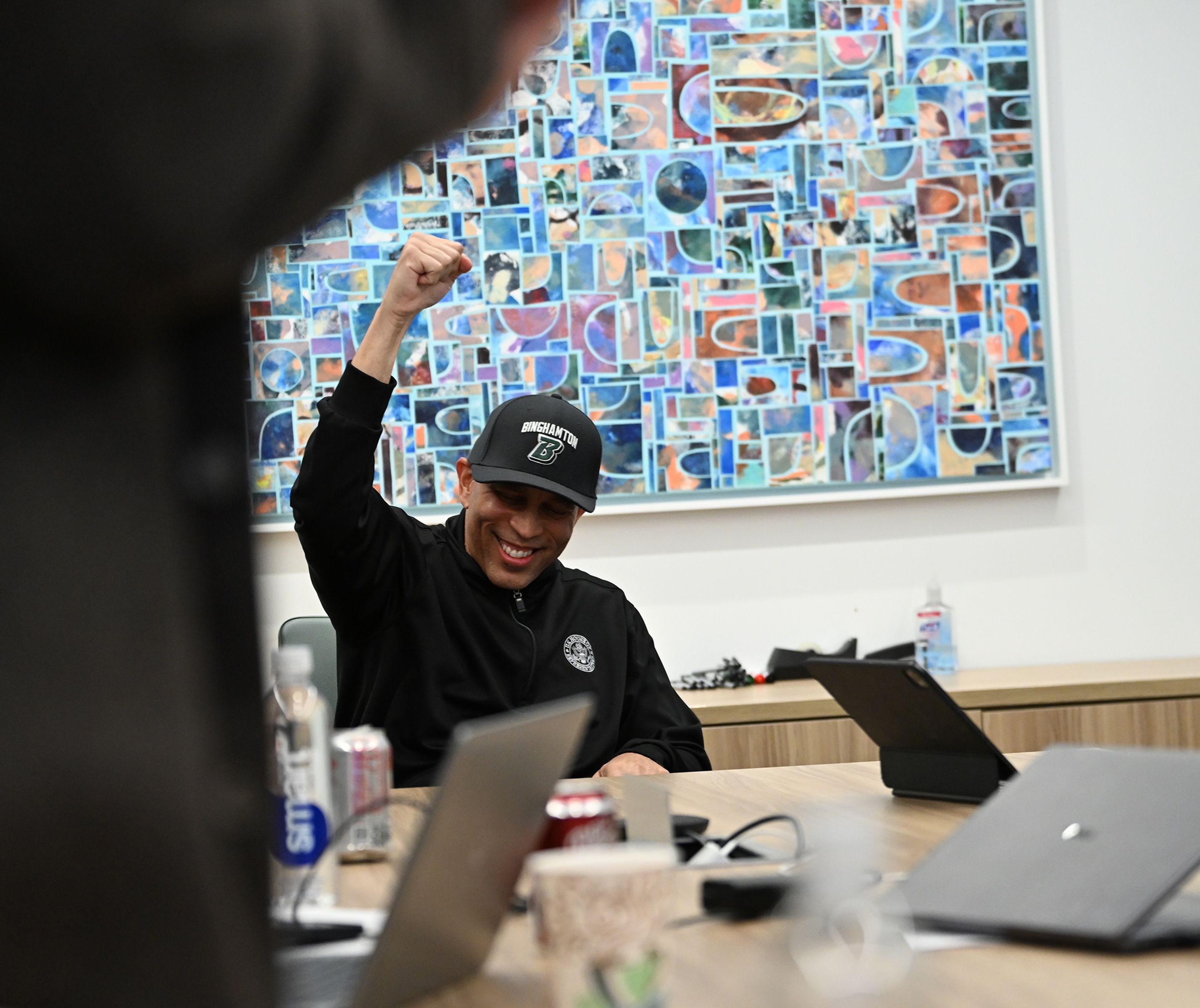
House Minority Leader Hakeem Jeffries (D-N.Y.) is set to preside over a commanding Democratic majority after his party swept districts President Trump carried by double digits, Axios' Andrew Solender writes.
- Why it matters: Democrats' landslide win will make it much, much easier for the likely next speaker to secure the gavel without a sweat and ignore the demands of his progressive wing.
It's a major partisan win for Democrats as a whole, but the party's centrist wing is also hailing the result as a much-needed strategic victory over the left.
- Rep. Greg Stanton (D-Ariz.), a leader of the center-left New Democrat Coalition, told Axios in an interview that Jeffries "now has the space to utilize his full talents as speaker."
- The size of Democrats' victory, Stanton said, "allows him to govern without worrying about being leveraged by anyone."
🔎 Zoom in: Progressives — particularly "The Bloc," a group made up of hard-charging leftists — had hoped to use a small majority to extract concessions from Jeffries.
- Many of them have declined to commit to supporting Jeffries as speaker and signaled they would use their votes as leverage to force votes on progressive legislation such as Medicare-for-All, defunding ICE and cutting aid to Israel.
- But the left's strategy is "going to look different from what it would have been with a smaller margin," one incoming House progressive told Axios, noting that "leaders have more flexibility when they have big majorities."
👓 Between the lines: Stanton noted that most of the incoming Democrats who won in purple and red districts were endorsed by the center-left New Dems — one of Jeffries' most reliable power bases in the caucus.
6. 🤖 AI loses everywhere

Voters showed deep distrust of the AI race, approving dozens of data center moratoriums and electing a raft of candidates who favor slowing a $10 trillion buildout, including in Texas — the epicenter of the boom, Axios' Maria Curi writes.
- Why it matters: The results were a warning shot to some of the nation's wealthiest and most powerful executives, many of whom are already working on ways to build a more palatable version of the revolution they are dead-set on winning.
🔬 Zoom in: All told, nearly two-thirds of 2028 data center capacity could face delays, although most political analysts don't see Democrats permanently blocking construction.
- Democratic challenger Gina Hinojosa's surprise victory in the Texas governor's race fundamentally scrambles the math for the AI buildout.
- She campaigned on keeping a moratorium on data center construction in place until at least mid-2027.
- The state accounts for 41% of new U.S. capacity expected in 2028, according to the research firm SemiAnalysis.

Democrats also won gubernatorial races in Ohio, Georgia and Arizona — the three states expected to have the most new data center capacity after Texas. The winners in Ohio and Georgia favor restricting construction.
- Out of 41 data center measures on the ballot across 10 states, about two dozen proposals designed to restrict or block development appeared to have passed based on initial returns.
💰 The other side: In California, a measure that would've enacted a 5% wealth tax on individuals and trusts with more than $1 billion in assets appeared headed for defeat after facing heavy opposition from Silicon Valley.
7. 🍑 Night of historic firsts
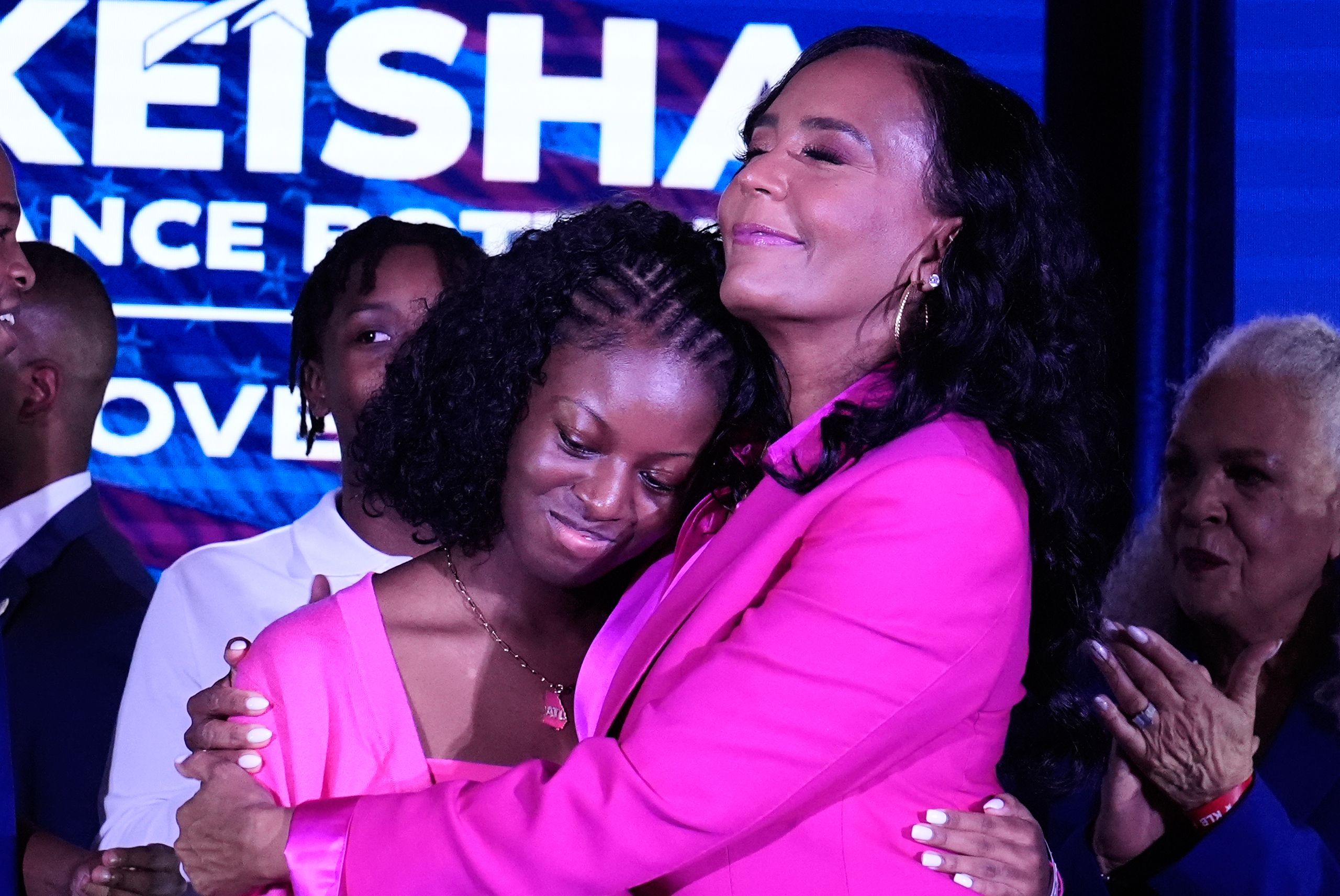
Yesterday's elections delivered a string of historic firsts, breaking barriers in governors' mansions and the Senate, Axios' Julianna Bragg writes.
- With her victory in Georgia, former Atlanta mayor and Biden aide Keisha Lance Bottoms will become the first Black woman governor in U.S. history.
- Republican Byron Donalds and Democrat David Crowley were elected the first Black governors in Florida and Wisconsin, respectively.
- Rep. Chris Pappas (D-N.H.) won New Hampshire's open Senate seat, becoming the first openly gay man elected to the chamber.
- In Michigan, Democrat Abdul El-Sayed will become the first Muslim to serve in the Senate.
- Deb Haaland (D) won New Mexico's governor's race, becoming the first Indigenous woman elected governor of a U.S. state. Minnesota Lt. Gov. Peggy Flanagan (D) became the first Indigenous woman elected to the Senate.
8. 🏛️ D.C. elects socialist mayor
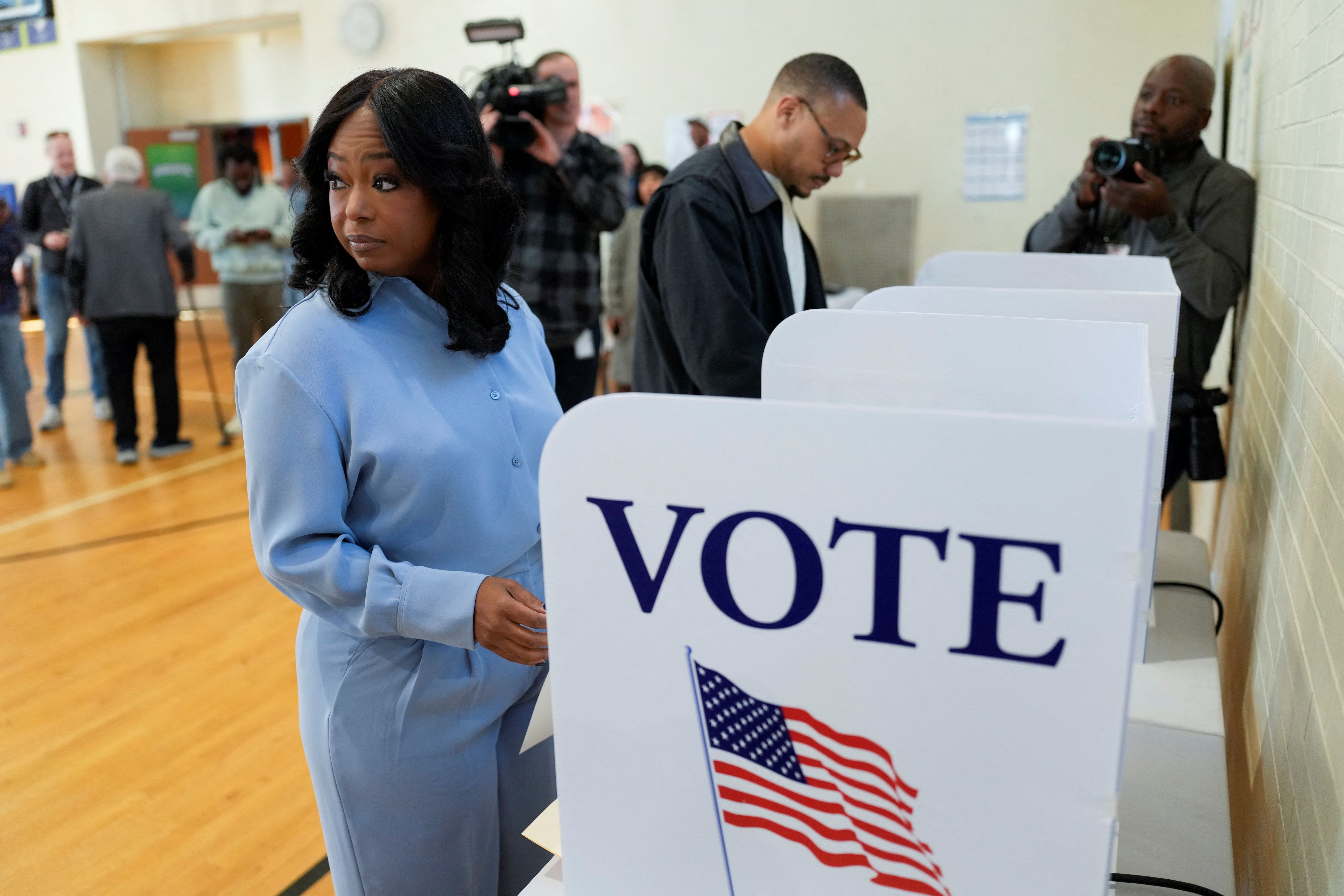
D.C.'s next mayor will be democratic socialist Janeese Lewis George, who swept her primary in June amid unhappiness with the city's direction and promises to expand affordable child care, Axios D.C.'s Cuneyt Dil reports.
- Lewis George's biggest task will be rebuilding the capital's economy, which has lost 45,600 jobs since President Trump returned to office.
🦆 Voters also overwhelmingly voted in favor of banning foie gras, a ballot initiative that invited fury from chefs like José Andrés and the owner of Butterworth's, a Capitol Hill French bistro popular among Trump's circle.

🌴 In the Los Angeles mayoral race, democratic socialist Nithya Raman is running neck-and-neck with incumbent Mayor Karen Bass.
- Get Axios Local: Newsletters in 43 cities.
9. 📜 Election time capsule

10. 🏈 1 fun thing: College football reveal
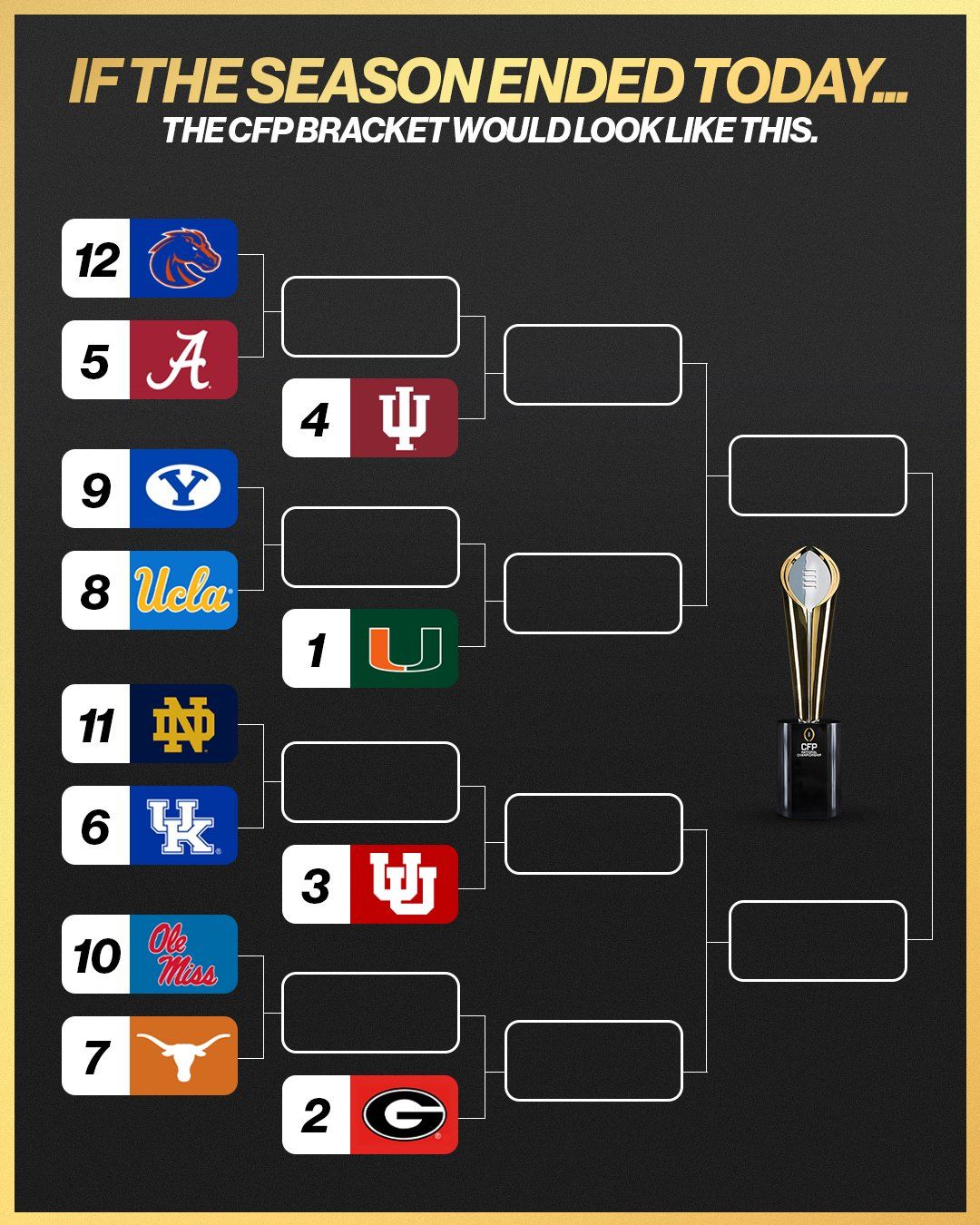
Miami, Georgia, Utah and Indiana nabbed the top 4 spots in the first College Football Playoff rankings released last night, Axios' Donica Phifer writes.
- Why it matters: The final of six weekly rankings will determine the bracket for the 12-team playoff.
UCLA — one of just three undefeated teams along with Miami and Utah — was ranked No. 8 because of a weak schedule.
- Ohio State (6-2) is the first team out of the playoffs. If the regular season ended today, No. 25 Boise State would make it in as the best team from a non-major conference.
Axios AM