Axios AI+

February 19, 2026


🤝 Sam Altman and Dario Amodei did not hold hands on stage at the India AI Impact summit, after Prime Minister Narendra Modi prompted a line of executives to raise hands together. The two were the only ones in line to raise fists instead of clasping hands, a moment that signifies the increasing competition between their AI labs. More on that below.
Today's AI+ is 1,191 words, a 4.5-minute read.
1 big thing: Hollywood's AI clash with China

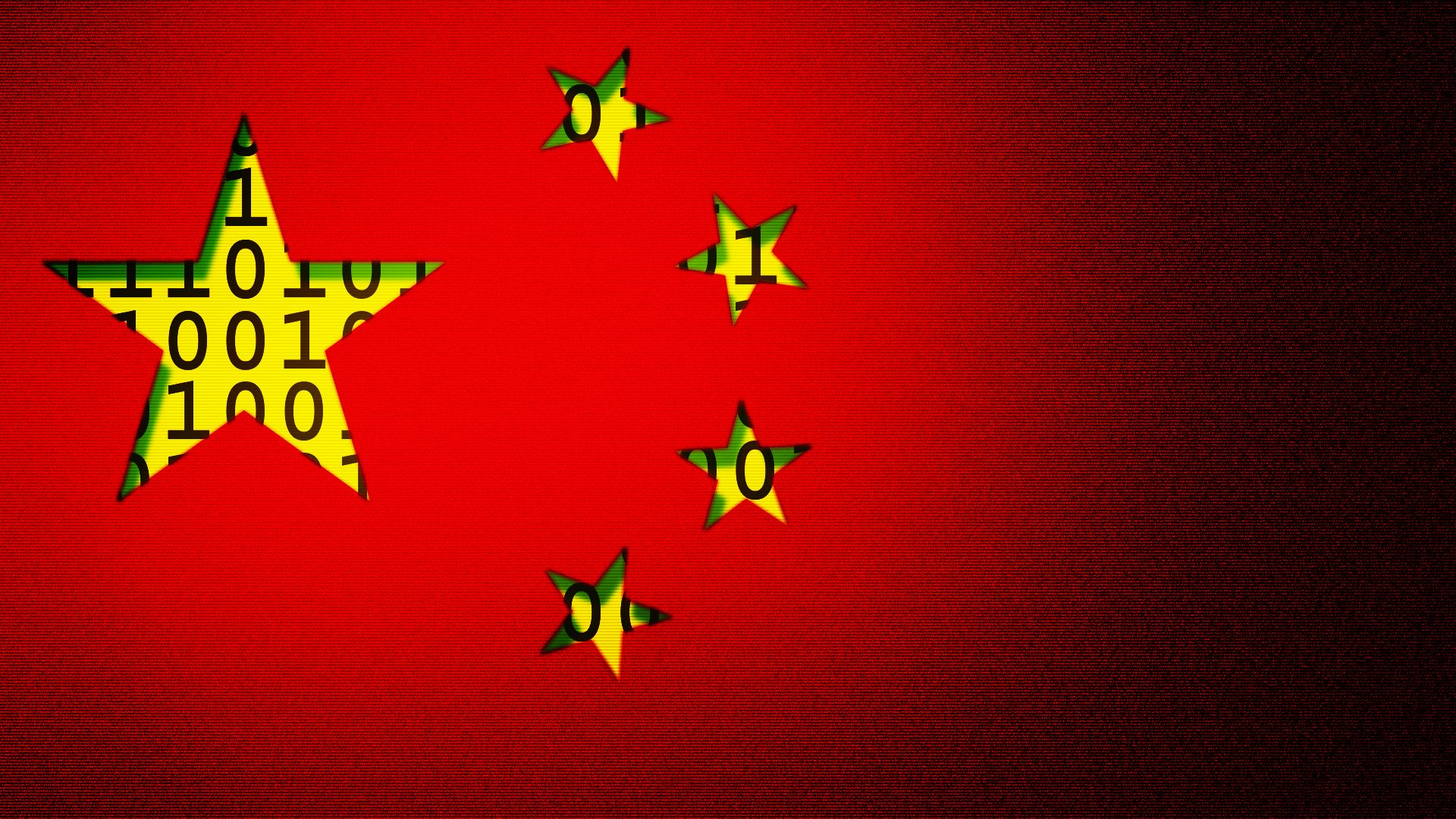
China's unrelenting efforts to catch the U.S. in AI may have claimed its first significant casualty — Hollywood.
Why it matters: Technology good enough to scare even the most seasoned filmmakers is prompting a legal fight that's only the opening salvo in a broader war over intellectual property and market dominance.
- Chinese AI models that undercut U.S. rivals on price, speed and market share pose an existential threat to high-cost, high-risk industries like the film business.
- They also ship with fewer safety guardrails, especially around copyrighted material and likeness rights.
Driving the news: Seedance 2.0, ByteDance's new AI video model, generated a hyperrealistic clip of Tom Cruise and Brad Pitt fighting, prompting major studios to send cease-and-desist letters.
- Netflix, Paramount, Warner Bros and Disney sent ByteDance cease-and-desists over the tool.
- Hollywood groups including SAG-AFTRA and the Motion Picture Association echoed the pushback, saying Seedance is infringing copyrights and misusing likenesses.
- ByteDance says it respects intellectual property and is adding safeguards to Seedance following the legal pressure. It's unclear whether that will meaningfully limit the tool's capabilities or distribution.
The big picture: Hollywood is leaning on copyright law to rein in Seedance, but legal pressure hasn't slowed the rise of Chinese AI models more broadly.
Stunning stat: Chinese open-source models went from near zero usage in mid-2024 to about a third of overall AI use by the end of 2025, according to OpenRouter.
What they're saying: The release of Seedance "feels like another DeepSeek and Sora 2 moment, where the real issue is not just model capability but who sets the default," Dan Neely, CEO of Vermillio, told Axios.
- That means China's first mover advantage could leave Beijing in control of the default regulations around AI-powered IP or copyright standards.
The bottom line: It's unclear how long pressure from big U.S. enterprises can curb China's AI ambitions.
2. The AI boom could make TVs more expensive


AI's rise could soon make new TVs harder to find — or more expensive.
Why it matters: The AI boom is making RAM and memory chips pricier and less available.
- The squeeze could delay or raise the cost of consumer products like televisions.
Driving the news: Pua Khein-Seng, CEO of Phison, suggested in a recent interview that constrained memory supply could disrupt TV production this year.
- Samsung said in January that it was not ruling out price hikes on new TVs and home appliances because of memory chip shortages.
- Industry analysis firm TrendForce also said in January that price increases for TVs are "unavoidable" and that shipments are expected to decline by more than 190 million units in 2026.
How it works: Modern smart TVs typically include 1GB-8GB of RAM, depending on the model and software it uses.
- This isn't a lot (computers use around 16GB for general use), but it's necessary. The memory chips help TVs run apps, like Hulu or Netflix, buffer video and process data.
- They also help run operating systems, like the Roku software that is natively installed on some TVs.
- Memory might not seem super crucial for TVs, but chips didn't seem super necessary for cars until a global shortage upended the auto market in 2021.
The big picture: AI companies are absorbing memory supply at record speeds — and are likely to do so for years as they race to monetize their infrastructure investments.
- "When memory tightens, prices rise, product launches shift ... margins compress and smaller companies struggle more than large tech giants," Marco Mezger of Neumonda tells Axios.
- "This doesn't mean shelves go empty tomorrow," he says. But, "if AI demand continues at current velocity, we could see broader consumer impact within the next six to 12 months."
What we're watching: Prices.
- TrendForce says rising memory and panel costs are pushing TV production costs higher, and retail prices are likely to jump this year.
- "It is highly likely prices will continue to rise in the short term," Pua says.
Reality check: Americans usually take it in stride when major consumer goods are unavailable — or available only at significantly higher prices.
- This was the case in the pandemic. TVs were in short supply because of a chip shortage, but sales still skyrocketed.
- During the Great Recession, TV sales dipped slightly at the onset of the financial crisis in 2008 before rebounding quickly the following year.
- Experts suggested at the time that Americans eventually leaned into at-home entertainment, like TVs, because they didn't have the money for travel or more expensive activities.
The bottom line: AI demand is reshaping the memory market — and TV buyers could feel it next.
3. India AI summit sees bevy of U.S. deals

This week's AI summit in India has become a showcase for U.S. tech companies announcing deals in the region.
Why it matters: The summit began as a global forum focused on AI safety. Now it's a venue for governments to strike deals with major AI companies, most of them U.S.-based.
Driving the news: Several deals have already been announced.
- OpenAI announced a new sovereign AI program for India that starts with a partnership with Tata Group, and the ChatGPT maker also said it is partnering with leading Indian universities.
- Nvidia said that it is working with regional service providers to expand India's AI infrastructure, while also highlighting its partnerships with Indian manufacturers. It's also partnering with VCs that invest in the country to boost the amount of capital available to Indian startups.
- Google DeepMind announced a partnership with Indian government agencies to advance AI-driven science and education efforts. Meanwhile parent company Alphabet is investing in fiber optic cables to connect India with the U.S. and elsewhere.
Between the lines: This continues the shift toward business and away from a focus on safety that began at last year's summit in Paris.
- "From summit to summit, we've seen dwindling focus on concrete deliverables — and no care for ensuring deliverables build on one another, with meaningful progress over time," Alexandra Reeves Givens, head of the Center for Democracy & Technology, told Axios.
- "Hosts need to ensure these summits aren't simply trade shows, but instead offer actionable steps for meaningful progress with real accountability," she said.
4. Training data
- Apple is so uncorrelated with broader tech stocks, investors can now treat it like a hedge for the AI trade. (Bloomberg)
- Mark Zuckerberg testified in court over past statements about Meta's role in child safety (Axios)
- The stock market has ridden an AI high for years, but that mood is starting to shift. (Axios)
5. + This

Had I known the quarterfinal men's hockey matches were going to be so close (both the U.S. and Canada needed overtime to advance), I might have gone there yesterday instead of to short-track speedskating.
- The upside is I got some great photos and a newfound appreciation for all that those skaters have to navigate.
Thanks to Megan Morrone for editing this newsletter and Matt Piper for copy editing.
Sign up for Axios AI+
