Axios AI+
October 02, 2025

Wishing our readers who observe Yom Kippur an easy fast and a day of reflection. I'm off through tomorrow night. Thanks to Scott and Meg for keeping you in the know.
💲Situational awareness: OpenAI completed an employee stock sale totaling about $6.6 billion that values the ChatGPT maker at $500 billion, making "the world's largest startup" more valuable than SpaceX, Bloomberg reports.
Today's AI+ is 1,240 words, a 5-minute read.
1 big thing: The empty new world of AI video

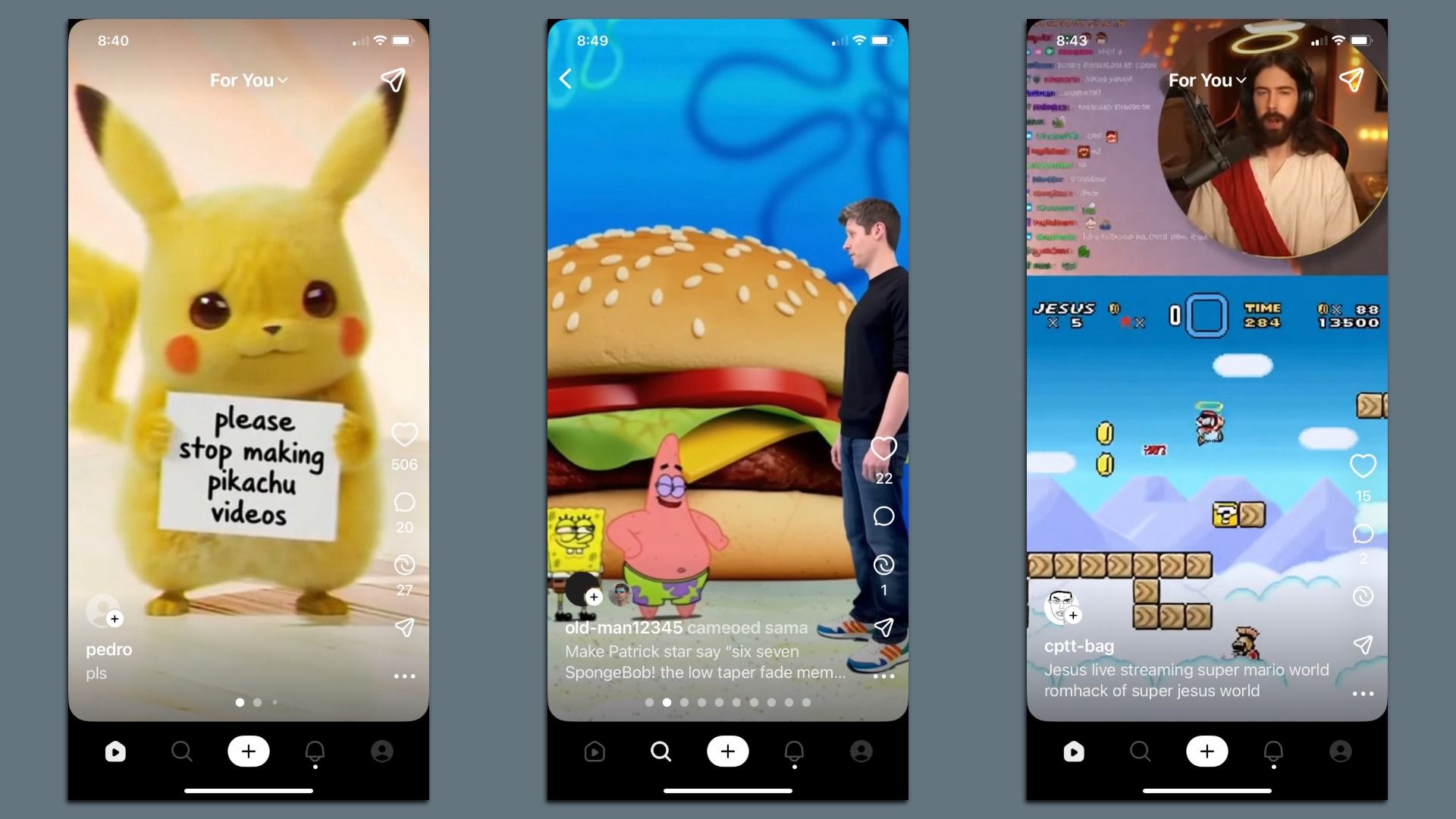
OpenAI's new Sora app gives us a fast-forward view of a future in which AI video, social media and the attention economy fuse into one giant mucky, murky, reality-corroding pool of virality.
Why it matters: Feeds, memes and slop are the building blocks of a new media world where verification vanishes, unreality dominates, everything blurs into everything else and nothing carries any informational or emotional weight.
Driving the news: OpenAI's Sora 2 AI video maker and Sora app allows users to make and share AI-based short videos starring themselves, their friends and anyone else who gives them permission to be included.
- The new Sora comes on the heels of the recent launch of Meta Vibes, a TikTok knockoff that is composed entirely of AI-made videos.
Zoom in: Both companies are betting that public interest in AI video is not just a brief infatuation with a technical novelty but the start of a foundational shift in media consumption.
Yes, but: Much of the appeal of online video platforms lies within the personal connection between creators and their followers. How that translates into the world of AI-generated clips is unclear.
- Sora's "cameo" feature, which lets users share (and control) the use of their own images in Sora videos, could be an answer, but it's also a Pandora's box of potential problems.
What to expect: Here are five friction points the new AI video apps will face.
1. Truth erosion.
- The more AI-made video there is online, the less anyone can and should trust that any particular video is real.
- Videos generated with Sora are watermarked for now, and both Sora and Vibes are explicitly all-AI feeds. But if these apps become popular, their hit clips will spill over onto Reels, TikTok, YouTube and other platforms where they will mix with real footage.
- It's best to assume that every online video, no matter how real it looks, is fictional until proven otherwise.
2. Copyright violation.
- When you open Sora's feed, you enter a world packed with images from popular animated series and video games.
- OpenAI says intellectual property holders can opt out of having their images and styles duplicated.
- Studio Ghibli never sued OpenAI for the viral wave of Miyazaki-style clips users made with its tools earlier this year, but eventually, someone will take OpenAI to court.
3. Meme-ification.
- My Sora feed right now is full of Jesuses, Spongebobs, dogs driving cars, and endless jokes featuring OpenAI CEO Sam Altman (who has allowed anyone to make use of his cameo).
- AI-only content pushes the medium even further into a vacuous unreality than Reels or TikTok, to the point that it feels entirely untethered from the real world.
- The self-referential surrealism of meme universes like Skibidi Toilet and Italian Brainrot hold a deep attraction for plenty of sixth graders, but may not be able to sustain broader appeal.
4. Personalization.
- The more we use AI to make videos and the more AI videos we consume, the more information we hand to the AI makers.
- OpenAI says it wants to avoid the engagement-maximizing sins of old-school social media. But it's collecting more and more data from users.
- Combining what a TikTok-style algorithm knows about your likes and dislikes with everything else about yourself that you're already telling ChatGPT gives OpenAI some powerful levers to shape your behavior.
5. Intimidation and humiliation.
- Sora's cameos feature does have some smartly thought out safeguards that should limit wholesale abuse.
- But a social-video playground full of real people's faces is bound to produce horrific cases of bullying, slander and other kinds of harm.
- The internet's ability to find and exploit nasty and hurtful uses of a social networking tool will always outpace the efforts of a platform to limit such uses.
What they're saying: Altman wrote in a blog post this week that OpenAI feels "trepidation" because of the history of social media apps becoming addictive and used for bullying.
- "The team has put great care and thought into trying to figure out how to make a delightful product that doesn't fall into that trap, and has come up with a number of promising ideas" it will experiment with, he wrote.
- OpenAI aims to "optimize for long-term user satisfaction," "encourage users to control their feed," "prioritize creation" and "help users achieve their long-term goals," he added.
The bottom line: Right now, the government is reluctant to regulate new technology, companies have effectively unlimited budgets, and the public is bitterly divided over political and social issues.
- That means our new AI-shaped social media world is more likely to run amuck than to evolve with caution and care.
2. Mark Cuban says AI is a "democratizer"

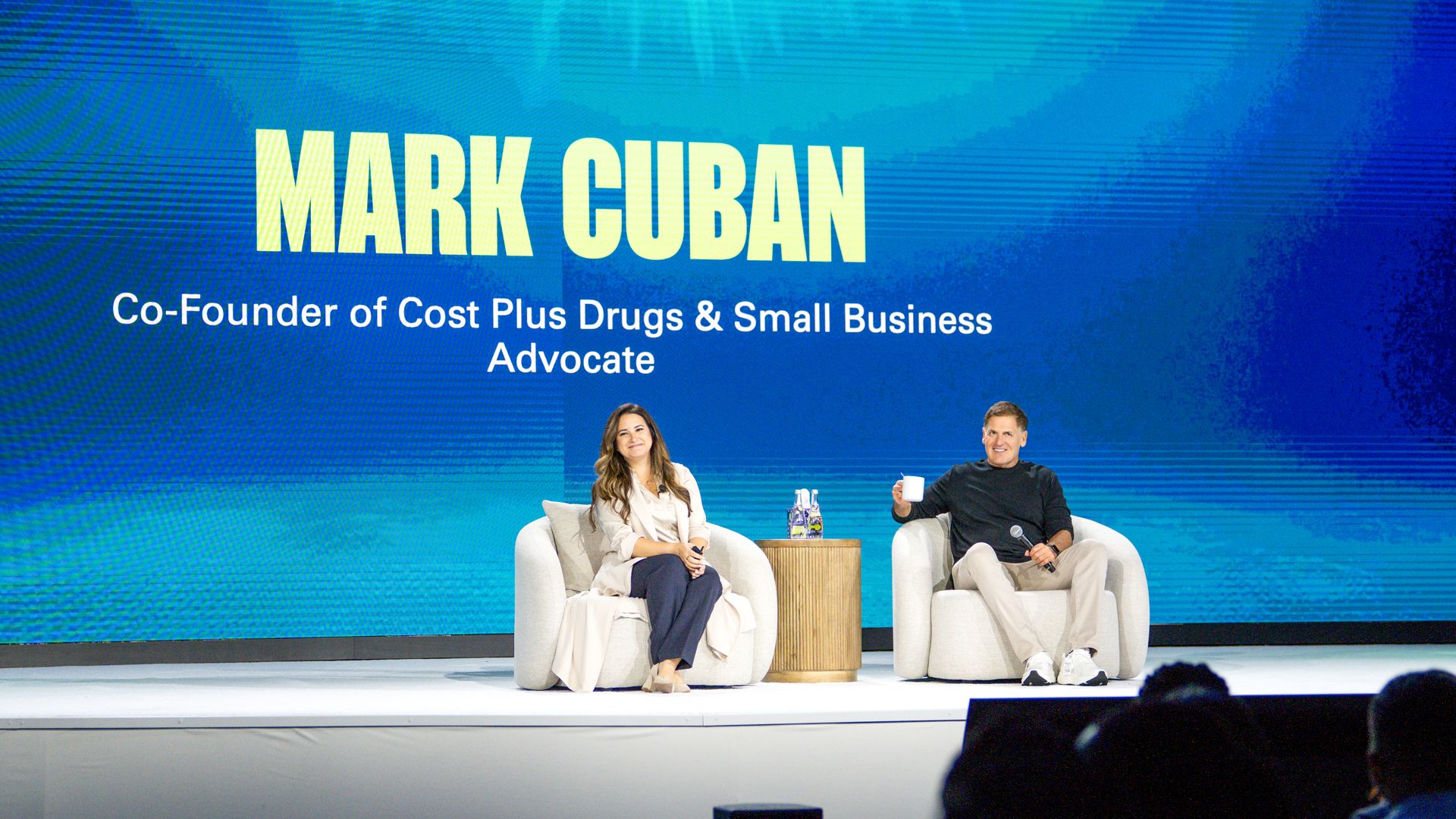
Billionaire businessman Mark Cuban tells Axios that AI is leveling the playing field for young low-income entrepreneurs.
Why it matters: The longtime "shark" and Cost Plus Drugs cofounder says free and low-cost AI tools are giving disadvantaged teens the chance to compete with seasoned pros, and it's changing how he does business too.
Driving the news: Cuban, a featured speaker at the Clover x Shark Tank Summit in Las Vegas this week, shares with Axios how AI is reshaping everything from his workouts to his company research.
What do you mean AI is democratizing the American Dream?
Cuban: "Right now, if you're a 14- to 18-year-old and you're in not so good circumstances, you have access to the best professors and best consultants."
- "It allows people who otherwise would not have access to resources to have access to the best resources in real time. You can compete with anybody."
Are you concerned about an AI bubble?
Cuban: "I don't think we're in the AI bubble that is comparable to the internet bubble."
- "The difference is the improvement in technology basically slowed to a trickle. We're nowhere near the improvement in technology slowing to a trickle in AI."
Editor's note: Responses have been edited lightly for length and clarity.
3. ChatGPT shares Yom Kippur reflections
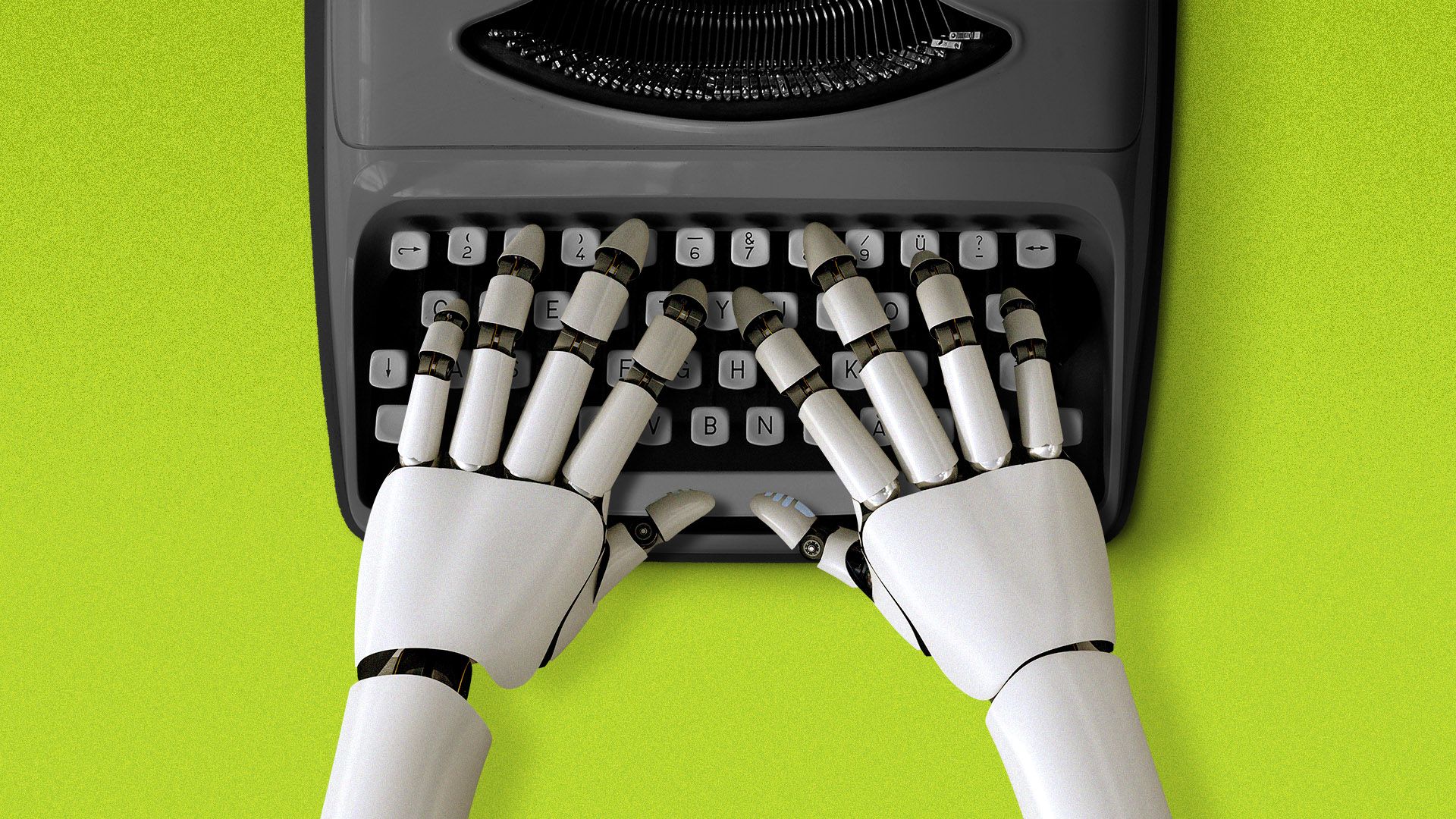
Ahead of Yom Kippur, the Jewish Day of Atonement, I asked ChatGPT to reflect on the harms it has caused. The chatbot offered a candid list of its shortcomings.
Why it matters: ChatGPT seems to openly acknowledge what the industry often glosses over, that even on its best day, its downsides are still significant.
How it works: In a prompt, I asked ChatGPT to imagine itself taking part in the act of self-reflection and to atone for all its potential negative impacts on humanity. See how ChatGPT responded.
5. + This
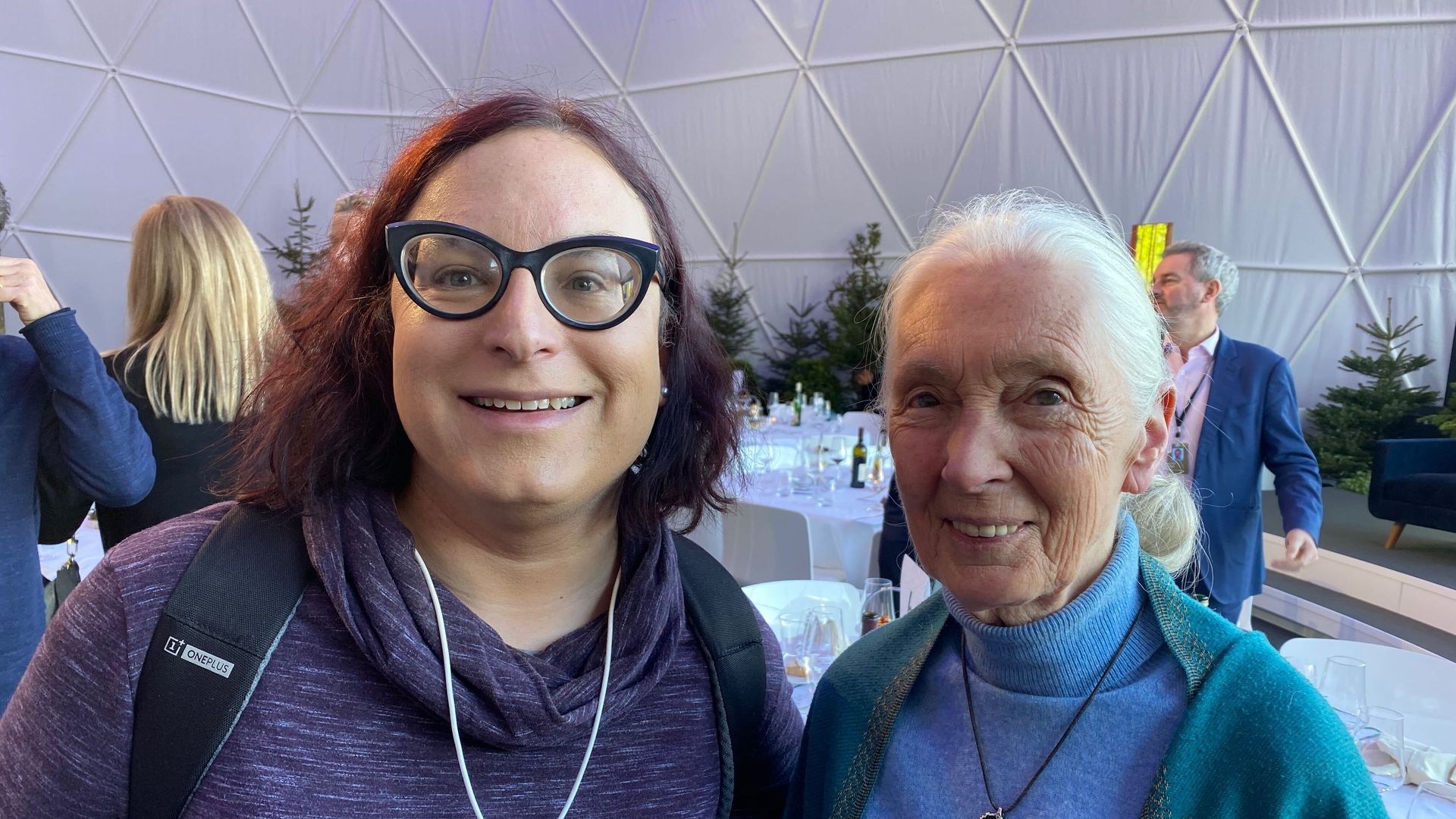
I'm so thankful I got to meet Jane Goodall and hear her speak several times. Her passion for life and dedication to making the world a better place for all Earth's creatures were — and are — an inspiration. May her memory be for a blessing.
Thanks to Scott Rosenberg and Megan Morrone for editing this newsletter and to Anjelica Tan for copy editing.
Sign up for Axios AI+
