Axios AI+
May 22, 2025

So, uh, yesterday wasn't the quiet day I was hoping for. Today's AI+ is 1,105 words, a 4-minute read.
1 big thing: OpenAI's big hardware bet
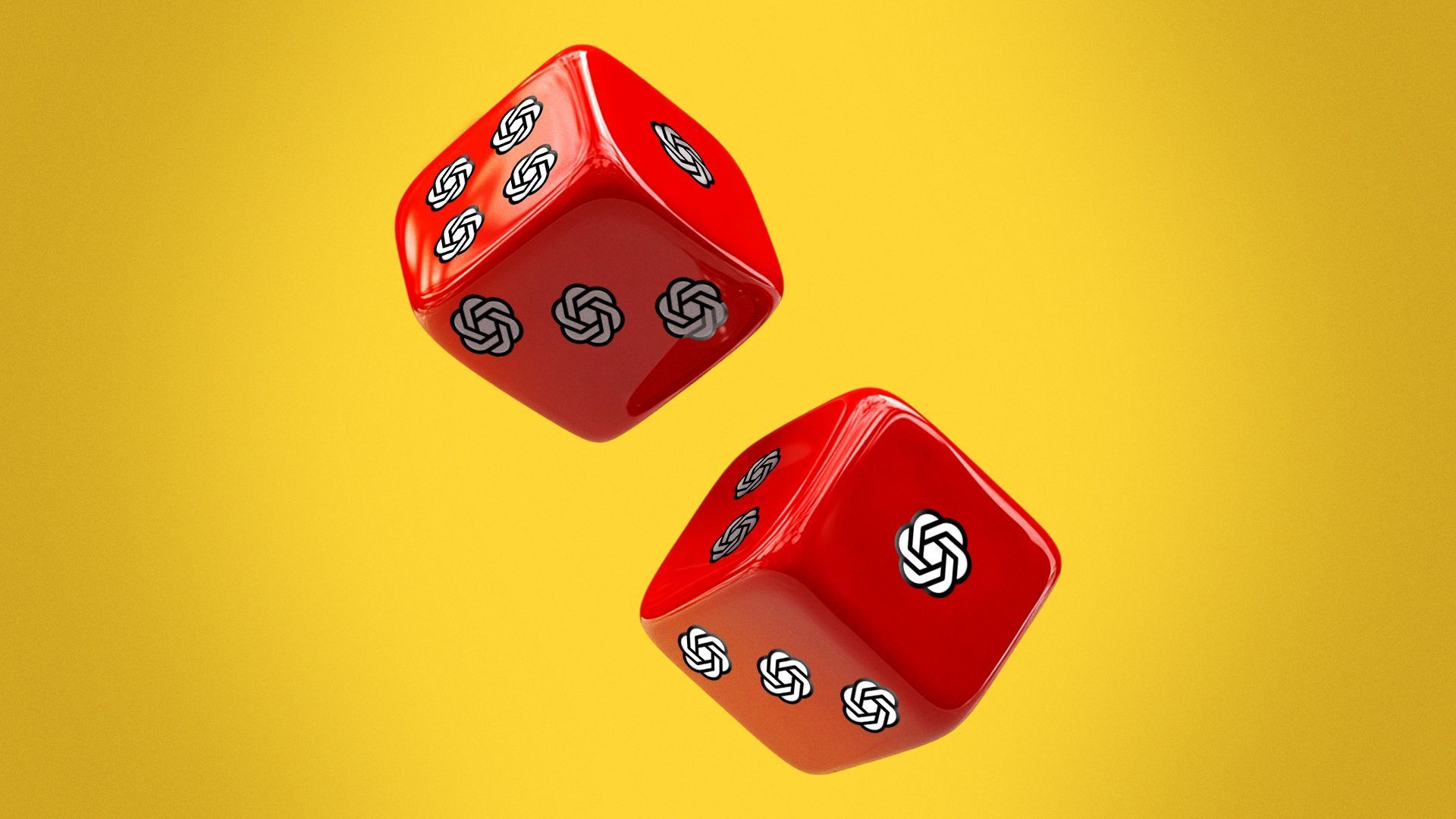
With its multibillion-dollar purchase of Apple design legend Jony Ive's startup, OpenAI is doubling down on a bet that the AI revolution will birth a new generation of novel consumer devices.
Why it matters: Just as the web first came to us on the personal computer and the cloud enabled the rise of the smartphone, OpenAI's gamble is that AI's role as Silicon Valley's new platform will demand a different kind of hardware — and that Ive, who played a key role in designing the iPhone and other iconic Apple products, is the person to build it.
What they're saying: An OpenAI promo video features Ive and OpenAI CEO Sam Altman strolling through San Francisco's North Beach to meet for coffee at Francis Coppola's Zoetrope cafe.
- Ive tells Altman that we're still using "decades old" products, meaning PCs and smartphones, to connect with the "unimaginable technology" of today's AI — "so it's just common sense" to work on "something beyond these legacy products."
Between the lines: Altman has long pursued a strategy of shaping AI through devices as well as software.
- He was an early investor in Humane, whose Ai Pin device flopped, and is a co-founder of World (formerly Worldcoin), which is deploying its eyeball-scanning Orbs to verify human identity in a bot-filled world.
- At OpenAI's first-ever developer conference in 2023, Altman told Axios that major platform shifts usually usher in a new type of computing device. "If there's something amazing to do, we'll do it," he said.
- Late last year, OpenAI relaunched a hardware and robotics team, hiring former Meta executive Caitlin Kalinowski.
- Ive and Altman announced last year that they were collaborating on a hardware side project but have been tight-lipped about what their startup, named io, is working on, though Altman told me in an onstage interview last year that it wouldn't be a smartphone.
- The company may be pursuing "headphones and other devices with cameras," per the Wall Street Journal.
Altman loves a big bet, and this one is huge: billions in stock in exchange for Ive's talents and those of the rest of the team at io — which includes three other veteran Apple design leaders.
By the numbers: OpenAI said Wednesday it will pay $5 billion in stock to acquire the parts of io it doesn't already own.
- It already had a 23% stake in the company thanks to an exclusive partnership it signed in the fourth quarter of last year.
- Once the deal closes, which is expected to happen later this summer, the 55-person team behind io will join OpenAI, to be led by Peter Welinder. (Kalinowski will now report to Welinder rather than Altman.)
- Ive and his design firm, LoveFrom, will take on a major design role for OpenAI, though LoveFrom will remain independent and continue working on some other projects.
The big picture: Other big tech companies have also been investing in a post-smartphone hardware future.
- While investor interest in the metaverse has cooled, there's still a competitive market in VR headsets and a growing field of smart glasses as a delivery device for AI services.
- Meta has its Ray-Ban smart glasses. Google demonstrated its own prototype glasses, which include a small display. And Apple is reportedly working on augmented-reality glasses, too.
The intrigue: OpenAI's deal further seals Ive's exile from Apple, which started in 2019, and fully ties him to an emerging competitor.
Our thought bubble: Ive famously spent his career at Apple as Steve Jobs' creative partner.
- OpenAI's video presents the new Ive-Altman pairing as the natural successor to that team — with Sam as the new Steve and Apple left behind as a peddler of "legacy products."
What's next: OpenAI said that it will share the first fruits of its new hardware efforts next year, though there's no promise that anything will be shipping that soon.
2. Return of the bipartisan deepfakes bill

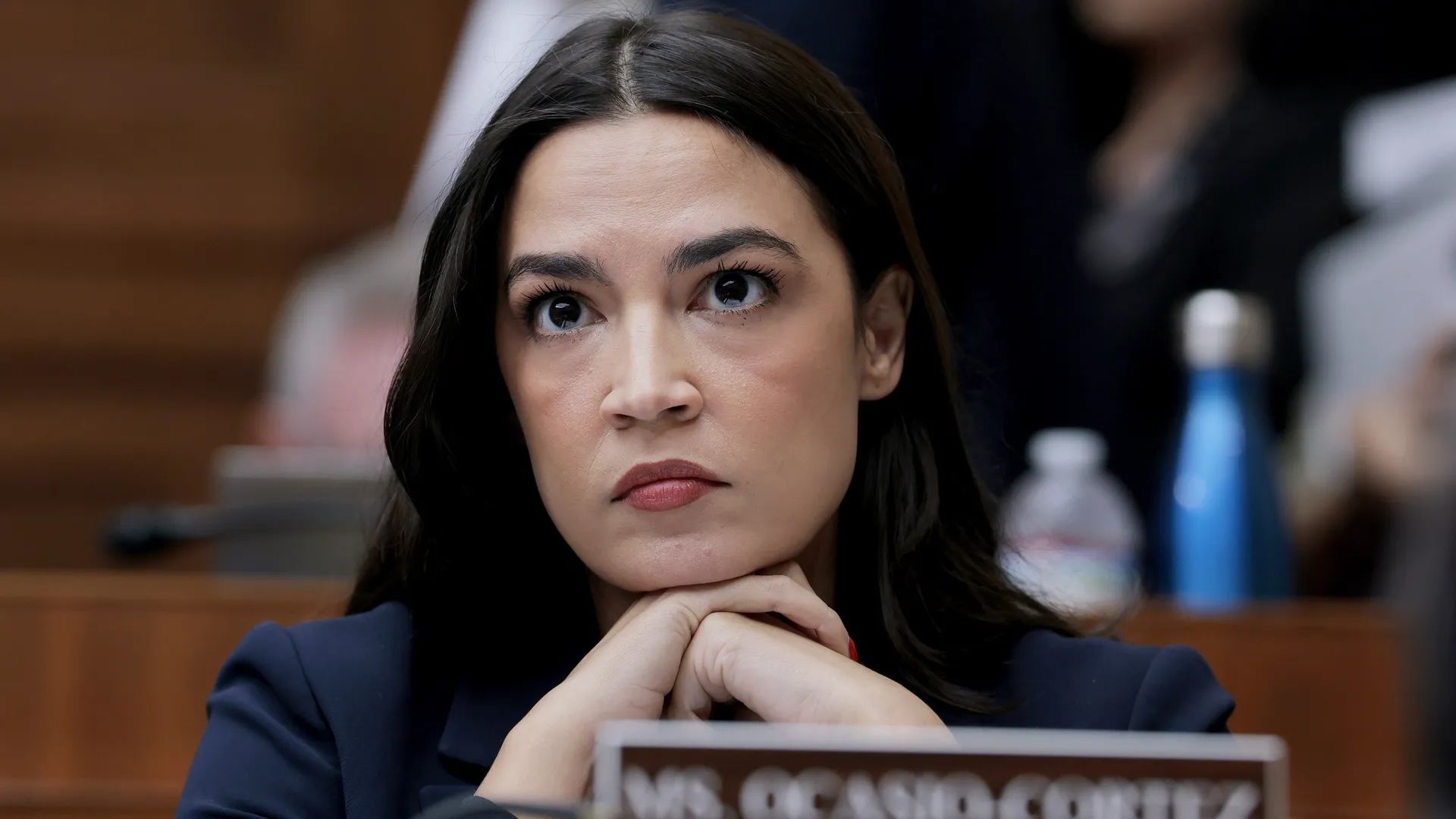
A bill to give legal recourse to victims of intimate digital forgeries was reintroduced in the House yesterday, following the signing of another bill to crack down on those forgeries.
Why it matters: The proliferation of increasingly accessible and lifelike AI graphics for both still images and video have made it easy to pull off malicious impersonations for scams, revenge schemes and celebrity-image exploitation.
Driving the news: The DEFIANCE Act, led by Reps. Alexandria Ocasio-Cortez (D-N.Y.) and Laurel Lee (R-Fla.), has bipartisan support and is viewed by advocates as being on a glide path.
- The action in Congress comes right after President Trump signed the TAKE IT DOWN Act on Monday, another bill to combat child sexual abuse material (CSAM) and nonconsensual intimate images (NCII).
What we're watching: Sexual Violence Prevention Association founder and CEO Omny Miranda Martone said DEFIANCE is likely to move through Congress similarly to TAKE IT DOWN — passing the Senate "very quickly," and then the House a few months later.
- Martone's organization helped write both bills. Sponsors and advocates view the two as working in tandem.
What's inside: While TAKE IT DOWN criminalizes the publication of CSAM and NCII, DEFIANCE would create a civil right of action for victims.
- Unlike TAKE IT DOWN, DEFIANCE has the support of free speech advocates like the Center for Democracy and Technology.
What they're saying: A staffer for Ocasio-Cortez said DEFIANCE is "one tool in the toolkit."
- "We definitely see this as a first step and think there's a lot more work to be done on AI," the staffer said.
- Neither bill goes after Section 230, tech's liability shield, to hold companies accountable — a policy solution that historically has struggled to get across the finish line.
The intrigue: First Lady Melania Trump's backing was crucial to getting TAKE IT DOWN across the finish line, and her support could be useful again with DEFIANCE.
What's next: Sens. Dick Durbin and Lindsey Graham are leading efforts in the upper chamber.
- DEFIANCE and other bills came up during a Senate Judiciary deepfakes hearing on Wednesday.
3. Training data
- Google is testing various ways to incorporate advertising into its new AI Mode in search. (TechCrunch)
- Fully understanding just how much energy is being used every time someone types in an AI prompt is tricky, but MIT Technology Review took a stab at adding it all up.
4. + This
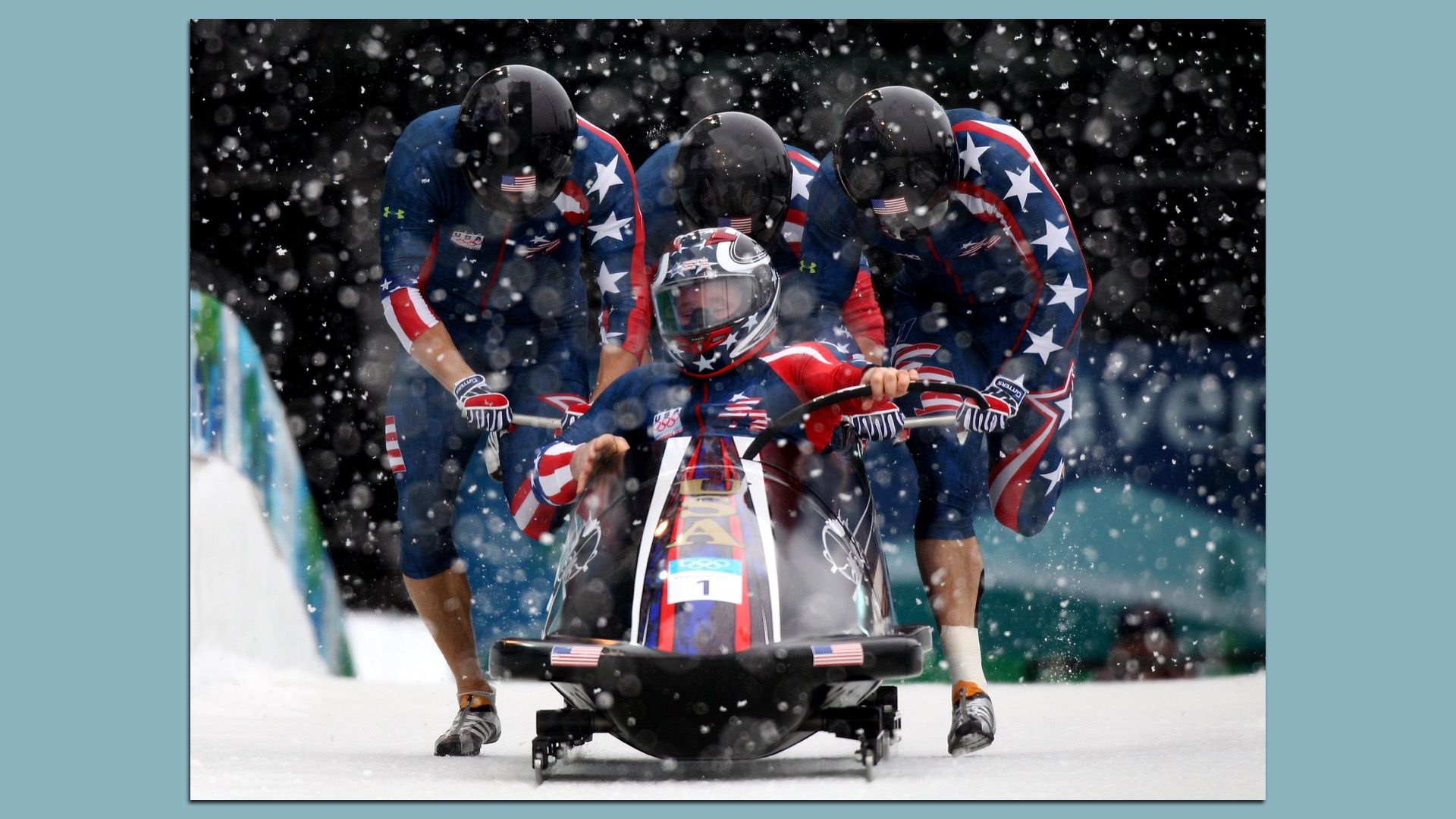
A belated congrats to the members of the Night Train bobsled team for their recent induction into the U.S. Olympic and Paralympic Hall of Fame.
- I had the privilege of covering Steven Holcomb, Steve Mesler, Curtis Tomasevicz and Justin Olsen as they won the gold medal at the 2010 Winter Olympics, ending a 62-year drought for the U.S. in the event.
- The honor is bittersweet for the team, with Holcomb having died in 2017, following battles with depression.
Thanks to Scott Rosenberg and Megan Morrone for editing this newsletter and Matt Piper for copy editing.
Sign up for Axios AI+
