Axios AI+

June 05, 2025

Whew. That was a lot. Thanks to everyone who joined us in person or on the livestream at our AI+ Summit in New York City yesterday. See you in D.C. in September.
Today's AI+ is 1,153 words, a 4.5-minute read.
1 big thing: AI's crossover moment

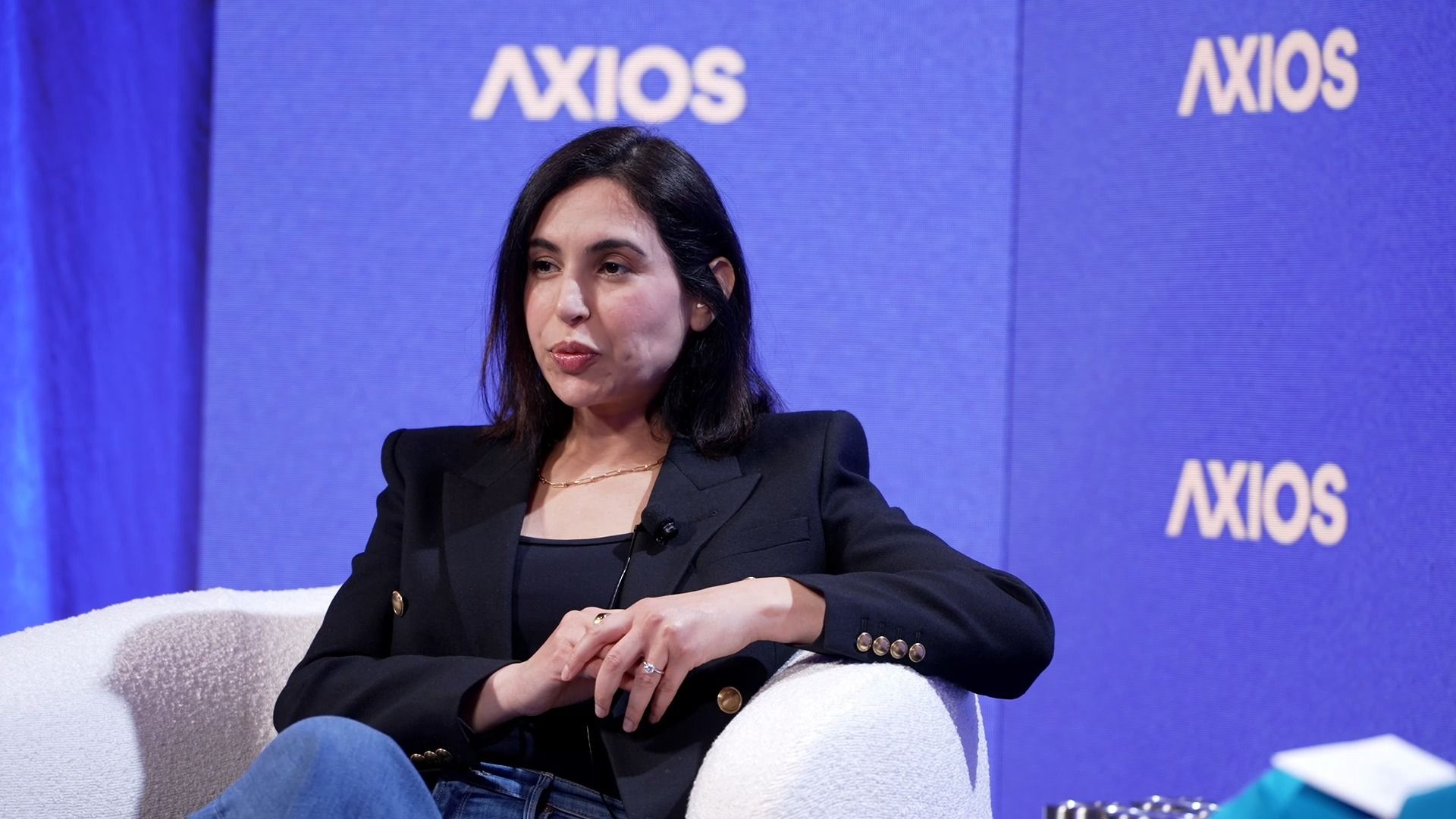
AI is hitting multiple tipping points in its impact on the tech industry, communication, government and human culture — and speakers at Axios' AI+ Summit in New York yesterday mapped the transformative moment.
1. The software business is the first to feel AI's full force, and we're just beginning to see what happens when companies start using AI tools to accelerate advances in AI itself.
- "We're using agents to build agents," May Habib, CEO of Writer, told Ina.
- "We've been saying for a long time that software is eating the world — now AI is eating the software," said Danny Allan, CTO of AI-security firm Snyk.
2. Chatbots are changing how people interact with one another.
- Boston Consulting Group managing director Vladimir Lukic said he's now using AI to game out conversations with CEOs in advance of meetings.
- When he tells them that he's asked a chatbot what questions the CEO is likely to ask him, the CEO will invariably want to know the prediction — and that ends up being what they talk about.
3. Government isn't likely to moderate AI's risks.
- With the Trump administration and GOP-controlled Congress largely pulling back from AI regulation, New York Gov. Kathy Hochul sounded an alarm over a provision in the House-approved Trump spending bill that would bar states from passing new AI rules for a decade.
- "We have to stop this," she said, "but I'm right now not holding my breath" that Washington will reverse course.
4. Culture makers fear AI will undermine the urge to create.
- AI builders used mountains of "publicly available" data assembled from the collected creative works of humankind in order to train their models.
- But their failure to obtain consent or provide compensation is fueling a mass devaluation of human contributions to culture, actor Joseph Gordon-Levitt told Ina.
- If we don't change that, Gordon-Levitt said, "we get to a place where humans have no economic incentive to strive, to be excellent, to be creative, to have ideas."
2. Gordon-Levitt: AI's creative peril

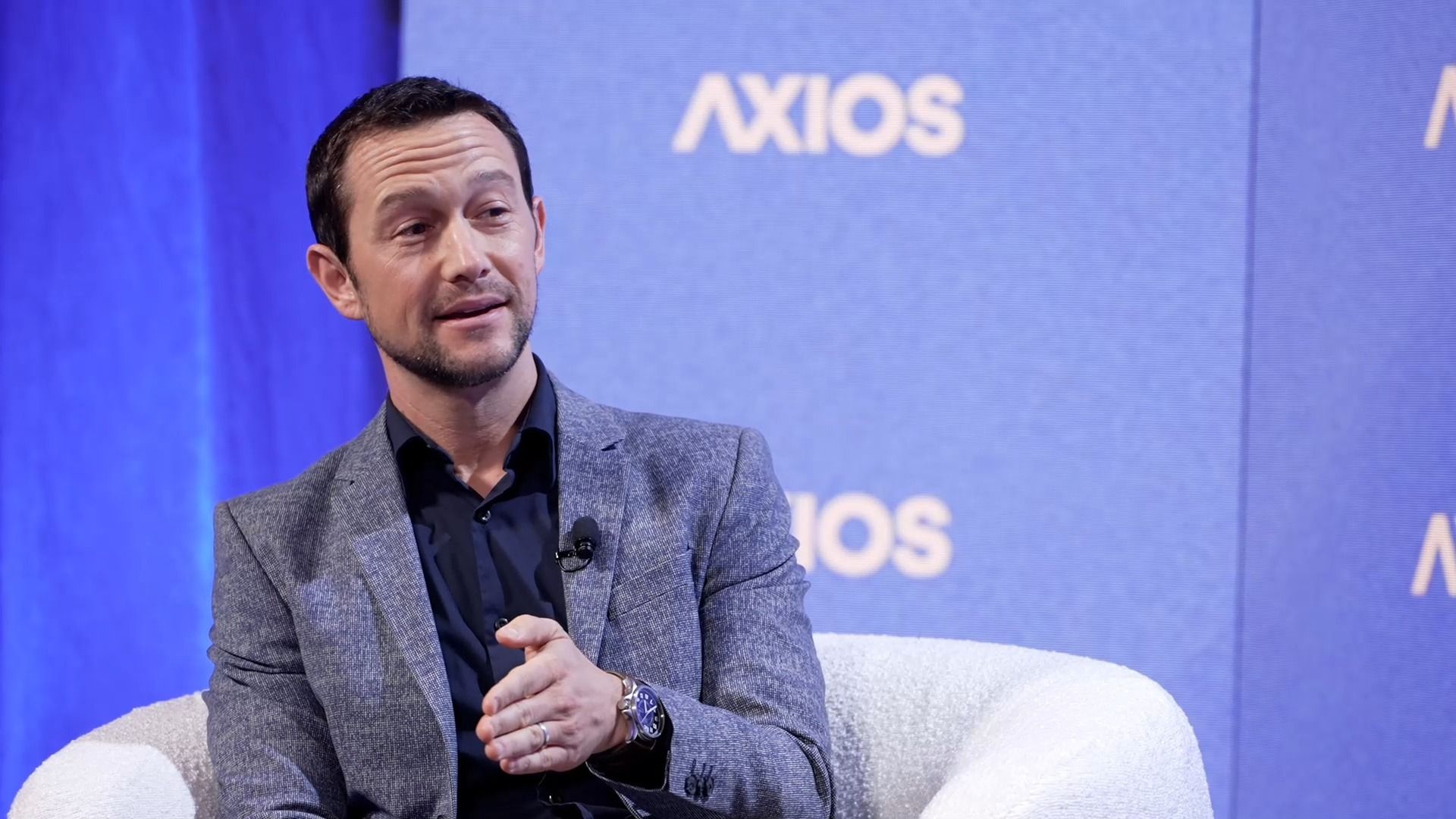
Actor Joseph Gordon-Levitt said the tech and entertainment industries need to work together to figure out how human creators can be motivated and rewarded in an AI world.
What he's saying: "I'd love to be like a pure punk rock artist and be like, art isn't about the money," Gordon-Levitt told Ina. "But on the other hand, what really happens if you don't pay artists is not a punk rock thing."
- He continued, "What happens is all the biggest corporate giants just own everything and control everything."
Zoom in: Gordon-Levitt argued it's a basic principle that when humans contribute or create something, or do anything that then makes money, there's economic value in it.
- He compared that principle to AI as an industry. "The data that we're using to train these AI models, the humans that produce that data, they own 0% of the economic value," he said.
- If the tech companies own 100% of that economic value, "where does that lead in the future?" he questioned.
The bottom line: A "gargantuan force" like YouTube, Gordon-Levitt said, could set a new standard by protecting creators instead of using their work to train AI without compensation.
- Massive companies like Google, he noted, could lead the way for others and say: "We want to be a platform where there still is an incentive for all these awesome creators who have made our platform what it is for the last two decades to keep creating."
3. Hochul: Let states regulate AI
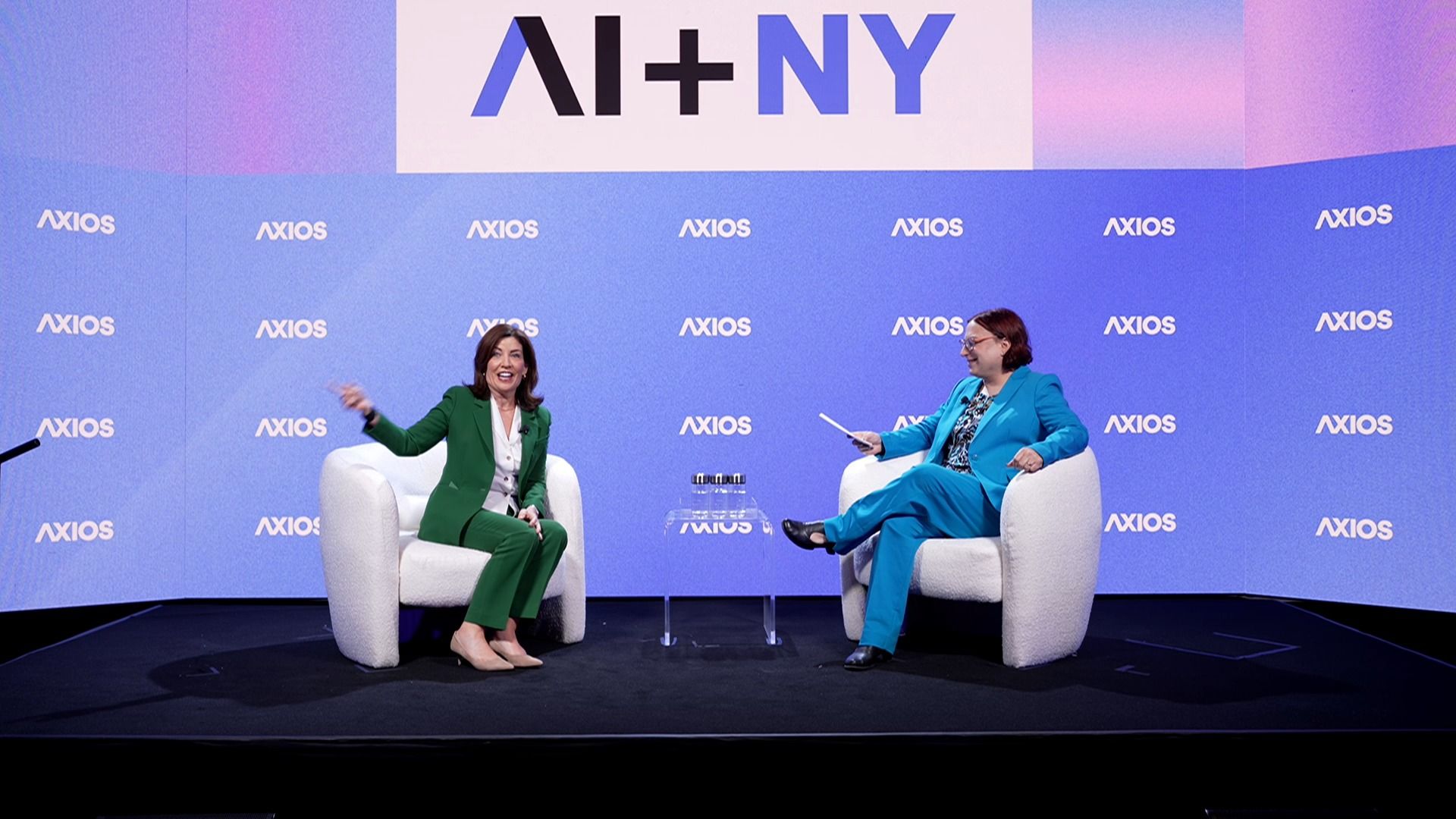
New York Gov. Kathy Hochul (D) said that lawmakers who claim they didn't read the GOP spending bill closely enough to notice its ban on state AI regulations could have just asked ChatGPT to point out anything they should "worry about" in the text.
The big picture: Hochul spoke about the economic, political and social consequences of AI — from training workforces to children's safety — in an interview with Ina at the summit yesterday.
Hochul took a dig at Rep. Marjorie Taylor Greene (R-Ga.) for saying she didn't know the GOP tax bill that passed the House last month included a provision that would ban states and municipalities from regulating AI for 10 years.
- Hochul referenced Greene, who sits on the House Oversight Committee, without naming her when mentioning testimony the New York governor will make next week on Capitol Hill with other Democratic governors about immigration policies.
- "They're claiming they did not know that there was a 10-year ban on any ... AI" regulation, she said. "You voted for it. Just ask ChatGPT. ... Just some humble advice for them."
She called out the GOP spending bill for that provision, calling it a "concerning" move by House Republicans.
- Hochul indicated it jeopardizes New York's 2024 law limiting the use of AI algorithms on social media used by teenagers.
AI doesn't have to replace jobs, Hochul said.
- "AI can increase productivity dramatically," the governor said, adding that she's not looking to eliminate jobs. "I want ... people to have a better customer experience when they come into a DMV or other offices, so I see great potential here."
"I'm New York state's first mom governor, and I look out for all the kids," she said regarding online safety.
- "So that's where I approach this from, is what we can do to protect our children, but not unnecessarily constrain what AI is all about and the potential?
4. Katzenberg: AI tools to keep kids safe online

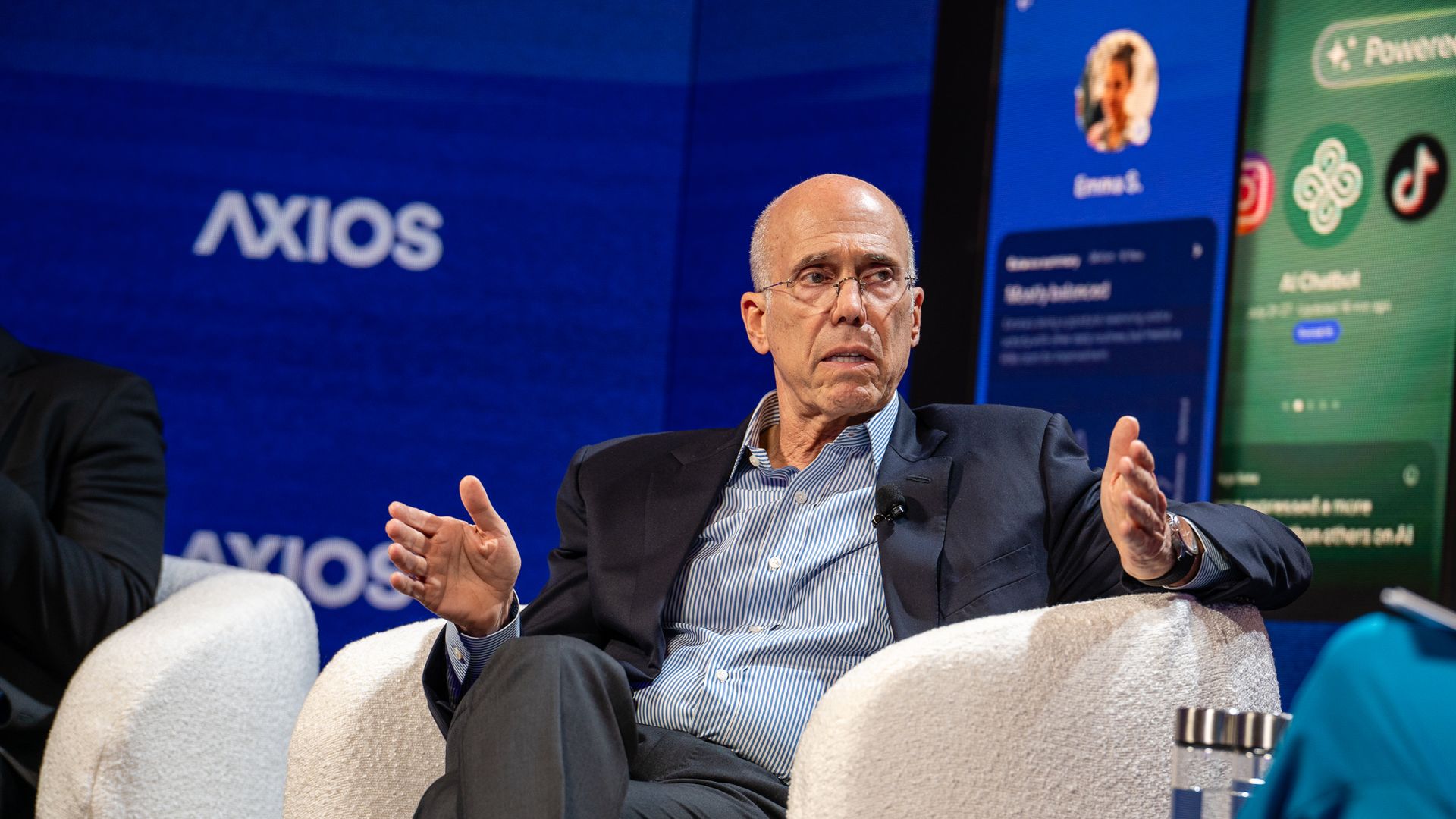
Hollywood giant Jeffrey Katzenberg warned that kids' "unsupervised, unparented" access to technology "is destroying a generation."
The big picture: By 11, over half of children have a smartphone — but research has found screen time has played a key role in the youth mental health crisis.
- Katzenberg, an entertainment executive turned technology investment firm co-founder, is a backer of Hari Ravichandran's digital security firm Aura, which provides online safety tools for families and individuals.
- Aura recently launched an AI-powered tool that helps parents analyze their children's behavior and engagement online without actually spying on their messages and interactions.
Driving the news: "Today, you can have a teenager sitting across the table from you and you don't actually know who they're with, what they're doing, or really where they're at," Katzenberg told Ina.
5. Training data
- Reddit is suing Anthropic, claiming the AI company scraped its site and continued to do so even after it said that it had stopped. (Wall Street Journal)
- ChatGPT's subscription versions will now take notes in meetings for you and will connect to Google Drive, Dropbox, Box, Sharepoint, and OneDrive. (The Verge)
- LinkedIn CEO Ryan Roslansky will now also lead the Office, Outlook and Microsoft 365 Copilot app teams as part of an AI shakeup at Microsoft, LinkedIn's parent company. (The Verge)
- A vendor of credit cards targeting conservative customers used Google's Veo 3 video generator to make a TV commercial it's airing nationally. (Axios)
6. + This
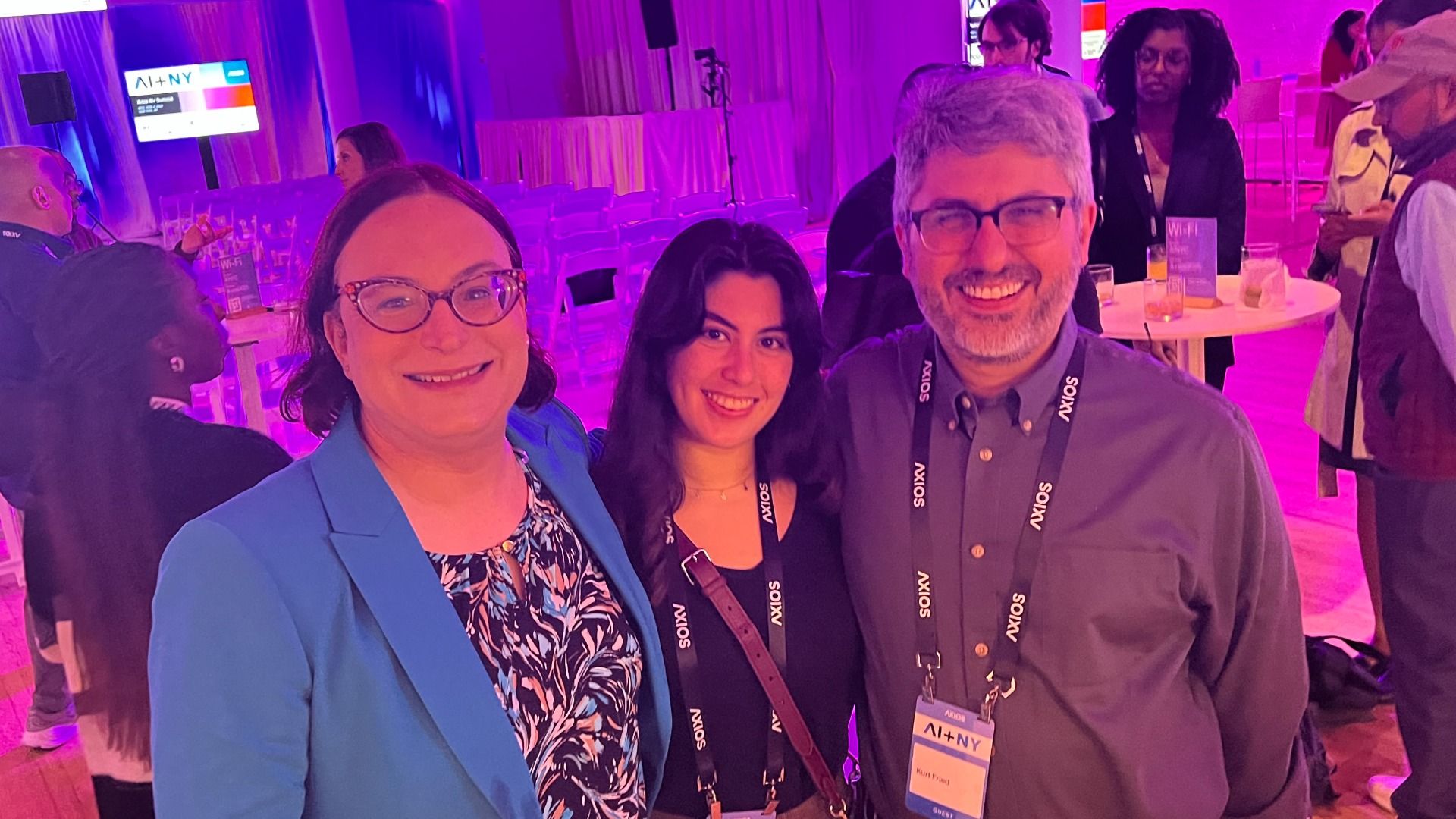
Was super glad to have my cousins Kurt and Madelyn in the house for the summit.
Thanks to Scott Rosenberg and Megan Morrone for editing this newsletter and Matt Piper for copy editing.
Sign up for Axios AI+
