Axios AI+

June 04, 2026


Thanks to everyone who joined us at our AI+ Summit in New York City or watched the livestream. Catch up below.
Today's AI+ is 1,234 words, a 4.5-minute read.
1 big thing: AI bias risks harm to LGBTQ+ communities

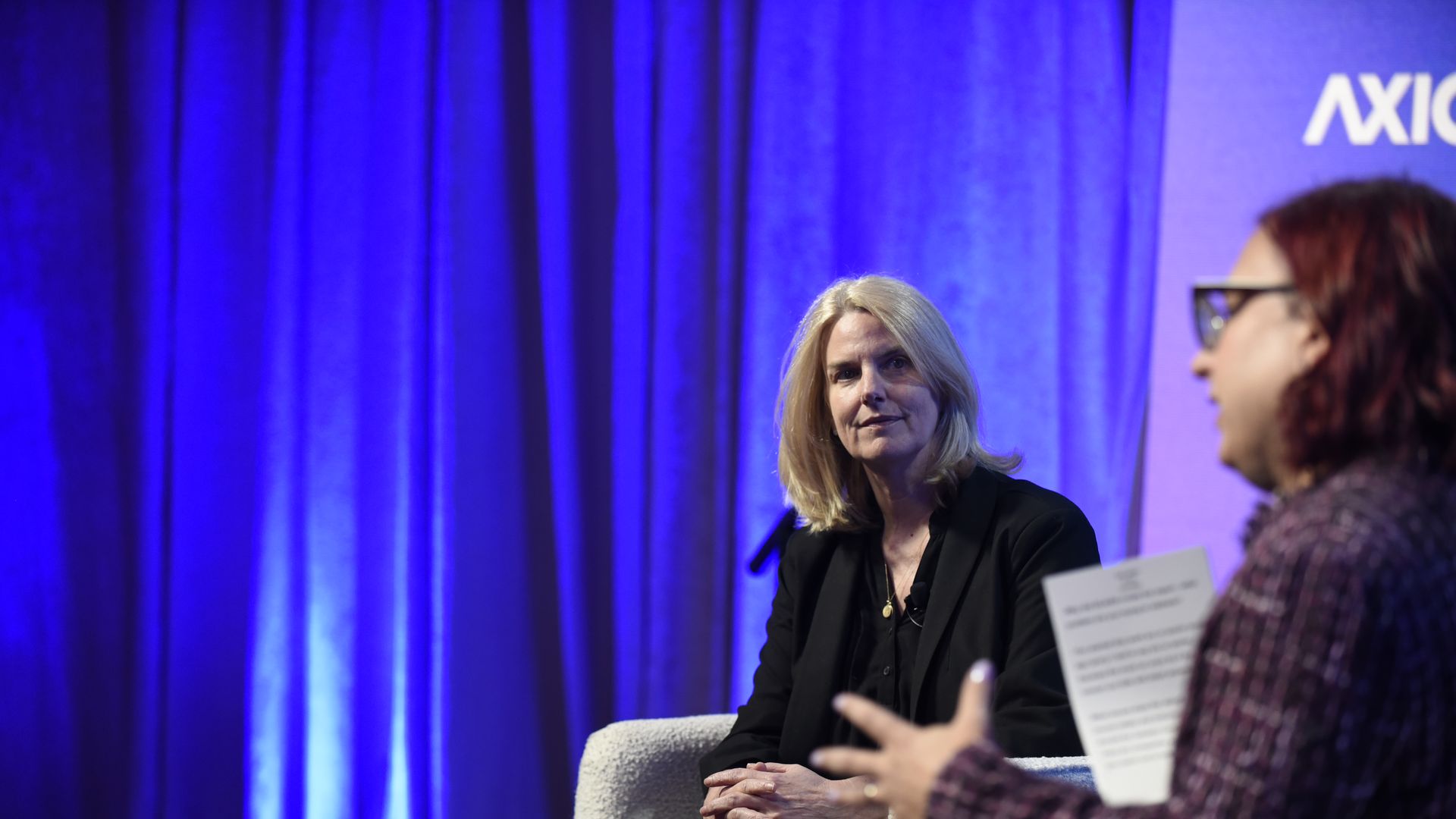
GLAAD's CEO warned at Axios' AI+ NY Summit that biased AI training data can reinforce harmful stereotypes and create real-world risks for LGBTQ+ people.
Why it matters: AI is increasingly embedded across platforms, and companies must ensure it is trained responsibly because the harm can extend far beyond digital communications.
What they're saying: "I think you'd have to be asleep at the wheel to not see the attacks that are happening against the LGBTQ community, mostly the trans and nonbinary community, but it's all happening together," Sarah Kate Ellis told Ina yesterday.
- "What that means, though, is that as these AI models are learning, they're learning with this information and rhetoric coming into them," she said.
Zoom in: Ellis previewed an upcoming GLAAD report outlining recommendations to reduce bias in AI systems.
- She said errors in proprietary models such as ChatGPT, Gemini and Claude can spread across dependent systems.
- Therefore, those foundational models need to ensure their material is accurate.
Zoom out: Ellis also stressed the need for strong privacy controls on chatbots, including the ability to opt out of sharing your information with the agents to protect against potential persecution.
- "AI models can detect who you are by the questions you ask and what you're doing, and in 60 countries it's still illegal to be LGBTQ+. So if you're criminalized in a country and it's now identifying you as LGBTQ, there is some real risk there."
The bottom line: If AI isn't properly trained to represent LGBTQ+ people, it fails everyone, Ellis said.
- "If you just think about putting 1% of the money that all these folks are raising to help fix the foundation of this, it would go an enormous way to make this a safer platform, not just for LGBTQ people, but for everyone and every family," she said.
- "Trust is the biggest currency with AI, and whoever wins this trust war wins the AI war."
2. Yahoo's new AI tools for NBA fans and investors

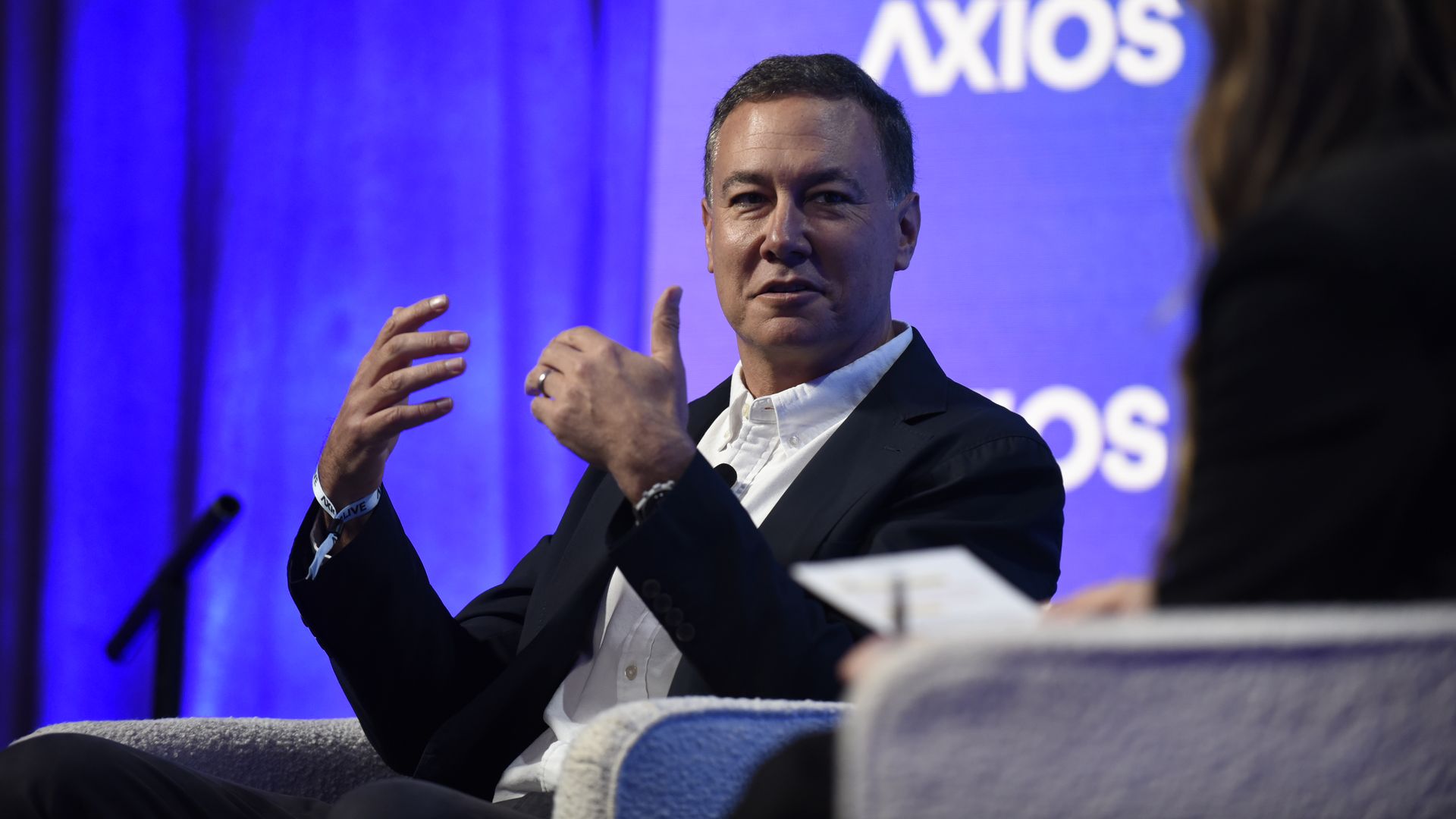
Yahoo is launching two products powered by its AI answer engine Yahoo Scout for its sports and finance verticals, CEO Jim Lanzone announced yesterday at Axios' AI+ NY Summit.
Why it matters: As more people turn to ChatGPT, Gemini and other AI assistants for information, Yahoo is betting on its trust and expertise, and building new experiences to make it more accessible.
Zoom in: Released for the NBA Draft, Yahoo Sports' "Ask Kevin O'Connor" feature lets people ask questions and receive AI-generated responses based on O'Connor's analysis and written voice.
- The responses pull from his NBA Draft Guide, coverage and show along with player and team stats. O'Connor joined Yahoo Sports as NBA senior analyst in 2024 and has covered the league since 2013. Unrelated questions are redirected to Scout.
- The feature is designed as a limited-time experience. Yahoo plans to keep it live for several days after the draft to help fans research drafted and undrafted players before ending it by the end of June.
- Yahoo Finance's "Ask Yahoo Scout" provides answers to questions about stocks, markets and companies using the site's news coverage and data, plus other trusted online sources.
Catch up quick: Yahoo announced Scout in January as a standalone site and app. MyScout, a personalized homepage, launched in March.
- Yahoo ranks as the third-largest U.S. web property, with 250 million monthly users in the U.S., and 75% of its impressions are logged-in users, Lanzone said.
What we're watching: Lanzone dodged a question on AI usage costs, noting the company has the benefit of being private. Apollo Global Management acquired Yahoo in 2021.
- "The plan is not to stay private forever," Lanzone said. "We still have some things that we want to accomplish internally before we would start to really think about pushing forward on that. ... I don't think it's too far off."
3. Hasbro licenses Mr. Potato Head for AI

Hasbro announced a new effort to license AI versions of Mr. Potato Head and other popular characters, including their signature voices.
Why it matters: The move comes as consumer brands are trying to find ways to safely bring their characters into the AI era.
Driving the news: Hasbro, which made the announcement at the Axios AI+ NY Summit, is setting up a new unit known as Sixth Wall to handle the licensing effort.
- Hasbro said it will make 11 of its characters available including Mr. Potato Head, Megatron, Cobra Commander, and the cast of Clue, with more expected later this year.
- The toymaker is working with real actors and ElevenLabs, which specializes in voice AI, to ensure that the characters have the voice that fans have come to know in movies and TV shows.
The intrigue: Hasbro is pursuing a business-to-business strategy rather than creating new consumer products.
Between the lines: The new effort seeks to change today's default, where AI image and video generators often surface copyrighted characters, but without permission or compensation to the people and companies that create them.
- "It is built around a creator-first model that gives voice talent and creatives a meaningful seat at the table," Hasbro CEO Chris Cocks said. "It gives brands a trusted way to bring characters into new AI-enabled platforms without losing what makes them authentic."
Zoom in: Hasbro said it is not aiming its products at those under 13 and is still exploring the best way to bring AI-equipped toys to younger audiences as well as engaging in "broader industry discussions around safety standards and voluntary guardrails for AI-enabled play experiences."
- Mattel said last year it was working with OpenAI on toys for older kids using its franchises, but has yet to unveil any products.
4. SpaceX plans to raise $75B in its IPO


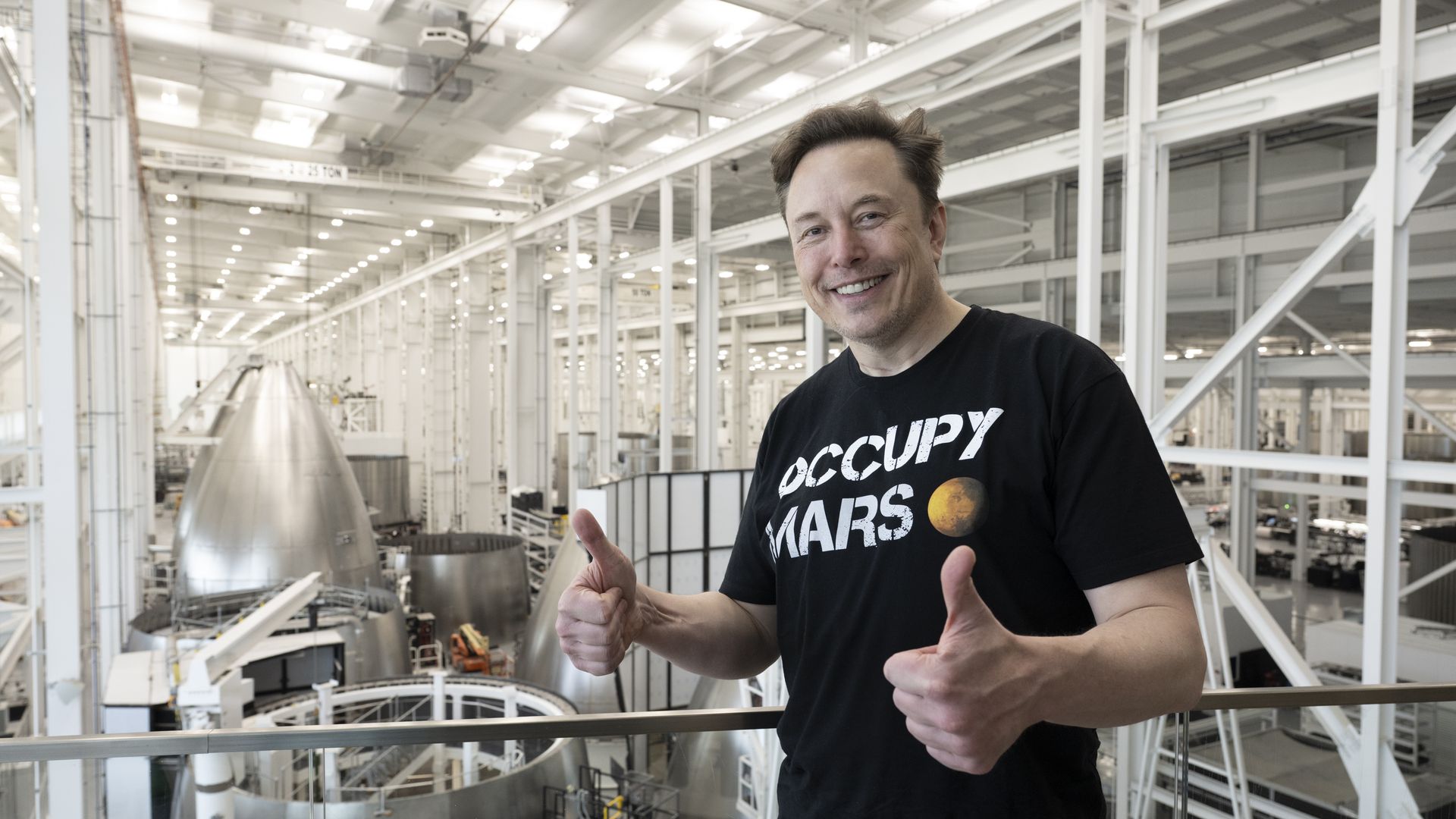
SpaceX disclosed yesterday that it plans to raise $75 billion in its initial public offering, which is expected to occur within a few weeks.
Why it matters: This would be the largest IPO ever, and it's not even close.
- The current global record is $29.4 billion by Saudi oil giant Aramco in late 2019, while the U.S. exchange mark was set in 2014 by China's Alibaba with $25 billion.
Zoom in: SpaceX says that it plans to offer 555.6 million shares at $135 per share.
- It would be valued at about $1.75 trillion at that price.
The big picture: SpaceX began as a space launch company and currently makes most of its money from the Starlink connectivity service.
- Its bigger bet is AI and orbital data centers.
- Musk's company argues the AI sector offers $26.5 trillion in total addressable market (TAM) — a figure that's impossible to verify. For context, the entire U.S. gross domestic product is around $32 trillion.
5. Training data
- Alphabet will sell $80 billion in shares to help pay for its AI data centers. (Axios)
- Online publishers in the U.K. can opt out of appearing in Google's AI Overviews, after complaints of drops in traffic. (BBC)
- Exclusive: IBM CEO Arvind Krishna backs Trump's new AI executive order, preferring light government guardrails over more active intervention. (Axios)
6. + This

We hoped to spot Wemby crying near Madison Square Garden, close to our AI+ Summit. Alas, his game against the Knicks was in San Antonio.
Madison did go to an NBA Finals watch party at the Garden, while Ina took in a Liberty game in Brooklyn.
Read about Victor Wembanyama in Axios San Antonio.
Thanks to Megan Morrone for editing this newsletter and Matt Piper for copy editing.
Sign up for Axios AI+
