Axios AI+

November 20, 2026



Happy Friday! Maria here to say that while GTA is obviously great, it would take a revamp of Crash Bandicoot to get me back on a PlayStation.
Today's AI+ is 1,117 words, a 4-minute read.
1 big thing: Anthropic gets hit by AI trade uncertainty

Anthropic officially surpassed SpaceX to pull off the largest IPO in history after underwriters exercised the greenshoe option to purchase more shares, but the stock tumbled in the early hours today amid a broader rout of tech stocks.
Why it matters: Anthropic may not be fully immune to Wall Street's broader tech uncertainty.
State of play: Anthropic shares jumped 17% on its first day of trading, but the stock fell over 12% in premarket trading this morning.
- The AI company ultimately raised $93.5 billion from the IPO, marking the largest stock sale ever, yielding a $1.7 trillion valuation and making the company more valuable than Meta.
Yes, but: The optimism hit a wall this morning as the stock tumbled.
- The drop could be due to selling pressure from employees who are able to sell shares immediately, as well as investors who are looking to return capital to their LPs, Brandon Ross, partner at LightShed Partners, said on Bloomberg TV.
Zoom in: Some employees were told to sell on day one to decrease their exposure to the company and the tech trade as a whole, as uncertainty about the AI-driven market rises, sources tell Axios.
- Unlike with other IPOs, eligible Anthropic employees can sell up to 10% of their vested shares on day one, totaling 315 million shares.
- Typically, companies have a 180-day lockup period.
What they're saying: Anthropic's early investors aren't trying to "time the market" with the stock or its IPO.
- "You just have this long-term mentality. It is important to us as a company that we are in the public markets, and [Anthropic] executed to that really, really well," Lightspeed partner Guru Chahal told Axios.
- Sebastian Duesterhoeft, a partner at Lightspeed, told Axios that Anthropic has a history of overdelivering despite challenging circumstances: It wasn't as well funded early on as competitors, it started later, and, now, it's gone public in the midst of a tech sell-off.
- Lightspeed's initial $3.5 billion Anthropic investment is now valued at about $25 billion.
The big picture: Anthropic is in the early innings for enterprise adoption, many investors told Axios.
- "This year, an enterprise that was spending $1 with them on average last year is spending $9 with them this year. That's a 900% net dollar retention. That's the number to focus on," Chahal said.
The bottom line: Anthropic is now public, meaning days of wild swings for the stock are just beginning.
2. Scoop: Cairncross out, Davies in as cyber boss


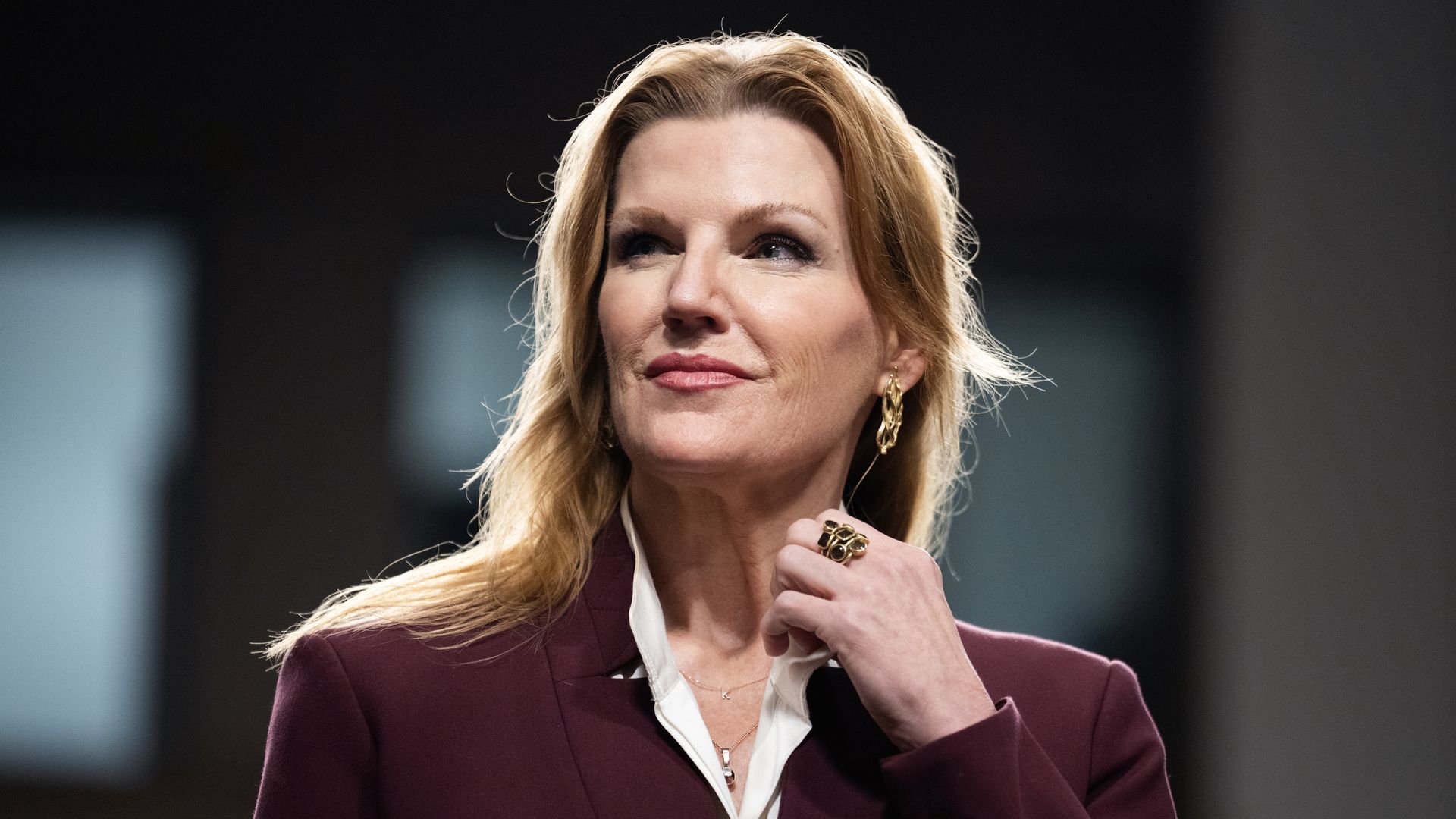
The White House named Kirsten A. Davies to be its new national cyber director yesterday as President Trump overhauls his AI team.
Why it matters: Davies, who currently serves as the Pentagon's chief information officer, has more experience in the field than the outgoing director, Sean Cairncross, who stepped down yesterday.
- Axios was the first to report his departure.
Behind the scenes: Cairncross' departure was described as amicable by two sources.
- But two White House officials said Trump's new chief of staff, Stephen Miller, sought the change and pushed out Cairncross because, one said, he "lacked the strong cyber credentials to perform the job."
- The search for Cairncross' replacement began two weeks ago, a third source said.
Zoom out: The position requires Senate confirmation. Davies previously was cleared by the Senate as the Defense Department's chief information officer.
- "Kirsten has the credentials to excel in this position and has already been Senate-confirmed," an administration official said.
At the Pentagon, Davies has been the top adviser to Defense Secretary Pete Hegseth "on all matters relating to information management, information technology, cybersecurity, and information assurance," according to her bio.
- Before serving in the Trump administration, Davies worked for Unilever and "led global cyber resilience for one of the world's largest consumer goods enterprises," her bio says.
3. Meta rethinks climate goal as emissions soar

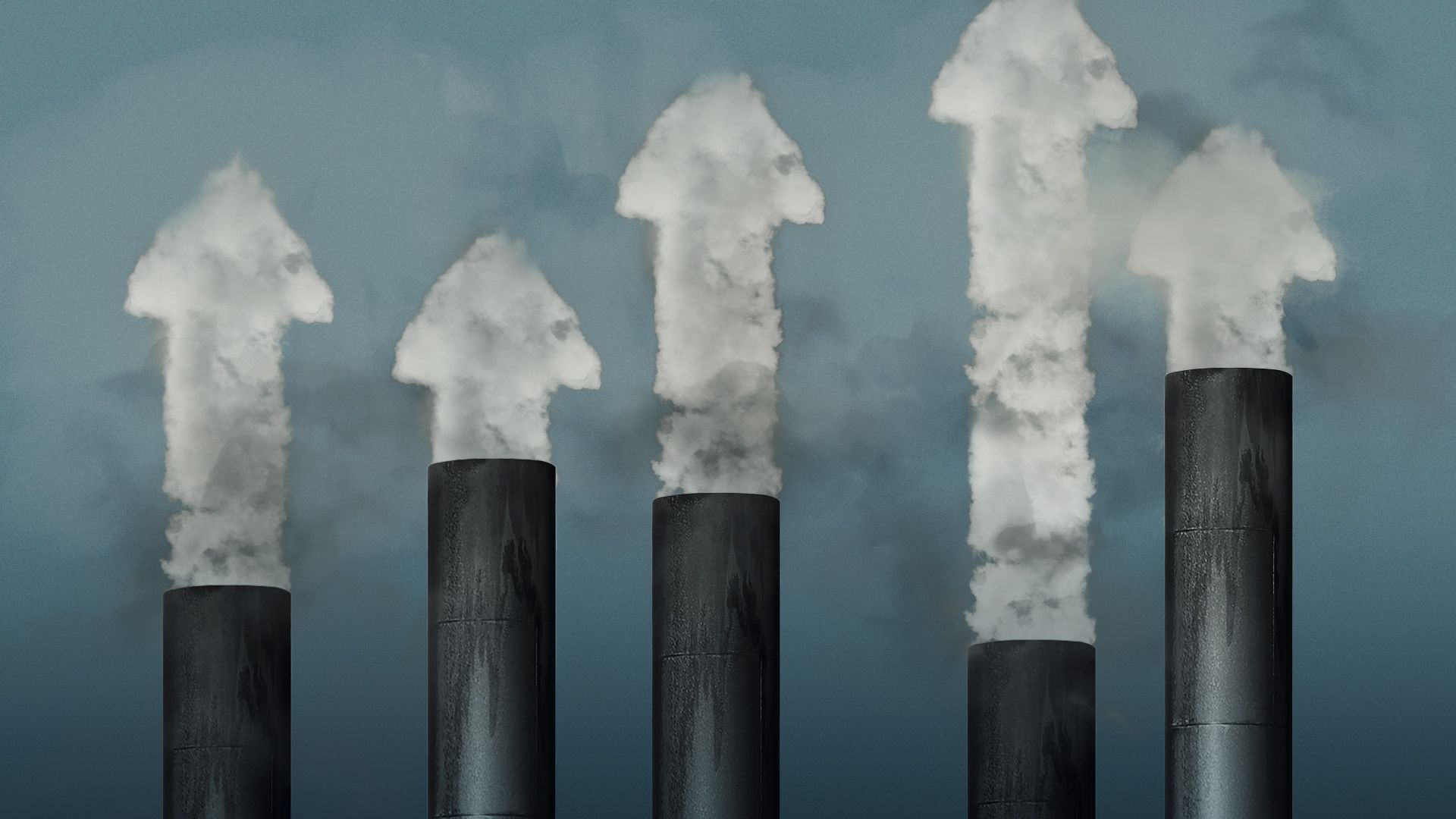
Meta's greenhouse gas emissions surged 45% last year amid its AI infrastructure boom, prompting the tech giant to reconsider its goal of reaching net-zero emissions by 2030.
Why it matters: Other tech giants have reported rising emissions as they race to build data centers, but Meta is going a step further by explicitly reconsidering its climate deadline.
Driving the news: The just-released sustainability report of the tech giant, one of North America's largest data center operators, shows just how much growth in the AI industry is outpacing any efficiency gains.
- Meta executives said they were "re-evaluating" the 2030 goal, first announced in 2020 when the company was still known as Facebook and before the generative AI boom.
- They didn't specify what changes they're considering or when they'll make a decision.
By the numbers: Meta's electricity use jumped 35%, in line with other tech giants. But Meta's emissions increase of 45% is far higher than those of peers Google (18%), Amazon (16%) and Microsoft (25%).
What they're saying: "When we set our net zero emissions goal, we anticipated steady growth, falling clean energy costs, and changes in the broader system that would enable progress at the pace we envisioned," wrote Rachel Peterson, vice president of data centers, and Blair Swedeen, global head of net zero and sustainability.
- "The reality has been far more complex."
Friction point: Meta's report was also revealing about water, a more immediate concern for many communities near data centers.
- The company's direct water consumption fell 4%, but consumption in highly water-stressed regions rose 24%.
- The estimated water consumption associated with generating its electricity — an often-overlooked environmental impact — rose 37% before accounting for its clean-energy purchases.
- Natural gas plants typically use substantial amounts of water for cooling, meaning Meta's growing reliance on gas could increase its indirect water footprint even as its data centers become more water-efficient.
What we're watching: Meta's reconsideration of its climate deadline raises the question of whether other tech giants will eventually follow suit as the AI boom continues to strain their environmental commitments.
4. Training data
- Meta reportedly plans to charge $300 for its Muse Charm AI device, with a year of free Verizon 5G service, while delaying its smartwatch launch until 2027. (The Verge)
- California's attorney general has subpoenaed Nvidia as part of a probe into whether it misled the public or investors as well as its dealings with China. (L.A. Times)
- Apple's AI-powered Siri Recap can summarize conversations while protecting privacy, but a two-week test found its summaries often inaccurate or unhelpful. (The Verge)
- Recent tech outages are a "taste" of what AI cyberattacks could look like. (Axios)
5. + This
A Sonic the Hedgehog designer was surprised to see his much younger self pop up in this now-viral video.
Thanks to David Nather for editing this newsletter and Matt Piper for copy editing.
Sign up for Axios AI+
