D.C.'s foie gras ban could face a costly court fight

Add Axios as your preferred source to
see more of our stories on Google.
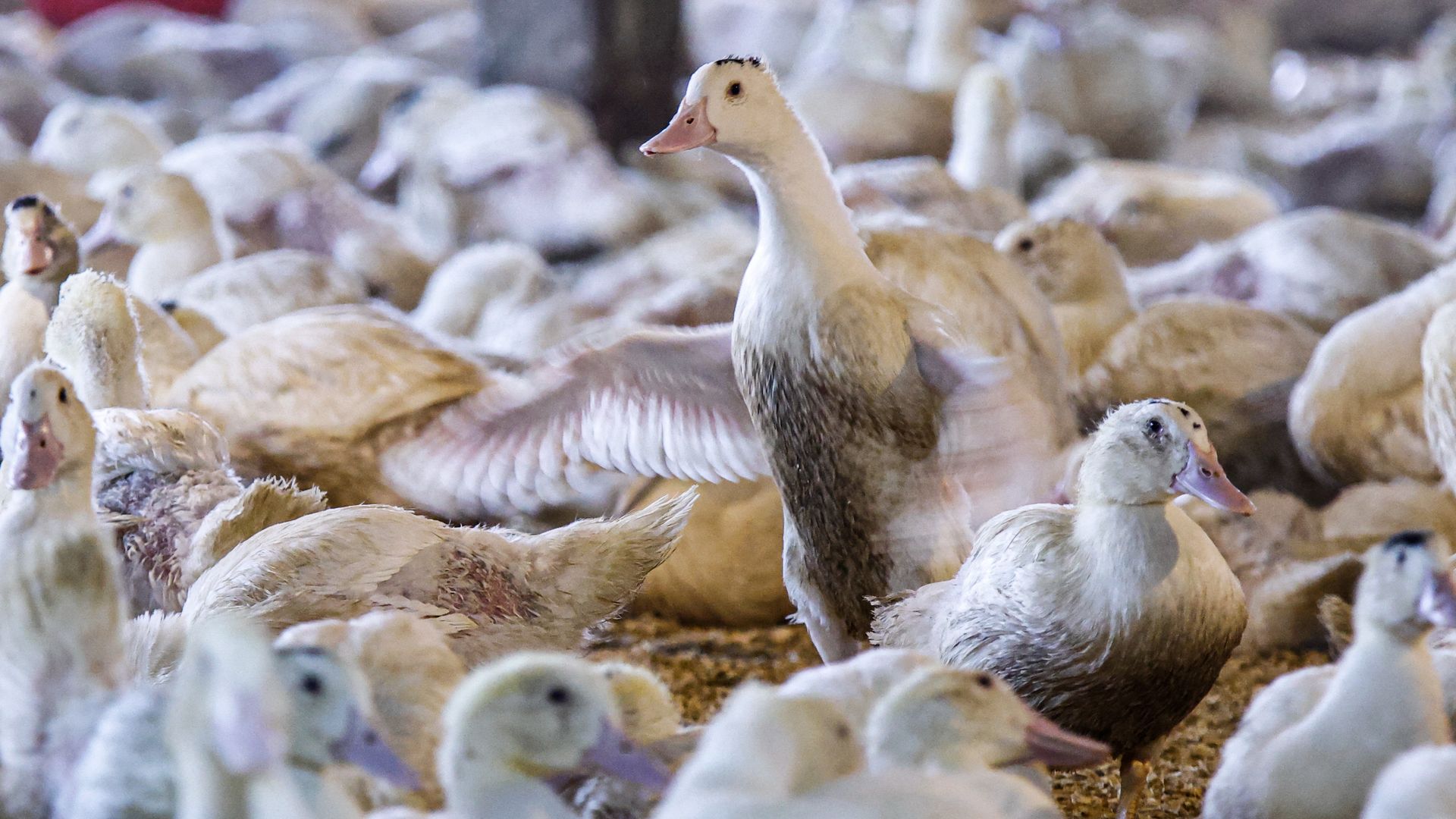
Ducks at Hudson Valley Foie Gras in Ferndale, New York, which is looking into fighting D.C.'s ban if it passes the vote. Photo: Kena Betancur/AFP via Getty Images
D.C.'s proposed foie gras ban could face a costly courtroom battle if voters approve it Tuesday — and a major U.S. producer is already preparing for a fight.
Why it matters: Initiative 86 would ban the luxury duck and goose liver product from D.C. menus and markets starting next July. But a similar prohibition in New York City has been tangled in litigation for years, raising questions about when D.C. could enforce its own.
Driving the news: Hudson Valley Foie Gras, one of the country's two major producers, tells Axios it's consulting attorneys about a potential challenge.
- "I'm already working with my lawyers," says vice president Marcus Henley, who argues D.C. can't prohibit sales of agricultural products legally produced in New York.
- "There are no ducks that are being fed for foie gras in D.C.," he says. "And they're telling me as a New York farmer that I can't sell my products in D.C. That's unconstitutional on several grounds."
The other side: Pro-Animal DC isn't fazed.
- "We're not worried," the campaign tells Axios, arguing that a New York farm "doesn't get to overrule" D.C. voters.
- Organizers point to unsuccessful legal challenges to California's foie gras ban.
The big picture: Hudson Valley and fellow New York producer La Belle Farm have already fought — and delayed — a similar ban in New York City.
- The farms secured an injunction blocking enforcement of the city's 2019 ban.
- An appeals court sided with the city in March, but the producers and New York Attorney General Letitia James sought review from the state's highest court in July. The ban remains unenforced.
Yes, but: Pro-Animal DC argues that New York's litigation relies on agricultural protections that don't exist in D.C.
Zoom out: California has banned in-state foie gras sales since 2012, though a court ruling allows certain direct purchases from out-of-state sellers. Chicago repealed its ban in 2008, two years after enacting it.
Follow the money: D.C.'s chief financial officer estimates the ban would cost $314,000 to implement over four fiscal years — money that hasn't been budgeted.
- The Department of Energy and Environment would oversee enforcement and hire an additional inspector.
- Henley predicts litigation could dwarf that estimate. "That's a drop in the eventual bucket," he says.
- Pro-Animal DC counters that the implementation cost is modest compared with other voter initiatives, and says D.C. already enforces bans on products such as Styrofoam containers and plastic bags.
Another legal wrinkle: Critics say Initiative 86 is written so broadly that it could also ban chicken liver pâté, chopped liver and other poultry products.
- The measure covers liver products from birds fattened through "any method or practice," not just force-feeding. Former D.C. Attorney General Karl Racine told City Cast the wording could extend to chicken.
- Pro-Animal DC insists the measure targets only foie gras, saying the language was intended to cover extreme liver enlargement, not ordinary poultry production.
- "If the Council wants to tighten the definition after the vote, we'd welcome that," the campaign tells Axios.
Back in D.C., Butterworth's chef Bart Hutchins is also exploring a potential legal challenge.
- The Capitol Hill chef is serving a $150, four-course foie gras protest menu through Election Day, with proceeds supporting a prospective legal defense fund.
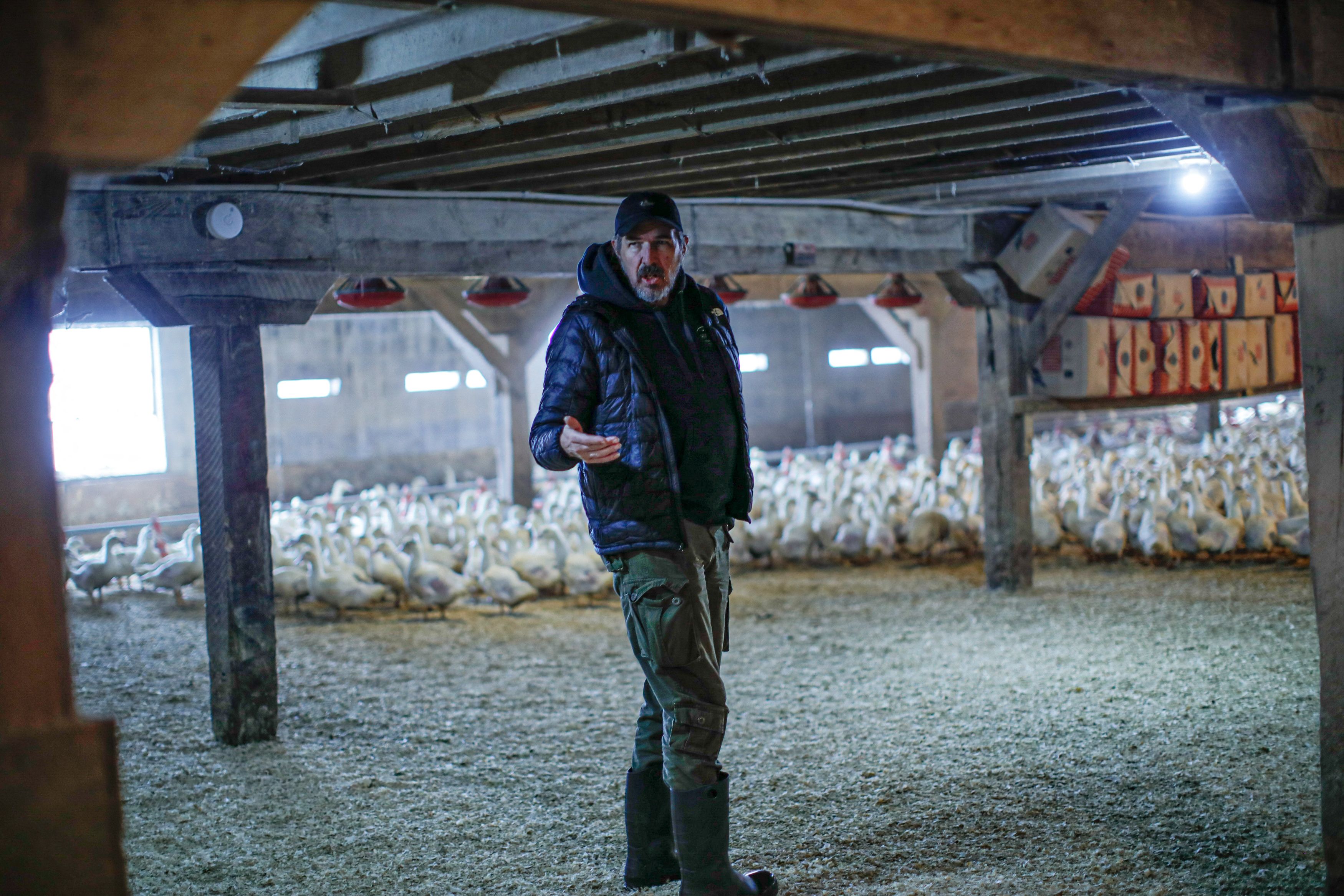
Behind the scenes: Hudson Valley and La Belle, both in New York's Catskills, produce virtually all of America's commercially raised foie gras.
- Animal rights advocates argue force-feeding ducks and geese to enlarge their lives causes suffering. Hudson Valley disputes that characterization and invites lawmakers and journalists to tour its facilities.
- The farm says its ducks are raised cage-free before undergoing gavage — receiving grain-based feed through a flexible tube three times daily for about 20 days to enlarge their livers.
- It also says it uses nearly every part of the bird to minimize waste, from bones to blood and feathers for down coats — and what's unusable is turned into fertilizer for local farms.
- Both sides acknowledge that foie gras producers are a smaller target than industrial poultry giants. But Pro-Animal DC sees an achievable animal welfare victory, while Henley sees an uneven fight against a well-funded movement.
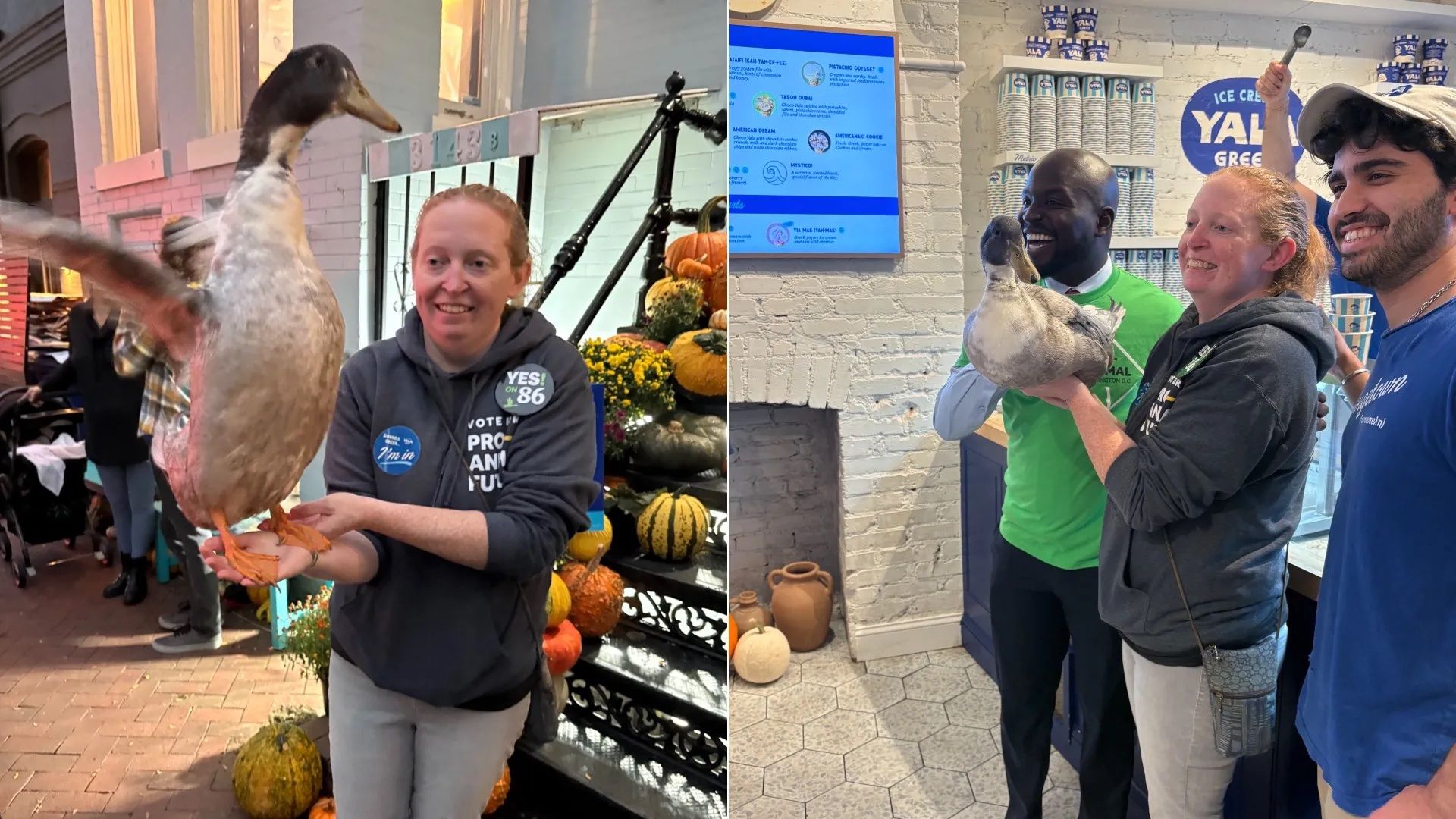
What's next: If Initiative 86 passes, the ban would take effect July 1, 2027, though implementation depends on D.C. funding it.
- Henley says the timing of any lawsuit will depend on his attorneys' advice and when they can establish that the new law is harming their business.