The end of D.C.'s streatery boom era — and what comes next

Add Axios as your preferred source to
see more of our stories on Google.
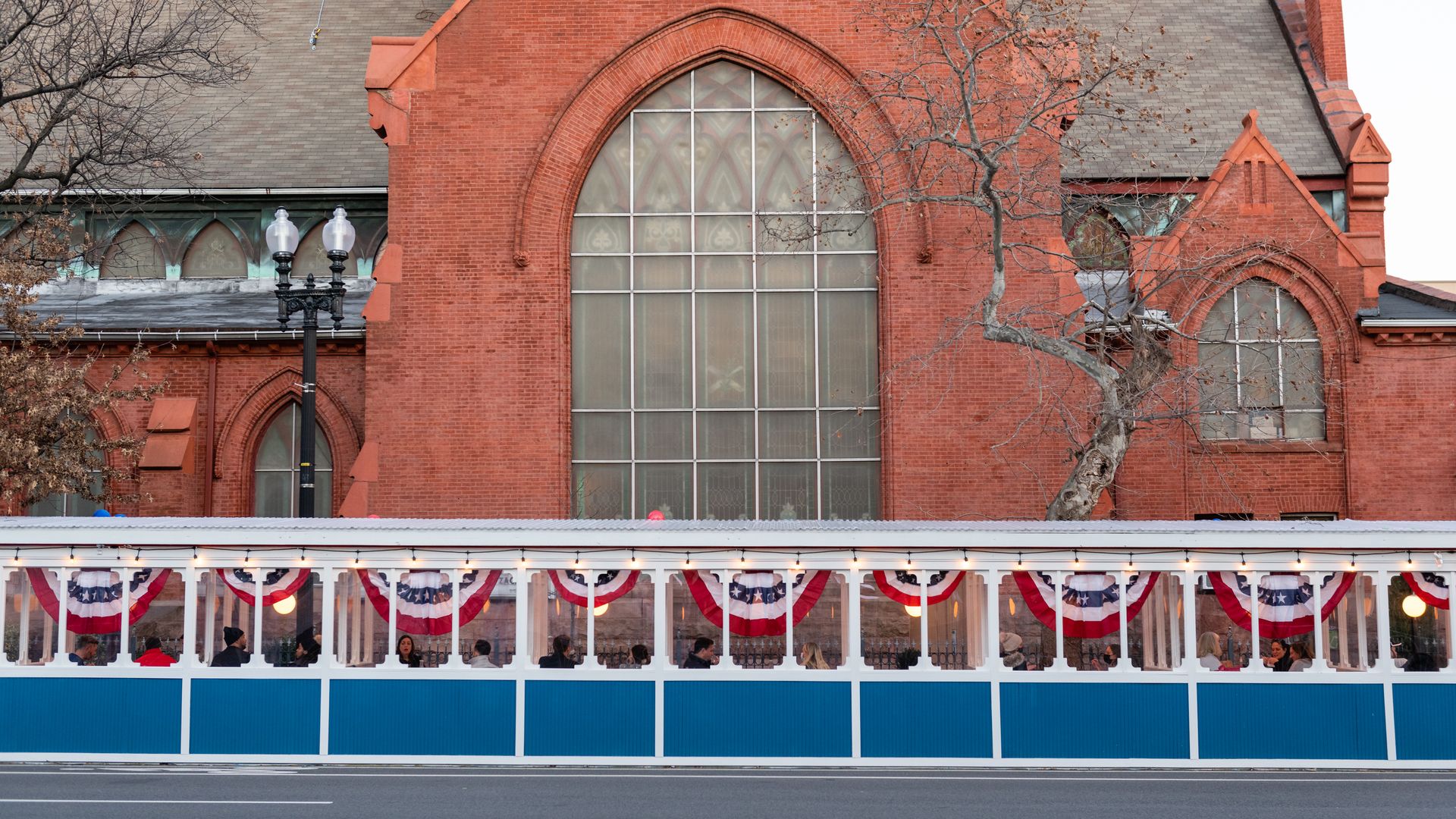
Le Diplomate's streatery, one of the city's most popular, was torn down as new regulations went into effect. Photo: Eric Lee/Bloomberg via Getty Images
Signs of spring are back in D.C. with one major omission: the city's once-plentiful streateries.
Why it matters: Nearly half have vanished since last year as new regulations kick in. Restaurant owners say the rules are confusing and expensive, raising questions about the future of D.C.'s outdoor dining.
Catch up quick: The city launched streateries in June 2020 to keep restaurants afloat — free, flexible and often elaborate.
- The permanent program, rolled out late last year, flips that model.
Now: Stricter design rules favor open-air setups (safer, but less usable year-round) — and the costs add up fast.
- Restaurants pay what's essentially road rent per square foot, plus permitting, barriers and, for many, entirely new builds — on top of tearing down what they already invested in.
- Many face estimates in the tens of thousands — high for small businesses, especially in a tough operating environment.
Context: The city says the tighter rules are meant to fix safety and accessibility issues from the pandemic-era free-for-all — including blocked sightlines and widespread ADA gaps — while standardizing design, and clearing out some eyesores.
By the numbers: 140+ streateries existed last year.
- 83 have applied for the new program.
- 52 have been removed by the city (others came down voluntarily).
Zoom out: Patios and rooftops still buzz — but across neighborhoods from Capitol Hill to Adams Morgan, curbside dining is often replaced by parked cars.
- For restaurants, this isn't cosmetic. Many built their business models around streatery revenue over the past six years. Now, they're stuck: too valuable to lose, too costly to keep.
Zoom in: At Mount Pleasant's Martha Dear, owner Tara Smith did the math.
- Her new streatery now seats 13, down from 20, under the new rules. Changes she estimated would cost $13,000 are now closer to $25,000 all-in. Could she scrap it?
- "Absolutely not," Smith tells Axios. "It's extremely important to our bottom line, and it's also beloved by our community."
Instead, she's getting creative to help cover streatery costs — launching a Saturday artisan market starting May 16, with vintage vendors, florists and dog rescues. Free for participants, but they'll make some money on pizza slices and cult-favorite cookies.
- A win for the neighborhood, but not without frustration.
What they're saying: "Restaurants work with slim margins, and you have to have cash flow to fund these renovations — and so much time," Smith says. Five months. Half a dozen agencies. Endless paperwork.
- "I'm still feeling very frustrated by the cost — and what we're ultimately getting out of it."
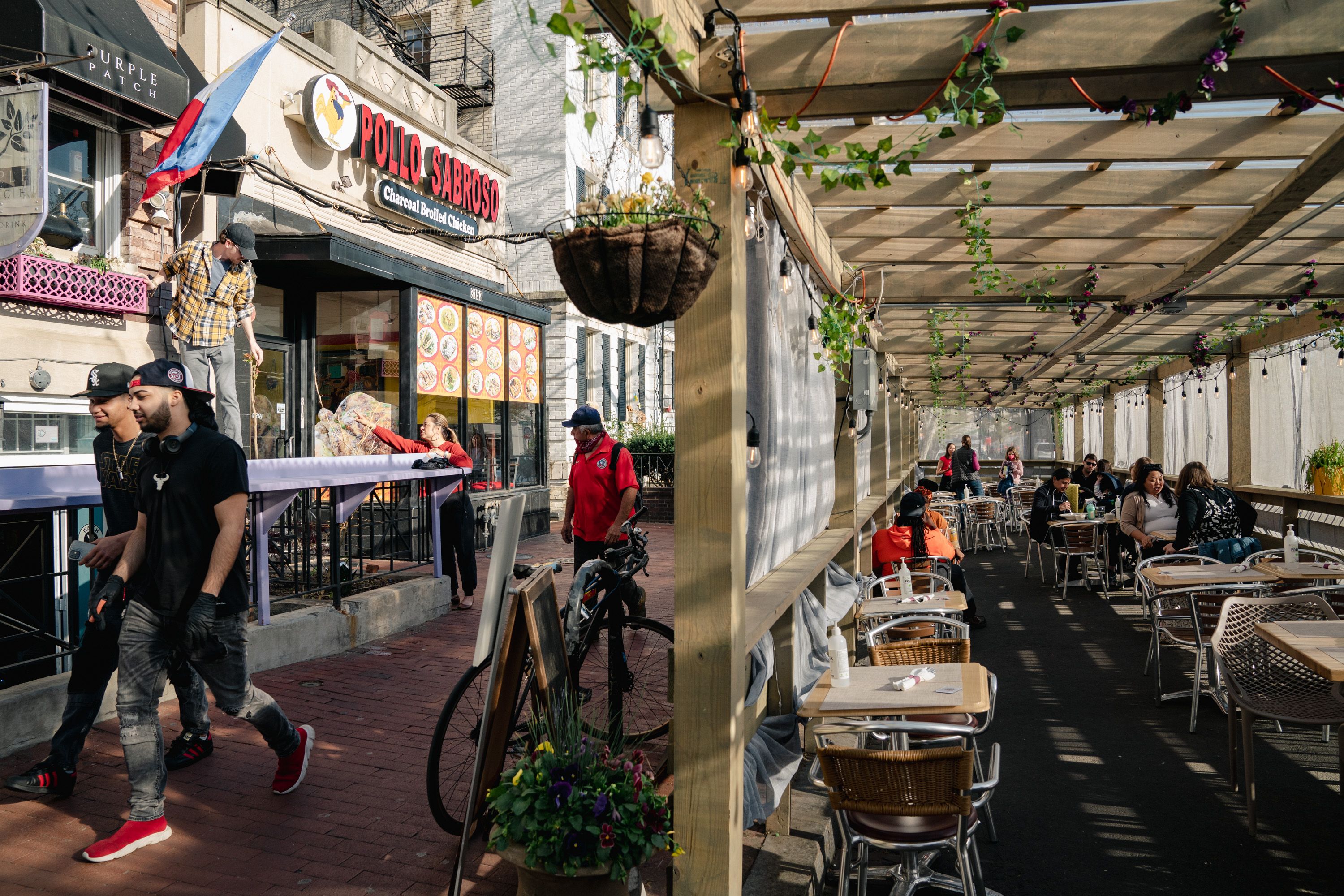
The ripple effects: Some restaurants are losing revenue — and outdoor-loving regulars.
- Others are holding off on seasonal hires or have cut staff.
- Even designers are feeling it. The firm //3877, behind spots like Mi Vida, says streatery requests have dropped to zero.
- "Restaurateurs are reeling at the timing," says principal Ryan Petyak. "The design guidelines are not sexy, let's be honest. How can I get excited about paying $200 for dinner alfresco, but I'm beside a Jersey barrier?"
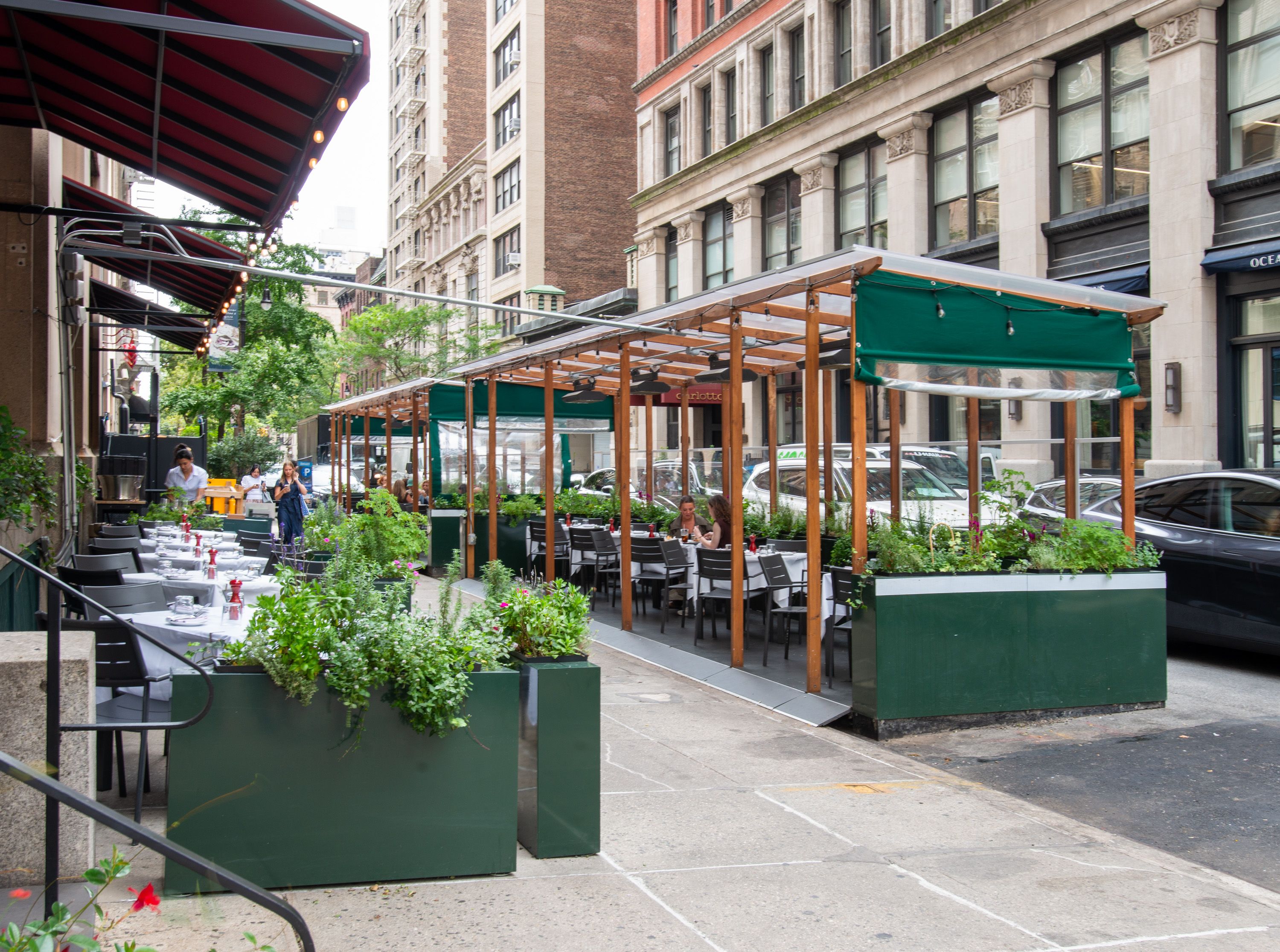
Zoom out: D.C. is late compared to other cities. New York set road-dining rules in 2024, including seasonal use — sparking a market for modular, rentable streateries.
- At least one is coming here.
The intrigue: Shaw's The Royal is debuting one of D.C.'s first new compliant streateries next week — built by Brooklyn company Re-Ply.
- The company rents sleek, modular structures to popular NYC restaurants like Union Square Cafe and Don Angie — handling setup, removal and compliance, from a few hundred dollars to thousands.
Zoom in: Owner Paul Carlson says he spotted the model in New York, and had been saving for years. He's buying one — not renting — but it marks Re-Ply's entry into the D.C. market.
- It's not cheap — their largest model is $14,800 annually to rent — plus custom touches like a tiled roof, lighting and furniture.
- "The curb appeal is really important; we didn't want to stick a shack on the side," Carlson says. "It's a long-term investment."
What we're watching: Streateries have jumped from neighborhood debate to the campaign trail.
- Mayoral candidate Janeese Lewis George has been the most outspoken, campaigning to cut costs and red tape for businesses. At a recent visit to La Tejana — which drew hundreds for its streatery farewell party — she put it plainly: "We want to bring back streateries."
- A senior advisor tells Axios details will come after the primaries, but the goal is clear: "Streateries make neighborhoods more vibrant, help restaurants thrive and create jobs. We should have more of them."