Mahjong is D.C.'s newest obsession — and money maker


Add Axios as your preferred source to
see more of our stories on Google.

Illustration: Allie Carl/Axios
Mahjong madness is sweeping D.C. — and it's good business for instructors and game rooms.
Why it matters: The centuries-old Chinese tile game is finding new fans — and fueling a boom in lessons, clubs and community events.
The big picture: A staple among Asian families and later beloved by Jewish communities, mahjong is now part of a larger return to tactile hobbies — think pickleball, needlepoint and puzzles.
- There are more than 40 global variations, and "the game has been changing ever since it started," historian Gregg Swain tells Axios.
- Younger Asian Americans are embracing mahjong to connect with heritage, while Gen Z and Southern transplants are driving new growth — now reaching "southern-ish" Washington.
State of play: The DCMahjCollective launched last year. It hosts lessons, parties and public play sessions for American mahjong.
- Co-founder Mary Kate Craven says interest surged last fall, and it's up for their free events in the government shutdown as Washingtonians "crave connection" and new hobbies.
- Events draw a wide mix: women in their 30s and 40s, retirees, new grads — and "a decent amount of men."
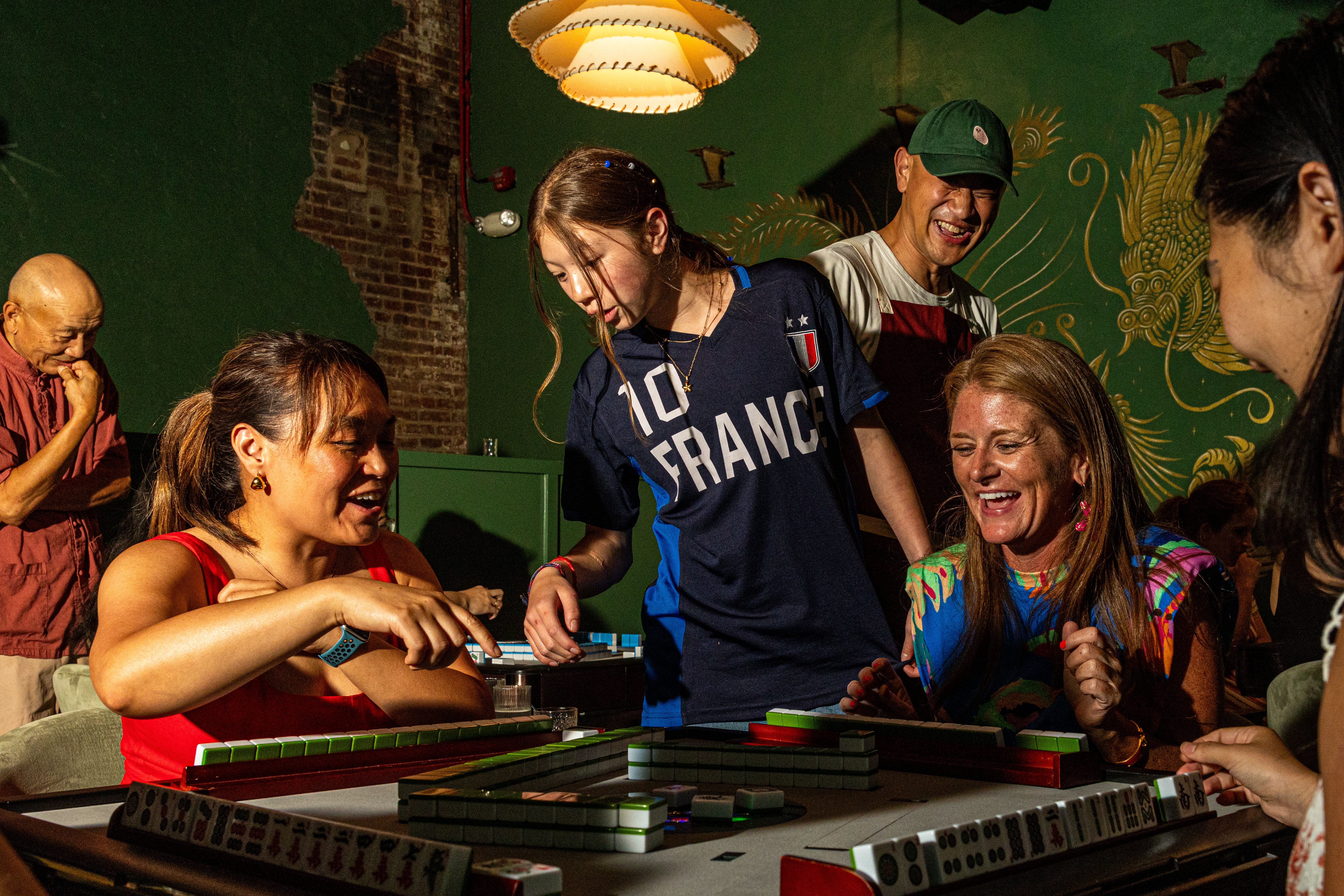
Nationally, Eventbrite mahjong listings jumped 179% between 2023 and 2024, driven by Gen Z's taste for "analog" connection.
- Many instructors earn their living teaching in partnership with brands like The Mahjong Line, which counts around 175 instructors across 33 states — including DMV classes in McLean and Alexandria.
Zoom in: At Lucky Danger near Chinatown, chef Tim Ma's mahjong parlor — one of the only in D.C. — might be the city's hottest "club" for the 30+ crowd.
- Ma and his father built the bar space for Chinese mahjong (though tables can be Americanized). The elder Ma teaches sold-out lessons every Wednesday.
- Private rentals run $525 (before food and drink) and are booked at least weekly for everything from retirement parties to DJ nights like Chinatown Funk Express.
What they're saying: "It's a huge business driver for the restaurant," says Ma — a bright spot as D.C. restaurants grapple with higher costs and softer sales.
- "It's hard to exist as a good restaurant these days," he adds. "You either need to be great, or you need to have something else."
The bottom line: For D.C.'s small business and social scene, mahjong is proving to be a winning hand.