How a smoky summer may affect health in Minnesota

Add Axios as your preferred source to
see more of our stories on Google.
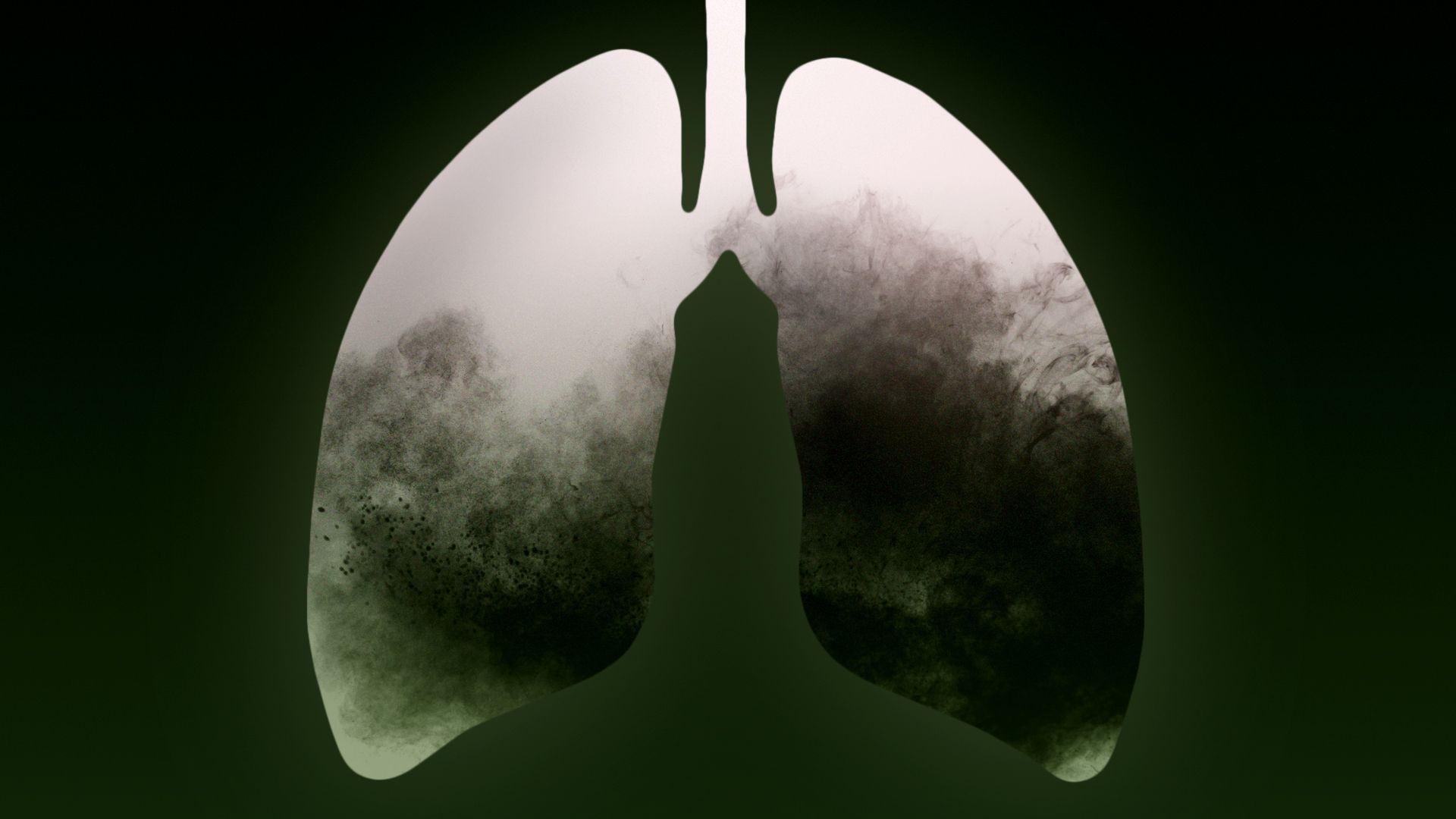
Illustration: Annelise Capossela/Axios
The wildfire smoke has cleared (for now), ending Minnesota's longest air quality alert on record.
State of play: Minnesotans again inhaled some of the crummiest air in the world late last week, as plumes from Canadian wildfires blanketed the skies with haze and triggered six consecutive days of air quality alerts.
- The drifting smoke has caused the Air Quality Index in the Twin Cites to hit unhealthy levels at least nine times this summer, per MPCA.
Threat level: Short-term exposure to the fine particle pollution can make preexisting respiratory and cardiovascular disease worse, according to the Environmental Protection Agency.
- While there are not many studies on the longer-term effects, studies of wildland firefighters have found that continual exposure lasting days or weeks can have a "cumulative effect on lung function."
What they're saying: "Needless to say, the lungs don't like it very much," Andrew Stiehm, a pulmonologist with Allina Health, told MPR News last week, citing inflammation and irritation that can cause wheezing and shortness of breath as major concerns.
Between the lines: Stress on the lungs can also cause the heart to "work more than it's used to," Stiehm said. Those fine particles can also eventually enter the bloodstream, irritating blood vessels.
Case in point: Early state research points to an uptick in ER visits during wildfire smoke alerts, per the Star Tribune. The CDC, meanwhile, documented an increase in heart attacks in the Midwest during smoky days with bad air quality in 2023.
Zoom out: Other studies have found links between exposure to wildfire smoke and an increased risk for dementia, fertility treatment issues and adverse birth outcomes.
What you can do: When it is smoky, close windows, use an air conditioner or purifier, and minimize time outside if you can. Masking with an N95 can also reduce the risks, especially for those whose age or health makes them more sensitive.
- Reducing your number of car trips can also help the overall state of air pollution, government and health officials say.
What we're watching: The political blame game over the smoke has expanded to include the public health response.
- Republican gubernatorial candidate Scott Jensen, a physician, issued a statement last week calling on the Walz administration to produce a "comprehensive smoke/haze response plan" that includes "actionable strategies" for reducing risk for Minnesotans.
- DFL officials called the criticism "laughable," arguing that Jensen's "backwards climate policies... will directly lead to more air pollution," and said the Walz administration already takes some of the steps floated by the candidate.
What comes next: With the fires to the north still raging, we aren't out of the woods. More smoky days could be in the forecast this summer, with MPCA warning that another pocket of smoke could hit northeastern Minnesota as early as Monday afternoon.